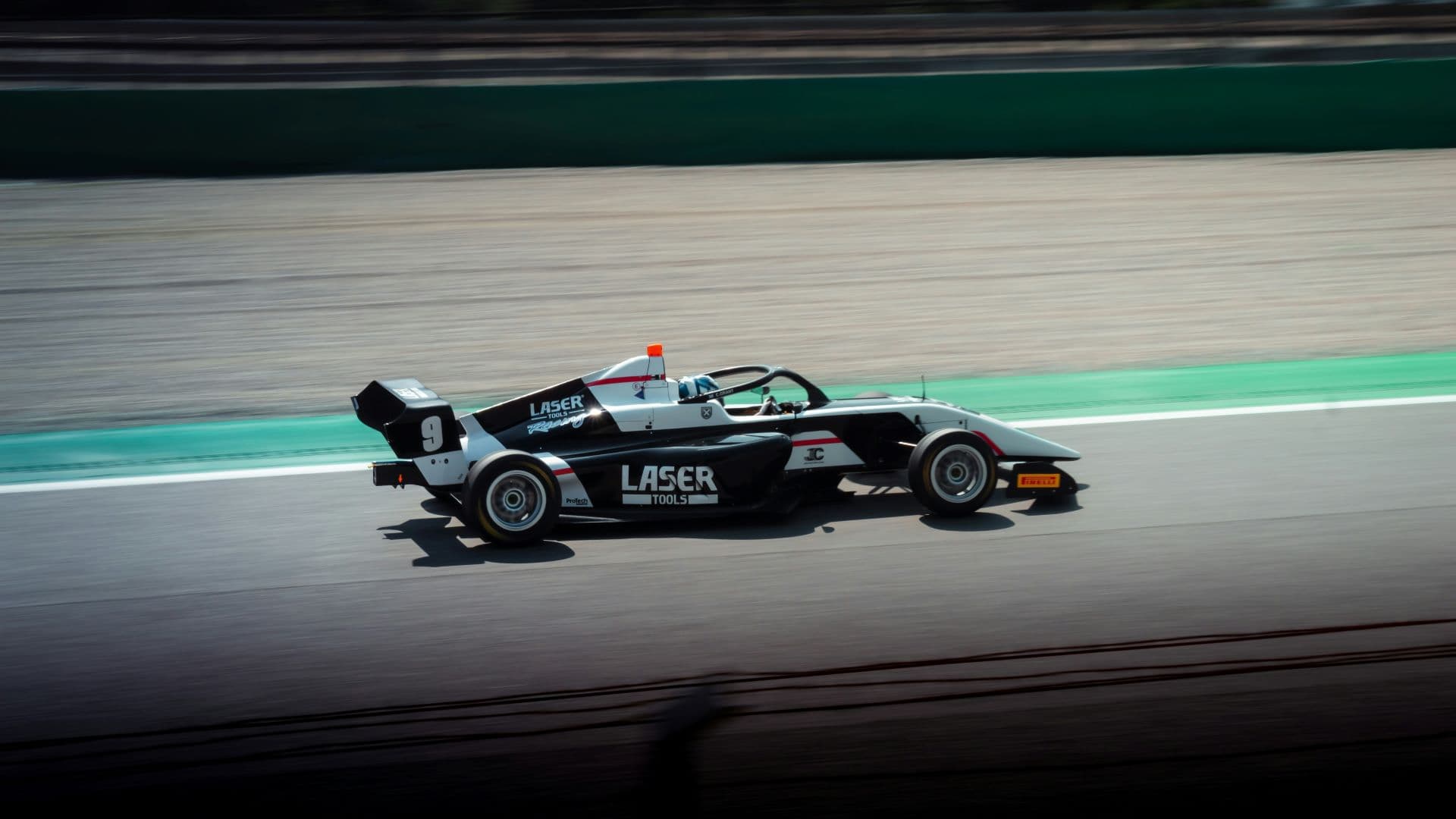
Motorsport, once the preserve of engineers, adrenaline junkies, and dieÔÇæhard fans, has evolved into a multifaceted platform where brands of all stripesÔÇöautomotive, luxury, lifestyle, technology, and beyondÔÇövie for attention, credibility, and cultural relevance. No longer just a competitive arena, racing has become a proving ground for innovation, a stage for storytelling, and a conduit for emotional engagement. In an age where consumers crave authenticity and experiences over mere products, motorsport offers an irresistible blend of speed, spectacle, and style. This article explores how brands harness the power of racing to broaden their appeal, forge genuine connections, and stay ahead of everÔÇæshifting market trends.
A Legacy of Speed and Brand Building
The intersection of motorsport and marketing stretches back more than a century, to a time when early automobile manufacturers raced to prove their machinesÔÇÖ reliability and performance. Pioneers like Mercedes, Ferrari, and Bentley recognized that victories on track translated into showroom success. Spectators marveled at feats of engineering daring, and the association between competition and quality became indelible.
As the sport matured, so did the sophistication of brand partnerships. In the midÔÇæ20th century, tobacco and oil companies staked their claim with bold liveries and prominent logos on cars and helmets, embedding their identities within the very fabric of racing. While regulatory changes would later curtail tobacco sponsorship, the blueprint for successful brand integrationÔÇöa seamless fusion of visual identity, shared values, and narrativeÔÇöremains fundamentally unchanged.
TodayÔÇÖs brands build on that heritage, but with far more nuance. Rather than merely plastering a logo on a chassis, they seek to coÔÇæcreate experiences and narratives that resonate long after the checkered flag waves. They understand that modern consumers demand depth: they want to know why a brand belongs in racing, how it contributes to the sport, and what values it shares with drivers and teams.
Iconic Automotive Partnerships: From Track to Road
Establishing Credibility Through Competition
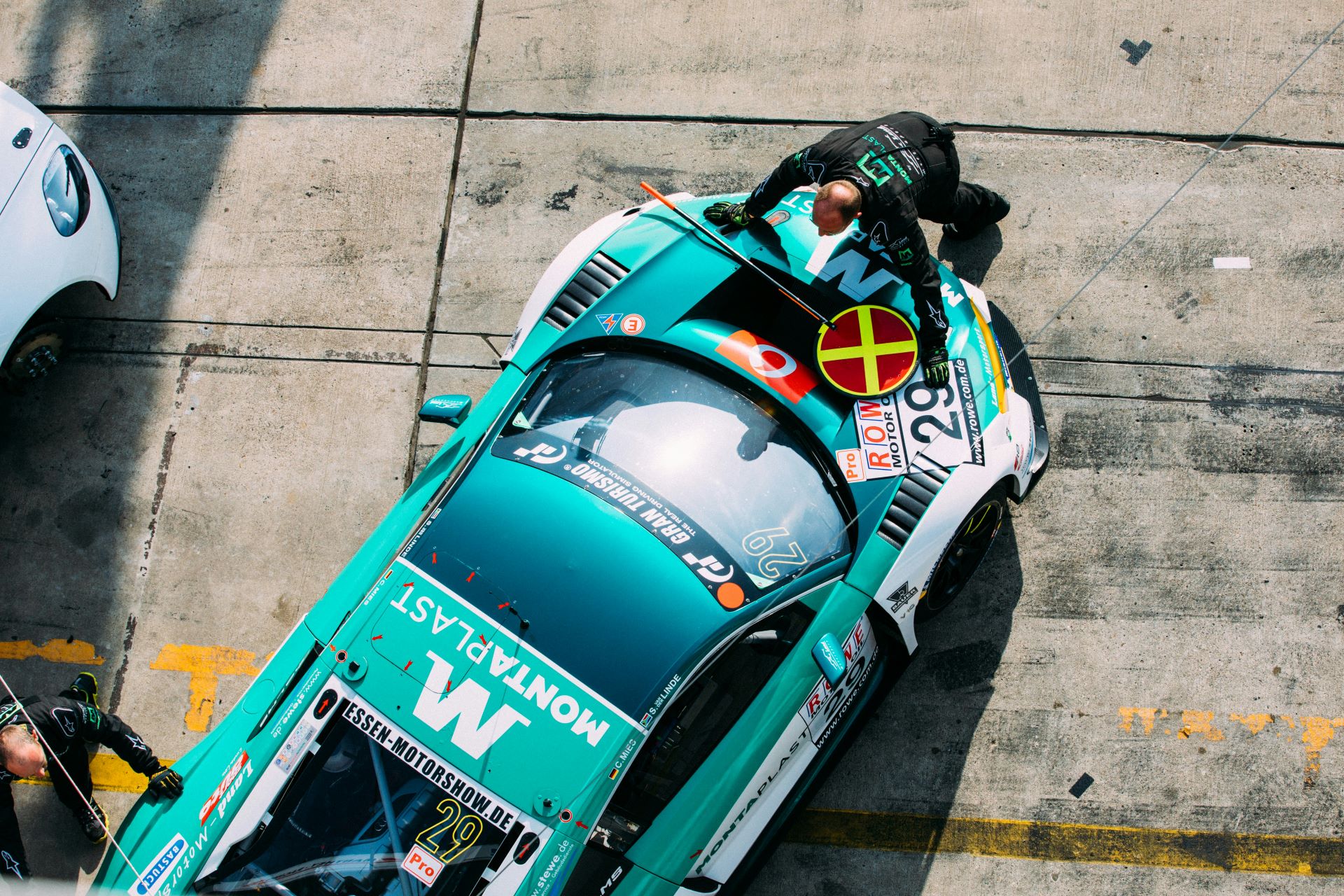
Automotive manufacturers continue to lead the charge in motorsport branding. When a car wins at Le Mans, rallies across continents, or dominates a Formula 1 season, that success becomes a marketing asset. Brands like Porsche and Audi have leveraged endurance racing triumphs to underscore engineering excellence, subsequently linking raceÔÇæderived technologyÔÇöturbocharging, hybrid powertrains, advanced aerodynamicsÔÇöto roadÔÇægoing models.
Consider PorscheÔÇÖs legendary 24 Hours of Le Mans victories. Each triumph reinforced PorscheÔÇÖs ÔÇ£Win on Sunday, sell on MondayÔÇØ ethos, highlighting not just the durability of its machines but also its relentless pursuit of performance. PorscheÔÇÖs marketing campaigns often reference specific race wins, weaving archival footage and driver testimonials into brand storytelling that spans decades. The result: a sense of continuity, heritage, and unassailable quality.
Similarly, MercedesÔÇæBenzÔÇÖs Formula 1 dominance in the hybrid era has provided fertile ground for product narratives: the AMG lineÔÇÖs turboÔÇæhybrid engines are described as directly descended from the championshipÔÇæwinning power units. By spotlighting shared DNA between race cars and road models, Mercedes crafts a potent message: buying an AMG vehicle delivers both daily practicality and racetrack pedigree.
Expanding Beyond Powertrains
However, auto brands no longer limit their involvement to direct competition. Many collaborate with racing teams on merchandise, lifestyle products, and coÔÇæbranded events. Aston Martin, for example, has extended its relationship with racing into luxury watch partnerships, bespoke driving experiences, and even highÔÇæend fashion. This holistic approach transforms the brand from a carmaker into a purveyor of an aspirational lifestyleÔÇöone that blends high performance with luxury refinement.
ToyotaÔÇÖs foray into the World Endurance Championship, coupled with its push into hydrogen fuel cell technology, exemplifies another trajectory: using racing to underscore environmental credentials. By developing the GR Hybrid race car, Toyota signals its commitment to alternative energy while showcasing the thrills of competition. The cleanÔÇætech narrative resonates with ecoÔÇæaware consumers who might not otherwise associate Toyota with cuttingÔÇæedge performance.
Lifestyle and Fashion: Dressing the Need for Speed
Couture on the Circuit
MotorsportÔÇÖs glamour extends beyond cars to encompass fashion, accessories, and lifestyle products. Fashion houses recognize that racing embodies a unique blend of tradition, daring, and avantÔÇægarde design. Collaborations between couture brands and racing teams tap into this synergy, yielding collections that marry technical fabrics with raceÔÇæinspired aesthetics.
Tommy HilfigerÔÇÖs partnership with MercedesÔÇæAMG Petronas F1 Team is a prime example. The limitedÔÇæedition capsule collections feature racing jackets, caps, and polos imbued with team colours and sponsor motifs. What elevates these collaborations is their authenticity: design teams often visit the paddock to capture the sportÔÇÖs atmosphere, ensuring garments feel as if they sprang from behind the pit wall. This depth of involvement differentiates mere logo licensing from true coÔÇæcreation, and it resonates with consumers who value provenance and storytelling.
Luxury Swiss watchmakers similarly turn to motorsport to evoke precision and heritage. RolexÔÇÖs longÔÇæstanding sponsorship of the 24 Hours of Le Mans and Formula 1 Grand Prix lends the brand an aura of technical mastery. By associating their timepieces with splitÔÇæsecond timing, endurance, and a storied past, these watchmakers align themselves with an audience that prizes craftsmanship, reliability, and exclusivity.
Streetwear and Accessibility
Conversely, streetwear brands have adopted a more democratic approach. They reinterpret racing iconographyÔÇöcheckered flags, bold colour blocks, sponsorÔÇæstyle typefacesÔÇöto create apparel that feels both edgy and wearable. Brands like Supreme and OffÔÇæWhite have released motorsportÔÇæinspired drops, tapping into the sportÔÇÖs rebellious spirit. These collections often sell out within minutes, underscoring the powerful cultural cachet of racing imagery.
What these collaborations share is a focus on experience. Launch events might feature simulators, pit tours, or meetÔÇæandÔÇægreets with drivers. By immersing consumers in the world of motorsport, brands transcend transactional exchanges and foster genuine emotional connections.
Technology and Innovation: Racing as a Living Lab
Proving Ground for Progress
Motorsport has always driven technological advancement, but in todayÔÇÖs dataÔÇædriven era, it serves as a living laboratory for some of the worldÔÇÖs most forwardÔÇæthinking tech companies. From advanced materials and aerodynamics to artificial intelligence and connectivity, racing offers a highÔÇæpressure environment where innovation is not only tested but showcased to millions.
QualcommÔÇÖs involvement in F1ÔÇÖs connectivity and data analytics platforms exemplifies this synergy. By integrating its 5G solutions into team operations, Qualcomm enables realÔÇætime telemetry, pitÔÇætoÔÇædriver communication, and enhanced broadcast experiences. These applications demonstrate to enterprise customers how 5G can transform industries that demand ultraÔÇælow latency and high reliability.
IBM has similarly leveraged its partnership with the IndyCar Series to highlight the power of AI and hybrid cloud. By processing terabytes of race data in real timeÔÇöpredicting tire wear, fuel consumption, and optimal pitÔÇæstop timingÔÇöIBM positions itself as a leader in analytics. Such collaborations allow tech brands to move beyond abstract marketing claims, offering tangible case studies where their solutions deliver measurable benefits under extreme conditions.
From Circuit to Consumer
Crucially, many of these technologies find their way into everyday products. CarbonÔÇæceramic brakes pioneered in endurance racing now grace highÔÇæend road cars. Hybrid powertrain management systems, refined on the track, improve fuel efficiency and performance for consumers. Advanced driverÔÇæassistance systems (ADAS), born from telemetry and sensor fusion in racing, underpin the development of semiÔÇæautonomous driving features for private vehicles.
Brands highlight these transfer stories across multimedia campaigns. Videos, interactive web experiences, and even popÔÇæup exhibitions showcase the journey from track testing to consumer application. By breaking down technical jargon into relatable narratives, they make innovation accessible, inspiring confidence that the products consumers buy today are underpinned by motorsportÔÇægrade engineering.
Digital Storytelling: Content That Roars
Creating Immersive Narratives
TodayÔÇÖs motorsport marketing extends far beyond static billboards and TV spots. Brands invest heavily in content creationÔÇödocumentaries, web series, virtual reality (VR) experiences, and interactive appsÔÇöthat bring fans closer to the action than ever before. This shift reflects broader media consumption trends: audiences crave authentic, behindÔÇætheÔÇæscenes access and onÔÇædemand storytelling.
NetflixÔÇÖs Drive to Survive series on Formula 1 offers a masterclass in this domain. By weaving together race footage, personal interviews, and candid lockerÔÇæroom moments, the show transformed F1 from a niche sport into a global cultural phenomenon. Brands that feature within or around such content benefit from the halo effect: exposure in a viral series cements their association with racingÔÇÖs drama and excitement.
Beyond major streaming platforms, many brands produce their own channels. Red BullÔÇÖs media arm, Red Bull Media House, creates awardÔÇæwinning films about rallycross, air racing, and even space diving. These highÔÇæproductionÔÇævalue pieces donÔÇÖt overtly sell energy drinks; instead, they communicate the brandÔÇÖs ethosÔÇöadventure, pushing boundaries, living on the edge. For viewers, the product placement is subliminal, yet the brand impression is indelible.
Virtual Engagement and Esports
The rise of esports and simÔÇæracing represents another frontier for brand integration. With physical attendance capped and digital viewership skyrocketing, virtual racing leagues offer brands a costÔÇæeffective way to engage with a young, techÔÇæsavvy audience. Partnerships range from title sponsorships of virtual championships to branded inÔÇægame items and exclusive online events.
McLaren introduced its Shadow Project simÔÇæracing initiative to discover emerging esports talent while promoting the brandÔÇÖs digital credentials. Meanwhile, automotive aftermarket companies sponsor prominent sim racers, showcasing virtual versions of performance parts and wraps. In doing so, they reach potential customers who may never set foot in a real garage but spend hours customizing digital avatars and cars.
Brands also leverage augmented reality (AR) and VR to create interactive fan experiences. Mobile apps enable users to project a lifeÔÇæsized race car into their living room, explore its features, and even take it for a virtual spin. Such immersive activations transform passive consumers into active participants, fostering deeper brand affinity.
Sustainability: Redefining the ÔÇÿRace to ZeroÔÇÖ
Electrification and Environmental Responsibility
As global consciousness shifts toward sustainability, motorsport is reinventing itself. Formula E, the allÔÇæelectric championship, has surged in popularity, attracting both legacy automakers and pureÔÇæplay EV brands. ABB, the title sponsor, uses the series to highlight its expertise in electrification and grid infrastructure. By associating with a forwardÔÇælooking sport, ABB positions itself at the nexus of technology, mobility, and environmental stewardship.
Legacy manufacturers are following suit. PorscheÔÇÖs entry into Formula E, alongside its motorsport historian role in traditional series, signals a balanced strategy: celebrating heritage while embracing the future. Marketing messages emphasize the trickleÔÇædown effect: highÔÇæperformance electric race cars refining battery management, thermal controls, and regenerative braking systems that inform PorscheÔÇÖs Taycan development.
Beyond electrification, sustainability initiatives encompass carbonÔÇæoffsetting, circular economy practices, and green logistics. Brands like DHL champion sustainable transport solutions within racing, ensuring team freight and hospitality operations reduce environmental impact. These stories appear in corporate sustainability reports, digital campaigns, and industry conferences, reinforcing the brand narrative that racing and responsibility can coexist.
Reaching EcoÔÇæConscious Consumers
For younger demographics, sustainability isnÔÇÖt a niceÔÇætoÔÇæhave; it is a prerequisite for brand trust. Companies that fail to integrate ecoÔÇæcredentials risk alienating core audiences. Consequently, motorsport sponsorship now often includes visible sustainability commitments: plantÔÇæbased catering in the paddock, recycled materials in garage kits, and carbonÔÇæneutral event certifications.
The authentic integration of these measures into brand campaigns is critical. Simply sponsoring an electric series without visible action rings hollow. Leading brands document every stepÔÇösolarÔÇæpowered hospitality suites, reusable uniforms, biodegradable promotional materialsÔÇöthen weave those stories into customerÔÇæfacing content. By doing so, they demonstrate that sustainability is embedded in their operations, not just a marketing veneer.
Experiential Marketing: Beyond Branded Merchandise
The Power of Presence
In an era of digital overload, experiential marketing offers a respiteÔÇöa chance for brands to create memorable, tangible interactions. MotorsportÔÇÖs inherent theatricality provides an ideal backdrop for such activations. From popÔÇæup driving simulators in city centres to VIP hospitality experiences at race weekends, brands engage audiences in multisensory environments.
Emirates, for instance, operates luxury fan zones at select Grand Prix venues. These exclusive spaces offer gourmet dining, live entertainment, and opportunities to meet drivers. The hospitality areas are not just lounges; they are tailored narratives in which EmiratesÔÇÖ brand pillarsÔÇöpremium service, global connectivity, cultural curationÔÇöcome to life. Guests leave with lasting memories, and the brand message is delivered through experience rather than advertisement.
Automotive brands also host onÔÇætrack demonstration events, inviting prospective customers to test highÔÇæperformance models in safe, controlled environments. These ÔÇ£track daysÔÇØ rarely rely on conventional sales pitches; instead, they let the carsÔÇöand the visceral thrill they deliverÔÇösell themselves. PostÔÇæevent followÔÇæups include immersive video recaps and personalized offers, ensuring the excitement translates into showroom visits.
Roadshows and Mobile Tours
To extend reach beyond flagship events, many brands deploy mobile tours. These compact, branded units travel to major cities, setting up interactive exhibits that replicate aspects of the racing world. JaguarÔÇÖs allÔÇæelectric IÔÇæPACE Roadshow, for example, featured highÔÇæfidelity VR experiences that allowed visitors to race on famous circuits. By blending digital and physical elements, the tour educated consumers about EV technology while delivering an entertaining spectacle.
Such roadshows often partner with local influencers and community groups, further embedding the brand within regional contexts. Social media amplifies these activations: attendees share photos, livestreams, and userÔÇægenerated content, extending the campaignÔÇÖs lifespan well beyond the tourÔÇÖs itinerary.
Influencer and Content Creator Collaborations
Authentic Voices in the Paddock
The democratization of content creation means that fans no longer rely solely on official broadcasts; they tune into YouTube channels, podcasts, and social media profiles of influencers and sim racers. Brands recognize that these creators command highly engaged communities and can amplify messages in authentic, relatable ways.
A tire manufacturer like Pirelli might collaborate with a wellÔÇæknown motorsport YouTuber for a ÔÇ£day in the lifeÔÇØ series, showcasing tire testing at a secret proving ground. By granting behindÔÇætheÔÇæscenes access, Pirelli benefits from the influencerÔÇÖs credibility and storytelling prowess. Likewise, fashion brands send limitedÔÇæedition racing gear to style influencers, who then produce unboxing videos, lookbooks, and streetÔÇæstyle shoots that blend racing heritage with contemporary trends.
Measuring Impact and Engagement
Unlike traditional sponsorships, influencer partnerships offer measurable metrics: views, engagement rates, sentiment analysis, and clickthroughs. Brands use sophisticated tracking tools to evaluate performance in real time, optimizing content schedules and creative approaches. This dataÔÇædriven methodology mirrors the analytics of racing itself, creating a feedback loop that refines both marketing and onÔÇætrack strategies.
Moreover, userÔÇægenerated content (UGC) serves as social proof. When fans post their own footage of driving simulators, paddock visits, or branded merchandise, the brand message proliferates organically. Savvy marketers curate and amplify the best UGC, rewarding creators with shoutÔÇæouts, exclusive access, or limitedÔÇæedition swag, thus reinforcing a community ethos.
Emerging Trends: Beyond the Horizon
Esports and Virtual Realms
With physical attendance constraints and unpredictable global events, esports and virtual reality have surged as key arenas for brand engagement. Virtual Grand Prix series attract millions of viewers, offering brands a costÔÇæeffective platform to reach global audiences. Title sponsorships of esports leagues, branded inÔÇægame stadiums, and digital collectibles (NFTs) allow marketers to explore novel monetization models.
Music labels, for instance, partner with virtual racing events to debut music videos or exclusive tracks, blending entertainment with competition. Beverage brands create inÔÇægame beverage stands, complete with animated branding and promotional codes. These immersive digital environments provide fertile ground for experimentationÔÇöbrands can test creative concepts, gauge audience reactions, and iterate rapidly.
Inclusive and Grassroots Racing
Another burgeoning trend is the emphasis on diversity and accessibility. Grassroots motorsportsÔÇökarting, club racing, rallycrossÔÇöare gaining prominence as entry points for both participants and fans. Brands sponsor amateur championships, scholarship programs, and community racing initiatives, demonstrating a commitment to nurturing talent from all backgrounds.
This bottomÔÇæup approach fosters brand loyalty early in the customer journey. A helmet sponsor that underwrites a junior karting series, for example, becomes synonymous with the dreams of young drivers. As those drivers advance, the brand benefits from longÔÇæterm association. Marketers amplify these stories through miniÔÇædocumentaries, podcasts, and social campaigns, showcasing inspirational narratives that resonate beyond pure competition.
Steering Towards Tomorrow
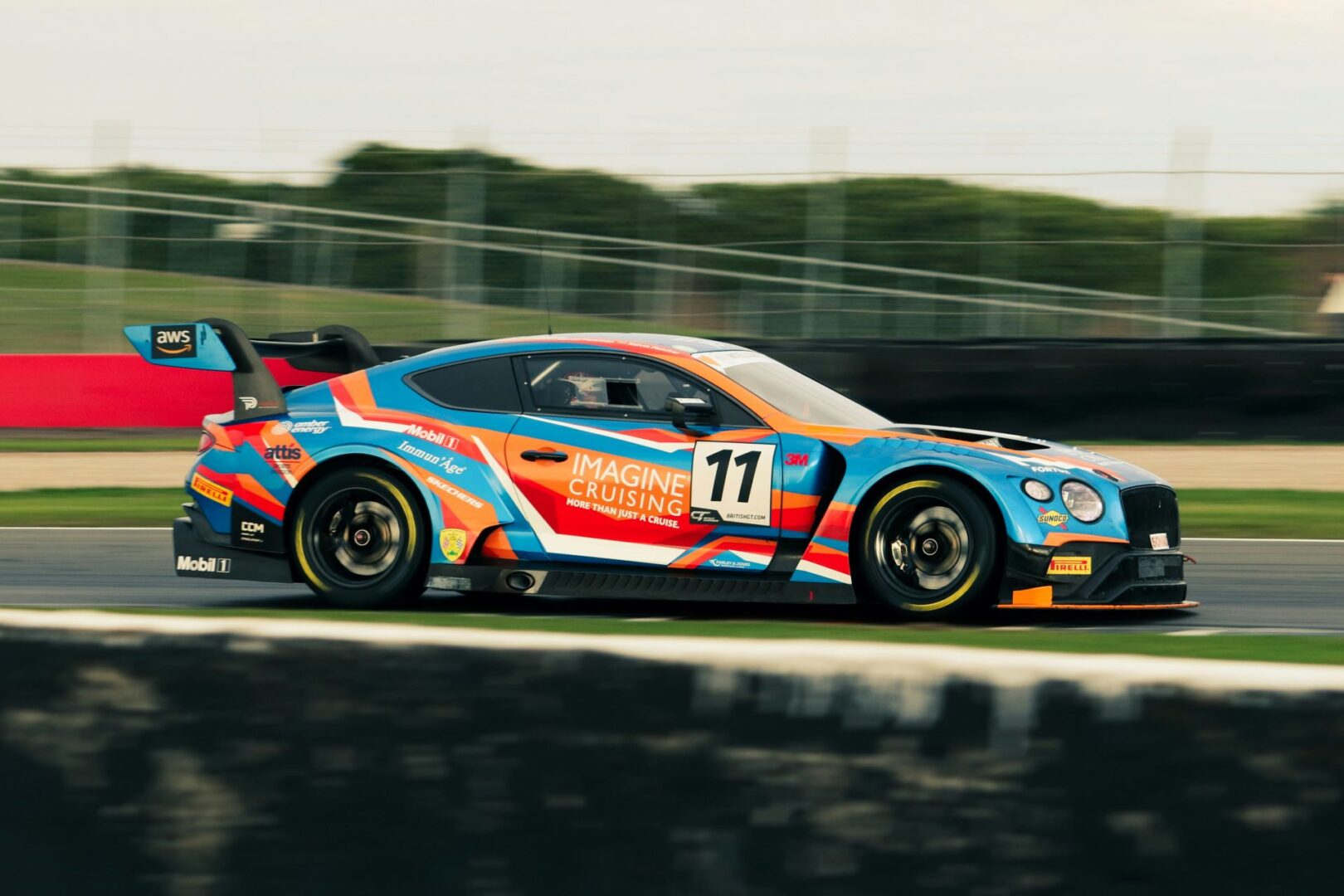
As motorsport continues to evolveÔÇöembracing electrification, digital integration, and diversityÔÇöthe brands that thrive will be those that approach the sport with strategic empathy. They will see racing not merely as a backdrop for logos but as a living ecosystem where shared values, innovation, and human stories converge.
In practical terms, successful motorsport marketing demands a multifaceted approach:
Looking ahead, the chequered flag will wave not just at the end of a race, but as a signal of possibility. Brands that understand motorsportÔÇÖs emotional powerÔÇöits ability to unite fans, inspire innovation, and symbolize aspirationÔÇöwill find themselves at the forefront of mainstream culture. In that highÔÇæspeed convergence of performance and presence, the winners will be those who master the art of blending speed with style, on and off the track.
Breyten Odendaal
Specializing in high-performance automotive advertising and digital marketing solutions, delivering cutting-edge insights and the latest news shaping the automotive industry in South Africa.
More From Advertising

Automotive Advertising in 2026: Selling Confidence in a More Competitive Market
As South Africa’s vehicle market becomes more competitive, automotive advertising needs to do more than announce a price or specification. It needs to help buyers understand value, ownership costs and why a vehicle suits their lives.

Automotive Digital Ads in South Africa: A Shift
Exploring how South Africa’s automotive advertising evolved from print and broadcast to data-driven, programmatic digital ecosystems.

The Video Shift in Car Buying Decisions in SA
Explore how video content shapes car purchase decisions in South Africa, comparing short-form and long-form strategies for automotive marketers.