
The roar of an engine. A sweeping mountain road. The gleam of metal under golden hour light. Automotive advertising has long transcended the transactional; it's an art form, a science, and increasingly, a masterclass in applied psychology. Beneath the surface of every sleek campaign lies a tapestry of design choices, each carefully crafted to stir emotion, build brand affinity, and ultimatelyÔÇömove metal.
In a hyper-saturated media environment where consumer attention spans are shrinking and choices are multiplying, car brands donÔÇÖt just sell vehicles. They sell identity, aspiration, safety, freedom, and status. And to do that effectively, they lean heavily on the psychological triggers embedded in visual design, auditory cues, narrative arcs, and symbolic associations.
This article explores the psychology behind automotive advertising design, analysing how sound, speed, and emotion intertwine to influence consumer perception and drive behaviour. WeÔÇÖll unpack the tools advertisers use to connect with different audience segments, the cultural nuances shaping campaigns, and the cognitive science behind why certain ads accelerate desire while others stall on the showroom floor.
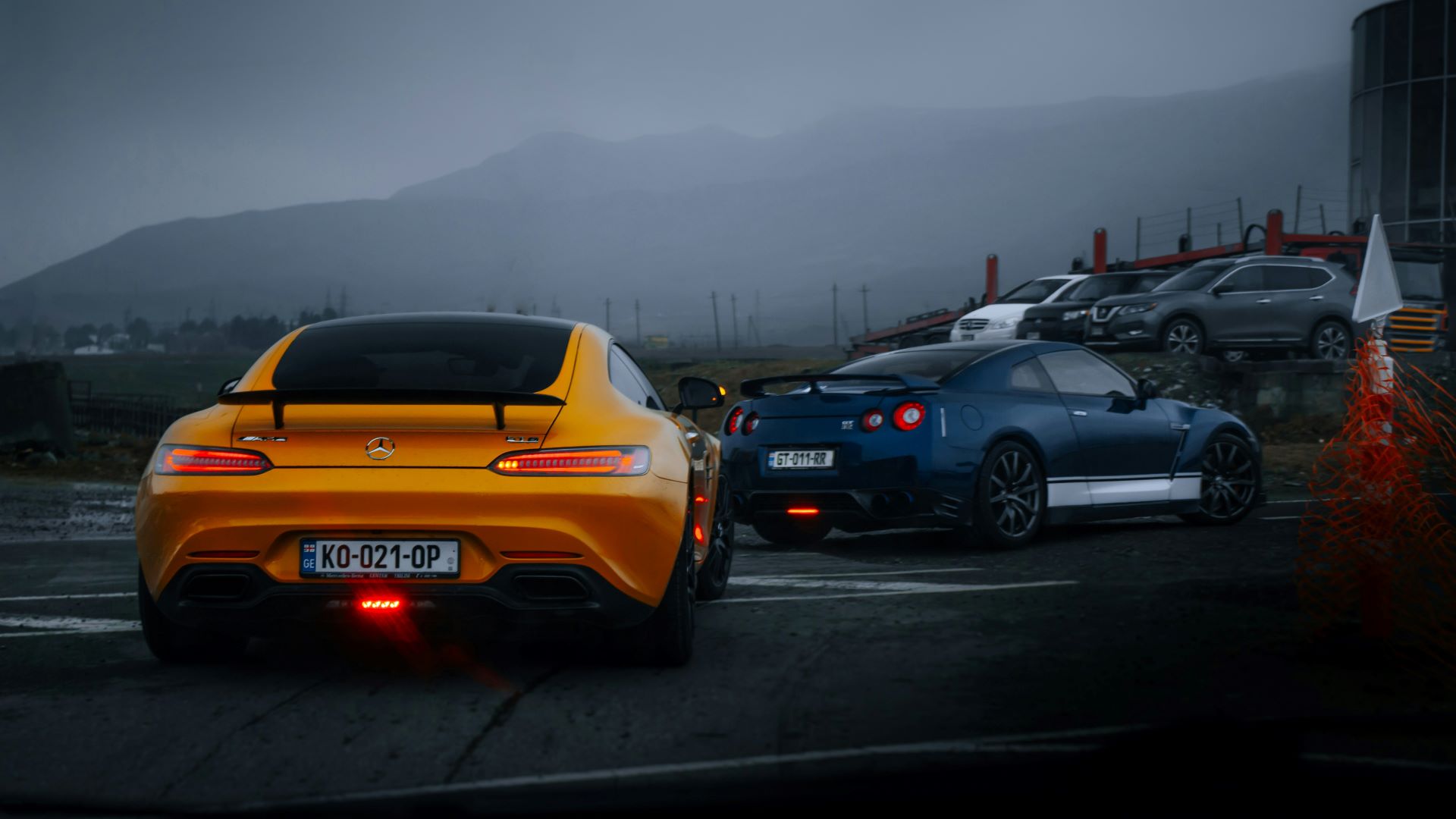
The Emotional Engine ÔÇô Why Emotion Drives Sales
The Car as an Extension of the Self
Modern psychology recognises that purchasing a car is rarely a purely rational decision. Rather, it's often about self-expression, emotional resonance, and social identity. Cars represent far more than transportÔÇötheyÔÇÖre proxies for power, independence, success, rebellion, or even eco-consciousness.
Psychologist Dr. Susan Fournier's concept of "brand relationships" is particularly apt here. She argues that consumers form deep, personal relationships with brandsÔÇöakin to friendships or even love affairs. For automotive brands, cultivating this relationship means designing ads that hit the heart before they hit the head.
Emotional Appeals in Practice
Take VolkswagenÔÇÖs The Force ad, which aired during Super Bowl XLV. A young child dressed as Darth Vader tries to use the Force around the house. Nothing worksÔÇöuntil Dad uses the keyless start on his VW Passat. The ad is humorous, nostalgic, and endearing, tapping into universal themes of wonder, parenthood, and childhood imagination. ItÔÇÖs memorable not because it lists features, but because it evokes feeling.
BMWÔÇÖs tagline "Sheer Driving Pleasure" leans similarly into emotional appeal. Instead of promoting torque or fuel economy, it highlights the experience of drivingÔÇöa sensation that canÔÇÖt be quantified but is deeply felt.
Sonic Speed ÔÇô The Strategic Use of Sound
Engine Notes and Emotional Response
Sound design in car ads is often overlooked in critical discussions, yet it's one of the most potent psychological tools in the advertising arsenal. Research shows that sound activates the brain's limbic system, which governs emotion, memory, and arousal. When we hear the rev of a V8 or the whine of an electric motor, our bodies react viscerallyÔÇöeven if weÔÇÖre just watching a screen.
Sound is used to:
Music as an Anchoring Tool
Music choice is equally strategic. Luxury brands like Audi or Lexus often favour ambient, orchestral, or jazz-infused tracksÔÇösubtly reinforcing elegance and refinement. In contrast, performance brands such as Porsche or BMW might opt for more dynamic electronic or rock scores, cueing excitement and control.
Empirical studies from Nielsen confirm that ads with well-matched music can improve brand recall by up to 96%. The key is congruence: the sound must fit the brand story.
Visual Velocity ÔÇô Cinematic Language and Composition
Motion and Camera Work
Fast cuts, low angles, dynamic pansÔÇöthese are more than cinematic flourishes. TheyÔÇÖre psychological cues that enhance perceived speed and power. A study published in the Journal of Advertising Research revealed that high-speed imagery, even when not linked to actual speed specs, can increase consumer perception of a carÔÇÖs performance.
Colour Psychology in Automotive Ads
Colour isnÔÇÖt just aestheticÔÇöitÔÇÖs symbolic. Red evokes power and passion, making it ideal for sports cars. Silver and black suggest luxury and sophistication, common in executive sedans. Earth tones reinforce sustainability in ads for hybrids or EVs.
These choices are never arbitrary. They are calibrated to cultural associations and psychological responses:
Lighting and Atmosphere
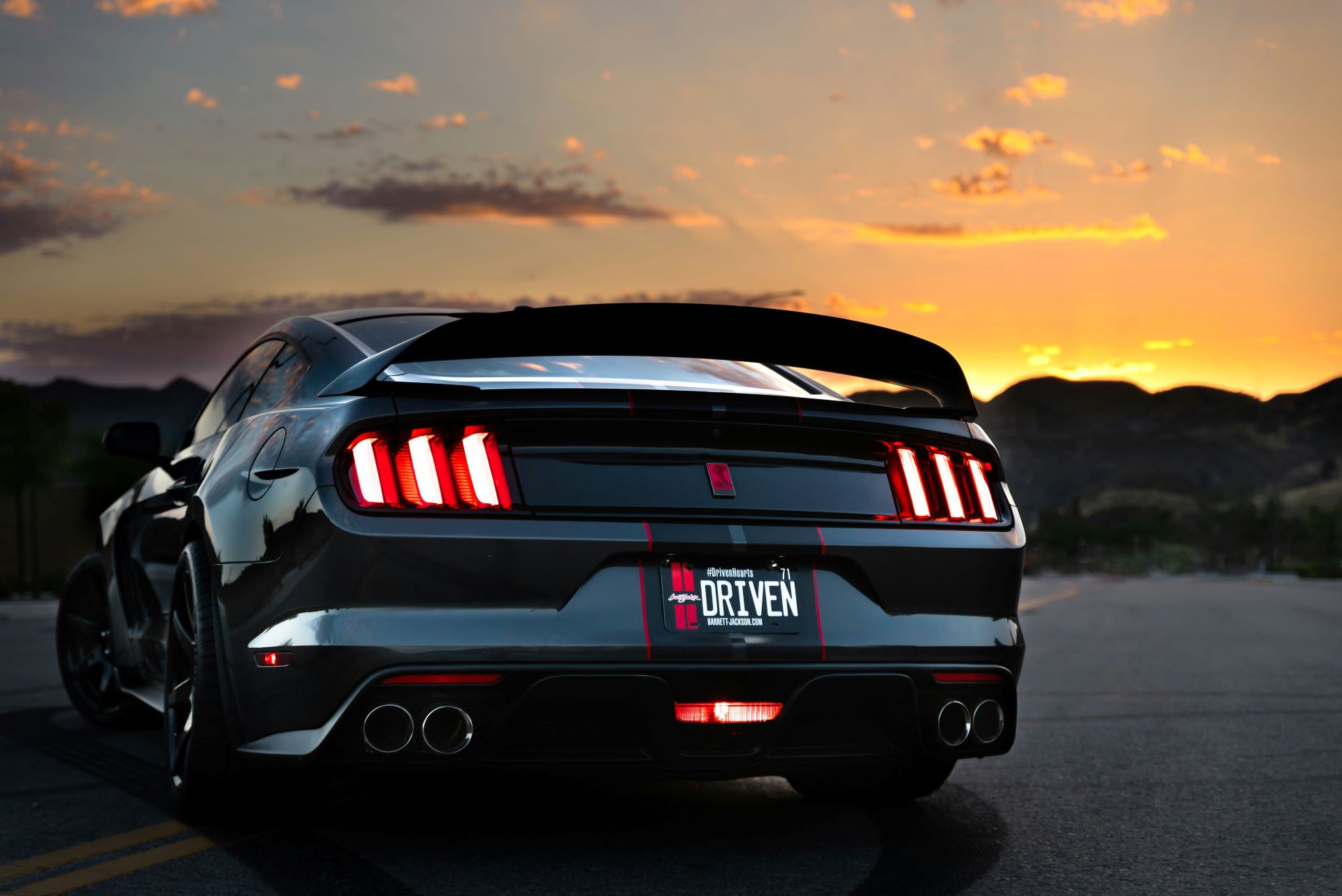
Lighting cues are also essential. Nighttime urban scenes with glowing cityscapes signal modernity and tech-savviness. Warm golden hour lighting evokes nostalgia and emotional warmth, often used in family-oriented SUV ads. Cool blue tones are used to denote futuristic design, especially for electric vehicles.
Narrative Psychology ÔÇô Stories That Sell
Archetypes and Audience Identification
Advertising often leans on Jungian archetypesÔÇöthe Hero, the Explorer, the Rebel. These frameworks allow consumers to insert themselves into the narrative. Jeep, for example, embodies the Explorer archetype. Its ads rarely talk about horsepower. Instead, they show people escaping cities, climbing mountains, conquering nature.
This isnÔÇÖt coincidenceÔÇöitÔÇÖs narrative engineering. The viewer subconsciously associates the brand with adventure, resilience, and freedom.
Plot Structure and Persuasion
Classic storytelling frameworks like FreytagÔÇÖs Pyramid (Exposition, Rising Action, Climax, etc.) are frequently used in automotive commercials. Take VolvoÔÇÖs Epic Split with Jean-Claude Van DammeÔÇötension is built through voiceover and visual suspense, leading to a climactic moment of shock and awe. It entertains, but more importantly, it anchors product features (stability and precision) in a memorable way.
Cultural Context and Cognitive Framing
Localisation of Messaging
What resonates in Tokyo may not in Toronto. Cultural values shape perception, and automotive advertising must align accordingly. For instance:
Understanding these cultural inflections is essential when designing cross-market campaigns. Even humour doesnÔÇÖt always translateÔÇöBritish wit may fall flat in American contexts, while overt sentimentality may not appeal to Nordic audiences.
Cognitive Framing Techniques
Cognitive framing involves shaping how consumers interpret information. A car thatÔÇÖs "lightweight" can be framed as fuel-efficient or as lacking substance. A high price can be framed as exclusivity or poor value. Smart advertisers shape narratives to highlight strengths and downplay weaknessesÔÇöwithout misleading.
The Role of Technology and Interactivity
AR, VR, and Configurators
With the rise of digital-first media, interactivity is increasingly baked into campaign strategy. Augmented reality (AR) lets users visualise a car in their driveway. Virtual reality (VR) test drives simulate performance. These tools donÔÇÖt just showcase the productÔÇöthey engage consumers experientially, creating memory anchors that traditional ads canÔÇÖt match.
Personalised Advertising
Data-driven advertising platforms allow for psychographic segmentation. Someone browsing luxury fashion sites might receive a different version of a Mercedes ad than someone reading outdoor adventure blogs. This kind of micro-targeting tailors emotional and aesthetic appeals to the individual, increasing engagement and conversion rates.
Ethics and the Subconscious
Subliminal Influence and Authenticity
With great power comes ethical responsibility. Automotive advertisers must walk a fine line between emotional resonance and manipulation. While itÔÇÖs one thing to associate a car with freedom, itÔÇÖs another to exploit insecurity or social pressure to incite purchase.
Increasingly, authenticity is becoming a hallmark of effective automotive advertisingÔÇöespecially among Gen Z and millennial audiences. They seek brands that align with their values: sustainability, transparency, and social equity. Campaigns that feel contrived or emotionally exploitative are quickly rejected in the court of public opinion.

Designing Desire in Motion
Automotive advertising is a high-stakes discipline where psychology, art, and commerce intersect. Whether itÔÇÖs the cinematic sweep of a drone shot, the resonant rumble of an engine, or the subtle colour cues in a print adÔÇöevery choice is intentional, every element a lever on the consumer psyche.
When done well, automotive ads donÔÇÖt just sell cars. They sell dreams. They whisper to our identities, reflect our aspirations, and stir the intangible desire to moveÔÇöfaster, further, and freer.
In the end, sound, speed, and emotion arenÔÇÖt just features of the adÔÇöthey are the fuel that drives connection. And in an age where brand loyalty is earned, not assumed, the psychology of automotive ad design may be one of the most vital engines in the entire industry.
Breyten Odendaal
Specializing in high-performance automotive advertising and digital marketing solutions, delivering cutting-edge insights and the latest news shaping the automotive industry in South Africa.
More From Advertising

Automotive Advertising in 2026: Selling Confidence in a More Competitive Market
As South Africa’s vehicle market becomes more competitive, automotive advertising needs to do more than announce a price or specification. It needs to help buyers understand value, ownership costs and why a vehicle suits their lives.

Automotive Digital Ads in South Africa: A Shift
Exploring how South Africa’s automotive advertising evolved from print and broadcast to data-driven, programmatic digital ecosystems.

The Video Shift in Car Buying Decisions in SA
Explore how video content shapes car purchase decisions in South Africa, comparing short-form and long-form strategies for automotive marketers.