
Winter is more than a season; for those who live in snowbound regions, it is a defining element of lifestyle. The rhythmic crunch of snow under tires, the crisp bite of icy winds, the mesmerizing glint of frost on windowpanesÔÇöthese are experiences that shape decisions behind the wheel. For automotive brands, this is a fertile ground for storytelling. All-wheel-drive (AWD) vehicles are not merely functional; they are enablers of freedom, safety, and confidence in the face of winterÔÇÖs unpredictability. To market AWD vehicles effectively to customers in winter climates, brands must transcend traditional specifications and performance metrics, embracing a narrative that speaks to both the heart and the mind.
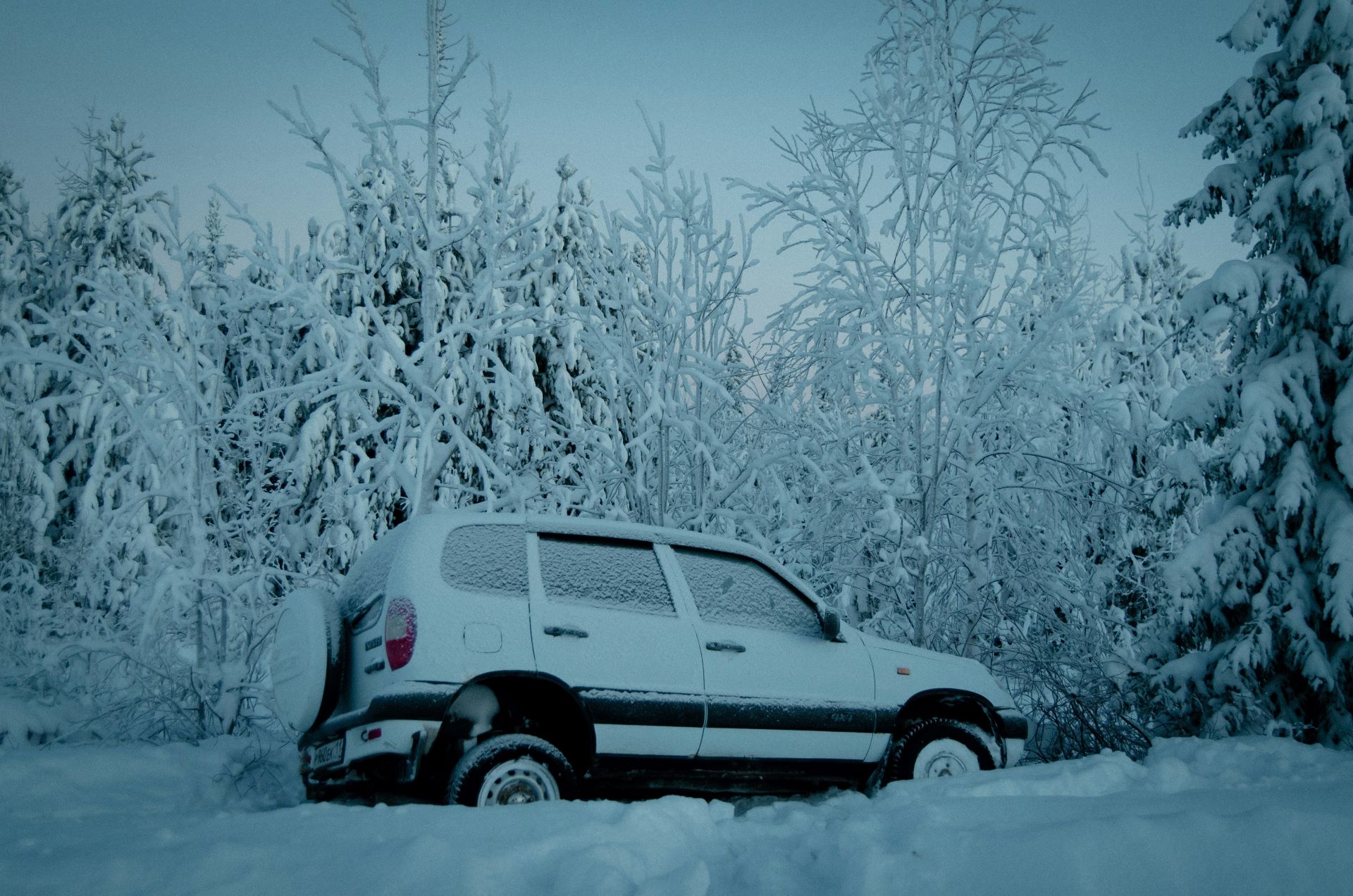
Understanding the Winter Driver Mindset
Marketing to snowbelt customers starts with empathy. Winter drivers are hyper-aware of the stakes: icy roads, reduced visibility, sudden blizzards, and unpredictable terrain. Safety is paramount, but so is comfort. Every winter-climate consumer is essentially balancing risk with the desire for mobility and autonomy. AWD vehicles promise a unique combination of control and reassurance. The challenge lies in communicating that promise without resorting to dry technicalities. Consumers are not merely buying a drivetrainÔÇöthey are buying peace of mind, confidence in adverse conditions, and the ability to maintain normalcy in an otherwise disruptive season.
Research consistently shows that drivers in snowy regions place premium value on reliability, stability, and traction. Marketing strategies must tap into this subconscious prioritization. Images of a vehicle effortlessly ascending a snow-covered incline or gracefully navigating a slush-laden street resonate far more powerfully than torque curves or horsepower statistics alone. These visuals transform technical advantages into lived experiences, bridging the gap between capability and imagination.
Crafting a Seasonal Narrative
The essence of ÔÇ£Snowbelt StorytellingÔÇØ lies in context. Campaigns must situate vehicles within relatable winter scenarios: early-morning school runs on icy roads, spontaneous weekend getaways to mountain retreats, or emergency errands in snowstorms. By embedding vehicles in these narratives, brands transform a mechanical feature into a lifestyle enabler.
Consider a campaign that begins with a quiet winter morning, the world blanketed in snow. The protagonist steps outside, greeted by the soft crunch of frost. A quick glance at the driveway reveals another seasonÔÇÖs challenge: compacted snow and a slippery incline. The AWD vehicle becomes the hero in this storyÔÇöresponding seamlessly, guiding the driver safely out into the world. Every curve, every acceleration, every brake is an opportunity to demonstrate mastery over winter hazards. Through such storytelling, brands position AWD vehicles not just as functional tools, but as partners in navigating lifeÔÇÖs seasonal extremes.
The power of narrative lies in relatability. Urban residents may appreciate depictions of congested, snow-packed city streets, while rural consumers resonate with images of remote, snow-draped roads where isolation heightens the stakes. Segmenting content according to geography and lifestyle ensures that the emotional resonance is maximized. The ultimate goal is to create a cognitive association: winter, snow, and safety are intrinsically linked to the AWD experience.
Visual Storytelling: Beyond Snowflakes
Visual content is the cornerstone of effective winter marketing. Still images, video content, and immersive media like virtual reality can communicate the dynamic benefits of AWD more viscerally than text alone. High-contrast photography highlighting snow-clad landscapes or icy urban streets conveys the environment, while the vehicleÔÇÖs motion demonstrates capability.
Cinematic storytelling also allows brands to emphasize subtle advantages. The controlled slide through a sharp bend, the steady climb up a hill after a fresh snowfall, or the ease of merging onto a slick highway all translate technical features into tangible benefits. Lighting plays a critical role: golden morning light reflecting off frost or headlights cutting through a snowstorm adds a layer of drama that reinforces the vehicleÔÇÖs reliability.
Interactive tools, such as digital simulations of winter driving conditions, further amplify engagement. Consumers can virtually test the vehicleÔÇÖs traction, steering responsiveness, and braking in hazardous conditions, bridging the gap between imagination and firsthand experience. These experiences are not just marketing gimmicksÔÇöthey instil confidence and foster brand trust.
Messaging that Resonates
Winter-climate drivers are analytical but also emotive. Marketing messaging must straddle this duality. Headlines like ÔÇ£Conquer Every Curve of WinterÔÇØ or ÔÇ£Confidence, No Matter the StormÔÇØ evoke emotion while subtly hinting at performance metrics. Copy should emphasize benefits: safety, stability, control, and versatility. Avoid overloading technical jargon; instead, translate features into tangible outcomes.
For example, instead of stating that an AWD system distributes torque variably between axles, communicate the consumer-facing advantage: ÔÇ£Seamless traction on icy roads ensures every journey is safe and controlled.ÔÇØ This approach respects the sophistication of the audience while ensuring clarity.
The tone should balance authority with empathy. Winter drivers are not seeking flashy promisesÔÇöthey want reassurance. Marketing copy must convey expertise and reliability, while connecting on a human level. Stories of families making it safely through unexpected blizzards, adventurers reaching untouched mountain peaks, or professionals commuting without delay illustrate practical benefits in relatable ways.
Leveraging Lifestyle Integration
Winter-driving narratives do not exist in isolationÔÇöthey intersect with broader lifestyle aspirations. Outdoor recreation, winter sports, and holiday travel all provide contextual frameworks for AWD marketing. Brands can create campaigns that depict vehicles enabling ski trips, mountain excursions, or weekend retreats, aligning product functionality with aspirational experiences.
Lifestyle integration also extends to digital content and social media engagement. User-generated content featuring customersÔÇÖ winter adventures can be amplified to reinforce authenticity. Influencer partnerships with winter sports athletes or travel enthusiasts provide aspirational touchpoints, showcasing AWD vehicles as essential enablers of winter experiences rather than mere commodities.
Additionally, highlighting interior comfort, climate control features, heated seats, and cabin warmth demonstrates sensitivity to consumer needs beyond mechanical performance. In extreme climates, luxury is inseparable from functionality. Marketing strategies should therefore integrate performance, comfort, and lifestyle elements holistically.
Seasonal Promotions and Engagement
Effective winter campaigns capitalize on seasonality to drive both interest and conversions. Early-winter campaigns can leverage anticipation, emphasizing preparedness and proactive safety. Mid-winter campaigns focus on mastery and enjoyment, highlighting how AWD vehicles enhance mobility during ongoing seasonal challenges. Late-winter messaging reinforces reliability and loyalty, reminding consumers that the vehicle remains a dependable partner even in residual snow and ice.
Promotions such as winter safety packages, complimentary winter tire upgrades, or seasonal service incentives can augment marketing narratives. These initiatives position the brand as attentive to consumer needs, fostering trust and encouraging engagement.
Events, both virtual and physical, further deepen connections. Test-drive experiences on snow-laden tracks allow consumers to feel the vehicleÔÇÖs capabilities firsthand, reinforcing confidence. Pop-up experiences in winter sports destinations or urban centers during peak snowfall can generate social media buzz, effectively turning winter challenges into marketing opportunities.
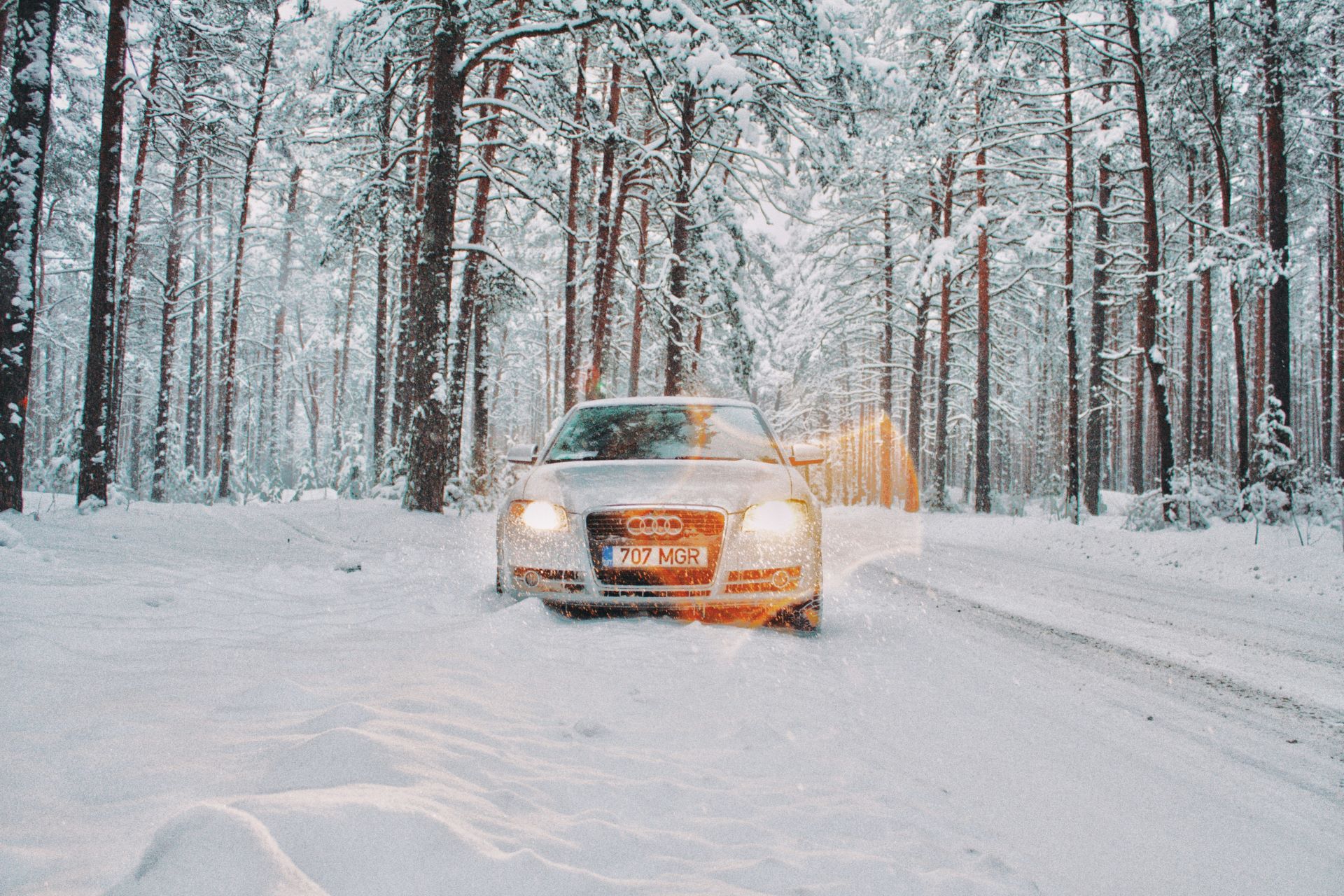
The Role of Technology in Storytelling
AWD vehicles are increasingly integrated with advanced driver-assistance systems (ADAS), traction control technologies, and predictive handling features. Marketing strategies must translate these complex technologies into clear, relatable benefits.
Interactive media can simulate emergency braking, traction loss recovery, or uphill acceleration, allowing consumers to appreciate the vehicleÔÇÖs intelligence. Messaging should position these technologies as enablers of confidence, not as abstract engineering marvels. Statements like ÔÇ£Intelligent traction keeps you moving when the road resistsÔÇØ communicate safety, reliability, and innovation simultaneously.
Storytelling can also highlight sustainability aspects where relevant. AWD systems paired with hybrid or electric drivetrains can reinforce brand values around environmental responsibility, even in winter conditions. Demonstrating that AWD vehicles can navigate snow-covered roads efficiently without compromising eco-conscious commitments adds a modern dimension to the narrative.
Building Brand Loyalty through Seasonal Storytelling
Winter marketing campaigns do more than sell vehiclesÔÇöthey cultivate long-term loyalty. By consistently integrating AWD benefits into seasonal storytelling, brands create emotional touchpoints that resonate year after year. Social media campaigns that encourage sharing winter journeys, loyalty programs offering winter service perks, and personalized communication highlighting vehicle readiness for seasonal challenges all reinforce brand connection.
Brands can also leverage archival storytelling, referencing historical campaigns or legacy vehicles that performed admirably in winter conditions. This strategy appeals to both tradition-conscious consumers and those seeking reassurance in proven expertise. It creates a lineage of trust, embedding the brand into the cultural narrative of winter driving.
Cultural Nuances in Snowbelt Marketing
Winter climates vary significantly, from the heavy, wet snows of coastal regions to the dry, powdery snow of alpine environments. Marketing strategies must account for these nuances, tailoring visual, textual, and experiential content accordingly. Urban consumers may prioritize maneuverability in crowded streets, while rural buyers may value rugged capability for remote roads. Understanding regional attitudes toward winter drivingÔÇöwhether cautious, adventurous, or habitualÔÇöenhances campaign resonance.
Language and imagery should reflect authenticity. Misrepresenting local conditions or oversimplifying challenges can undermine credibility. On the other hand, accurate and culturally sensitive representations of winter conditions foster trust, positioning the brand as a knowledgeable and empathetic partner.
Integrating Digital Channels
Digital marketing plays a critical role in modern AWD storytelling. Social media, immersive video, and interactive content allow brands to reach winter-climate customers effectively and efficiently. Geo-targeted campaigns can highlight region-specific challenges, while retargeting ensures ongoing engagement.
Email campaigns can educate consumers about winter preparedness, vehicle maintenance tips, and AWD advantages, reinforcing brand authority. Podcasts, webinars, and virtual events can provide deeper insights, positioning the brand as a thought leader in winter mobility. Online configurators that simulate winter driving scenarios allow consumers to visualize the impact of AWD systems, enhancing both engagement and conversion potential.
Measuring Impact and Refining Strategy
Finally, effective Snowbelt Storytelling requires continuous evaluation. Metrics such as engagement rates, test-drive requests, seasonal sales trends, and social media sentiment provide insights into campaign efficacy. Consumer feedback gathered during winter events or online interactions informs iterative improvements.
Brands should remain flexible, adapting messaging, visuals, and experiential offerings to evolving winter patterns and consumer expectations. A data-informed approach ensures that storytelling remains relevant, resonant, and persuasive, even as climates, technologies, and lifestyles change.
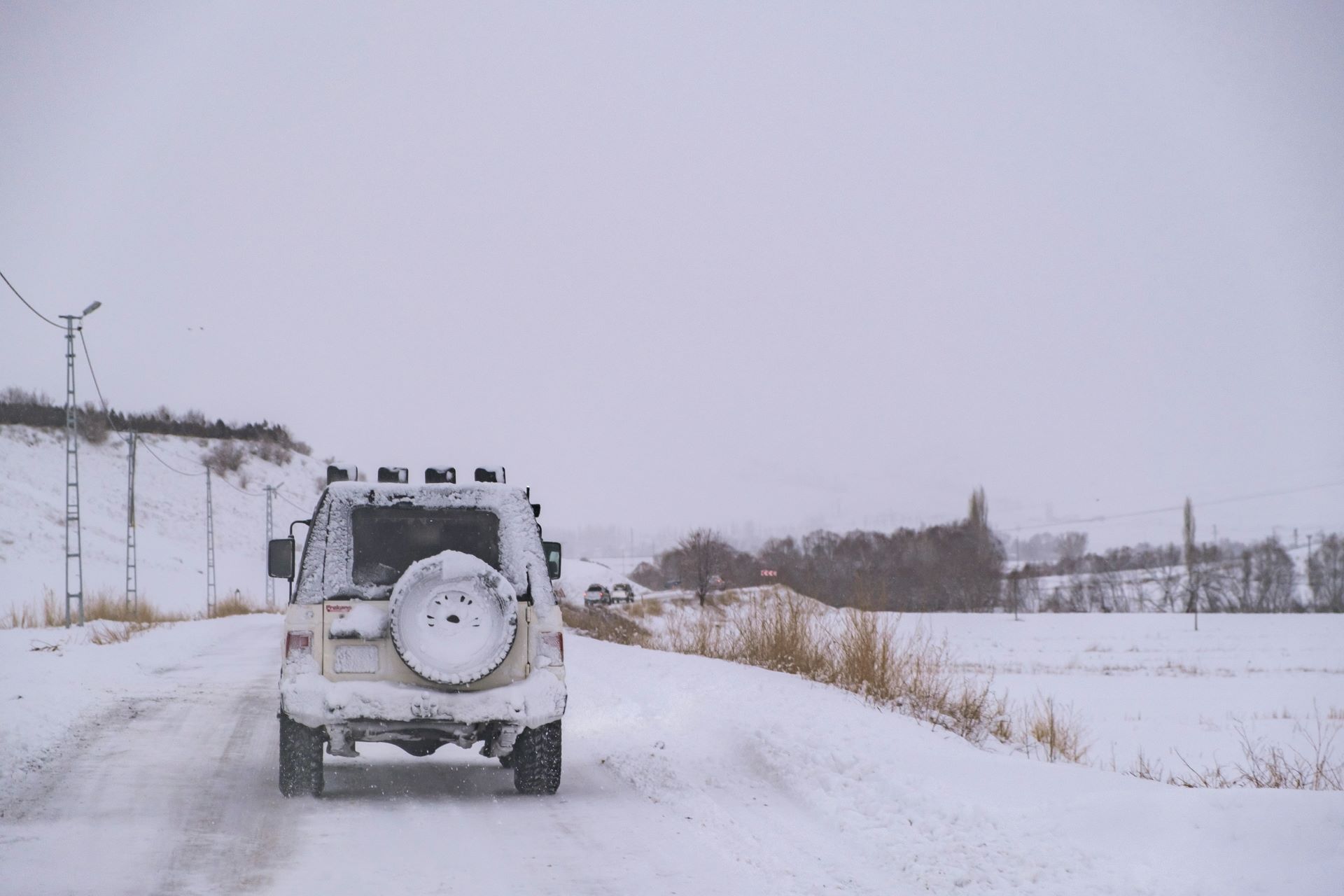
Marketing AWD vehicles to winter-climate customers demands more than a focus on engineering and performance. It requires immersive storytelling that blends safety, capability, lifestyle, and emotion. Snowbelt Storytelling transforms winter challenges into marketing opportunities, positioning AWD vehicles as indispensable partners in navigating seasonal extremes. Through empathetic messaging, visual drama, lifestyle integration, and digital innovation, brands can craft campaigns that resonate deeply with winter drivers, fostering both immediate engagement and long-term loyalty.
In the world of winter driving, an AWD vehicle is not just a carÔÇöit is freedom, confidence, and reliability distilled into steel, rubber, and engineering excellence. For brands, the story is clear: connect, empathize, and inspire, and winter will no longer be a season of challenge but an opportunity for mastery and adventure.
Breyten Odendaal
Specializing in high-performance automotive advertising and digital marketing solutions, delivering cutting-edge insights and the latest news shaping the automotive industry in South Africa.
More From Advertising

Automotive Advertising in 2026: Selling Confidence in a More Competitive Market
As South Africa’s vehicle market becomes more competitive, automotive advertising needs to do more than announce a price or specification. It needs to help buyers understand value, ownership costs and why a vehicle suits their lives.

Automotive Digital Ads in South Africa: A Shift
Exploring how South Africa’s automotive advertising evolved from print and broadcast to data-driven, programmatic digital ecosystems.

The Video Shift in Car Buying Decisions in SA
Explore how video content shapes car purchase decisions in South Africa, comparing short-form and long-form strategies for automotive marketers.