
In recent years, the automotive landscape has undergone a profound transformation. Traditional models of car ownership are increasingly complementedÔÇöor even replacedÔÇöby shared mobility options and micro-mobility solutions. Urbanisation, environmental concerns, and evolving consumer expectations are driving this shift, offering automotive brands a unique opportunity to rethink how they engage with audiences. Marketing campaigns around smart mobility solutions require a blend of technological insight, consumer psychology, and strategic creativity.
The Rise of Shared Mobility
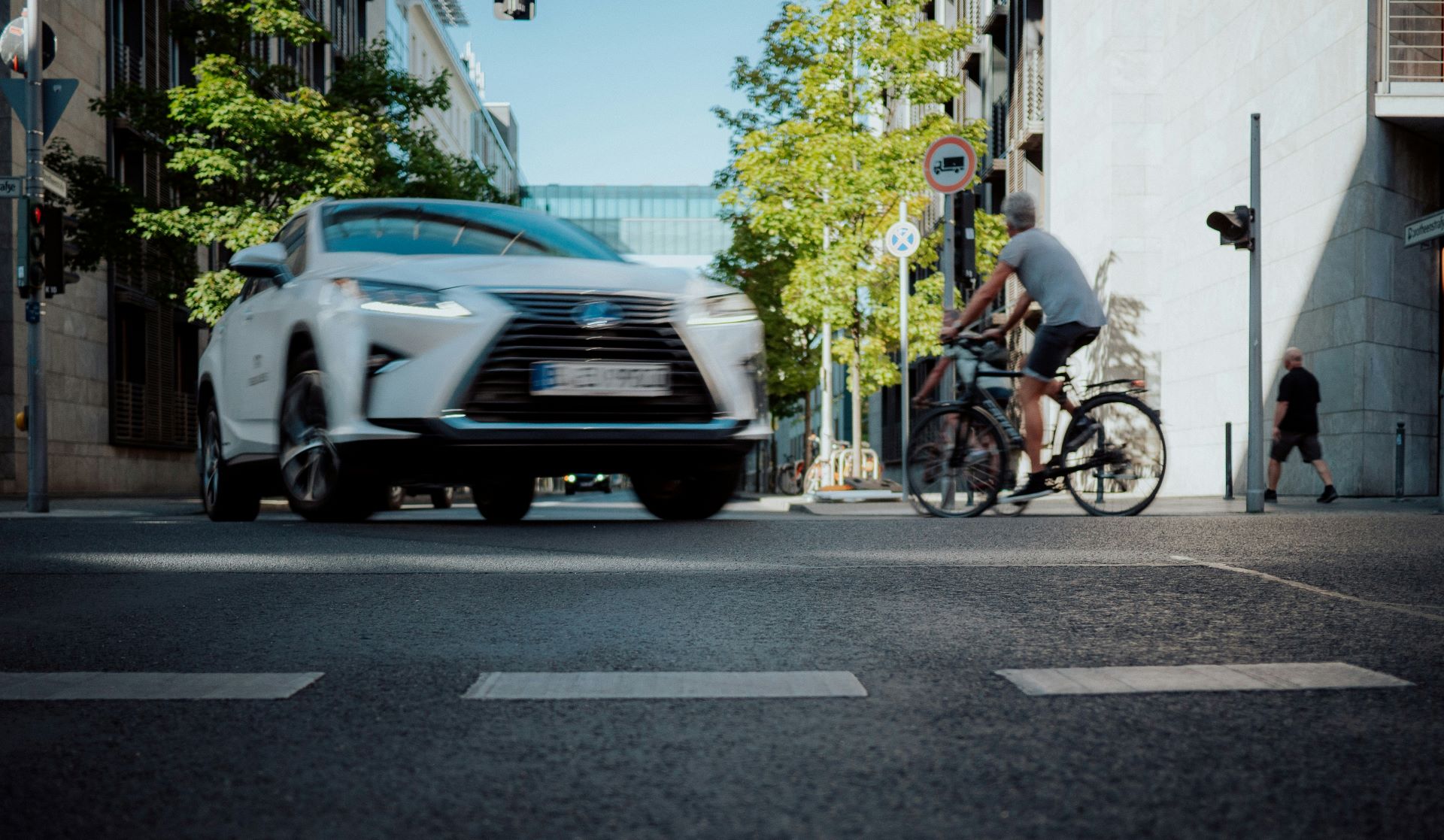
Car sharing has grown from a niche concept to a mainstream transportation model in metropolitan areas worldwide. Services such as Zipcar, ShareNow, and Waze Carpool have not only made vehicle access more flexible but have also repositioned mobility as a service rather than a product. Automotive brands embracing shared mobility must frame their messaging to reflect this evolution. It is no longer just about owning a car; it is about convenience, sustainability, and urban efficiency.
Marketing campaigns for car-sharing services succeed when they emphasise the lifestyle benefits. Urban dwellers prioritize time efficiency, cost savings, and reduced environmental impact. Campaigns often highlight the seamless integration of app-based bookings, flexible access, and intelligent routing systems. Influencer marketing and localized social media campaigns can reinforce these benefits, creating a narrative that shared mobility is not only practical but aspirational.
Micro-Mobility and the Urban Shift
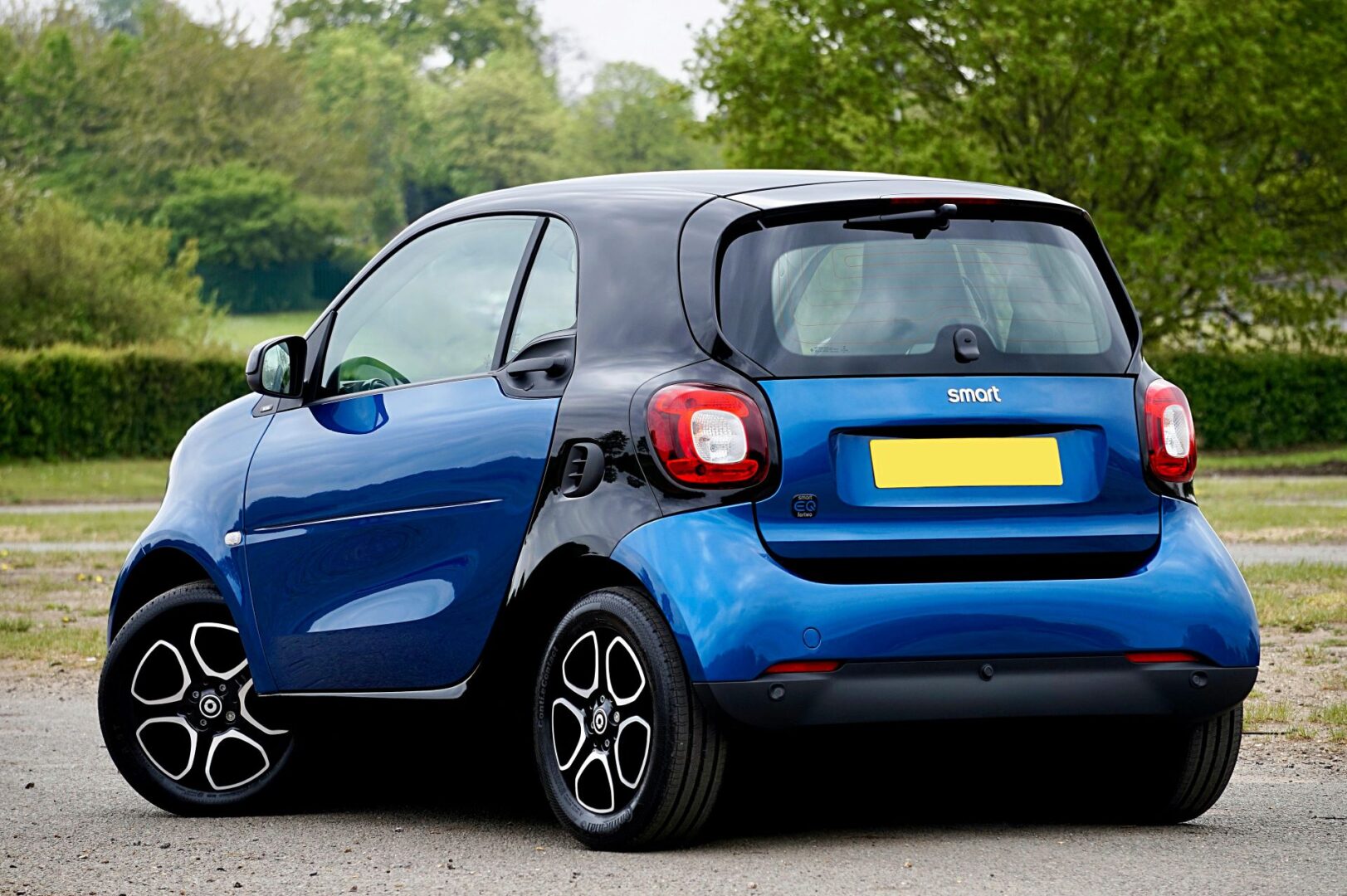
Parallel to car sharing, micro-mobilityÔÇöscooters, e-bikes, and other lightweight personal vehiclesÔÇöhas emerged as a viable solution for urban congestion. Unlike traditional cars, micro-mobility options address ÔÇ£last-mileÔÇØ challenges, offering commuters a convenient way to traverse dense cityscapes. Marketing strategies for micro-mobility solutions must tap into urban lifestyle narratives, highlighting freedom of movement, eco-friendliness, and time-saving advantages.
Campaigns focusing on micro-mobility often leverage experiential marketing, allowing potential users to engage with products directly. Pop-up activation zones in high-traffic urban areas, test-ride events, and interactive digital simulations enable users to experience convenience firsthand. Storytelling in this context is crucial: successful campaigns depict not just a product, but a transformation of urban livingÔÇöfaster commutes, reduced emissions, and more vibrant city experiences.
Leveraging Data-Driven Campaigns
One of the most powerful tools in promoting smart mobility solutions is data. The integration of IoT and connected vehicle technology allows automotive brands to understand how, when, and where users interact with their vehicles. Marketing campaigns can harness this data to deliver highly personalised messages, target micro-segments, and optimise engagement.
For example, location-based campaigns can offer incentives to users in high-traffic areas or during peak commuting hours. Behavioural insightsÔÇösuch as travel patterns, ride frequency, and vehicle preferencesÔÇöallow for predictive marketing. By tailoring messaging to individual user journeys, brands enhance relevance, driving adoption rates and brand loyalty.
Environmental Narratives and Sustainability Messaging
Sustainability remains a compelling driver in mobility marketing. Campaigns promoting car sharing and micro-mobility must integrate environmental storytelling to resonate with increasingly eco-conscious audiences. Highlighting reductions in carbon emissions, fuel savings, and urban congestion positions shared mobility solutions not just as convenient, but as socially responsible choices.
Campaigns can emphasise collective impact. For instance, illustrating how a community of users reduces city-wide emissions over time creates a sense of purpose. Partnerships with local municipalities or environmental organisations can further validate these initiatives. Visual storytelling, from infographics to immersive video experiences, reinforces the message that users are part of a larger movement toward sustainable urban living.
Multi-Channel Engagement Strategies
Smart mobility campaigns require nuanced multi-channel strategies. Digital platforms dominate, with apps serving as both product and marketing channel. Social media, search advertising, and content marketing allow brands to educate users, provide real-time updates, and foster community engagement.
Yet, traditional channels remain relevant. Outdoor advertising in urban hubs, transport shelters, and commuter corridors reinforces brand visibility. Experiential campaignsÔÇöurban pop-ups, demo zones, and influencer-led toursÔÇöprovide tactile experiences that digital ads cannot. The convergence of digital and physical touchpoints ensures consistent brand messaging and maximises user engagement.
Storytelling and Brand Personality
At the heart of effective smart mobility campaigns lies storytelling. Consumers are not merely purchasing access to a vehicle; they are engaging with a brand ethos. Campaigns that humanise technology, featuring real users and authentic urban experiences, resonate most strongly.
For example, campaigns may feature narratives of young professionals navigating city life, parents streamlining school runs, or students commuting efficiently while balancing studies and social life. Each story positions shared mobility as an integral part of a modern lifestyle, creating emotional connections that extend beyond functional utility.
Partnerships and Ecosystem Marketing
The success of smart mobility campaigns often hinges on strategic partnerships. Collaborating with technology providers, city councils, and complementary services like public transport, parking solutions, and local businesses amplifies reach and credibility.
Cross-promotional campaignsÔÇösuch as discounts for users combining shared vehicles with public transitÔÇöcreate added value while demonstrating integration into urban infrastructure. Such initiatives strengthen positioning, portraying the brand as a forward-thinking contributor to holistic urban mobility solutions.
Gamification and Incentivisation
Gamification strategies can further drive engagement. Reward systems, loyalty points, and achievement badges encourage repeat usage and brand advocacy. Campaigns leveraging gamification often integrate social elements, enabling users to compete, share achievements, and form communities.
For example, campaigns might reward users for reducing carbon footprints, completing multi-modal commutes, or using shared vehicles during off-peak hours. These campaigns not only increase engagement but also reinforce the brandÔÇÖs sustainability narrative.
Challenges and Considerations
Despite the opportunities, marketing smart mobility solutions comes with challenges. Behavioural change remains difficult; many consumers are deeply ingrained in traditional car ownership models. Campaigns must overcome skepticism, particularly around safety, convenience, and cost-effectiveness.
Data privacy and security are also critical concerns. Brands must communicate transparency in data usage while ensuring that personal information is protected. Regulatory compliance, particularly in urban environments, adds another layer of complexity that campaigns must address through messaging and operational alignment.
The Future of Smart Mobility Marketing
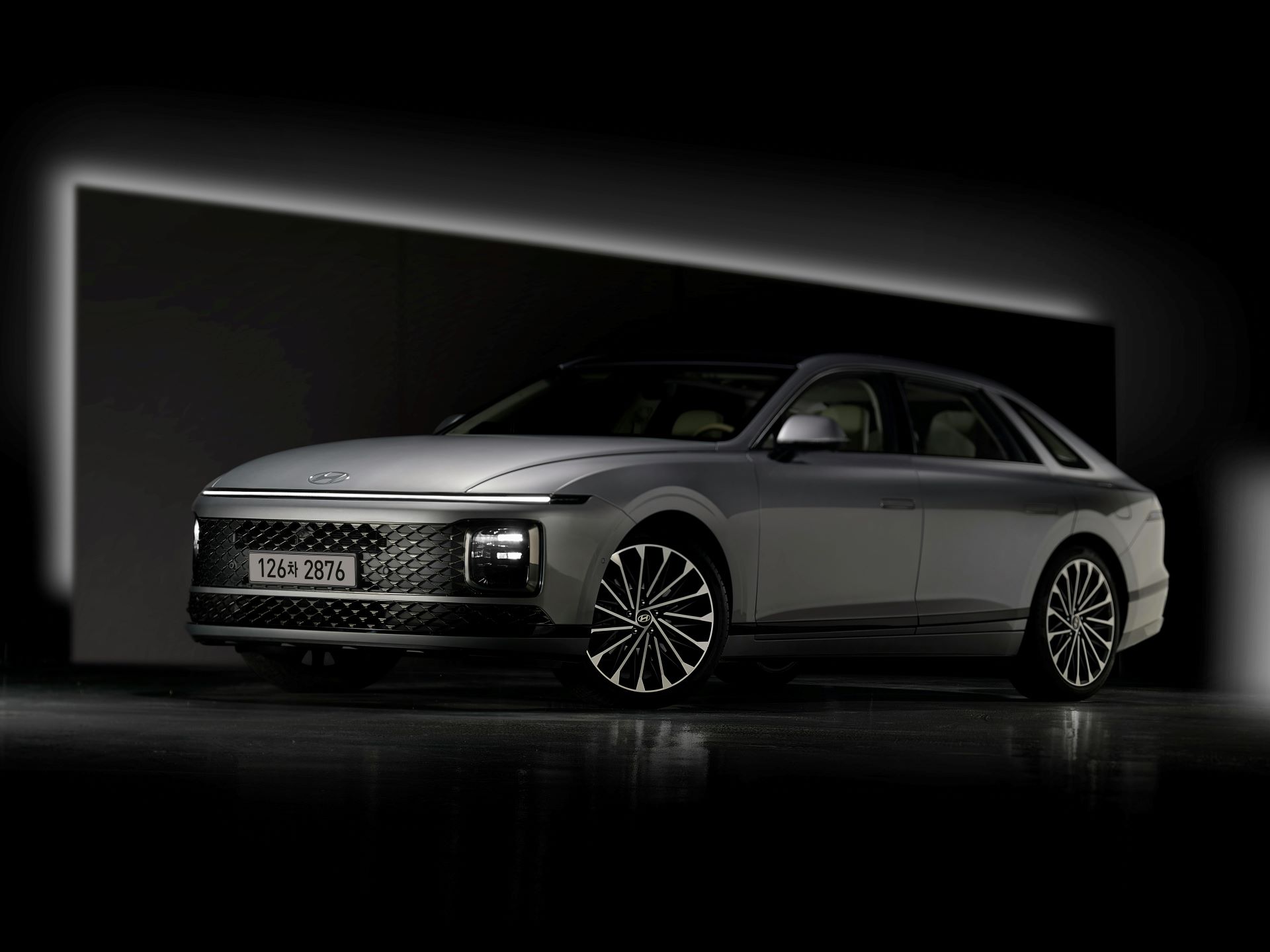
Looking ahead, smart mobility campaigns will increasingly blend artificial intelligence, augmented reality, and predictive analytics. AI-driven personalisation will create highly tailored experiences, while AR may offer immersive previews of urban journeys. Marketing will move beyond promotion, becoming a dynamic element of the user journey itself.
Automotive brands that embrace this evolution will not only drive adoption but shape the perception of mobility itself. By combining compelling storytelling, data-driven insights, environmental responsibility, and multi-channel engagement, smart mobility campaigns position brands at the forefront of a transformative era in urban transportation.
Breyten Odendaal
Specializing in high-performance automotive advertising and digital marketing solutions, delivering cutting-edge insights and the latest news shaping the automotive industry in South Africa.
More From Advertising

Automotive Advertising in 2026: Selling Confidence in a More Competitive Market
As South Africa’s vehicle market becomes more competitive, automotive advertising needs to do more than announce a price or specification. It needs to help buyers understand value, ownership costs and why a vehicle suits their lives.

Automotive Digital Ads in South Africa: A Shift
Exploring how South Africa’s automotive advertising evolved from print and broadcast to data-driven, programmatic digital ecosystems.

The Video Shift in Car Buying Decisions in SA
Explore how video content shapes car purchase decisions in South Africa, comparing short-form and long-form strategies for automotive marketers.