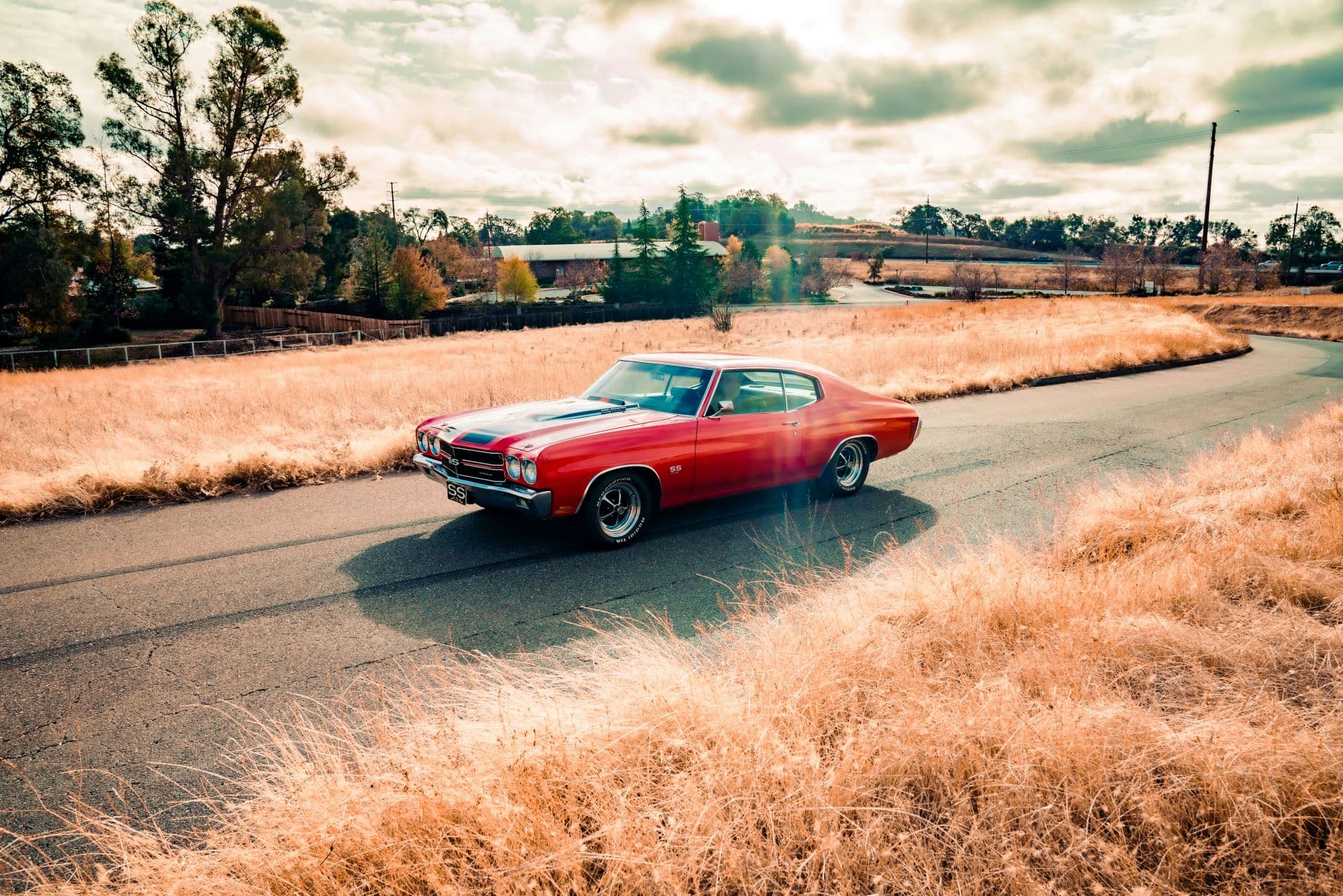
Rural markets present a unique landscape for automotive advertising. The tranquil charm of small towns often masks a web of complexities that challenge the automotive industryÔÇÖs ability to engage with these communities. While the idealistic image of rolling fields and tight-knit neighborhoods might seem like fertile ground for brand loyalty, the reality is far more nuancedÔÇöand often far less encouraging.
Automotive advertising in rural areas is typically expected to celebrate community values, practicality, and durability. However, these expectations clash with the challenges of limited media access, economic constraints, and a cultural mindset that values familiarity over novelty. Despite decades of effort, many brands struggle to crack the code of effectively advertising to rural consumers, leaving significant opportunities untapped or outright missed.
This article explores the negative realities behind advertising cars in rural markets, from cultural and economic obstacles to persistent misalignments in marketing strategies. By examining these issues, we uncover why this sector remains one of the automotive industryÔÇÖs most underperforming and misunderstood territories.
Understanding Rural Markets
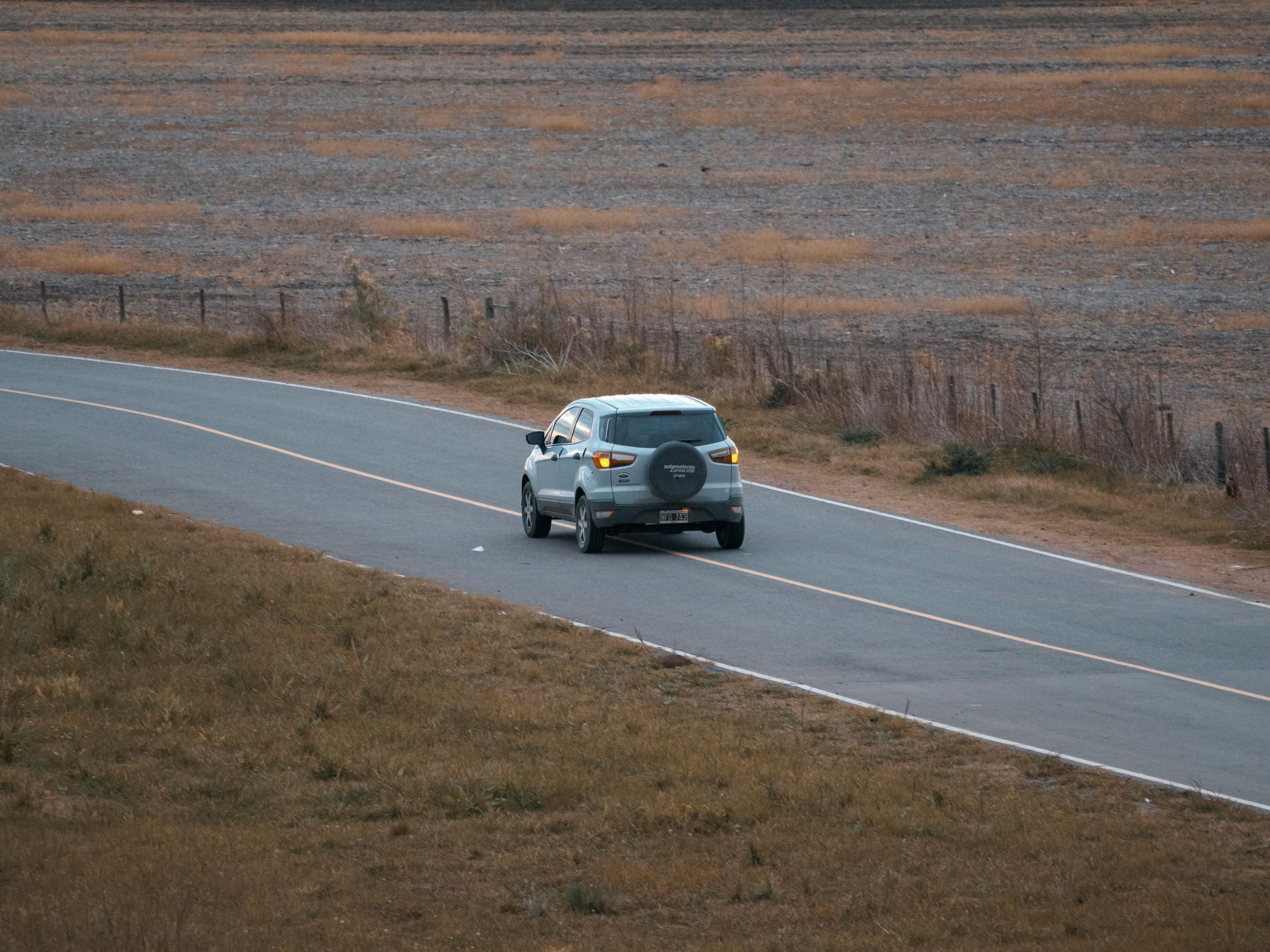
Rural markets differ fundamentally from their urban counterparts, both in demographics and economic conditions. These areas are often characterized by smaller, older populations with lower income levels and limited discretionary spending. For many rural households, purchasing a car is a long-term decision shaped by necessity rather than luxury.
Economic limitations exacerbate the challenges. Rural residents often lack access to diverse financing options, making affordability a critical factor in purchasing decisions. Unlike urban areas where leasing or monthly plans dominate, rural buyers are more likely to prioritize outright ownership, often settling for older, second-hand models rather than new vehicles.
Culturally, rural communities tend to favor practicality and reliability over aesthetics and innovation. Pickup trucks and SUVs dominate these markets due to their utility for agricultural and labor-intensive tasks. Flashy features or cutting-edge technology, often touted in advertisements, may alienate buyers who prioritize functionality and cost-effectiveness. Additionally, a strong sense of tradition and conservatism means that many rural consumers prefer brands with longstanding reputations, leaving little room for newcomers to penetrate the market.
Advertising Challenges
Advertising in rural markets is fraught with logistical and strategic hurdles. One of the most significant barriers is the lack of accessible media channels. Unlike urban areas, where digital advertising and social media platforms thrive, rural markets often lack the necessary digital infrastructure. Poor internet connectivity and limited smartphone adoption mean that brands relying on online campaigns miss a significant portion of their audience.
Traditional advertising methods, such as radio and local newspapers, still dominate in these regions. However, their reach is often limited and fragmented, making it challenging to deliver a cohesive message across a dispersed audience. Television ads, while more effective, are expensive and can struggle to resonate with the specific values and needs of rural consumers.
Targeting is another critical issue. Rural populations are spread across vast geographic areas, making it costly and inefficient to deliver localized campaigns. Sparse populations also mean that billboard and in-person activations, often successful in urban centers, yield minimal impact in rural settings.
The content of advertisements frequently compounds these challenges. Slick, high-budget ads showcasing luxury features or urban lifestyles often fail to connect with rural audiences, who view such imagery as irrelevant or aspirational at best. The lack of relatability leads to distrust, with many rural consumers perceiving automotive brands as out-of-touch with their realities.
Local Competition and Brand Loyalty
Rural markets are often dominated by strong local competition and deeply entrenched brand loyalties. Local dealerships with decades-long relationships with their communities hold a significant advantage over national or international brands attempting to establish a foothold. These dealerships are often perceived as more trustworthy, thanks to their personalized service and understanding of local needs.
Brand loyalty in rural areas is also remarkably resilient. Families often stick with the same brand for generations, driven by a combination of habit, satisfaction, and skepticism toward new entrants. This loyalty creates a high barrier to entry for new players, forcing them to invest heavily in building trustÔÇöan effort that can take years with no guarantee of success.
Word-of-mouth remains a dominant force in rural car sales. Personal recommendations from neighbors and friends carry more weight than advertising campaigns, regardless of how well-crafted they may be. This dynamic further complicates the ability of automotive brands to influence purchase decisions through conventional marketing tactics.

Case Study Analysis
A notable example of the challenges faced in rural advertising comes from a major car manufacturerÔÇÖs failed campaign to introduce an electric vehicle (EV) to rural markets. The campaign emphasized environmental benefits and cutting-edge technology, featuring sleek visuals of urban settings and charging infrastructure.
However, the campaign fell flat in rural areas. The brand underestimated the limited charging infrastructure in these regions, making the EV impractical for most residents. Additionally, the focus on environmental messaging failed to resonate with rural consumers, many of whom prioritize cost and utility over sustainability. The advertisementsÔÇÖ urban-centric imagery further alienated potential buyers, reinforcing the perception that the brand did not understand their needs.
The missteps highlight a recurring issue: brands often fail to tailor their strategies to the unique realities of rural markets. Despite substantial investments, the campaign not only underperformed but also damaged the brandÔÇÖs reputation in these communities.
Environmental and Economic Concerns
The environmental and economic implications of automotive sales in rural areas present additional challenges. While cars are often marketed as essential for rural mobility, they also contribute to environmental degradation, including air pollution and habitat disruption. Many advertising campaigns gloss over these impacts, focusing instead on performance and lifestyle narratives that feel disconnected from the environmental realities of rural living.
Economically, the high costs of fuel, maintenance, and repairs place a significant burden on rural households. Advertisements promoting advanced features or luxury upgrades can seem tone-deaf to consumers already struggling to afford basic transportation. This disconnect highlights the need for more honest and pragmatic messaging that acknowledges the economic pressures faced by rural buyers.
Future Outlook and Recommendations
While some trends hint at potential improvements in rural automotive advertising, the pace of change remains slow. Emerging technologies such as satellite internet and localized digital platforms may eventually enable more effective targeting. However, without significant investment and commitment from automotive brands, these advancements are unlikely to yield meaningful results in the near term.
To avoid common pitfalls, brands must prioritize authenticity and relatability in their messaging. Collaborating with local dealerships, leveraging word-of-mouth networks, and tailoring campaigns to emphasize practicality over luxury are critical steps. Additionally, investing in infrastructure and community engagement can help brands build the trust necessary to succeed in rural markets.
Despite these opportunities, the outlook remains pessimistic. The disconnect between rural consumer needs and the strategies employed by automotive advertisers is deeply entrenched, and the industry shows little urgency in addressing these issues. Until brands take meaningful steps to adapt, rural markets will likely remain underserved and underperforming.
Advertising cars in rural markets is a complex and often frustrating endeavor. The unique dynamics of these areasÔÇöfrom economic constraints and cultural preferences to limited media accessÔÇöpose significant challenges for even the most seasoned marketers. Despite decades of effort, the automotive industry continues to struggle with connecting authentically to rural consumers, leaving many campaigns to fall short of their goals.
The need for more effective advertising strategies is clear, yet the industryÔÇÖs progress remains slow and uncertain. Until automotive brands are willing to confront these challenges head-on, rural markets will continue to represent a missed opportunity fraught with obstacles and unmet potential.
Breyten Odendaal
Specializing in high-performance automotive advertising and digital marketing solutions, delivering cutting-edge insights and the latest news shaping the automotive industry in South Africa.
More From Advertising

Automotive Advertising in 2026: Selling Confidence in a More Competitive Market
As South Africa’s vehicle market becomes more competitive, automotive advertising needs to do more than announce a price or specification. It needs to help buyers understand value, ownership costs and why a vehicle suits their lives.

Automotive Digital Ads in South Africa: A Shift
Exploring how South Africa’s automotive advertising evolved from print and broadcast to data-driven, programmatic digital ecosystems.

The Video Shift in Car Buying Decisions in SA
Explore how video content shapes car purchase decisions in South Africa, comparing short-form and long-form strategies for automotive marketers.