
The global shift toward electric vehicles (EVs) is no longer on the horizonÔÇöitÔÇÖs in motion. Yet, even as major automakers electrify their lineups and regulatory bodies push toward net-zero emissions, a sizeable portion of the global automotive market remains stubbornly committed to internal combustion engine (ICE) vehicles. These regionsÔÇöranging from parts of Africa and Asia to the rural heartlands of North America and AustraliaÔÇöare proving to be some of the most difficult terrain for EV adoption.
The question isnÔÇÖt just how to sell EVs. ItÔÇÖs how to change minds.
This article examines the psychological, economic, and infrastructural barriers still favouring combustion vehicles and outlines strategies that marketers, manufacturers, and policymakers can use to drive EV adoption in reluctant markets.
Understanding the Skeptic: Who Are We Trying to Convince?
The Practical Buyer
This consumer isnÔÇÖt anti-EVÔÇötheyÔÇÖre just unconvinced it fits their life. Maybe they live 300km from the nearest urban hub, drive long distances regularly, or need a workhorse vehicle for tough conditions. Their concern is: ÔÇ£Will this actually work for me?ÔÇØ
The Economic Realist
They donÔÇÖt care about zero emissions or the tech bells and whistles. Their bottom line is the cost of ownership. Can they afford the purchase price, and will the running costs actually be lower? If not, theyÔÇÖre sticking with their diesel bakkie or petrol hatchback.
The Cultural Loyalist
For this group, ICE cars arenÔÇÖt just a means of transportÔÇötheyÔÇÖre a symbol. Car culture, performance tuning, and engine noise are part of their identity. EVs seem like an erasure of the automotive soul.
The Misinformed
These consumers base their opinions on outdated information: ÔÇ£EV batteries only last five years,ÔÇØ ÔÇ£The grid canÔÇÖt handle mass charging,ÔÇØ or ÔÇ£EVs are worse for the environment.ÔÇØ They need education, not just persuasion.
Market Realities: Why Some Regions Remain ICE Strongholds
Infrastructure Deficiency
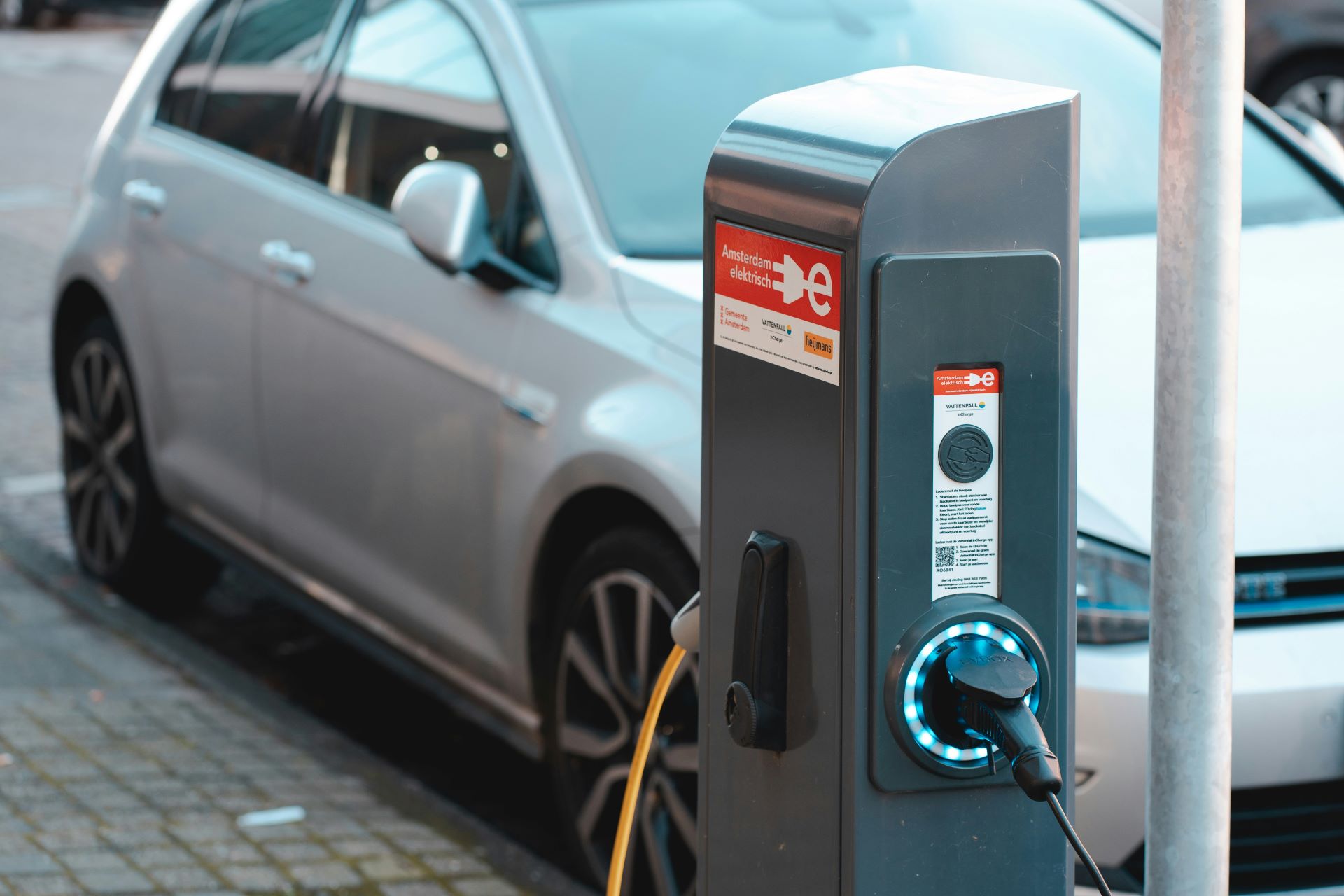
One of the most cited reasons for slow EV uptake is the lack of charging infrastructure. In countries like South Africa, where load shedding still disrupts daily life, or in rural Australia, where EV chargers are rare, this is a legitimate concern.
Energy Insecurity and Grid Reliability
ItÔÇÖs not just about the number of chargersÔÇöitÔÇÖs about whether the grid can support them. Without stable energy provision, range anxiety turns into range reality.
Import Duties and Policy Gaps
Many emerging markets impose higher duties on EVs compared to ICE imports. In places with minimal subsidies or tax incentives, EVs are not only more expensiveÔÇötheyÔÇÖre economically illogical.
Legacy Vehicle Ecosystems
A market saturated with ICE-friendly servicesÔÇörepair shops, fuel stations, parts distributorsÔÇöcreates an ecosystem that's difficult to disrupt. EVs are unfamiliar, and local mechanics may lack the training to support them.
Reframing the Narrative: How to Shift Perceptions
EVs ArenÔÇÖt Just ÔÇ£GreenÔÇØÔÇöTheyÔÇÖre Smart, Safe, and Superior
Marketers must move beyond environmental appeals. Highlight the superior driving experienceÔÇöinstant torque, quiet operation, lower running costs, cutting-edge safety features. Reframe the EV as a technological leap forward, not just a sustainable alternative.
Localised Storytelling
Tailor marketing messages to resonate with regional values. In rugged terrains, frame EVs as resilient and capable. In economically conservative markets, highlight long-term cost savings. In culturally proud automotive communities, appeal to engineering excellence.
Real-World Testimonials
Nothing sells better than success stories. Showcase testimonials from real EV users in traditionally ICE-dominant regions. Use social proof to show that EVs are not only viableÔÇötheyÔÇÖre desirable.
Address Misconceptions Head-On
Instead of avoiding misinformation, tackle it directly through informative campaigns, community outreach, and brand ambassadors. Education can be a powerful form of persuasion.
Infrastructure is Marketing: Public-Private Synergy
Charging Availability is a Selling Point
OEMs should partner with government and energy providers to expand charging networks, then promote these partnerships as part of their marketing efforts. ÔÇ£WeÔÇÖve installed 200 new chargers in your provinceÔÇØ is both PR and practical value.
Mobile and Off-Grid Charging Solutions
In regions with energy insecurity, portable and solar-powered charging stations can be a unique value proposition. Brands could even offer powerbanks for EVs, not unlike whatÔÇÖs offered for phones.
Dealership-Led Infrastructure Pilots
Encourage EV-friendly dealerships to offer fast-charging facilities and service support. When consumers see the commitment at the retail level, confidence in the product increases.
Affordability: The EV Elephant in the Room
Affordable Models and Leasing Options
Mass adoption won't happen through luxury EVs alone. Introduce budget-friendly models and offer innovative financing like battery leasing, flexible contracts, or shared mobility plans.
Incentive Engineering
Where governments fall short on subsidies, OEMs can offer rebates, free charging for a year, or trade-in bonuses for ICE vehicles. Private sector incentives can stimulate the market.
Total Cost of Ownership Education
Break down costs for the consumerÔÇögraphically and simply. Show them how fuel, maintenance, and tax savings make up for the higher initial price. Translate abstract savings into daily realities.
Cultural and Emotional Strategies
Making EVs Aspirational
Feature EVs in pop culture. Sponsor events. Collaborate with local influencers. Make owning an EV a sign of modernity, not elitism. In some markets, coolness counts more than carbon footprints.
Performance Matters
Highlight EV capabilities: 0ÔÇô100 km/h in under 5 seconds. Superior traction control. Silent speed. For enthusiasts, these stats speak louder than emissions charts.
Tap Into Local Pride
Build or assemble EVs locally. Frame it as national progress. ÔÇ£Built for our roads, by our peopleÔÇØ carries far more resonance than a foreign import.
Sales and Service: Closing the Confidence Gap
Empower Dealers
Sales staff should be EV champions, not reluctant participants. Train them intensively, incentivise EV sales, and ensure they can answer tough questions confidently.
Service Confidence
Support independent workshops with EV training. Ensure parts availability. Offer robust warranties and mobile service options. Confidence in after-sales support is critical.
Trial Experiences
Provide extended test drive programmes or subscription-based ownership trials. Getting consumers behind the wheel is often the tipping point.
Policy Pressure and Advocacy
Engage Policymakers
Work with governments to reduce import duties, offer incentives, and create EV-friendly urban policies (e.g. reduced tolls, parking benefits, EV-only lanes).
Policy as a Marketing Lever
If regions adopt progressive EV policies, brands can ride the wave. Campaigns like ÔÇ£Time to SwitchÔÇØ or ÔÇ£Your City is Going ElectricÔÇöAre You?ÔÇØ can capitalise on legislative momentum.
Changing Minds Before Changing Cars
Marketing EVs in ICE-dominated regions isnÔÇÖt about pushing productÔÇöitÔÇÖs about reshaping perceptions, removing barriers, and inspiring belief. It requires a holistic approach that blends economic rationale with emotional appeal, supported by infrastructure, policy, and authentic storytelling.
The transition to electric mobility isnÔÇÖt just a technological shift. ItÔÇÖs a cultural one. And in markets where resistance remains high, success lies not in selling a car, but in selling a new way to moveÔÇöand to think.
Breyten Odendaal
Specializing in high-performance automotive advertising and digital marketing solutions, delivering cutting-edge insights and the latest news shaping the automotive industry in South Africa.
More From Advertising

Automotive Advertising in 2026: Selling Confidence in a More Competitive Market
As South Africa’s vehicle market becomes more competitive, automotive advertising needs to do more than announce a price or specification. It needs to help buyers understand value, ownership costs and why a vehicle suits their lives.

Automotive Digital Ads in South Africa: A Shift
Exploring how South Africa’s automotive advertising evolved from print and broadcast to data-driven, programmatic digital ecosystems.

The Video Shift in Car Buying Decisions in SA
Explore how video content shapes car purchase decisions in South Africa, comparing short-form and long-form strategies for automotive marketers.