A Quiet Revolution
The global automotive industry is undergoing a seismic shift. No longer content to merely trumpet horsepower figures or performance stats, today's carmakers are exploring an entirely new lexiconÔÇöone that whispers instead of roars. With the meteoric rise of electric vehicles (EVs), a profound transformation in car advertising is underway. ItÔÇÖs not just the propulsion systems that are evolving; it's the storytelling, the symbols, and the very soul of automotive marketing.
Selling the silence has become a sophisticated artÔÇöone that requires brands to pivot from decades of noise-driven bravado to a quieter, cleaner, and often more emotionally nuanced narrative.
This article explores how EV marketing is reshaping traditional car advertising strategies. From the psychology of silence to the rise of sustainability narratives, from cinematic minimalism to a data-driven arms race in digital spaces, the marketing of electric vehicles has become a masterclass in reinvention.
From Roar to Whisper ÔÇö The New Language of Performance
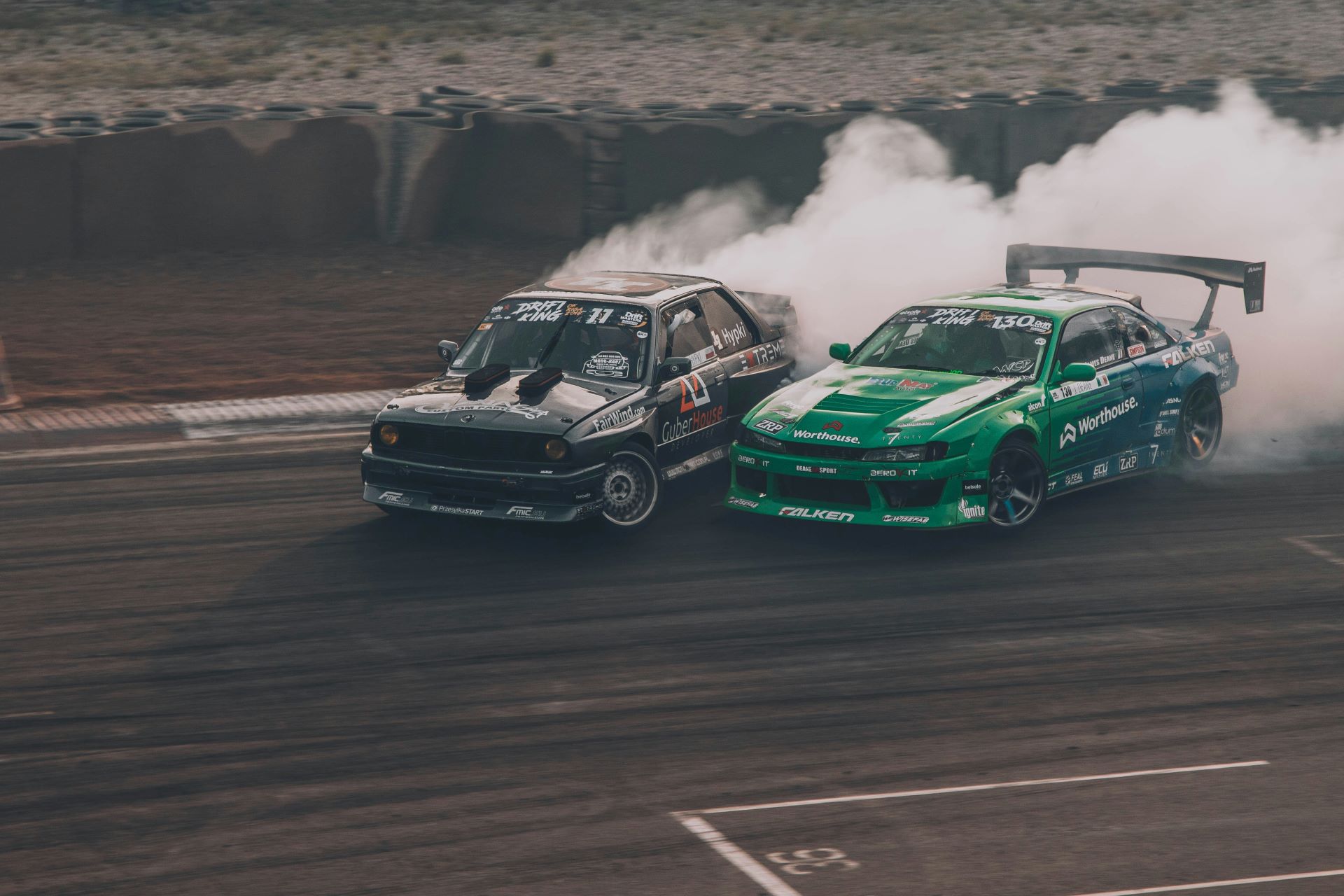
Historically, automotive marketing thrived on sensory overload. The guttural growl of a V8, the smoke of spinning tyres, and the adrenaline of speed framed an aspirational image of freedom and power. Internal combustion wasnÔÇÖt just an engineering featÔÇöit was a feeling, a symphony of mechanical passion.
EVs, in contrast, operate in silence.
Early marketing efforts often grappled with this shift. Could performance be emotional without the auditory drama? Tesla answered with acceleration metrics that bordered on absurdÔÇö0ÔÇô100 km/h in under 3 secondsÔÇöwhile brands like Porsche and Audi fused luxury with near-silent speed.
But as the market matured, a deeper narrative emerged. Silence itself became the message. Advertisers began framing EVs not as what they lacked, but what they liberated: mental space, environmental clarity, urban serenity.
TodayÔÇÖs campaigns no longer compensate for silence; they celebrate it. Consider HyundaiÔÇÖs ÔÇ£Quiet is the New LoudÔÇØ or BMWÔÇÖs ambient, ASMR-like soundscapes. Where combustion campaigns shouted, EV campaigns breathe.
Sustainability as Status
While fossil-fuelled vehicles once symbolised wealth or rebellion, EVs now signal something arguably more powerful: values.
From AudiÔÇÖs ÔÇ£Future is an AttitudeÔÇØ to NissanÔÇÖs ÔÇ£Electrify the World,ÔÇØ sustainability messaging has become central to EV branding. These arenÔÇÖt token gesturesÔÇötheyÔÇÖre strategic alignments with a younger, more environmentally conscious buyer.
Crucially, this is more than greenwashing. The best campaigns walk the talk, tying marketing to product innovation, carbon-neutral factories, or closed-loop battery supply chains. Brands that fail to back up their environmental claims risk falling into the credibility gapÔÇöa fatal flaw in the social media era.
Tesla, again, remains a paradox: its branding leans more on innovation and autonomy than environmentalism, yet it's often perceived as a green leader. This disconnect underscores a key marketing truthÔÇöperception is often as powerful as performance.
Cinematic Minimalism and Visual Storytelling
If traditional car ads were blockbusters, EV marketing often resembles arthouse cinema. Long takes. Natural light. Minimal dialogue. A single driver gliding through an empty cityscape, accompanied by little more than birdsong and breeze.
This trend reflects both the product and the audience. EVs attract consumers who value simplicity, design purity, and calm. The advertising, in turn, mirrors these values.
Volvo and Polestar have perfected this language, favouring Scandinavian restraint over American exuberance. Mercedes-BenzÔÇÖs EQ range uses future-forward architecture and slow, immersive cinematography. Even FordÔÇÖs Mustang Mach-E campaign pivoted away from muscle car tropes toward sleek digital elegance.
Visual storytelling is also key. With fewer mechanical components to dramatise, the narrative focus shifts to lifestyle, connectivity, and personal transformation. The EV becomes less about what's under the hood, and more about whoÔÇÖs behind the wheel.
The Data-Driven Buyer and the Death of Dealership Drama
EV customers are different. TheyÔÇÖre digitally native, research-driven, and often less emotionally swayed by chrome and combustion nostalgia. As a result, EV marketing must operate in new terrain: omnichannel ecosystems, interactive configurators, and hyper-personalised content.
The dealership danceÔÇöthe walkaround, the test drive, the hard sellÔÇöis rapidly fading. Instead, brands are embracing direct-to-consumer models, virtual showrooms, and live chat with AI sales agents.
Tesla pioneered this digital-first approach, but others are following suit. Genesis and NIO offer white-glove concierge services, while VolkswagenÔÇÖs ID. platform allows full online purchase journeys.
Social media, too, plays a critical role. EV buyers often rely on YouTube reviewers, TikTok explainers, and community forums to inform their decisions. This decentralised influence landscape forces brands to be more transparent, agile, and community-savvy.
The Rise of Tech-First Branding
Forget torque curves and alloy rimsÔÇötodayÔÇÖs EV buyer wants to know about software updates, app connectivity, and semi-autonomous features.
As such, EVs are often marketed more like smartphones than vehicles. Over-the-air (OTA) updates, infotainment UX, and driver-assistance tech take centre stage. Apple CarPlay compatibility sometimes matters more than cupholder count.
Lucid Motors highlights its DreamDrive Pro system as a differentiator. Rivian pushes adventure-ready connectedness. Chinese brands like XPENG and BYD lean heavily on AI, lidar, and futuristic cockpit layouts.
This repositioning presents both a challenge and an opportunity. Automotive marketers must now collaborate with tech-savvy creatives, UI designers, and software engineers to craft experiencesÔÇönot just ads.
Sound by Design ÔÇö The Return of Emotion
Ironically, in a world of silent EVs, sound is making a comebackÔÇöby design.
From the BMW IconicSounds Electric collaboration with Hans Zimmer to HyundaiÔÇÖs ÔÇ£e-soundÔÇØ profiles that adapt to driving style, brands are inventing new aural identities.
These arenÔÇÖt just gimmicksÔÇötheyÔÇÖre strategic responses to a problem: how to emotionally connect a driver to an otherwise silent experience.
Even EV-specific musical scores in ads are evolving. YouÔÇÖre more likely to hear ambient electronica or neo-classical arrangements than hard rock or hip-hop. Music becomes an extension of the EVÔÇÖs essence: clean, intentional, elevated.
Humanising the Future
ThereÔÇÖs a risk in EV marketing: that it becomes too sterile, too techy, too utopian. The best campaigns counter this with emotional grounding.
KiaÔÇÖs ÔÇ£Movement that InspiresÔÇØ connects electric mobility to human aspiration. RenaultÔÇÖs ÔÇ£Human First ProgramÔÇØ frames innovation as empathy. ToyotaÔÇÖs bZ series aims to be ÔÇ£beyond zeroÔÇØ emissions, striving for social harmony as well as sustainability.
In this way, EVs are not just cars. TheyÔÇÖre lifestyle choices, identity statements, even acts of hope. Marketing, then, must not only informÔÇöbut inspire.
The Battle for Brand Loyalty in a Fragmenting Market
As the EV market fragments, so does brand loyalty. Legacy automakers face nimble startups, while regional players (especially in China) aggressively expand.
This has given rise to one of the most competitive marketing battlegrounds in recent memory. Loyalty is no longer inherited; itÔÇÖs earned anew.
Community-building has emerged as a key tactic. TeslaÔÇÖs referral ecosystem, RivianÔÇÖs owner adventures, and PolestarÔÇÖs design-led events all seek to create tribes, not just customers.
At the same time, brands must navigate a more critical, vocal consumer base. Misinformation, greenwashing accusations, and tech flaws can derail momentum overnight. Responsive, honest marketing is not just preferableÔÇöitÔÇÖs essential.
The Road Ahead
Electric vehicle marketing is more than an evolutionÔÇöitÔÇÖs a revolution. In selling silence, automakers are also rewriting the grammar of desire, the aesthetics of movement, and the ethics of mobility.
The EV marketÔÇÖs growth is not just a product of legislation or technology. ItÔÇÖs a triumph of storytellingÔÇöcarefully crafted, quietly persuasive, and unapologetically bold in its vision.
TomorrowÔÇÖs automotive icons wonÔÇÖt be remembered for their exhaust notes. TheyÔÇÖll be remembered for how they made people feel: empowered, responsible, excited for the road ahead.
And that, ultimately, is the most powerful ad of all.
Breyten Odendaal
Specializing in high-performance automotive advertising and digital marketing solutions, delivering cutting-edge insights and the latest news shaping the automotive industry in South Africa.
More From Advertising

Automotive Advertising in 2026: Selling Confidence in a More Competitive Market
As South Africa’s vehicle market becomes more competitive, automotive advertising needs to do more than announce a price or specification. It needs to help buyers understand value, ownership costs and why a vehicle suits their lives.

Automotive Digital Ads in South Africa: A Shift
Exploring how South Africa’s automotive advertising evolved from print and broadcast to data-driven, programmatic digital ecosystems.

The Video Shift in Car Buying Decisions in SA
Explore how video content shapes car purchase decisions in South Africa, comparing short-form and long-form strategies for automotive marketers.