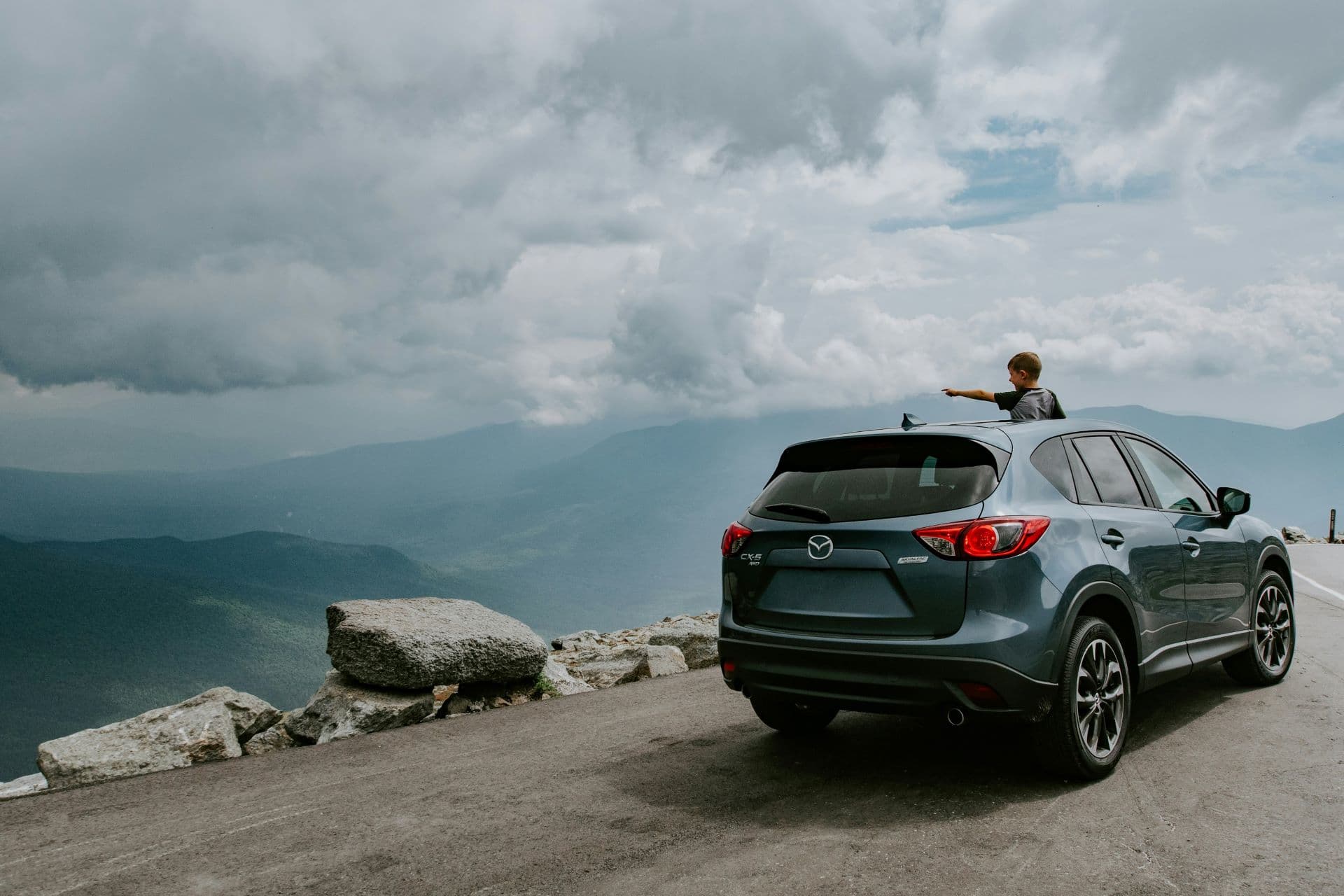
SUVs and crossovers have stormed the global automotive market, becoming the epitome of modern adventure and versatility. Once regarded as utilitarian vehicles designed for rugged terrain, they now hold prime real estate in cityscapes, suburban streets, and mountain roads alike, symbolizing a lifestyle marked by freedom and exploration. TodayÔÇÖs SUV buyers crave more than mere transportation; they seek a vehicle that aligns with their adventurous spirit and an aspiration to break free from routine.
As the demand for SUVs and crossovers skyrockets, the role of marketing in capturing the attention of these adventure-seeking consumers has never been more crucial. Auto brands must connect on a personal level, using compelling narratives to showcase SUVs not just as vehicles but as lifestyle statements. This article dives into the evolution of this segment, explores the profile of the adventure-seeking consumer, and delves into the marketing strategies that resonate most deeply with them.
Historical Context and Market Evolution
The SUV segment emerged in the mid-20th century, initially gaining traction as a tool for outdoor enthusiasts and a vehicle suited to unpaved, challenging terrains. Models like the original Land Rover Series, Jeep Wagoneer, and Ford Bronco captured the imagination of adventurers, positioning the SUV as the car for the wild. However, the 1980s saw a turning point: SUVs gained popularity among suburban families drawn to their spaciousness, safety, and commanding road presence.
As the new millennium dawned, consumer preferences leaned towards vehicles that combined rugged appeal with the comfort of a sedan. Crossovers emerged as a compromise, combining SUV-like versatility with car-like handling. Over the years, automotive manufacturers responded to this demand, offering diverse models that blurred the lines between off-road capability and everyday utility. Notably, the launch of the Toyota RAV4 and Honda CR-V set the stage for a new era, where SUVs and crossovers became accessible to a wider market. Now, SUVs represent nearly half of all vehicles sold globally, showing how this once-niche segment has captured the mainstream.
Understanding the Adventure-Seeking Consumer
The allure of SUVs for the adventure-seeking consumer is deeply rooted in lifestyle and values. This demographic, often aged between 30 and 50, values experiences over possessions, viewing their vehicle as a passport to freedom. They are drawn to activities that evoke discoveryÔÇöcamping, hiking, road-trippingÔÇöand want a car that complements this lifestyle. Whether theyÔÇÖre young professionals with a penchant for weekend getaways or families seeking to instill a love of nature in their children, adventure-seekers prioritize versatility, performance, and aesthetic appeal.
What defines these consumers is their pursuit of authenticity. In a data-driven world, adventure-seekers gravitate towards brands that speak to their identity and ideals. SUVs offer them a sense of purpose and readiness for spontaneity, allowing them to explore without constraint. Studies reveal that this group prefers vehicles that are ÔÇ£built for the journeyÔÇØ rather than ÔÇ£built for the city.ÔÇØ An SUV or crossover becomes a blank canvas for their explorations, allowing them to transcend the everyday and, in a sense, ÔÇÿleave a markÔÇÖ on the landscapes they traverse.
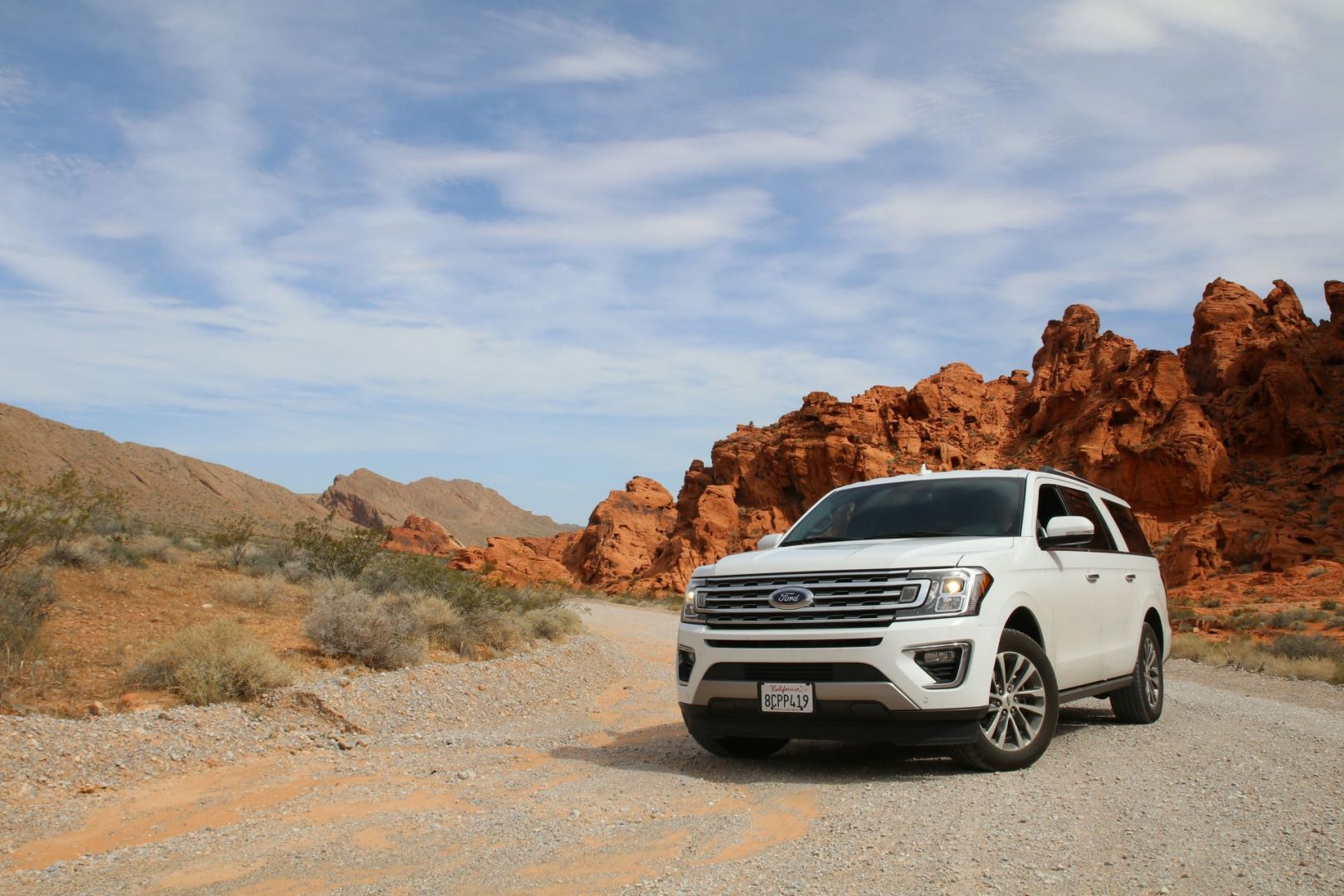
Marketing Strategies for SUVs and Crossovers
Crafting the Narrative of Adventure
To appeal to this unique consumer, automotive marketers have capitalized on storytelling. Campaigns like JeepÔÇÖs ÔÇ£Go Anywhere, Do AnythingÔÇØ and SubaruÔÇÖs ÔÇ£LoveÔÇØ series have transcended mere product promotion, creating an emotional link between the consumerÔÇÖs aspirations and the vehicleÔÇÖs perceived capabilities. These campaigns underscore the values of exploration and resilience, transforming the SUV into a symbol of possibility. By spotlighting breathtaking landscapes and relatable protagonists, brands successfully embed the SUV within a narrative of adventure.
Leveraging Digital Media and Influencers
Digital media provides unparalleled reach, allowing brands to tap into the psyche of adventure-seekers who are often savvy, tech-driven individuals. Platforms like Instagram and YouTube have become essential channels for automotive marketing, especially through influencer partnerships. Influencers in the outdoor and travel spaces act as trusted voices, showcasing SUVs in real-world scenariosÔÇöcamping trips, mountain drives, and beachside getawaysÔÇöthat resonate deeply with their followers.
Highlighting Versatility through Interactive Content
To further capture attention, automotive brands invest in interactive content, such as virtual test drives, immersive 360-degree videos, and even augmented reality (AR) features that allow potential buyers to envision themselves in the driverÔÇÖs seat. For example, Land RoverÔÇÖs AR experience invites users to explore rugged terrains, creating a realistic sense of the vehicleÔÇÖs capability. By merging technology with storytelling, brands emphasize the SUVÔÇÖs adaptability to every type of environment, encouraging the consumer to see themselves in that experience.
Case Studies of Effective Campaigns
FordÔÇÖs ÔÇ£Built Ford ToughÔÇØ campaign, featuring the Bronco, expertly taps into nostalgia and adventure, reimagining an iconic SUV for the modern consumer. Meanwhile, HondaÔÇÖs CR-V campaigns appeal to families looking for a comfortable, reliable companion on weekend adventures, emphasizing spaciousness and safety as priorities. ToyotaÔÇÖs ÔÇ£LetÔÇÖs Go PlacesÔÇØ campaign likewise embraces the concept of limitless exploration, positioning the RAV4 as a versatile option for urban dwellers and outdoor adventurers alike. These campaigns demonstrate how effective marketing leverages storytelling, brand legacy, and digital outreach to resonate with adventure-minded consumers.
Design and Technological Innovations
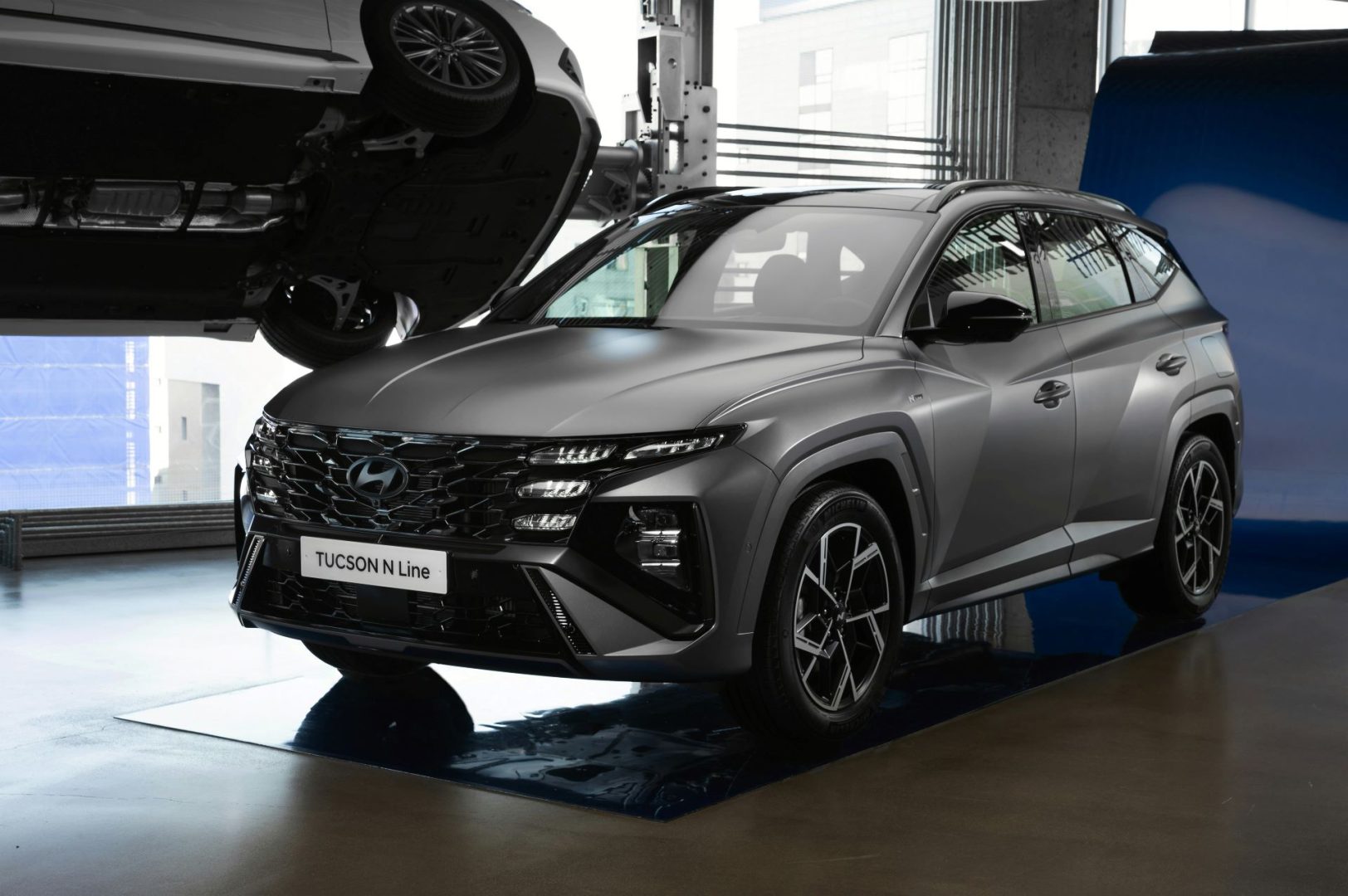
Design and technology are critical to drawing adventure-seekers to SUVs. Modern SUVs incorporate sleek, rugged aesthetics that communicate resilience and capability, such as elevated ground clearance, reinforced chassis, and off-road tires. Interior innovations cater to comfort without sacrificing practicalityÔÇöadjustable seats, spacious cargo holds, and durable materials provide a perfect balance of luxury and function.
Technological advancements, particularly in safety and navigation, enhance the vehicleÔÇÖs appeal. From advanced all-wheel drive systems to hill descent control, todayÔÇÖs SUVs are equipped to handle diverse terrains. Features like touchscreen navigation, mobile device integration, and voice-activated controls resonate with tech-savvy buyers. Marketing teams are quick to highlight these features, positioning them as essentials that make the SUV an extension of the driverÔÇÖs lifestyle.
Brand Positioning and Differentiation
Each automotive brand brings its unique approach to SUVs and crossovers, establishing a distinct identity. Jeep, for instance, leans heavily into ruggedness and off-road capability, appealing to the hard-core adventurer. On the other hand, brands like Lexus and BMW position their SUVs as luxury adventure vehicles, emphasizing comfort and high-end finishes while retaining versatility. Such differentiation is vital in a saturated market where brand loyalty often hinges on an alignment of values. By crafting a strong identity, brands ensure that their vehicles resonate with consumersÔÇÖ preferences and uphold their trust over time.
Challenges and Opportunities
While the SUV market is booming, brands face challenges in maintaining momentum. As environmental concerns grow, consumers are increasingly aware of the impact of larger vehicles on fuel consumption and emissions. Brands that can address these concerns with hybrid and electric SUV options will be better positioned for long-term success. The Toyota Highlander Hybrid and Ford Escape Hybrid represent efforts to offer eco-friendlier options, but the industry as a whole must continue innovating.
In addition, the demand for unique experiences offers an opportunity for brands to think outside traditional product offerings. Partnerships with adventure brands, pop-up test drives in natural landscapes, and collaborations with outdoor festivals all provide ways to engage consumers meaningfully. By aligning with eco-conscious practices and outdoor lifestyles, brands can remain relevant while meeting consumer demand.
Future Outlook and Trends
The future of SUVs and crossovers is poised for transformation as consumer preferences evolve and technology advances. The rise of electric and hybrid SUVs reflects the shift toward sustainability, with TeslaÔÇÖs Model Y and the Rivian R1S leading the charge in combining adventure-ready design with environmental responsibility. Moreover, developments in autonomous driving could introduce new functionalities that cater to the adventure-seeking demographic, such as self-driving capabilities in off-road settings.
Looking forward, brands that remain agile, adapting their marketing strategies to reflect emerging trends, will be best positioned to capture consumer interest. The exploration of augmented reality, enhanced mobile experiences, and even virtual outdoor events will enable brands to innovate their approaches, bridging the gap between physical and digital engagement. As new technologies reshape the landscape, adventure-ready SUVs will continue to evolve, meeting the needs of the modern consumer.
The demand for SUVs and crossovers is driven by a powerful blend of functionality, adventure, and lifestyle appeal. Automotive brands that understand and respond to the desires of the adventure-seeking consumer will continue to thrive in this competitive market. By employing targeted marketing strategies, staying attuned to consumer values, and embracing sustainable innovations, these brands can ensure that SUVs remain the vehicle of choice for those seeking the open road.
As we look to the future, the dynamic automotive market promises exciting opportunities for growth and adaptation. The journey has only just begun, and for the adventure-seeking consumer, the road ahead is filled with limitless possibilities.
Breyten Odendaal
Specializing in high-performance automotive advertising and digital marketing solutions, delivering cutting-edge insights and the latest news shaping the automotive industry in South Africa.
More From Advertising
Automotive Advertising in 2026: Selling Confidence in a More Competitive Market
As South Africa’s vehicle market becomes more competitive, automotive advertising needs to do more than announce a price or specification. It needs to help buyers understand value, ownership costs and why a vehicle suits their lives.

Automotive Digital Ads in South Africa: A Shift
Exploring how South Africa’s automotive advertising evolved from print and broadcast to data-driven, programmatic digital ecosystems.

The Video Shift in Car Buying Decisions in SA
Explore how video content shapes car purchase decisions in South Africa, comparing short-form and long-form strategies for automotive marketers.