
A Market of Contrasts
In the modern automotive landscape, marketers face a delicate balancing act. Cities and rural regions, though connected by the same networks of roads, offer vastly different terrain in terms of consumer psychology, infrastructure, and lifestyle demands. For decades, automotive brands leaned on a largely homogenous approach to advertisingÔÇöemphasising freedom, performance, and reliability as universally appealing attributes. Yet, as mobility expectations evolve and audiences become more segmented, the divide between urban and rural marketing has never been more pronounced.
Urban centres are defined by density, immediacy, and aspirational trends. Here, a car is often less a possession and more a solutionÔÇöa tool that negotiates traffic, parking restrictions, and environmental regulation, while still making a statement about identity. In contrast, rural consumers view vehicles as lifelines, essential companions in daily life where access to public transport may be limited, and long-distance driving is a necessity rather than a choice. These two markets demand not only different vehicles but also different stories about what a vehicle should represent.
This article explores the subtle and overt differences in how automotive brands can craft compelling, resonant campaigns for these two worlds. The goal is not to deepen the divide but to illuminate strategies that recognise consumer realitiesÔÇöbridging marketing to the road ahead.
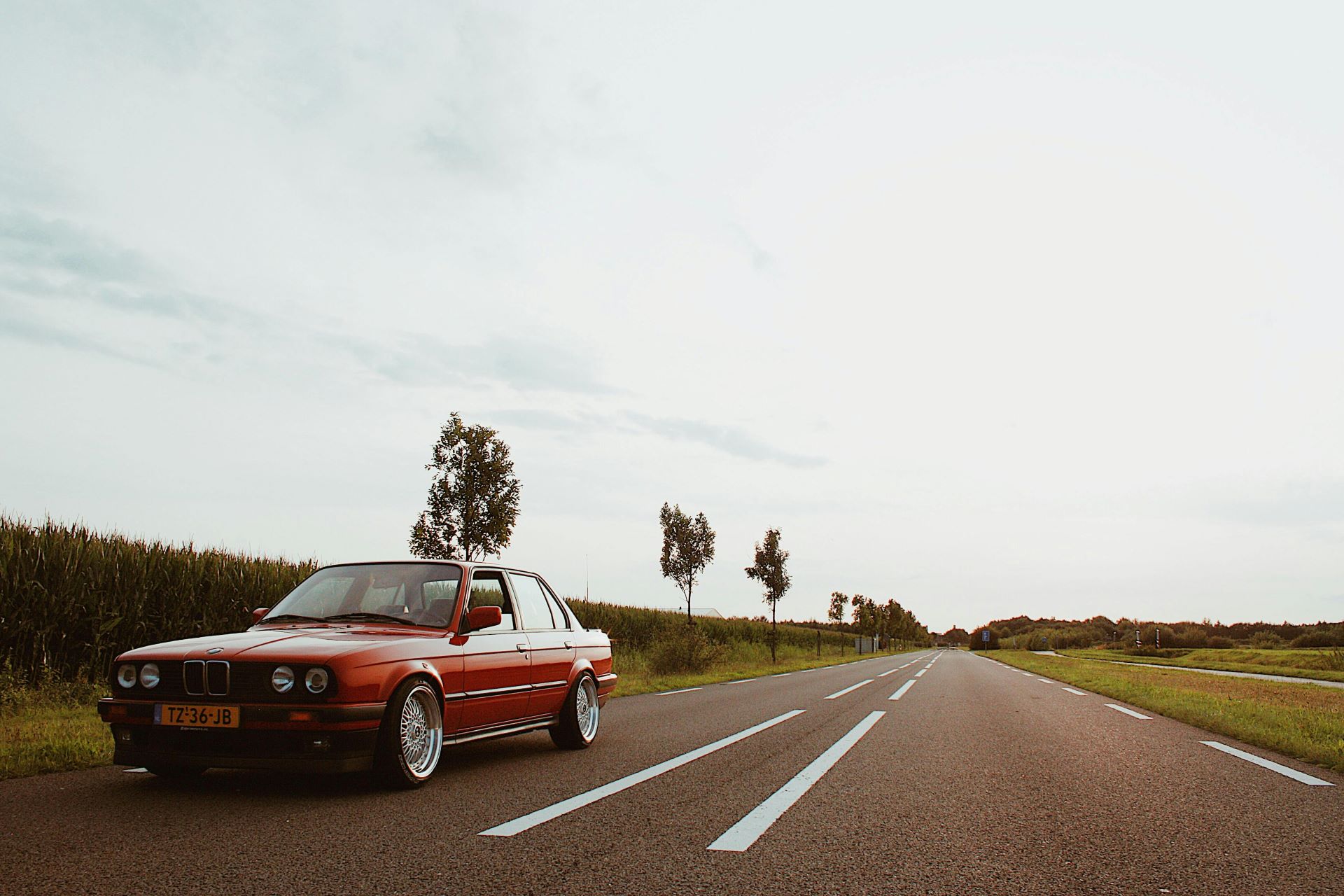
Understanding the Urban Buyer
The urban consumer is caught between paradoxes. They often live in cities where public transport options are plentiful and where ridesharing services are ubiquitous, yet they still aspire to own cars. Ownership is less about utility and more about identity, convenience, and even status. To understand them, marketers must dissect three key forces: lifestyle, infrastructure, and aspiration.
City lifestyles are fast-paced and time-poor. Consumers want cars that integrate seamlessly into their schedules, with minimal friction. Compact footprints, advanced navigation systems, connectivity features, and electric drivetrains appeal to this demographic because they solve the everyday frustrations of traffic and emissions zones. Urban dwellers are acutely aware of environmental issues, often swayed by policy incentives for electric vehicles and by brand positioning that highlights sustainability. Marketing campaigns that emphasise quiet city driving, reduced running costs, and modern styling resonate deeply.
Infrastructure plays a decisive role. Urban landscapes are dominated by limited parking, congestion charges, and increasingly strict regulations on emissions. A brand that understands these constraints can market its vehicles as enablers of mobility rather than traditional symbols of freedom. Small, efficient cars, hybrids, and fully electric vehicles gain traction when framed as pragmatic solutions to these challenges.
Finally, aspiration drives urban choices. A vehicle is often an accessory to a lifestyle already curated through fashion, technology, and housing. Campaigns that lean into design-forward storytellingÔÇöcars as lifestyle objects rather than toolsÔÇöconnect emotionally with this market.
Understanding the Rural Buyer
If urban ownership is shaped by constraints, rural ownership is defined by necessity. Vehicles here are not optional; they are integral to work, family, and leisure. For rural buyers, cars and trucks often double as mobile offices, transport for livestock or tools, and family shuttles across long distances.
The rural buyer is pragmatic, values-oriented, and less swayed by fleeting trends. Durability, practicality, and aftersales support weigh heavily in purchase decisions. When marketing to this segment, storytelling must reflect authenticity. Glossy aspirational campaigns can seem hollow compared to messages that foreground ruggedness, reliability, and endurance. A farmer in Limpopo or the Midwest wants reassurance that their bakkie or pickup will start every morning, withstand harsh terrain, and endure years of heavy use.
Infrastructure again is pivotal, but in an inverse sense to cities. Rural areas often lack charging stations, making full electrification a harder sell. Here, hybrid systems or efficient diesel engines may still dominate. Marketers who ignore this reality risk alienating audiences by seeming tone-deaf to their lived experiences. Campaigns that highlight fuel range, ease of maintenance, and all-terrain capability acknowledge the practical concerns of rural drivers.
Lifestyle also shapes perception. Unlike in cities, where a car is often a secondary accessory to other forms of mobility, rural consumers see their vehicles as extensions of home and livelihood. Vehicles are tied to identity in a deeply functional way. A brand that understands this connection can craft narratives about resilience, dependability, and family legacy.
The Messaging Divide
The tension between urban and rural marketing lies in the fact that both segments often encounter the same brand but require vastly different messaging. A one-size-fits-all campaign risks diluting impact. Instead, marketers must embrace nuance, creating parallel but complementary narratives.
For urban audiences, the focus is on lifestyle, sustainability, and ease of use. Phrases like ÔÇ£seamlessly connected,ÔÇØ ÔÇ£effortlessly compact,ÔÇØ and ÔÇ£forward-thinking designÔÇØ land well. Imagery tends to highlight cityscapes, rooftop parking lots, and stylish young professionals.
For rural audiences, the language shifts towards strength, dependability, and trust. Campaigns deploy imagery of open fields, family farms, and rugged terrain. Words like ÔÇ£enduring,ÔÇØ ÔÇ£reliable,ÔÇØ and ÔÇ£hardworkingÔÇØ carry more weight than ÔÇ£stylishÔÇØ or ÔÇ£innovative.ÔÇØ
This divide does not mean brands should fracture their identity. Rather, the core DNA of the brand should remain consistent while messaging is tailored. Toyota, for instance, manages to sell both the Aygo X to city dwellers and the Hilux to rural workers by emphasising different facets of the same brand promise: vehicles that fit your world, whatever your world looks like.
Digital vs. Traditional Channels
Urban and rural divides are not only about content but also about delivery. In cities, digital-first campaigns thrive. Consumers are saturated with social media, streaming platforms, and personalised digital ads. A sophisticated, data-driven strategy allows marketers to segment by lifestyle clusters and deliver tailored messages at the right moment.
Rural communities, however, still respond strongly to traditional channels. Local radio, community newspapers, and dealership-led marketing remain influential. Word of mouth carries extraordinary weight in smaller communities where reputations are built and eroded quickly. Brands that invest in sponsoring local events, supporting agricultural shows, or aligning with rural charities often earn more loyalty than those who pour money into flashy national campaigns.
The key lies in understanding reach and trust. While rural consumers may be less digitally engaged, this is rapidly changing as connectivity spreads. Marketers must balance respect for traditional media with readiness to expand digital strategies into these communities as access improves.
Electric Dreams and Practical Realities
Perhaps the greatest challenge for automotive marketers is bridging the gap in electric vehicle (EV) adoption between urban and rural regions. In cities, EVs have momentum. Charging infrastructure is growing, and environmental policy incentivises adoption. Marketing campaigns that frame EVs as futuristic, eco-conscious, and perfectly suited to short commutes land strongly.
In rural markets, the picture is more complex. Long distances, sparse infrastructure, and higher upfront costs create skepticism. A farmer who must drive 200 kilometres to the nearest market cannot risk running out of charge halfway. Marketing EVs in this context requires sensitivity. Instead of idealistic imagery, campaigns must highlight extended ranges, hybrid alternatives, or the development of rural charging solutions. Education campaigns that explain cost savings over time and the durability of electric drivetrains may also help shift perception.
The divergence is stark, but so are the opportunities. Brands that can simultaneously market EVs as city-friendly lifestyle accessories and rural workhorses will capture new ground. FordÔÇÖs electric F-150 Lightning, for example, has been pitched both as a quiet urban pickup and a mobile generator for off-grid rural lifeÔÇöa rare case of a narrative that works in both contexts.
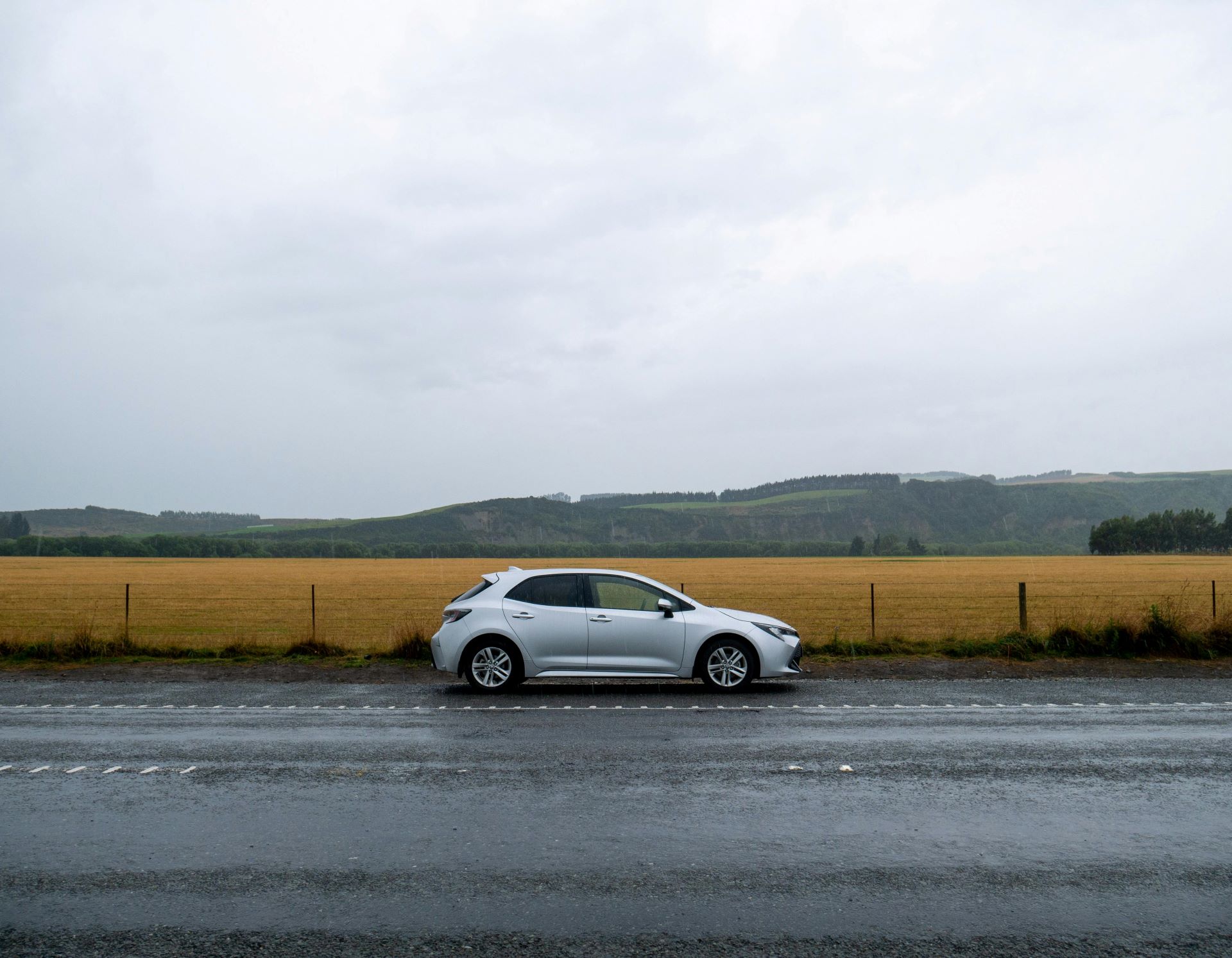
Cultural Storytelling and Identity
Marketing vehicles is rarely just about engines, seats, and paint finishes. It is about cultural resonance. Urban campaigns often draw on cosmopolitan aesthetics, diversity, and cutting-edge design. Rural campaigns lean into tradition, family, and heritage. Both are valid, but both must be authentic.
Cultural missteps are costly. A campaign that positions an SUV as an urban ÔÇ£weekend warriorÔÇØ might alienate rural buyers who see the same vehicle as essential daily transport. Conversely, framing a compact EV as a rural adventure car may come across as disingenuous. Brands must carefully test campaigns to ensure resonance across cultural boundaries.
Storytelling is most effective when it respects both audiences. The narrative of mobility, connection, and freedom can be told differently but share a unifying thread: cars as enablers of human experience. Whether the story is about escaping a traffic jam to catch a rooftop sunset or navigating a muddy road to deliver produce, the core truth is the sameÔÇövehicles connect people to what matters.
Dealerships as Cultural Intermediaries
Another crucial layer in tailoring marketing lies at the dealership level. In rural communities, dealerships are more than showrooms; they are community hubs. Sales teams often know customers personally, and loyalty can span generations. A dealership that provides excellent service is often trusted more than the brand itself.
Urban dealerships, by contrast, often act as sleek extensions of brand identity. They focus on immersive experiences, technology demonstrations, and stylish design. For rural areas, authenticity and personal trust carry more weight than aesthetic perfection. Brands must empower their dealerships to reflect these cultural nuances rather than enforcing rigid, one-size-fits-all showroom strategies.
The Road Ahead: Convergence and Divergence
As mobility continues to evolve, urban and rural automotive marketing will remain distinct but not static. Urban consumers will increasingly demand electrification, connectivity, and subscription-style ownership models. Rural consumers will continue to prioritise durability, practicality, and long-range capability. Yet there are signs of convergence. Rural adoption of digital media is accelerating, while urban drivers are rediscovering the appeal of rugged vehicles in the age of adventure-driven marketing.
The key to success lies not in dividing the two markets but in weaving parallel narratives that honour their realities. Marketers who can translate brand identity into flexible, culturally attuned campaigns will gain trust in both worlds.
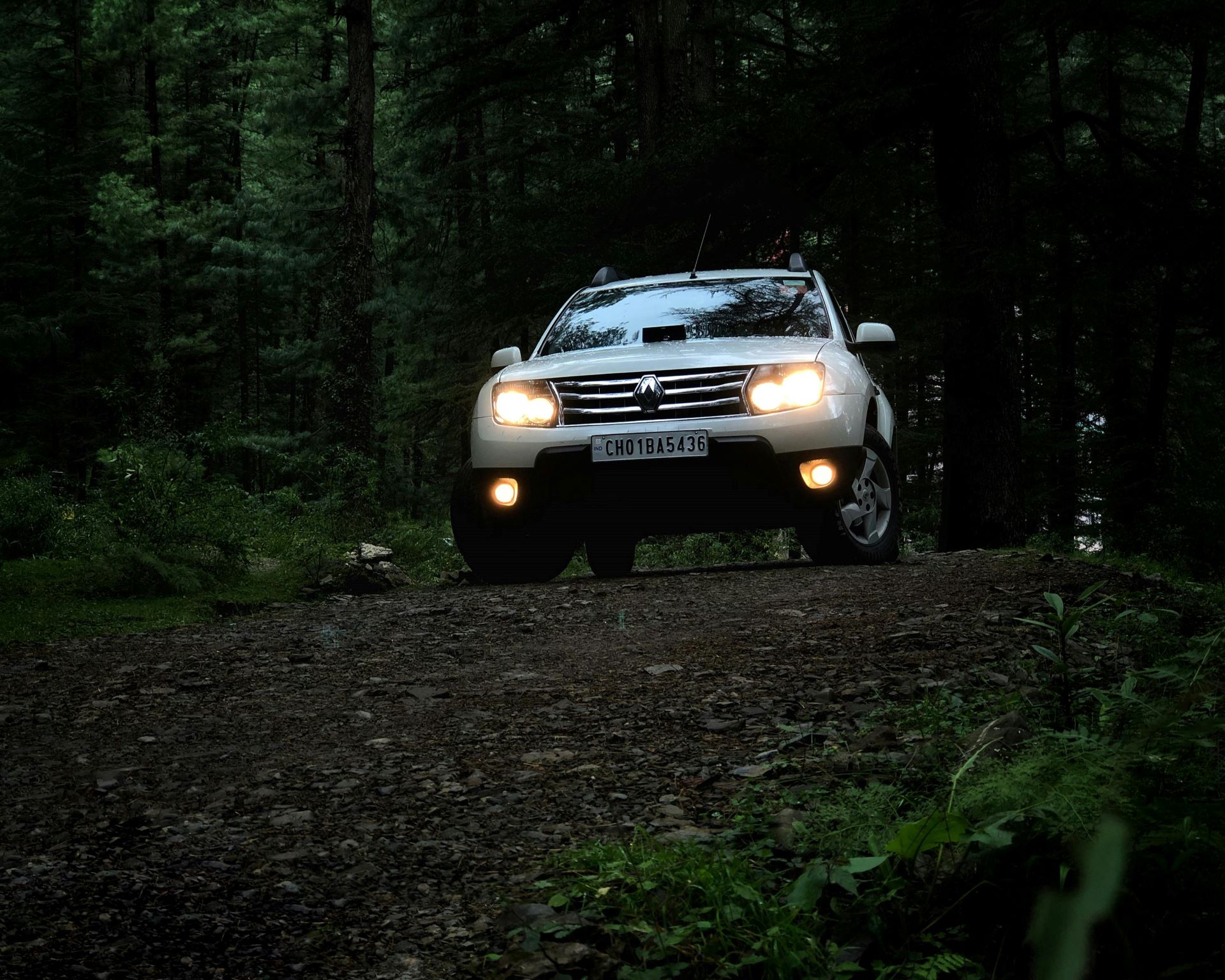
Bridging the Divide
Automotive marketing is no longer about shouting the same message to every driver. It is about listeningÔÇölistening to the rhythm of city streets and the hum of rural highways, to the needs of a mother commuting to work in a compact EV and the farmer relying on a pickup to sustain his livelihood.
The road ahead demands nuance, adaptability, and cultural empathy. Brands that understand the divide between rural and urban audiencesÔÇöand craft campaigns that bridge rather than widen itÔÇöwill not only sell more cars but will also earn enduring trust. In the end, marketing is not about the machine itself, but about the journey it enables, whether through the narrow alleys of a metropolis or the open fields of the countryside.
Breyten Odendaal
Specializing in high-performance automotive advertising and digital marketing solutions, delivering cutting-edge insights and the latest news shaping the automotive industry in South Africa.
More From Advertising
Automotive Advertising in 2026: Selling Confidence in a More Competitive Market
As South Africa’s vehicle market becomes more competitive, automotive advertising needs to do more than announce a price or specification. It needs to help buyers understand value, ownership costs and why a vehicle suits their lives.

Automotive Digital Ads in South Africa: A Shift
Exploring how South Africa’s automotive advertising evolved from print and broadcast to data-driven, programmatic digital ecosystems.

The Video Shift in Car Buying Decisions in SA
Explore how video content shapes car purchase decisions in South Africa, comparing short-form and long-form strategies for automotive marketers.