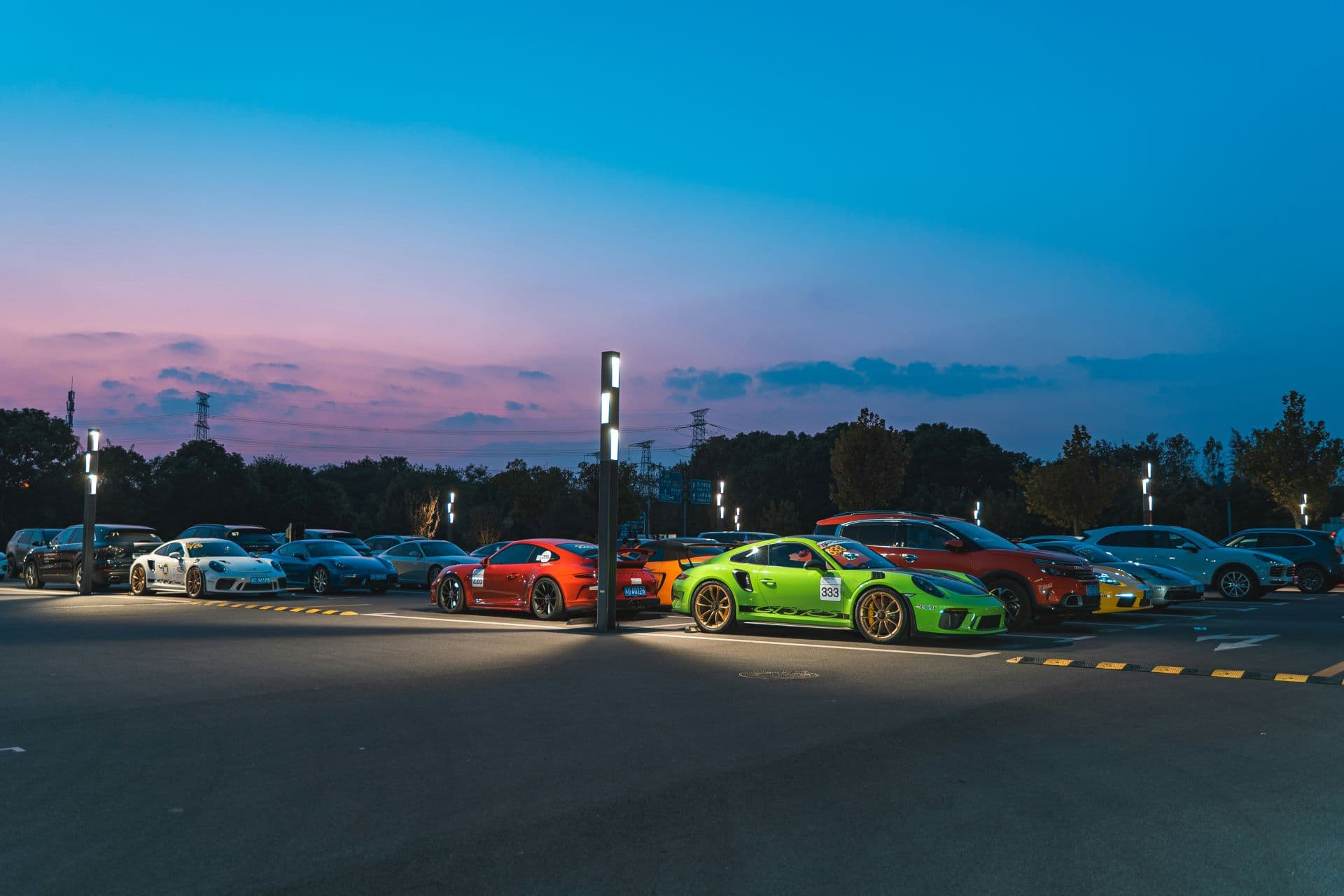
Automotive marketing has always been about movement. Not just the movement of vehicles, but the movement of people, emotions, and ideas. In 2026, as the industry faces rapid electrification, shifting ownership models, and an increasingly fragmented media environment, event marketing has reasserted itself as one of the most powerful tools in the automotive marketerÔÇÖs arsenal. It offers something that digital advertising, however precise, still struggles to replicate: presence.
Events place the brand in the physical or perceptual world of the consumer. They allow people to see, hear, touch, and increasingly interact with vehicles and brand stories in ways that static content cannot. From the global spectacle of motor shows to intimate track-day experiences and expansive virtual launches, automotive events have evolved into multi-layered engagement platforms. They are no longer isolated moments on the calendar, but anchors within broader marketing ecosystems.
In 2026, the role of automotive event marketing is not simply to generate attention. Its purpose is to build credibility, encourage participation, and create moments that can be amplified across channels long after the event itself has ended. As competition intensifies and consumer trust becomes harder to earn, brands that invest intelligently in events are finding themselves better positioned to cut through the noise.
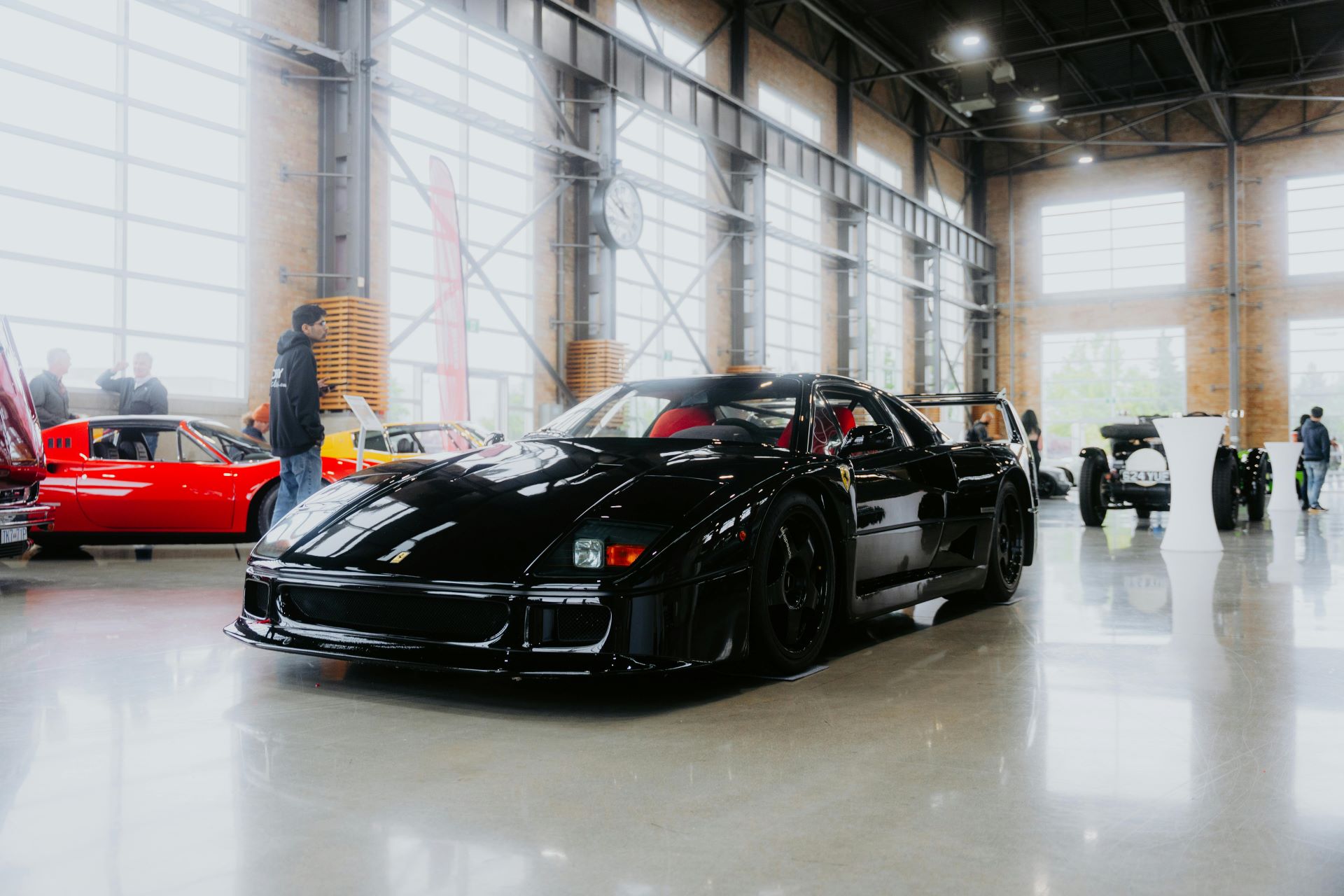
The Changing Role of Events in Automotive Marketing
For decades, automotive events were primarily about display. Vehicles were placed under bright lights, executives delivered speeches, and journalists took notes. While this model still exists, its dominance has faded. TodayÔÇÖs automotive consumer expects involvement rather than observation. Event marketing has responded by shifting from presentation to participation.
In 2026, events function as experiential proof points. They demonstrate claims rather than merely stating them. A performance brand no longer relies solely on advertising copy to convey agility or power. It invites drivers onto a circuit. A technology-focused brand does not just talk about connectivity. It lets attendees experience seamless digital integration in real time. This experiential validation has become particularly important as vehicles grow more complex and purchasing decisions require greater confidence.
The modern automotive event also serves multiple audiences simultaneously. Consumers, media, dealers, partners, and internal stakeholders all engage with the same event through different lenses. A single launch may deliver excitement for enthusiasts, technical depth for journalists, sales momentum for dealers, and cultural relevance for social media audiences. The challenge, and opportunity, for marketers in 2026 lies in designing events that can flex across these needs without losing narrative cohesion.
Motor Shows Reimagined for a New Era
Motor shows remain one of the most visible forms of automotive event marketing, but their role has been fundamentally redefined. In 2026, successful motor shows are no longer about scale alone. They are about storytelling density. Brands that thrive in these environments focus less on how many vehicles they display and more on how effectively each vehicle communicates its purpose.
The traditional stand filled with static cars has given way to immersive brand environments. Lighting, sound design, interactive displays, and digital overlays work together to guide visitors through a curated experience. Rather than wandering aimlessly, attendees are subtly directed along narrative pathways that explain design philosophy, technological direction, and brand values.
This shift has also changed how success is measured. Foot traffic remains relevant, but engagement quality has become the more meaningful metric. Time spent on the stand, interactions with digital content, and social sharing behaviour provide deeper insight into brand impact. Motor shows in 2026 are designed to be filmed, photographed, and shared. Every angle, texture, and transition is considered with content creation in mind.
For automotive marketers, motor shows also serve as cultural moments. They provide a platform to frame the brandÔÇÖs position within broader conversations around sustainability, urban mobility, and technological progress. A well-executed presence can reposition a brand in the public imagination, while a misstep can reinforce outdated perceptions. In this environment, strategic restraint often proves more effective than excess.
The Enduring Power of Physical Presence
Despite the rise of digital engagement, physical events continue to hold a unique advantage. They create emotional memory. The sensation of sitting in a vehicle, hearing a door close, or watching light reflect off bodywork cannot be fully replicated on a screen. In 2026, as consumers become more selective about where they invest their time, physical automotive events offer a sense of occasion that digital interactions often lack.
This is particularly relevant for high-involvement purchases. Vehicles represent significant financial and emotional commitments. Events help reduce perceived risk by allowing potential buyers to validate their expectations in person. For premium and performance brands, this validation is essential. For mass-market brands, it provides reassurance around quality, safety, and usability.
Physical events also foster community. OwnersÔÇÖ gatherings, brand festivals, and regional showcases create shared experiences that strengthen brand loyalty. These moments encourage organic advocacy, as attendees share their experiences with peers both online and offline. In 2026, this community-building aspect of event marketing is increasingly recognised as a long-term brand asset rather than a short-term promotional tool.
Track Days as a Strategic Marketing Tool
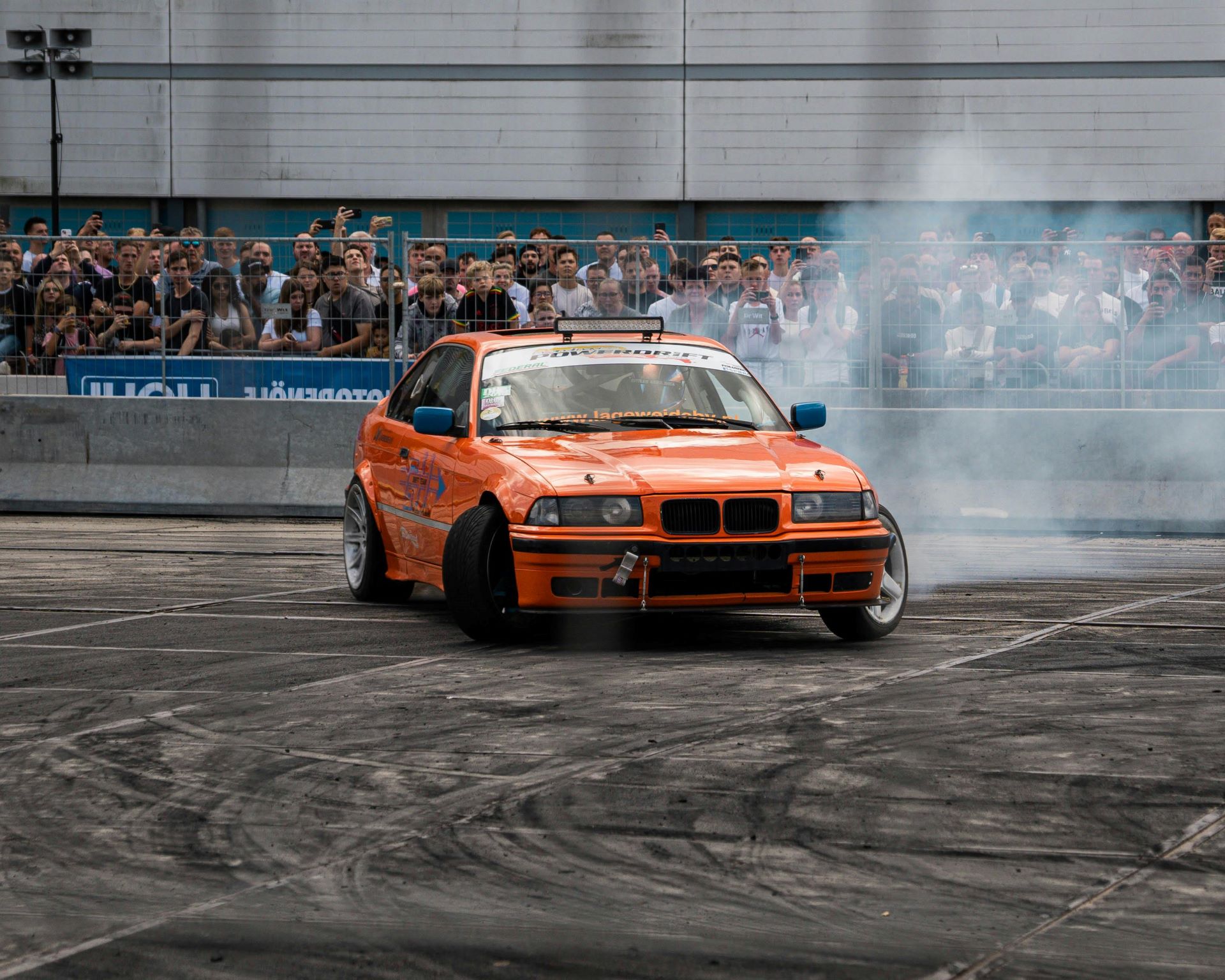
Track days occupy a unique space within automotive event marketing. They are neither mass-market spectacles nor purely niche enthusiast gatherings. Instead, they operate as high-impact, high-engagement environments where brands can demonstrate performance credentials with authenticity.
In 2026, track days have evolved beyond simple driving experiences. They are structured storytelling platforms. Participants are guided through carefully designed sequences that highlight specific vehicle attributes. Acceleration zones emphasise power delivery. Technical sections showcase handling and balance. Safety demonstrations reinforce engineering integrity. Each element is choreographed to align with brand messaging.
For marketers, the value of track days lies in their ability to convert interest into conviction. Experiencing a vehicle under controlled conditions builds trust in a way that advertising claims cannot. This is particularly effective in competitive segments where differentiation is subtle and subjective.
Track days also generate high-quality data. Registration processes, driving feedback, and post-event engagement provide insight into consumer preferences and intent. In 2026, this data is increasingly integrated into CRM systems, allowing brands to personalise follow-up communication and refine future event strategies.
Importantly, track days are no longer limited to traditional performance vehicles. Electric and hybrid models now feature prominently, using track environments to dispel misconceptions around weight, responsiveness, and driving pleasure. By reframing performance in contemporary terms, brands use track days to redefine what excitement means in a changing automotive landscape.
Experiential Depth Versus Reach
One of the central tensions in automotive event marketing is the balance between reach and depth. Motor shows and large-scale launches offer visibility, while track days and private experiences offer intimacy. In 2026, the most effective strategies acknowledge that both are necessary and complementary.
High-reach events establish awareness and cultural relevance. They position the brand within public discourse and generate media coverage. High-depth events build emotional connection and drive conversion. They turn interest into loyalty. Rather than choosing one over the other, leading automotive marketers design event portfolios that serve different stages of the customer journey.
This portfolio approach allows brands to allocate resources more strategically. A global motor show presence may anchor the brand narrative, while regional driving events localise the message and adapt it to specific markets. In this way, event marketing becomes modular and scalable without losing coherence.
The Rise of Virtual Automotive Events
Virtual events have moved from necessity to strategy. In 2026, they are no longer viewed as substitutes for physical experiences, but as distinct engagement channels with their own strengths. Virtual launches, digital showrooms, and immersive online experiences allow automotive brands to reach audiences unconstrained by geography or capacity.
These events excel at accessibility. They invite participation from consumers who may never attend a physical motor show or track day. They also cater to younger, digitally native audiences who expect interactivity and immediacy. Features such as real-time Q&A sessions, virtual walkarounds, and interactive configurators transform passive viewing into active exploration.
For marketers, virtual events offer unparalleled measurement capabilities. Engagement can be tracked at granular levels, revealing which features attract attention and where interest drops off. This data informs not only future events but broader marketing and product strategies.
Virtual events also extend the lifespan of event content. Recordings, highlights, and interactive elements can be repurposed across channels, ensuring that the initial investment continues to deliver value long after the live moment has passed. In 2026, successful automotive brands treat virtual events as content engines rather than one-off experiences.
Hybrid Experiences and Integrated Campaigns
The true power of event marketing in 2026 lies in integration. Hybrid events that blend physical and virtual elements allow brands to maximise both reach and engagement. A physical launch may be livestreamed globally, while virtual participants interact with digital twins of vehicles displayed on stage.
This integration requires careful planning. The physical and virtual components must complement rather than compete with each other. Messaging, pacing, and visual language need to translate seamlessly across formats. When executed well, hybrid events create a sense of shared participation, uniting audiences across locations and platforms.
Integrated campaigns also leverage social media as an extension of the event itself. Influencers, journalists, and attendees become co-creators, sharing perspectives that feel authentic and immediate. In 2026, automotive event marketing strategies are designed with this amplification in mind. Every moment is an opportunity for storytelling beyond the event space.
Events as Brand Trust Builders
Trust has become one of the most valuable currencies in automotive marketing. As vehicles incorporate advanced software, autonomous features, and new powertrain technologies, consumers seek reassurance. Events provide a controlled environment in which brands can demonstrate transparency and competence.
Technical workshops, behind-the-scenes tours, and expert-led discussions are increasingly common components of automotive events. These elements humanise the brand, giving faces and voices to complex systems. In 2026, trust-building is not about simplifying messages to the point of vagueness, but about explaining complexity with clarity.
This approach is particularly effective in markets undergoing rapid transition. As consumers navigate the shift to electrification and digitalisation, events become educational platforms as much as promotional ones. Brands that invest in informed engagement position themselves as partners rather than sellers.
Measuring Impact in a Data-Driven Era
The evaluation of automotive event marketing has matured significantly. While attendance figures and media coverage remain relevant, they are no longer sufficient indicators of success. In 2026, marketers focus on behavioural outcomes. Engagement quality, lead progression, and post-event actions provide a more accurate picture of return on investment.
Technology plays a central role in this measurement. Event apps, wearable devices, and integrated CRM systems capture data throughout the customer journey. This data allows marketers to attribute outcomes more accurately, linking event participation to test drives, enquiries, and sales.
Importantly, measurement is not solely about justification. It is also about optimisation. Insights gained from one event inform the design of the next, creating a feedback loop that continuously improves effectiveness. In this way, event marketing evolves from a creative endeavour into a strategic discipline grounded in evidence.
The Role of Storytelling in Event Design
At the heart of successful automotive event marketing lies storytelling. Vehicles are products, but brands are narratives. Events provide the stage on which these narratives are performed. In 2026, storytelling has become more deliberate and cohesive, aligning event experiences with long-term brand positioning.
This narrative approach ensures consistency across touchpoints. The themes introduced at a motor show are echoed in track-day experiences and reinforced through virtual content. Rather than delivering fragmented messages, brands guide audiences through a coherent story that unfolds over time.
Effective storytelling also respects audience intelligence. It invites interpretation rather than dictating conclusions. By allowing consumers to discover and engage with brand values at their own pace, events foster deeper emotional connection.
Looking Ahead to the Future of Automotive Events
As technology continues to evolve, so too will automotive event marketing. Augmented reality, virtual reality, and artificial intelligence are already shaping new forms of engagement. In 2026, these tools are used not as novelties but as enhancers of experience.
Personalisation will play an increasingly important role. Events will adapt dynamically to attendee interests, offering customised content and interactions. This shift reflects broader trends in marketing towards relevance and respect for consumer time.
Despite these advancements, the fundamental purpose of automotive event marketing remains unchanged. It is about connection. Whether through the shared excitement of a motor show, the visceral thrill of a track day, or the immersive reach of a virtual launch, events create moments that resonate beyond the transactional.
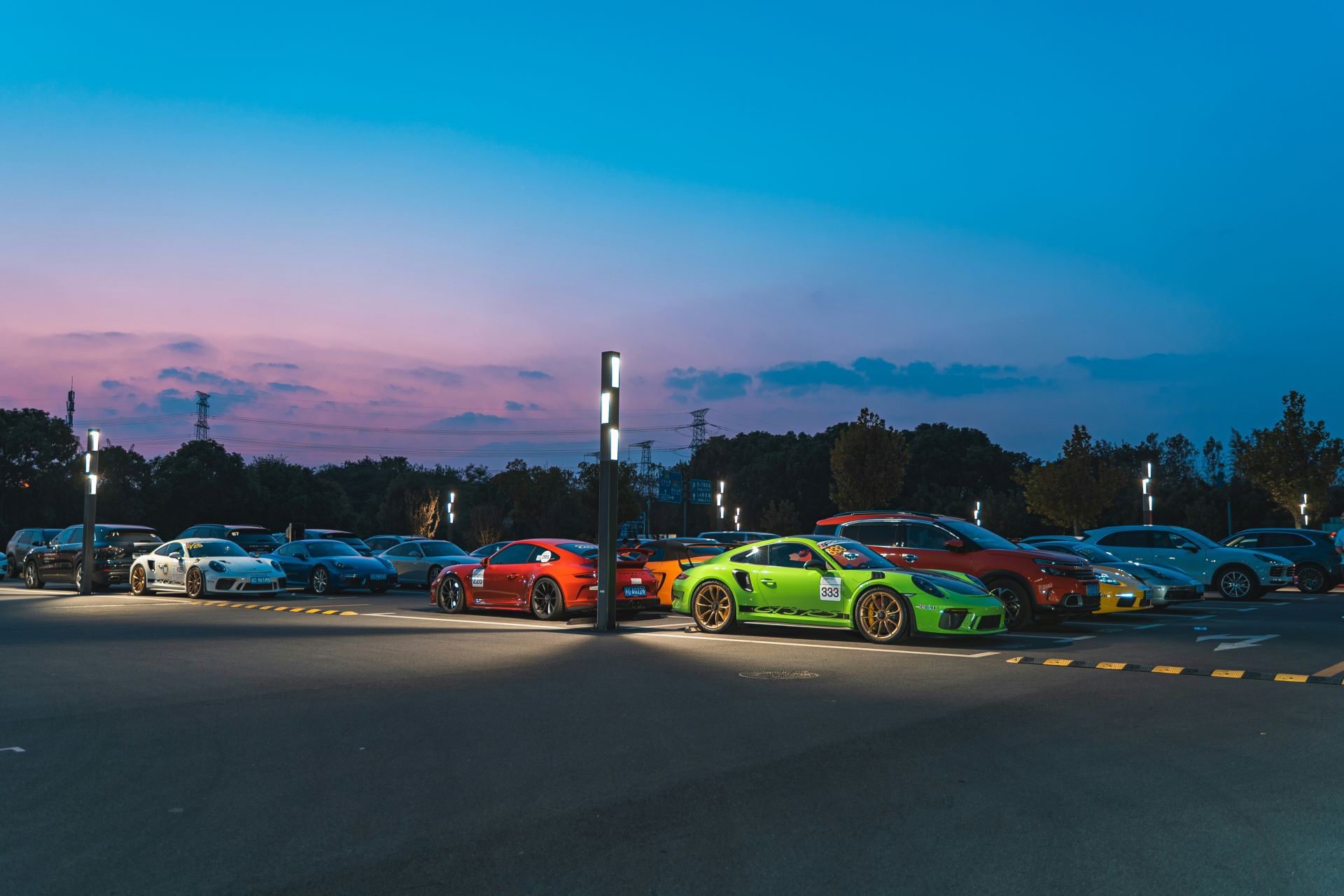
Events as Engines of Engagement
In 2026, automotive event marketing stands at the intersection of experience, technology, and storytelling. It is no longer a supporting tactic but a central pillar of brand strategy. Motor shows showcase vision, track days build conviction, and virtual events expand reach. Together, they form a holistic engagement ecosystem that drives visibility, trust, and loyalty.
As the automotive industry continues to transform, the brands that succeed will be those that understand the power of presence. By investing in events that are purposeful, integrated, and audience-centric, automotive marketers can ensure that their brands are not just seen, but felt. And in a world saturated with messages, that feeling is what truly drives engagement.
Breyten Odendaal
Specializing in high-performance automotive advertising and digital marketing solutions, delivering cutting-edge insights and the latest news shaping the automotive industry in South Africa.
More From Advertising

Automotive Advertising in 2026: Selling Confidence in a More Competitive Market
As South Africa’s vehicle market becomes more competitive, automotive advertising needs to do more than announce a price or specification. It needs to help buyers understand value, ownership costs and why a vehicle suits their lives.

Automotive Digital Ads in South Africa: A Shift
Exploring how South Africa’s automotive advertising evolved from print and broadcast to data-driven, programmatic digital ecosystems.

The Video Shift in Car Buying Decisions in SA
Explore how video content shapes car purchase decisions in South Africa, comparing short-form and long-form strategies for automotive marketers.