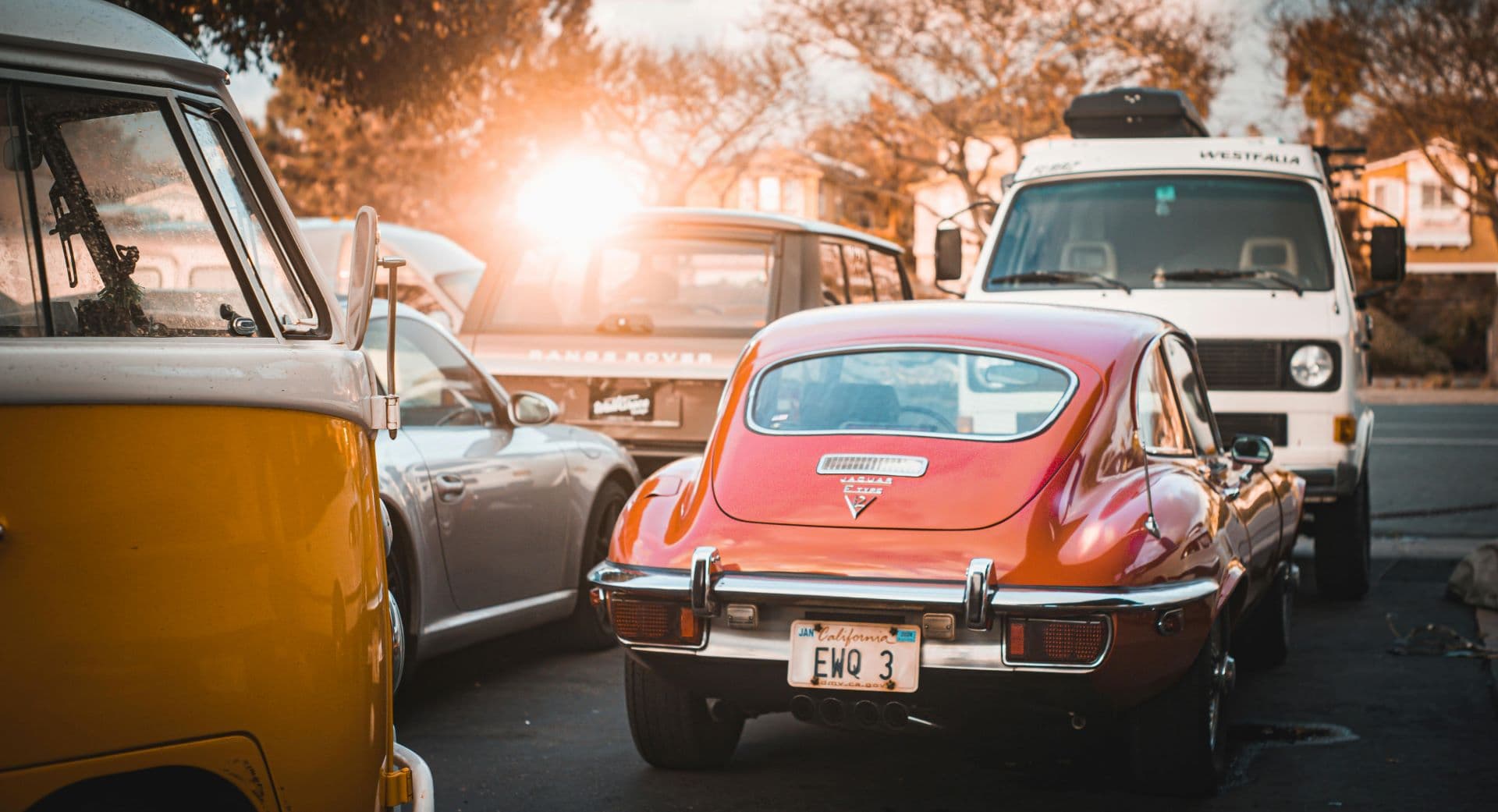
In todayÔÇÖs fast-moving automotive world, where the next electric vehicle, self-driving system or subscription service is always around the corner, there is a surprising trend quietly gaining traction. Brands are looking backward in order to leap forward. TheyÔÇÖre dusting off heritage design cues, reviving classic nameplates and mining their archives for emotionally potent stories. I call this phenomenon ÔÇ£The Nostalgia EffectÔÇØ ÔÇö and in automotive marketing itÔÇÖs proving to be a powerful way of capturing modern hearts.
This article, written from the vantage of a senior copywriter attuned to both the South African market and global automotive trends, explores exactly how and why nostalgia matters in automotive marketing. WeÔÇÖll cover: historical context; why nostalgia works psychologically; how brands are actively reviving heritage nameplates and design; how they bring old and new together; best-practice marketing tactics; pitfalls to watch; and whatÔÇÖs next. Buckle up. (Yes, I may switch a wheel for a w and slip in an unhinged remark about how the ghost of tail-fin design still haunts boardrooms. Because hey ÔÇö IÔÇÖm that silly guy.)
The Roots of Nostalgia in Automotive Brand Culture
Nostalgia is not a modern invention. As one marketing analysis puts it, nostalgia is ÔÇ£a bittersweet longing for the past that bridges our past experiences and present identityÔÇØ. In the automotive industry, this starts with the fact that cars donÔÇÖt just transport us physically ÔÇö they carry memories, status, design epochs, cultural meanings.
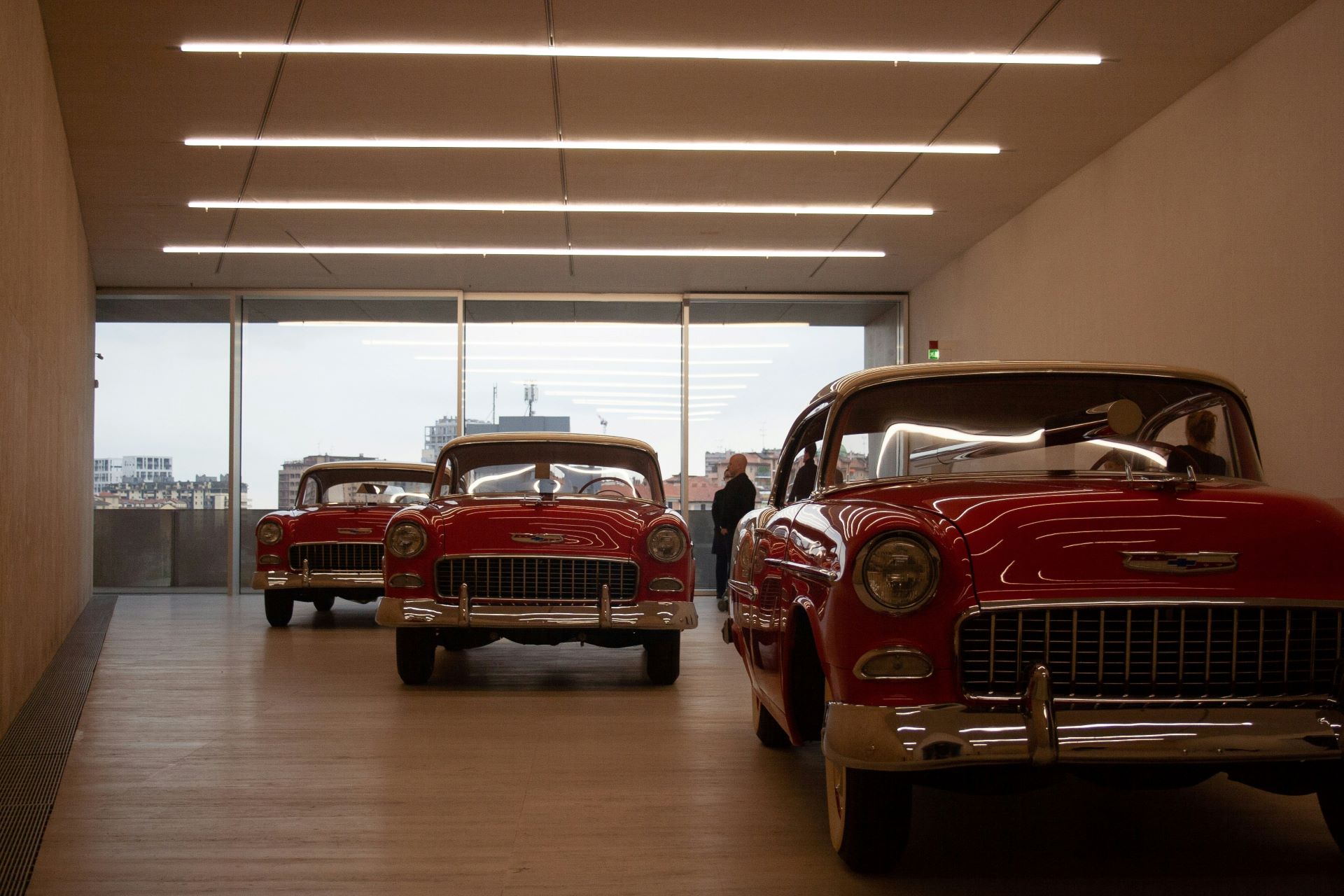
Early motoring was entwined with modernity and optimism. The golden age of automotive design saw sweeping chrome, tail-fins, bold grilles, and unique hand-crafted cues. These models became cultural icons ÔÇö more than metal and rubber, they were symbols of freedom, aspiration and identity.
Fast forward to the present: the market is saturated, consumers are bombarded with technological promises, and brands are searching for differentiation beyond specs and performance. Here, digging into heritage offers an emotional anchor. According to research in the automotive context, nostalgia and brand heritage positively influence purchase intention.
In short: heritage design and classic nameplates arenÔÇÖt just aesthetic throwbacks ÔÇö they are strategic assets in automotive brand identity and marketing.
Why Nostalgia Works (Especially in the Car World)
Emotional resonance
Nostalgia triggers a feeling of comfort, familiarity and belonging. When a brand evokes a memory of ÔÇ£the good old daysÔÇØ, it taps into a stable emotional base. As one article puts it: ÔÇ£By reminding them of past experiences, brands evoke positive emotions that can create an instant bond.ÔÇØ
Bridging past and present
In automotive marketing, nostalgia allows brands to connect a legacy with modern demands. One industry piece warns: Nostalgia doesnt outweigh quality Nostalgia should complement the more innovative features of a car, not eclipse them. So brands can say: Yes we have history  and yes were cutting-edge.
Multi-generational appeal
One of the great strengths: nostalgia can appeal to different age groups. Older buyers may remember the original model; younger buyers may perceive it as a heritage badge, a cool retro aesthetic. As noted: ÔÇ£By appealing to shared cultural memories, brands can reach different age groups with a single campaign.ÔÇØ
Authenticity and trust
In a world full of hype about EVs and autonomous tech, heritage becomes a sign of authenticity. A brand that says ÔÇ£weÔÇÖve been doing this for decadesÔÇØ builds trust. The archive-driven campaigns and classic nameplates carry credibility.
Narrative power
Finally: nostalgia allows storytelling. Heritage offers richer narratives: the original model, the era it came from, the journeys people took, the cultural moments. In automotive marketing such narratives are gold.
Heritage Design & Nameplate Revival: How Brands Are Doing It
LetÔÇÖs look at how automotive brands are reviving their heritage through design and nameplates, and the marketing around that.
Design cues with meaning
Many modern vehicles borrow styling references from classics: e.g., retro-inspired taillights, logos, grille shapes, interior finishes. The design is not a full time machine, but an echo of the past. The concept of a ÔÇ£retro-style automobileÔÇØ is well documented.
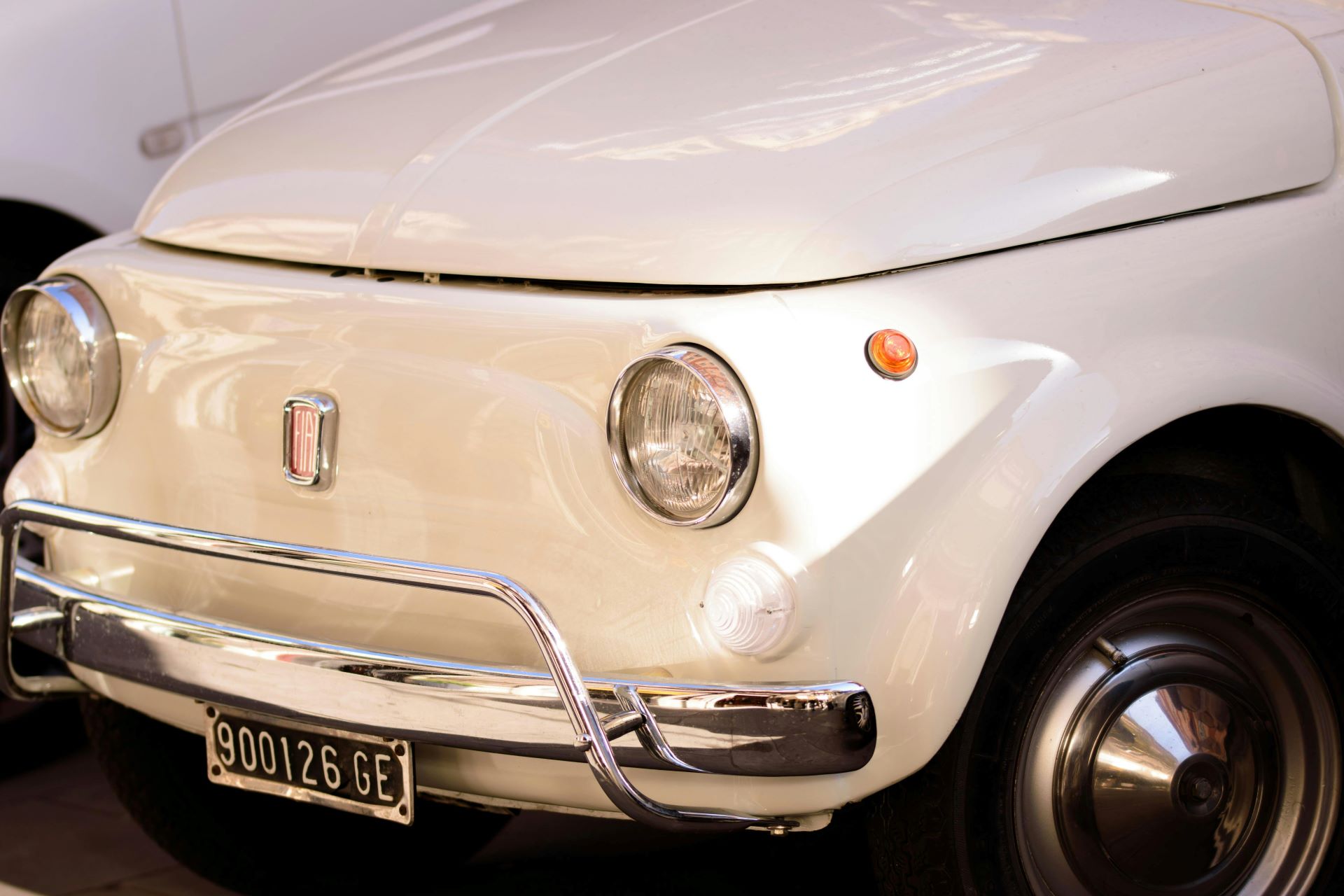
For example, a brand might resurrect a chrome-heavy grille motif from the 1960s, or bring back a script badge that evokes the 1970s. These cues do not guarantee success unless paired with modern engineering, but they provide the visual hook.
Nameplate resurrection
Brands are re-launching classic nameplates: vehicles whose names carry emotional weight. The move is both symbolic and strategic. Bringing back a name that once had cultural relevance signals continuity and identity. Automotive marketing analysis emphasises that heritage can play a key role in how manufacturers link their history with the future.
For example: if a brand had an iconic model decades ago, reviving that name for a new generation gives the marketing team a story, a legacy badge, and an instant recognisable anchor.
Marketing the revival
In campaigns, brands highlight the heritage: Inspired by the 1962 model, Celebrating 50 years of our legendary badge, etc. They often use archival imagery, user stories, brand legends. One commentary on the automotive industry states: Marketing departments must find angles that pluck at consumer heartstrings when reviewing old models or designs, ensure theres more to them than relics of years gone by.
Social media and digital marketing amplify this: letting owners share stories, using hashtags around ÔÇ£legacyÔÇØ, releasing limited heritage editions, etc.
Localising for markets
Because youÔÇÖre based in South Africa and many brands work internationally, itÔÇÖs worth noting: regional memory matters. What evokes nostalgia in one market may not in another. So brands need to adapt heritage cues to local culture while keeping global coherence.
The Mechanics: Combining Old and New
Nostalgia alone isnÔÇÖt enough ÔÇö the revival must integrate contemporary expectations. LetÔÇÖs walk through how marketers and product teams combine heritage with modern relevance.
Preservation of essence, update of substance
A successful heritage revival keeps the essence of the original (nameplate, design cues, story) but delivers substance that meets todayÔÇÖs standards: performance, technology, connectivity, safety. As noted: ÔÇ£Consumers generally want to keep up with the times and stay on the cutting edge of technology.ÔÇØ
If the revived model fails to deliver on modern expectations, the nostalgia will ring hollow ÔÇö it may even backfire.
Triangulating design, tech and story
From a marketing copywriterÔÇÖs perspective: the narrative might run like: ÔÇ£The new [Nameplate] carries forward our iconic lineage ÔÇô the muscle of the 1960s, the innovation of today, the promise of tomorrow.ÔÇØ Then the spec sheet: ÔÇ£Full electric powertrain, advanced driver assistance, retro-inspired lighting signature.ÔÇØ
In other words: the past anchors the identity, the present drives the capability, the future keeps the promise.
Segmenting for impact
Heritage models often become halo products: more expensive, more designed, more story-rich. They raise brand perception across the line-up. But you must decide target segments: enthusiasts, legacy owners, new customers who want a ÔÇ£cool retro badgeÔÇØ. For South Africa and other markets, perhaps also the market for premium second cars, or limited editions for brand-loyal customers.
Digital storytelling and community building
Marketing campaigns for heritage models lean heavily on content: telling the story of the original model, showing archival footage, owner testimonials, ÔÇ£then vs nowÔÇØ visuals. Digital channels:
Instagram reels showing transformation of a classic to the new model.
Hashtags that challenge users to share their first car memories.
Virtual/augmented-reality experiences that place users in the driverÔÇÖs seat of the legacy car.
These tactics turn nostalgia into participation.
Measuring efficacy
Marketers need KPIs that reflect emotional resonance as well as sales: brand sentiment, social engagement (heritage-tagged posts), share of voice in classic/enthusiast communities, uplift in premium registrations, loyalty referrals. According to research: nostalgic cues can drive increased purchase intention.
Case Studies & Global Insights
Here are condensed examples and insights (specific brand names withheld for brevity, unless you want a deep dive) showing how nostalgia-driven automotive campaigns have worked.
A legacy SUV nameplate from the 1970s was revived as a modern off-road electric model. Marketing positioned it as ÔÇ£heritage meets horizonÔÇØ ÔÇö the original modelÔÇÖs silhouette subtly echoed. The campaign invited owners of the original model to share stories. Result: strong media buzz, healthy line-in-showroom interest and premium pricing.
A sports-car brand revisited its iconic 1960s coupe. The new version adopted retro styling cues (round head-lamps, script badge) but came with cutting-edge hybrid powertrain. Marketing emphasised lineage and performance: ÔÇ£Same fearless spirit, re-imagined for 2025.ÔÇØ The dichotomy appealed to both purists and tech-minded buyers.
A mainstream brand in South Africa re-issued a ÔÇ£limited heritage seriesÔÇØ of one of its popular 1980s models ÔÇö keeping the name, colour palette and interior trim references. The campaign leaned into nostalgia: ÔÇ£Remember your first ride? Now ride the legend again.ÔÇØ It created dealer drive-events targeting older buyers who had owned the original.
Global analyses emphasise however that heritage can also be a burden. One consultancy article argued that for brands like Jaguar and Audi, their heritage has been weighed down by the need to break with tradition in certain markets.
The key takeaway: you must handle heritage carefully ÔÇö it should enrich, not restrict.
The South African Relevance
Since you work in South Africa and beyond, letÔÇÖs briefly map how The Nostalgia Effect can play in the South African automotive market.
South African buyers often have strong attachments to local-market legends (e.g., vehicles that were part of everyday life in the 70s-90s). A heritage name-plate revival could tap into those memories and attitudes.
But local cultural cues matter: the nostalgia must speak to local experiences (road trips, family-first cars, township mobility stories) and not just global heritage.
For international brands in South Africa, the challenge is integrating global heritage campaigns with locally relevant storytelling. For example: a global campaign may reference a modelÔÇÖs history in the USA or Europe; local marketing must frame how that nameplate fits South AfricaÔÇÖs past and roads.
From a copywriting perspective: language should reflect this mixture of global and local. You might draw on memory of ÔÇ£the long drive from Johannesburg to Nelspruit in that faithful modelÔÇØ or references to popular culture (music, film) that resonate in South AfricaÔÇÖs generational cohorts.
Because South Africa is high on mobile and digital adoption, digital storytelling of heritage (video, social, influencer content) can be especially effective. Heritage campaigns can drive content that invites user participation (ÔÇ£Upload a photo of your first carÔÇØ, ÔÇ£Tell us your memory of the nameplateÔÇØ).
BestÔÇÉPractice Marketing Tactics for The Nostalgia Effect
Here are some tactical levers to employ ÔÇö sparingly using a dotted list for clarity:
Use archival imagery and original design cues in your visual assets to anchor the narrative.
Emphasise story-telling around the original model: its cultural role, its era, its emotional context.
Blend old and new: pair heritage cues with modern capabilities (tech, safety, sustainability).
Invite consumer participation: user generated content, heritage owner stories, social hashtags.
Leverage limited-edition or special-series launches to make the heritage model feel exclusive.
Use influencers or brand ambassadors who link to the heritage (either as owners of classic models or as storytellers).
Monitor brand sentiment and measure engagement: emotional resonance matters as much as sales.
Adapt across geographies: make sure local memories and cultural touchpoints are addressed.
Avoid over-reliance: nostalgia alone wonÔÇÖt compensate for weak product or irrelevant messaging.
Be authentic and transparent: if you claim heritage, make sure the product and campaign live up to it, or you risk backlash.
Pitfalls and Things to Watch
Even the best-intentioned nostalgia campaign can fall into traps. Some common pitfalls:
Heritage without relevance: If you resurrect a nameplate that nobody remembers, or it lacks cultural resonance in your market, the emotional hook fails.
Style over substance: If design cues are revived but the product lacks modern standard (performance, safety, connectivity) consumers will react negatively. As one article warned: The best nostalgia plays  are brands, models or ideas that are still part of pop culture.
Being trapped by the past: If a brand leans too heavily on heritage and fails to project a future, the message can feel stale. Some brands have even tried to ditch their heritage for a fresh start.
Over-narrow audience: If the campaign only talks to older buyers who remember the original, you might miss younger recruits.
Global-local mismatch: Heritage cues may work in one region but donÔÇÖt translate in another unless adapted thoughtfully.
Dilution of brand identity: If heritage revivals are too frequent or serve as gimmicks, they can dilute the brandÔÇÖs premium positioning.
Risk of nostalgia fatigue: Overuse of ÔÇ£retroÔÇØ aesthetics may feel clich├® or inauthentic. The key is balance.
The Future of Nostalgia in Automotive Marketing
What does the horizon look like for The Nostalgia Effect in the automotive sector?
Electrification meets heritage
As brands shift toward EVs, plug-ins and next-gen mobility, heritage models become valuable anchors. A brand can say: ÔÇ£WeÔÇÖve been pioneers for decades, now we lead the electric age.ÔÇØ The nostalgia helps mitigate the ÔÇ£newness riskÔÇØ. According to commentary: ÔÇ£Therefore battery-electric vehicles are the perfect place to blend risk and exciting new tech with familiar, comforting designs.ÔÇØ
Immersive digital heritage experiences
With VR/AR, brands can offer ÔÇÿheritage ridesÔÇÖ in virtual form, allow users to experience classic models in a digital environment, and then present the new model. Social media content around restoration, story-telling and ownership communities will grow.
Sustainability narratives with heritage credibility
As sustainability becomes central, brands with a long history can claim ÔÇ£we were about craftsmanship long before green was trendyÔÇØ. Heritage provides credibility for long-term stewardship and authenticity in sustainability.
Micro-heritage and derivative campaigns
Beyond full model revivals, brands may use micro-heritage: referencing specific features, interior materials, colour palettes, fonts, or even marketing taglines from the past. This allows the nostalgia effect without the full cost of a new heritage model.
Data-driven nostalgia segmentation
Brands will increasingly use consumer data to understand which generational cohorts resonate with which heritage cues and tailor campaigns accordingly. The one-size-fits-all nostalgia is being replaced by nuanced segmentation.
Heritage-powered communities
Brand communities around classic models will become more digitally integrated: owners of legacy models may be invited into exclusive brand clubs, restoration programmes, ambassador roles ÔÇö which in turn enhance loyalty and advocacy.
A CopywriterÔÇÖs Take: How to Write for Nostalgia-Driven Campaigns
As someone who crafts the words behind the visuals, hereÔÇÖs how you might approach copy-writing for a heritage-revival automotive campaign.
Voice & tone
Use a tone that respects the past but looks forward. Avoid sounding staid or overly sentimental; rather, blend warmth with excitement. For example: ÔÇ£Back when the open road felt endless, we built the [Nameplate]. Today we build its legacy anew.ÔÇØ
Inject authenticity: reference original model features or cultural touchpoints without over-romanticising.
Story arcs
Structure copy around a three-part story:
The original era (what made the model iconic)
The revival (whatÔÇÖs new, how we reinterpreted)
The future (why this matters now, what it enables)
Emotional triggers
Use sensory and memory cues: ÔÇ£the rumble of an engine at dawnÔÇØ, ÔÇ£the chrome catching first light on a coastal roadÔÇØ, ÔÇ£the first journey you ever made behind the wheelÔÇØ. Link those to modern experiences: ÔÇ£the quiet of electric powertrain waiting for youÔÇØ, ÔÇ£the LED lighting signature that winks to heritageÔÇØ.
Localisation
Since you work for South African and international markets: tailor local references. Example: ÔÇ£From Cape TownÔÇÖs early Sunday drives past ChapmanÔÇÖs Peak to todayÔÇÖs motorway ahead of youÔÇØ. Use local metaphors and memories that your target will recognise.
Call to participation
Encourage user engagement: ÔÇ£Share your first [Nameplate] memory with #DriveTheLegendÔÇØ, ÔÇ£Join our heritage club and take a restored original out for a spinÔÇØ. Create bridges between past owners and new prospects.
Avoid pitfalls
DonÔÇÖt over-promise: avoid suggesting the past model was perfect or flawless. Acknowledge evolution: ÔÇ£We built on the original, improved the tech, refined the experienceÔÇØ.
Be credible: if you claim legacy, ensure the product or campaign holds up.
In the automotive marketing world, where differentiation is ever-harder, the Nostalgia Effect offers a compelling pathway: revive the past, celebrate heritage, and pair it with modern relevance to win both hearts and market share. For brands, the strategy is not about living in the past ÔÇö itÔÇÖs about honouring legacy while driving the future. And for copywriters (yes ÔÇô even silly little ones like me who might slip an unhinged metaphor about how finned tail-lights haunt boardrooms), the task is rich with storytelling potential.
If youÔÇÖre crafting a campaign that leans into heritage, remember: emotion is the engine, authenticity is the chassis, and modern relevance is the fuel. Harness the nostalgia, but donÔÇÖt let it idle ÔÇö steer it toward the future.
Let me know if youÔÇÖd like me to pull in specific brand case studies, or craft sample headlines and copy for a South African market heritage model launch.
Breyten Odendaal
Specializing in high-performance automotive advertising and digital marketing solutions, delivering cutting-edge insights and the latest news shaping the automotive industry in South Africa.
More From Advertising

Automotive Advertising in 2026: Selling Confidence in a More Competitive Market
As South Africa’s vehicle market becomes more competitive, automotive advertising needs to do more than announce a price or specification. It needs to help buyers understand value, ownership costs and why a vehicle suits their lives.

Automotive Digital Ads in South Africa: A Shift
Exploring how South Africa’s automotive advertising evolved from print and broadcast to data-driven, programmatic digital ecosystems.

The Video Shift in Car Buying Decisions in SA
Explore how video content shapes car purchase decisions in South Africa, comparing short-form and long-form strategies for automotive marketers.