
In an era dominated by rapid technological advances and relentless innovation, the marketing world has witnessed a remarkable renaissance of nostalgia. Brands across industries, from automotive to fashion, are embracing retro-inspired marketing strategiesÔÇönot just to rekindle memories, but to craft emotional connections that resonate deeply with modern consumers. This is more than a trend; it is a strategic revival of classic icons, styles, and stories designed to engage both longstanding fans and curious newcomers alike.
The Power of Nostalgia in Modern Marketing
Nostalgia taps into a universal human emotion, evoking warmth, comfort, and a longing for the past. Marketers who understand the profound psychological impact of nostalgia can leverage it to create campaigns that feel authentic and compelling. Retro-inspired marketing offers a bridge between erasÔÇöinviting audiences to revisit beloved moments while experiencing them anew through contemporary lenses.
The success of such campaigns hinges on their ability to balance authenticity with innovation. A retro-themed approach that is overly reliant on imitation risks alienating modern consumers, while a purely modernized take might lack the emotional resonance that nostalgia provides. The sweet spot lies in crafting stories that honor heritage but speak directly to todayÔÇÖs values, aesthetics, and technological standards.

Classic Icons Reimagined for TodayÔÇÖs Audience
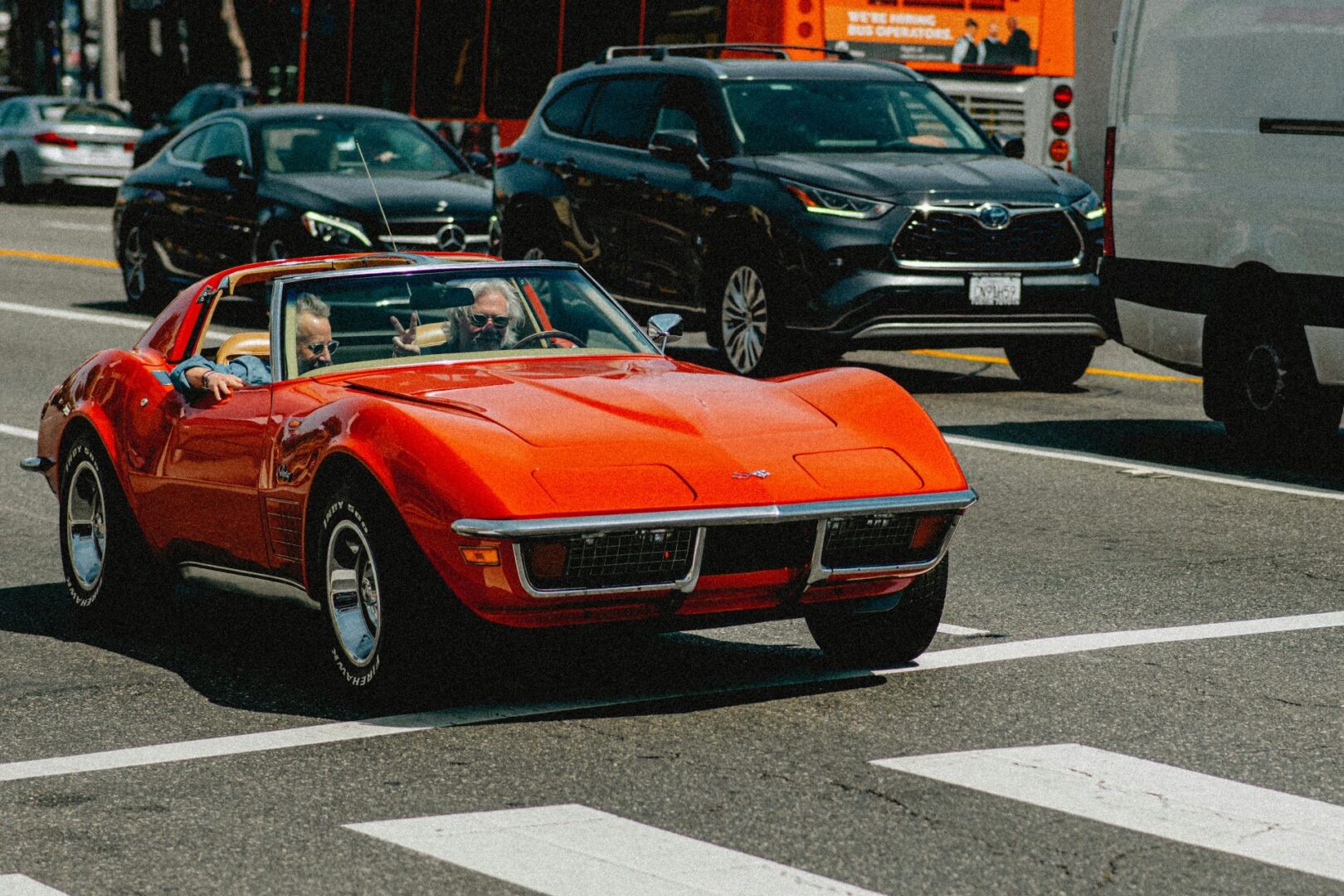
One of the most visible arenas for retro marketing is the automotive industry, where timeless models are revived with cutting-edge engineering and design innovation. Consider the resurgence of vehicles like the Volkswagen Beetle, the Ford Mustang, or the MINI CooperÔÇöall models that have successfully blended their classic silhouettes and design cues with modern performance, safety, and tech.
These revivals are not mere reissues but carefully curated reinterpretations. By maintaining iconic visual elementsÔÇösuch as the distinctive shape of the MustangÔÇÖs grille or the BeetleÔÇÖs rounded curvesÔÇömanufacturers create instant recognition. Meanwhile, updated interiors, electric powertrains, and smart connectivity features ensure relevance in a fast-evolving market.
The success of these vehicles is mirrored by their marketing campaigns, which often play on storytelling that draws upon the brandÔÇÖs rich history while positioning the product as a contemporary lifestyle choice. The message is clear: the past is not just remembered, it is lived forward.
Emotional Storytelling: The Heart of Retro Marketing
At its core, retro marketing is about storytelling. It invites audiences to become part of a narrative that spans generations, combining shared memories with new experiences. Effective campaigns tap into emotionsÔÇöbe it the thrill of youth, the excitement of discovery, or the comfort of familiarity.
Campaigns that resonate often incorporate elements such as vintage aesthetics, period music, or cultural references that evoke a particular time and place. However, these are carefully paired with modern messaging that aligns with current consumer values, whether that be sustainability, diversity, or digital innovation.
For example, brands revitalising their logos or packaging designs from decades past can rekindle brand loyalty while signaling a commitment to authenticity and craftsmanship. Similarly, limited edition retro-themed products or collaborations with artists and designers can generate buzz and exclusivity, sparking consumer desire without relying on mere nostalgia alone.
Cross-Generational Appeal: Bridging Old and New
A hallmark of successful retro-inspired marketing is its ability to bridge generations. Older consumers appreciate the homage to familiar classics, while younger audiences are attracted by the aesthetic appeal and the story behind the revival. This dual appeal not only broadens market reach but creates a sense of community and shared experience across age groups.
Social media platforms have amplified this effect, enabling brands to engage with diverse audiences through storytelling formats like short videos, interactive posts, and influencer partnerships. Retro themes work exceptionally well on these platforms because of their visual impact and emotional pull.
By incorporating user-generated content and encouraging consumers to share their own nostalgic memories or reinterpretations, brands foster deeper engagement and organic advocacy. The result is a vibrant ecosystem where past and present coexist in a dynamic conversation.
The Role of Authenticity and Quality
In the age of savvy consumers, authenticity remains the cornerstone of effective retro marketing. Audiences are quick to spot superficial attempts to cash in on nostalgia without genuine substance. Therefore, brands must invest in understanding their heritage and the values that made their classics beloved in the first place.
Quality craftsmanship, transparency about materials and production methods, and respect for cultural context elevate retro-inspired products beyond gimmicks. When consumers perceive a product or campaign as thoughtfully designed and authentically connected to its legacy, they are far more likely to respond positively.
This principle is especially vital in sectors like automotive or fashion, where design, performance, and ethical considerations intertwine with brand heritage. Retro marketing that integrates these elements authentically can transform a product from a mere throwback into a statement of timeless value.
Beyond Product: Experiences and Communities
The most effective retro marketing strategies extend beyond products to create immersive brand experiences and foster communities. Events, pop-up museums, virtual reality tours, and digital archives offer consumers ways to engage with a brandÔÇÖs history on a deeper level.
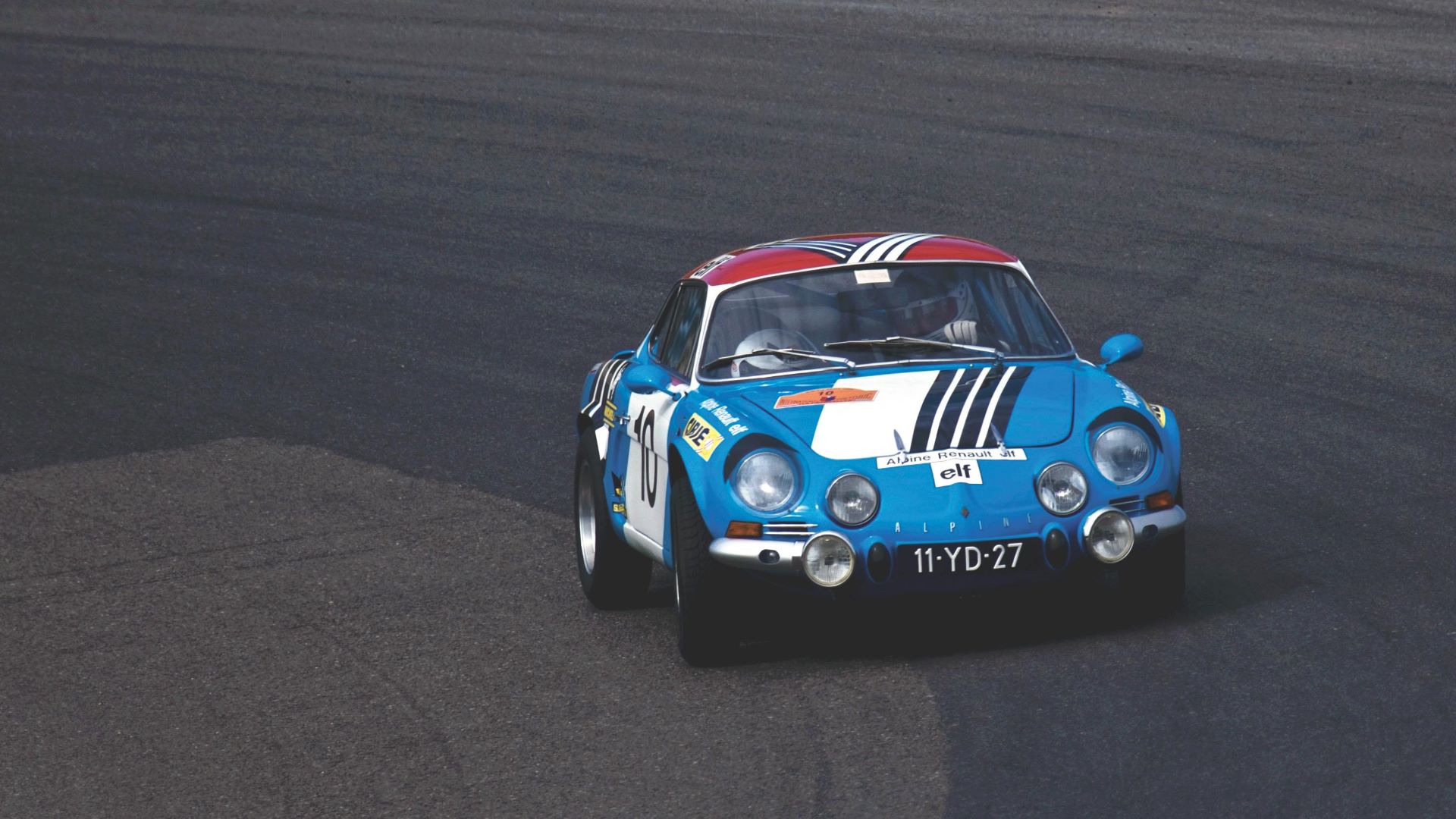
For example, automotive brands might host classic car rallies or restoration workshops that celebrate craftsmanship and heritage. Fashion labels could collaborate on exhibitions showcasing vintage collections alongside contemporary designs, highlighting the evolution of style and culture.
These experiences build brand loyalty by cultivating emotional bonds that transcend transactional relationships. They invite consumers to become custodians of a shared legacy, transforming marketing from a monologue into a meaningful dialogue.
Measuring Success in Retro Marketing
While the emotional and cultural dimensions of retro marketing are profound, its impact is also measurable. Key indicators include increased brand engagement on social media, growth in sales of retro-inspired products, and enhanced brand perception metrics.
Tracking these outcomes requires sophisticated tools to analyse consumer sentiment and behaviour across channels. However, the payoff can be significant: retro campaigns often generate higher-than-average engagement rates, attract media attention, and provide rich content for ongoing brand storytelling.
Moreover, by revitalising legacy products or collections, brands can leverage existing assets, reducing development costs while expanding revenue streams. This synergy between heritage and innovation embodies the essence of smart retro marketing.
Crafting the Future by Embracing the Past
Retro-inspired marketing is far more than a nostalgic glance backward; it is a strategic, nuanced approach to connecting generations, emotions, and values through timeless stories and designs. Brands that succeed in this arena do so by honouring their heritage authentically while innovating to meet contemporary expectations.
By reviving classics with care, creativity, and respect, marketers can create compelling narratives that resonate with todayÔÇÖs consumersÔÇöinviting them not just to remember, but to belong. The past, when harnessed with insight and imagination, becomes a powerful engine for future growth.
Breyten Odendaal
Specializing in high-performance automotive advertising and digital marketing solutions, delivering cutting-edge insights and the latest news shaping the automotive industry in South Africa.
More From Advertising

Automotive Advertising in 2026: Selling Confidence in a More Competitive Market
As South Africa’s vehicle market becomes more competitive, automotive advertising needs to do more than announce a price or specification. It needs to help buyers understand value, ownership costs and why a vehicle suits their lives.

Automotive Digital Ads in South Africa: A Shift
Exploring how South Africa’s automotive advertising evolved from print and broadcast to data-driven, programmatic digital ecosystems.

The Video Shift in Car Buying Decisions in SA
Explore how video content shapes car purchase decisions in South Africa, comparing short-form and long-form strategies for automotive marketers.