
A Legacy Model at a Crossroads
For more than a century, the traditional car dealership has stood as the front line of automotive sales. Large showrooms on city fringes or suburban strips, lined with gleaming models beneath bright lights, once represented the pinnacle of consumer aspiration. Buyers came to test drive, negotiate, and sign their contracts at a desk surrounded by branded paraphernalia. For many decades, this model was resilient, even as retail in other sectors underwent radical transformation.
But change has come for the automotive world as well. Shifting consumer behaviour, the digitalisation of the purchase journey, the electrification of vehicles, and rising urbanisation are all combining to unravel the once unquestioned dominance of the traditional dealership. The younger generationsÔÇödigital natives raised on the instant gratification of online shopping and personalised experiencesÔÇöare increasingly disinterested in the transactional sterility of the old sales floor. Instead, they demand encounters that align with the way they interact with brands across fashion, tech, and lifestyle.
The car dealership of the future is emerging not as a singular monolith but as a network of touchpointsÔÇöexperiential hubs, pop-up stores, and urban brand centresÔÇöthat together create a far more dynamic marketing funnel. Where once the funnel ended with a sales manager shaking a hand, it now resembles a circular ecosystem of engagement, designed to build affinity, deepen brand identity, and seamlessly blend digital with physical.
From Transaction to Experience
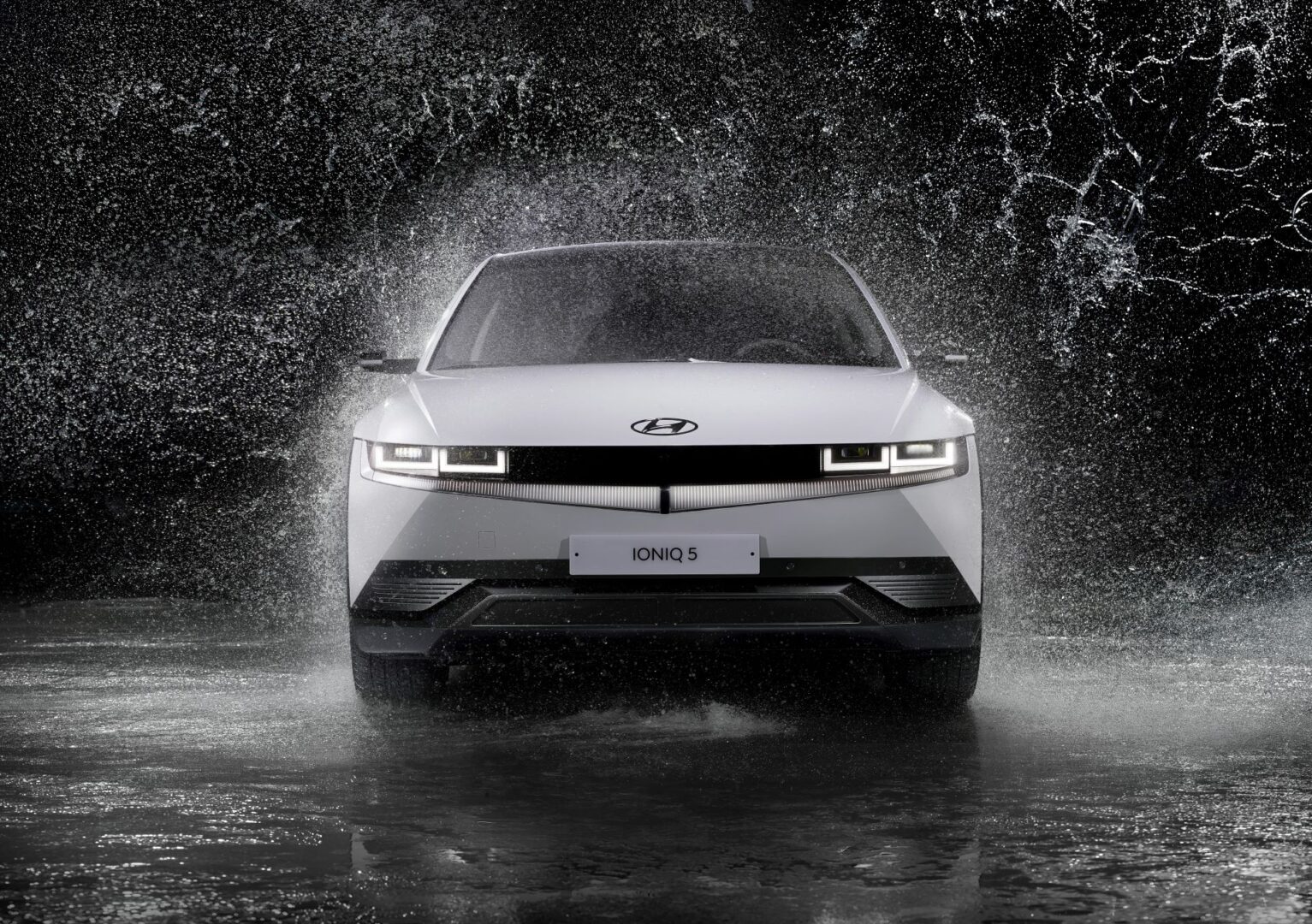
The key shift in automotive retail is the move from transactional spaces to experiential environments. A showroom used to be about stock, square footage, and inventory. Rows of identical cars were designed to convey scale and choice, yet often left buyers overwhelmed or disconnected. Today, the most progressive manufacturers are reimagining these spaces as destinations where consumers can experience the brandÔÇÖs ethos, not just its products.
This experiential turn is not accidental. It mirrors wider consumer behaviour across other industries, where physical retail is thriving not in spite of e-commerce but because it offers something digital cannotÔÇöhuman connection, tactility, and immersion. Automotive brands have seized on this to reposition their retail strategies around spaces that feel closer to lifestyle venues than traditional dealerships.
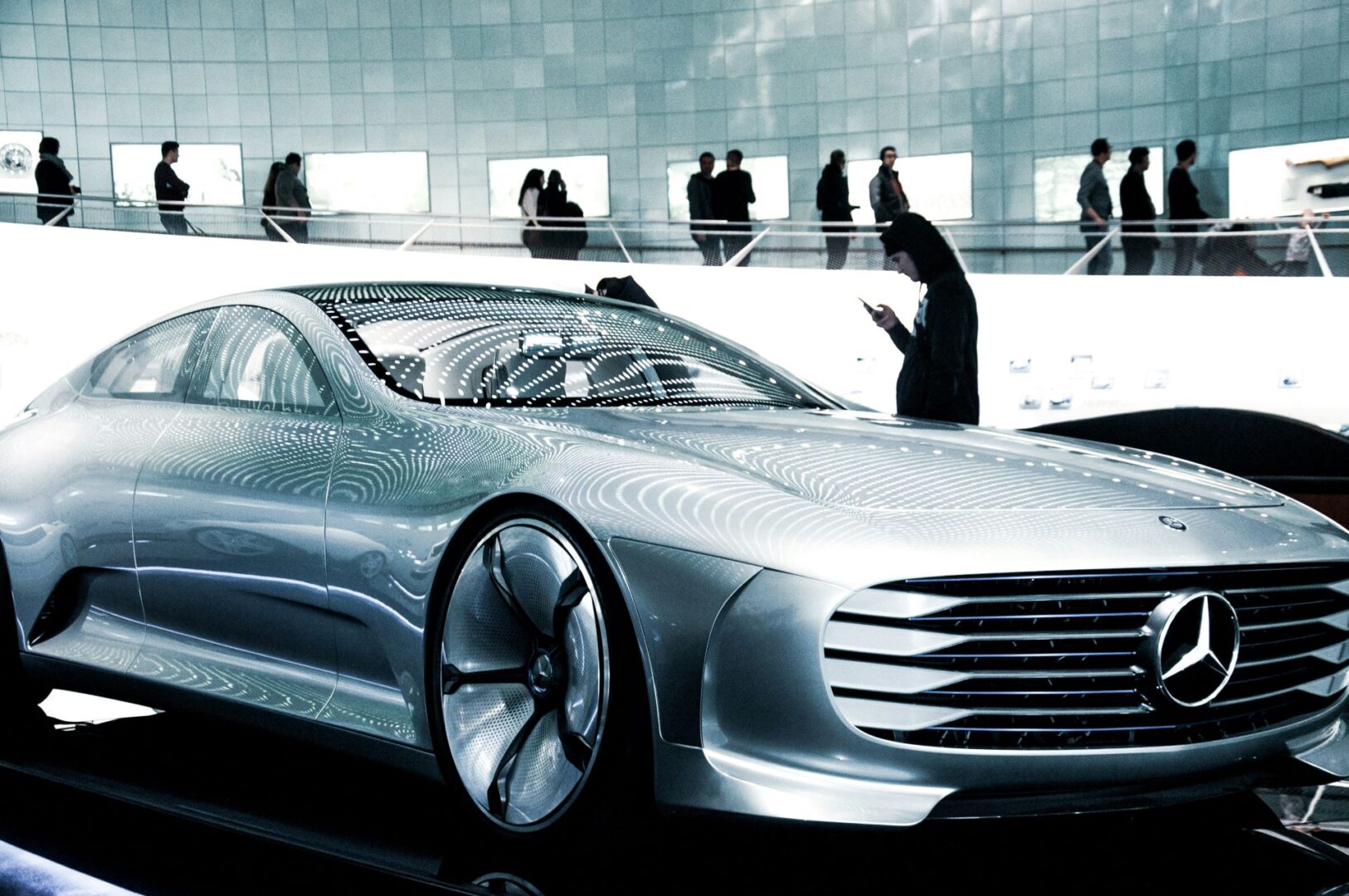
Take the example of VolvoÔÇÖs ÔÇ£Studio RetailÔÇØ concept or Mercedes-BenzÔÇÖs ÔÇ£brand storesÔÇØ in prime city locations. These are not places where a salesperson chases down a lead with a clipboard. Instead, they are modern, welcoming environments where visitors can explore design materials, attend curated events, and connect with experts who advise rather than sell. Coffee bars, lounges, and interactive displays replace sales desks and fluorescent lighting. The car is still at the centre, but the focus is no longer purely on the metalÔÇöit is on the lifestyle it promises.
The Rise of Urban Brand Centres
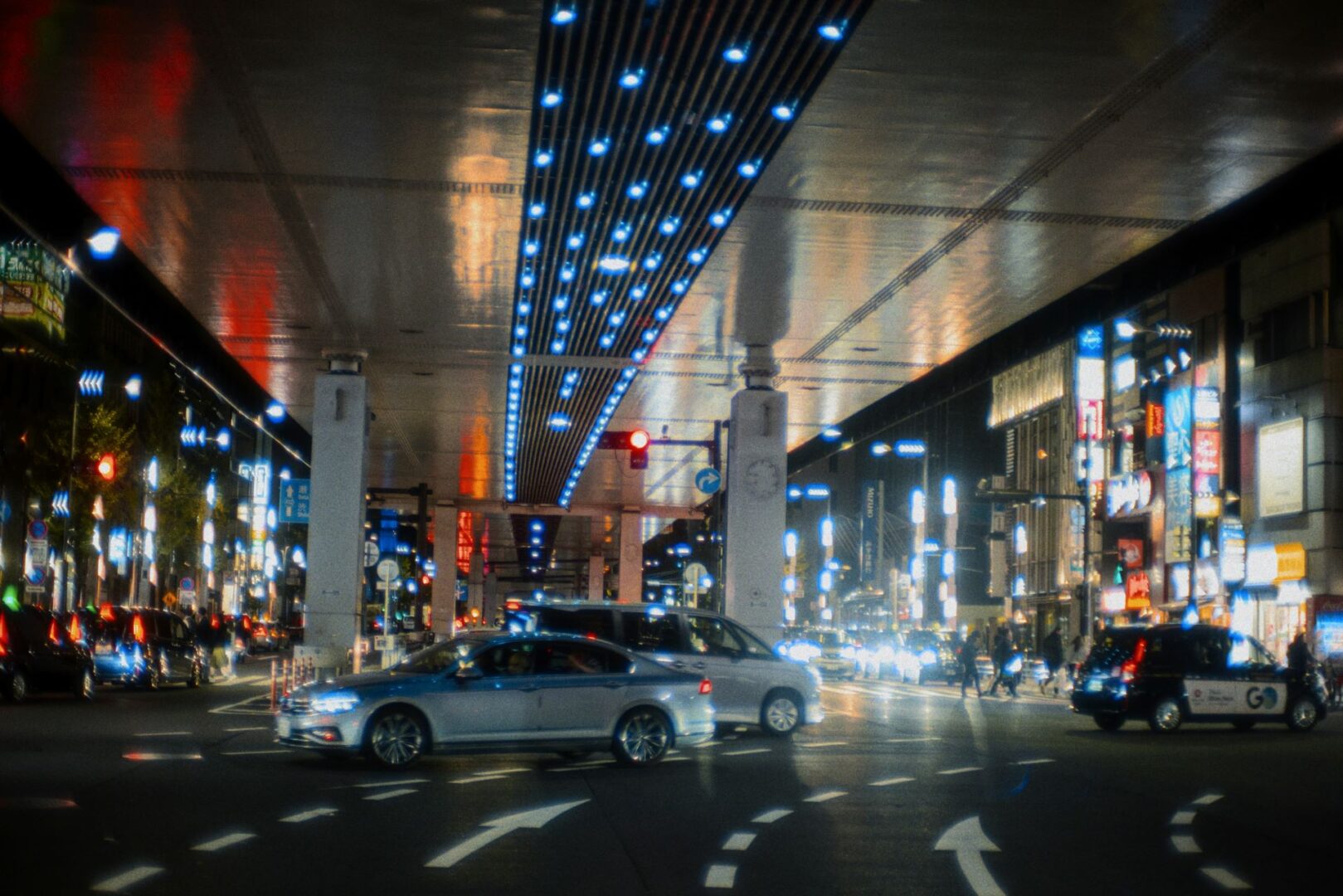
Urban brand centres have become the flagship embodiment of this new retail philosophy. Situated in high-traffic districtsÔÇöoften within luxury shopping zones or cultural quartersÔÇöthey serve as physical embodiments of brand identity. Unlike sprawling out-of-town dealerships, these centres are designed to attract both intentional visitors and spontaneous foot traffic, capturing audiences who may not even be in the market for a new vehicle but who leave with a heightened sense of brand recognition.
For carmakers, this shift is strategic. As cities grow denser and younger populations embrace car-sharing and micro-mobility, vehicle ownership models are evolving. Urban brand centres reflect this by broadening the brand relationship beyond ownership. They provide education on electrification, offer insight into connectivity services, and highlight subscription or mobility-as-a-service models alongside outright purchase.
Tesla was perhaps the earliest and most disruptive pioneer here. Its boutique stores in shopping malls fundamentally redefined consumer expectations. The idea that one might wander past a Tesla while shopping for sneakers at a Nike store or browsing at Apple underscored how cars could be repositioned as aspirational lifestyle products. Now, others are following suitÔÇöPolestar with its architecturally distinctive ÔÇ£Spaces,ÔÇØ Genesis with its lounge-like studios, and MINI with its heritage-infused pop-ups. Each places brand storytelling and urban visibility ahead of inventory display.
Pop-Ups: Agility in Motion
If brand centres are anchors, pop-up stores are the agile scouts. These temporary retail environments have become one of the most versatile tools in the automotive marketerÔÇÖs arsenal. A pop-up might take the form of a container showroom in a beach town for summer, a temporary installation at a festival, or an immersive test-drive hub at a sporting event.
The brilliance of pop-ups lies in their flexibility. They allow brands to meet customers where they are, rather than expecting customers to travel to them. They also inject freshness into the brand narrative, creating time-limited experiences that encourage immediacy and curiosity. Unlike static dealerships, pop-ups carry the excitement of scarcityÔÇöÔÇ£here today, gone tomorrowÔÇØÔÇöwhich drives footfall and word-of-mouth attention.
Moreover, they are particularly effective for EV adoption. One of the greatest barriers to electrification remains education. Pop-up stores provide a perfect opportunity for hands-on engagement, where consumers can learn about charging, range, and costs in an informal, approachable setting. Brands like Kia, Hyundai, and Volkswagen have leveraged pop-ups in retail parks and public plazas across Europe to demystify EVs and bring test drives directly into the heart of communities.
Experiential Hubs: Beyond the Showroom
Experiential hubs represent the fullest expression of this retail reimagining. Larger than brand centres and more permanent than pop-ups, they are designed as multifunctional destinations that combine retail, hospitality, culture, and education under one roof. They are less about selling cars in the traditional sense and more about embedding the brand into the lifestyle of the community.
BMWÔÇÖs ÔÇ£WeltÔÇØ in Munich remains the most iconic example. Part museum, part event venue, part delivery centre, it serves as a global showcase for the brand while offering visitors the chance to engage with cutting-edge technology, heritage, and design. Similarly, AudiÔÇÖs ÔÇ£House of ProgressÔÇØ installationsÔÇörolling out across multiple citiesÔÇöblend art exhibitions, digital installations, and panel discussions with product exploration.
These hubs are not only about spectacle. They create data-driven opportunities for manufacturers to capture consumer interest, track behaviour, and feed insights back into the digital ecosystem. Every interactionÔÇöfrom configuring a car on a touchscreen to booking a test driveÔÇögenerates valuable data that strengthens the personalised marketing funnel.
The Reconfigured Marketing Funnel
At the heart of this transformation is a reconfigured marketing funnel. Where once the dealership sat firmly at the bottom as the decisive conversion point, it is now only one of several converging nodes. The journey often begins online, where a consumer explores, configures, and perhaps even secures financing digitally. Physical spaces now serve as amplifiers and enhancers, designed to reinforce trust, eliminate uncertainty, and deepen the emotional bond.
In this funnel, experiential hubs sit at the top, broadening awareness and embedding brand values. Urban brand centres capture mid-funnel consumers by providing more specific engagement opportunities. Pop-ups, by contrast, can appear at multiple stages, bridging awareness with trial through test drives or direct product interactions. The traditional dealershipÔÇöleaner, more digitally integrated, and more focused on delivery and aftersalesÔÇöremains, but its role is evolving into one node among many rather than the singular endpoint.
The Digital-Physical Continuum
Underlying all of this is the digital-physical continuum. The future of automotive retail is neither purely digital nor purely physical; it is a hybrid model where each amplifies the other. Online configurators, virtual test drives, and AI-driven chat platforms allow for initial exploration, while physical venues bring the product to life in ways a screen cannot.
Crucially, the continuity between the two is seamless. A consumer who begins configuring a car online can walk into a brand centre and continue where they left off, with all their preferences saved. Sales associates, now repositioned as product experts or brand ambassadors, can access this data to provide personalised support. In some cases, augmented reality and VR extend the physical environment, enabling visitors to explore variants not present on site.
This digital-physical integration also extends into ownership. Connected apps link the consumer back to the brand after purchase, while hubs and centres remain places for community, service, and ongoing engagement. The funnel thus becomes cyclical rather than linearÔÇöownership feeds back into advocacy, and advocacy drives new prospects into the loop.
A Shift in Metrics
For decades, dealerships were measured by hard sales: units sold, margins achieved, finance penetration rates. In the new model, metrics expand. Brand centres may be judged on footfall, dwell time, and event attendance. Pop-ups on test drives booked or digital leads captured. Experiential hubs on social impressions, press coverage, and brand sentiment.
This requires a mindset shift not only for manufacturers but also for dealer networks and investors. Success is no longer defined solely by the number of contracts signed but by the richness of the customerÔÇÖs journey and the longevity of the relationship. The most valuable dealerships of the future may be those that blur the line between retail, media, and community space.
A New Era of Automotive Retail
The car dealership of the future will not vanishÔÇöit will evolve. The suburban forecourt may still exist, but it will be slimmer, smarter, and part of a broader constellation of touchpoints. The weight of consumer influence will shift towards experiential hubs, brand centres, and pop-ups, which together create a far more engaging and resilient marketing funnel.
This is retail reimagined: a move from transaction to experience, from inventory to identity, and from static spaces to dynamic ecosystems. For automotive brands, it represents not only a necessary adaptation to changing behaviours but also a powerful opportunity to reinvent themselves as cultural and lifestyle leaders.
The question is no longer whether consumers will buy cars this way. Increasingly, the question is whether brands can afford not to meet them there.
Breyten Odendaal
Specializing in high-performance automotive advertising and digital marketing solutions, delivering cutting-edge insights and the latest news shaping the automotive industry in South Africa.
More From Advertising
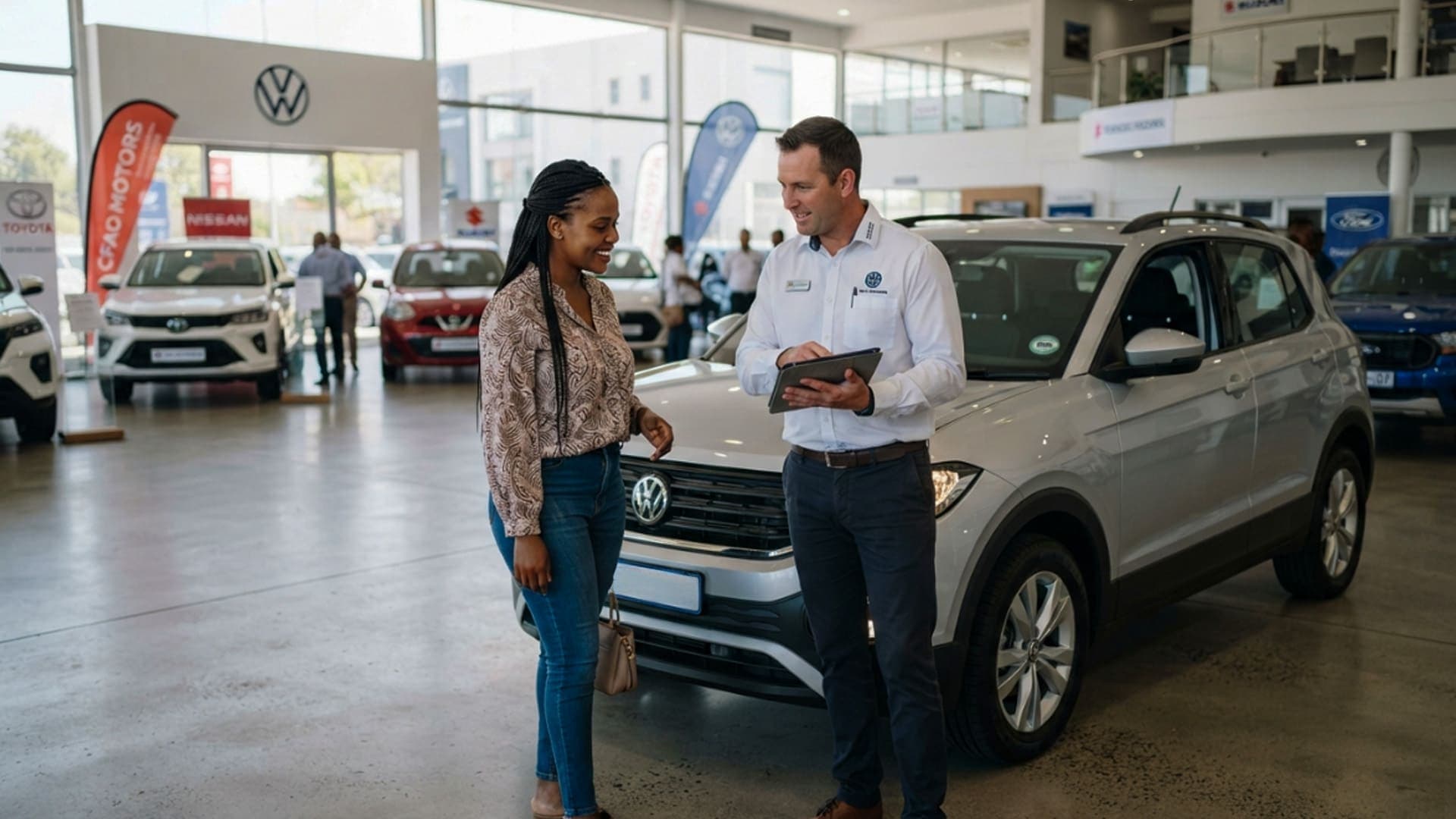
Automotive Advertising in 2026: Selling Confidence in a More Competitive Market
As South Africa’s vehicle market becomes more competitive, automotive advertising needs to do more than announce a price or specification. It needs to help buyers understand value, ownership costs and why a vehicle suits their lives.

Automotive Digital Ads in South Africa: A Shift
Exploring how South Africa’s automotive advertising evolved from print and broadcast to data-driven, programmatic digital ecosystems.

The Video Shift in Car Buying Decisions in SA
Explore how video content shapes car purchase decisions in South Africa, comparing short-form and long-form strategies for automotive marketers.