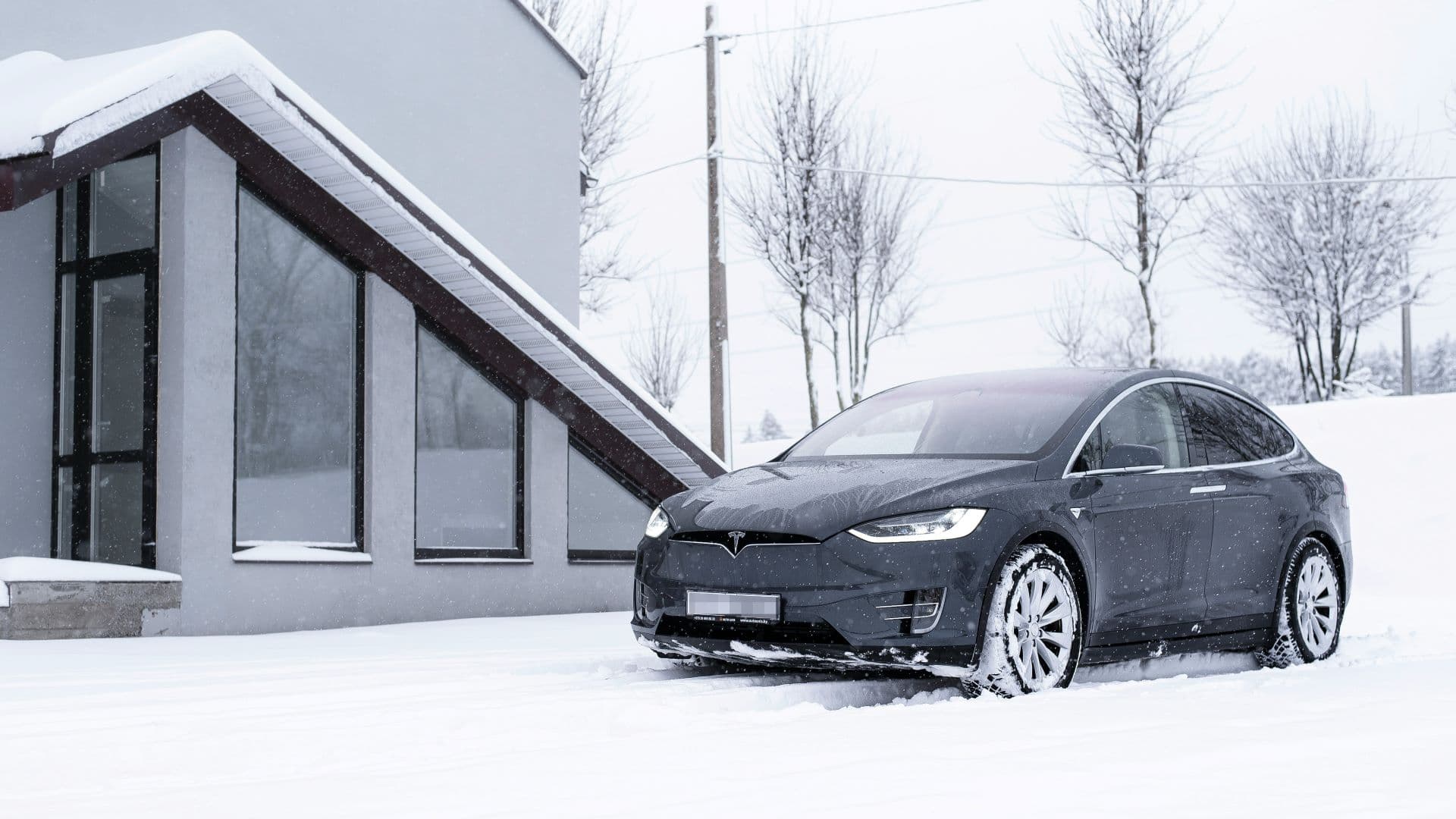
he automotive world is at a crossroads. For decades, the roar of engines and the gleam of chrome defined the roads, but today, the industry is witnessing a seismic shift. Sustainability is no longer a buzzword; itÔÇÖs becoming the core of the automotive narrative. With growing awareness of climate change and a world increasingly focused on eco-conscious living, automotive brands are taking bold steps toward reinventing the roadÔÇöone vehicle at a time.
For automotive enthusiasts, this shift is thrilling not only because it promises exciting new technology but also because it signals the dawn of a new era where performance and environmental responsibility can go hand in hand. From electric powertrains to innovative manufacturing processes, brands are making sustainability a key part of their DNA. And it's more than just a trend; it's a fundamental transformation in how we think about cars and driving. In this article, we explore how automotive brands are weaving sustainability into their stories and the exciting future this holds for car lovers everywhere.
The Evolution of Automotive Sustainability
The journey toward a greener automotive future began with small, incremental changes. The hybrid car, introduced in the late 1990s, was one of the first signs that the industry was looking beyond fossil fuels. But it wasnÔÇÖt until the early 2000s that the true shift started to take form. As technology advanced, electric vehicles (EVs) became viable alternatives, with companies like Tesla and Nissan pushing the envelope in making zero-emissions cars both practical and desirable.
The environmental push grew stronger with every passing year. Governments around the world began setting stricter emissions standards, encouraging manufacturers to innovate further. Consumer demand for more eco-friendly vehicles reached new heights, fueled by greater environmental awareness and the promise of lower running costs.
Milestones such as the Tesla Roadster's 2008 debut, the Nissan LeafÔÇÖs mass-market success, and the increasing global availability of EV charging stations helped solidify the case for a greener automotive future. These innovations have laid the foundation for the next phaseÔÇöwhere electrification, alternative fuels, and green manufacturing processes are poised to reshape the industry.
Brand Vision and Storytelling
Automotive brands are no longer just selling cars; they are selling a vision of the futureÔÇöa future thatÔÇÖs cleaner, smarter, and more sustainable. To connect with todayÔÇÖs consumers, many companies have embraced storytelling as a central element of their marketing strategies.
Take, for example, VolvoÔÇÖs campaign around the launch of its fully electric models. The Swedish brand has consistently championed sustainability, with a clear message: "The future is electric." Their campaigns emphasize VolvoÔÇÖs commitment to reducing carbon emissions, positioning the brand as a leader in responsible innovation. This storytelling approach doesnÔÇÖt just highlight the products but also integrates their environmental impact, offering a glimpse into a more sustainable future.
Likewise, Mercedes-Benz, with its EQ brand, showcases electric vehicles as part of an elegant and luxurious lifestyle that doesnÔÇÖt sacrifice performance or style. Their ÔÇ£Electric nowÔÇØ campaign isnÔÇÖt just about the vehicles; it's about creating a narrative where luxury meets sustainability, appealing to both traditional automotive fans and eco-conscious consumers.
By aligning their brands with a greener future, companies are creating emotional connections with consumers, who are increasingly looking for more than just a carÔÇöthey want a car that reflects their values. Sustainability is no longer a secondary feature; itÔÇÖs an integral part of the story these brands are telling.
Technological Innovations Driving Change
Behind the scenes, technological innovations are making this green future possible. The electric vehicle market, for example, has seen enormous advancements in battery technology, enabling longer ranges, faster charging times, and more affordable prices. The rapid development of solid-state batteries promises even greater efficiency, pushing electric vehicles closer to mass-market affordability.
Alternative fuels like hydrogen are also making waves, with brands like Toyota and Hyundai investing heavily in fuel cell technology. These vehicles produce only water vapor as a byproduct, making them an ideal solution for reducing pollution in heavy-duty sectors like trucks and buses.
In addition to powertrains, the way vehicles are made is also evolving. Manufacturers are incorporating more sustainable materials, from recycled plastics to plant-based composites, into vehicle interiors and body panels. Some brands, such as BMW, are pushing for more energy-efficient manufacturing processes, powered by renewable energy sources.
ItÔÇÖs not just about reducing the carbon footprint of the vehicles themselves; itÔÇÖs about making the entire processÔÇöfrom design to manufacturing and disposalÔÇögreener. These innovations are not only helping reduce environmental impact, but they are also enhancing vehicle performance. Electric powertrains offer instant torque, while energy-efficient manufacturing processes are creating lighter, stronger cars with improved safety and handling.
Challenges and Opportunities
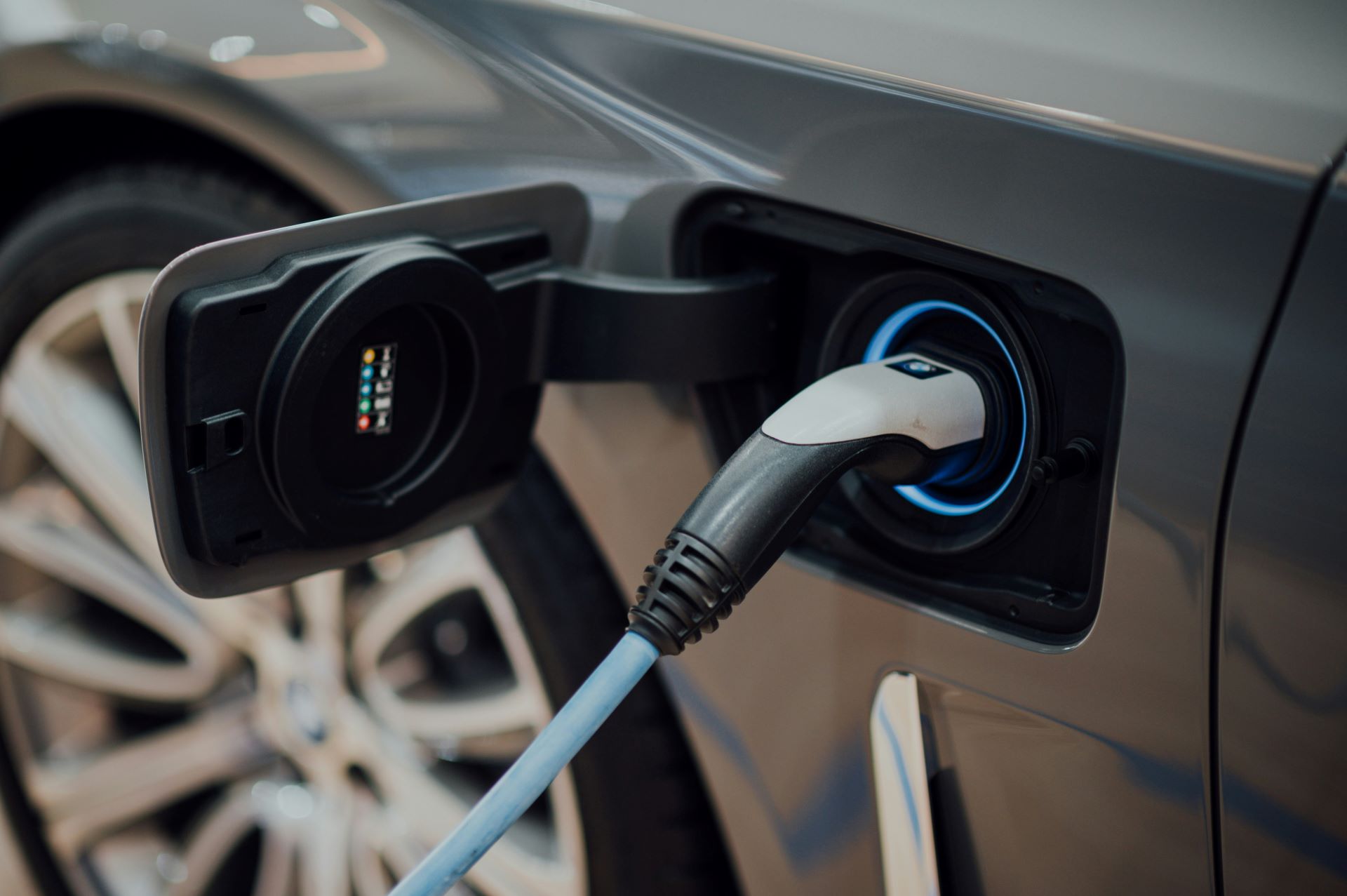
Of course, this green revolution doesnÔÇÖt come without its challenges. One of the biggest hurdles facing the automotive industry is the infrastructure required to support widespread adoption of electric vehicles. While charging stations are growing in number, they are still limited in many areas, particularly in rural regions. Governments and private companies are working to address these gaps, but it will take time for the infrastructure to catch up to the technology.
Another challenge is the cost. Electric vehicles, while becoming more affordable, still carry a higher upfront price than their gasoline counterparts. However, as battery costs continue to fall and economies of scale come into play, EVs will become more accessible to a wider range of consumers.
On the policy side, stricter emissions regulations are pushing manufacturers to speed up their green transformation. For instance, the European UnionÔÇÖs plans to ban the sale of internal combustion engine cars by 2035 are compelling brands to accelerate their electric vehicle programs.
The opportunity, however, lies in innovation. The automotive industry has always been at the forefront of technological advancements, and the green revolution is no different. There is immense potential for companies to become leaders in sustainability, gaining consumer loyalty and market share by offering cleaner, greener solutions.
The Role of Consumers and Enthusiasts
As enthusiasts, consumers play a crucial role in this transformation. Your preferences, purchases, and passion for cars are shaping the direction of the industry. The demand for sustainable vehicles has already made a profound impact on automakers, pushing them to innovate and take bold steps toward a greener future.
Enthusiasts can support the green movement by considering their own carbon footprint when choosing their next vehicle. Whether it's opting for an electric vehicle, supporting brands with transparent sustainability practices, or simply spreading the word about the benefits of green driving, car lovers have the power to influence change. Enthusiasts can also engage in community discussions, share knowledge about sustainable technologies, and participate in online forums or social media groups dedicated to green automotive innovations.
Ultimately, itÔÇÖs the collective actions of both manufacturers and consumers that will pave the way for a sustainable automotive future.
The automotive industry is undergoing a transformation. Sustainability is no longer a buzzword but a core principle thatÔÇÖs shaping the future of driving. With the combination of technological advancements, innovative design, and forward-thinking marketing, brands are telling powerful stories of a greener futureÔÇöone thatÔÇÖs exciting for car enthusiasts and environmentally conscious consumers alike.
As we look ahead, the road to a sustainable future is full of opportunity. By embracing the innovations of today and supporting the green initiatives of tomorrow, we can all contribute to driving the change that the industryÔÇöand the planetÔÇöso desperately needs.
Breyten Odendaal
Specializing in high-performance automotive advertising and digital marketing solutions, delivering cutting-edge insights and the latest news shaping the automotive industry in South Africa.
More From Advertising

Automotive Advertising in 2026: Selling Confidence in a More Competitive Market
As South Africa’s vehicle market becomes more competitive, automotive advertising needs to do more than announce a price or specification. It needs to help buyers understand value, ownership costs and why a vehicle suits their lives.

Automotive Digital Ads in South Africa: A Shift
Exploring how South Africa’s automotive advertising evolved from print and broadcast to data-driven, programmatic digital ecosystems.

The Video Shift in Car Buying Decisions in SA
Explore how video content shapes car purchase decisions in South Africa, comparing short-form and long-form strategies for automotive marketers.