
The Shift from Speed to Serenity
Luxury has always been a reflection of societal values, a mirror of what is considered desirable, aspirational, and emblematic of status. Historically, luxury in the automotive sector has been synonymous with speed, power, and visual opulence. From the roaring V12 engines of a Ferrari to the gleaming chrome accents of a classic Rolls-Royce, the allure of a luxury car has often been found in its ability to command attention, both audibly and visually.
Yet, the automotive landscape is undergoing a profound transformation. Autonomous driving technology is no longer a distant concept confined to research labs or sci-fi fantasies; it is a tangible reality reshaping not just how we move, but how we perceive mobility itself. With this shift, the benchmarks of automotive luxury are evolving. No longer solely about horsepower or aesthetic dominance, luxury is now measured in comfort, silence, and timeÔÇöthe three dimensions of modern, autonomous-era prestige.
This transformation is not merely technological; it is cultural, psychological, and deeply intertwined with human aspirations. The autonomous car is fast becoming a sanctuary, a private space where the traditional stressors of drivingÔÇötraffic, navigation, and vigilanceÔÇöare replaced by opportunities for leisure, productivity, and introspection. Within this context, comfort, silence, and the management of time are emerging as the ultimate symbols of status.
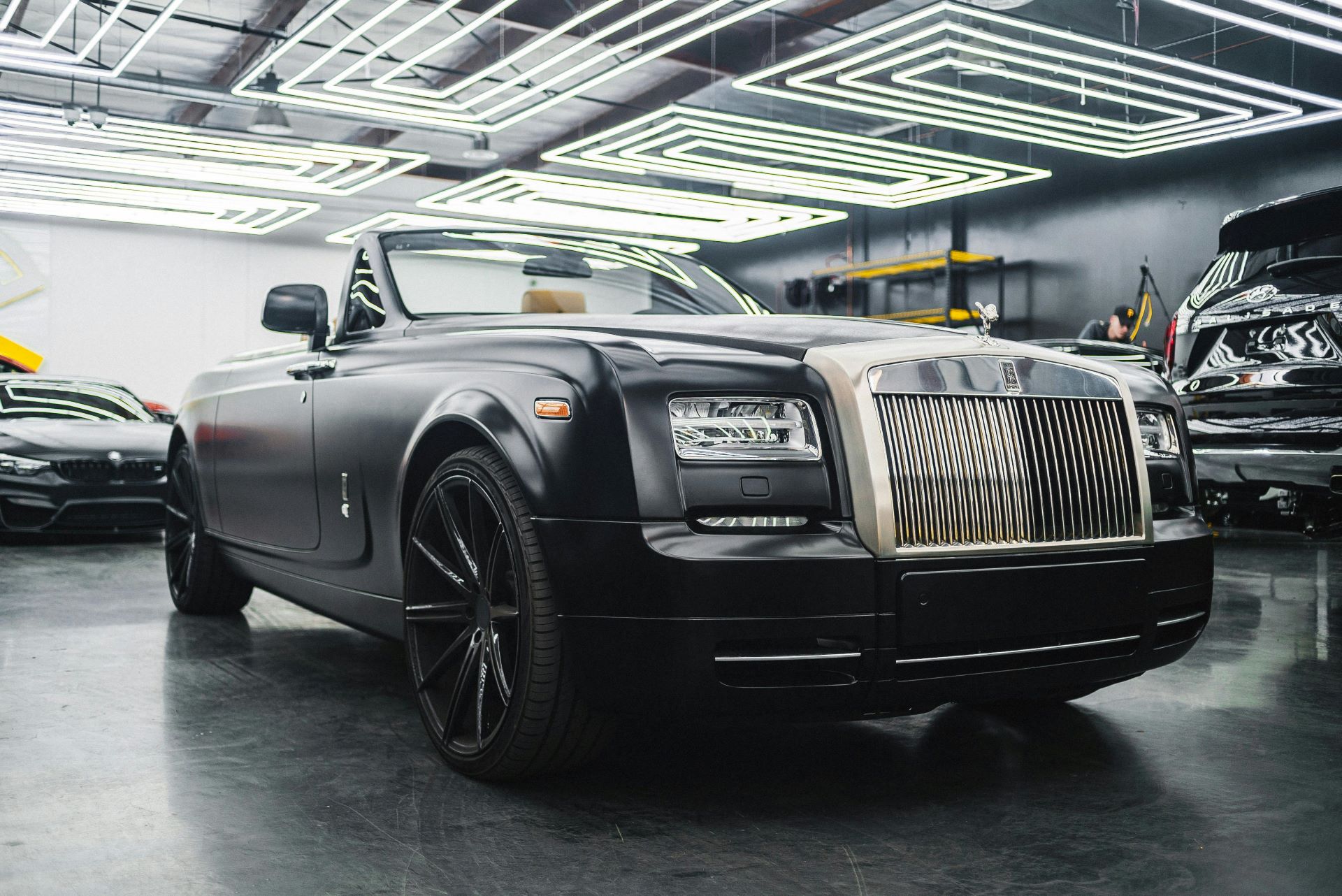
Comfort: The New Physical Luxury
In the age of autonomous vehicles (AVs), comfort is no longer a passive feature; it is the defining characteristic of a luxury experience. Historically, luxury seats were designed to showcase craftsmanship: hand-stitched leather, intricate embroidery, and elaborate cushioning. These elements remain important, yet the meaning of comfort has expanded.
Autonomous vehicles liberate passengers from the physical demands of driving. The need to grip a steering wheel, operate pedals, or anticipate sudden traffic events is removed. This liberation opens new possibilities for ergonomic design. Seats evolve from being mere supportive structures to immersive environments optimized for posture, relaxation, and wellness. Multi-directional adjustment, memory foam that adapts to each occupant, climate-controlled surfaces, and integrated massage functions are no longer optional indulgencesÔÇöthey are expected.
Beyond the body, comfort now encompasses mental well-being. Noise-canceling technologies, advanced suspension systems that absorb road imperfections, and intelligent climate control systems contribute to a sense of calm. In an autonomous vehicle, the interior transforms into a haven: a mobile lounge where the passengerÔÇÖs experience is paramount. Automakers such as Mercedes-Benz, BMW, and Lucid Motors have already begun pioneering this paradigm, integrating features like adaptive ambient lighting and olfactory stimuli to enhance emotional comfort, creating a holistic sensory experience that elevates the journey itself.
Luxury in this era is therefore less about outward display and more about inward satisfaction. The car becomes a personal retreat, a place where comfort is not just perceived but felt in every fiber of its design.
Silence: The Audible Marker of Prestige
If comfort is the physical manifestation of luxury, silence is its acoustic counterpart. The hum of an engine, once a core attribute of performance and desirability, is gradually being replaced by the gentle whirr of electric motors and the absence of mechanical noise. In autonomous vehicles, the focus shifts from external spectacle to internal serenity.
Silence is a subtle yet powerful indicator of refinement. In a world where noise is ubiquitousÔÇötraffic congestion, urban environments, and daily distractionsÔÇöthe ability to exist in a private, quiet space is a privilege. Automakers are responding by investing heavily in active noise cancellation, acoustic insulation, and even intelligent soundscapes that mask external disturbances. The result is a cabin where passengers can converse effortlessly, concentrate on work, meditate, or simply enjoy a moment of uninterrupted peace.
But silence in luxury goes beyond the mere absence of sound; it is a statement. It communicates that the occupant values their time, their space, and their mental clarity. In this sense, silence is an auditory expression of power and refinement. Just as bespoke tailoring conveys a nuanced understanding of fashion, a quiet cabin signals sophistication, self-awareness, and control over oneÔÇÖs environment.
Time: The Ultimate Status Symbol
Perhaps the most radical redefinition of luxury in the autonomous era is the way time is experienced. Time has always been a currency, but in a world dominated by the pressures of commuting, business meetings, and daily obligations, the ability to reclaim it represents an unprecedented form of wealth.
Autonomous driving converts travel time from passive consumption into an active, valuable experience. The moments once spent navigating congested roads, negotiating roundabouts, or monitoring blind spots are liberated. Passengers can work, relax, or pursue personal interests while being transported efficiently. In this context, the luxury car becomes a time machine: a conduit for productivity, leisure, and life enrichment.
This shift has profound implications for automotive marketing. Vehicles are no longer just tools of transport; they are platforms for lifestyle optimization. The pitch is no longer ÔÇ£drive fasterÔÇØ but ÔÇ£live better while in transit.ÔÇØ Luxury is measured by how effectively a vehicle transforms travel time into something desirable: uninterrupted focus for executives, restorative relaxation for busy parents, or immersive entertainment for long journeys. The most aspirational vehicles will not simply be the fastest or most visually strikingÔÇöthey will be the ones that maximize the value of time itself.
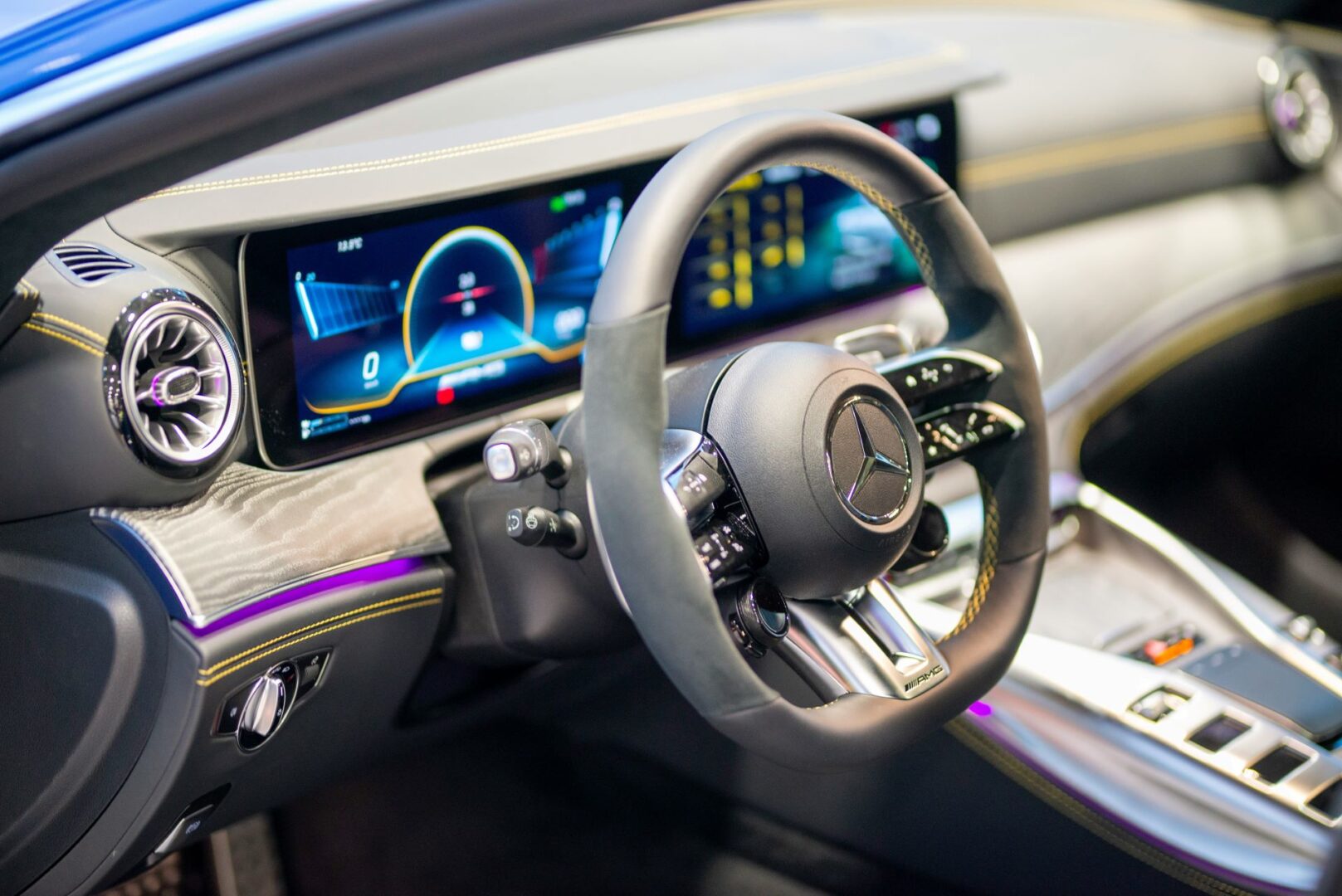
Personalization and the Autonomous Experience
In tandem with comfort, silence, and time, personalization is becoming a central feature of automotive luxury. Autonomous vehicles offer unprecedented opportunities to tailor the in-car experience to individual preferences. Artificial intelligence can learn a passengerÔÇÖs habits, anticipate their needs, and adapt environmental conditions accordingly. Temperature, seat position, lighting, entertainment, and even scent can be automatically configured to suit the occupantÔÇÖs mood and requirements.
This level of personalization not only enhances comfort but reinforces status. It communicates exclusivity: that the vehicle is uniquely attuned to the individual rather than conforming to generic standards. In marketing terms, this is a goldmine. Brands can position their vehicles not merely as modes of transport, but as intelligent companions that understand, anticipate, and respond to the passengerÔÇÖs lifestyle.
Moreover, personalization fosters emotional attachment. When an autonomous vehicle remembers your preferred journey playlist, adjusts the cabin lighting to match your circadian rhythm, or even suggests optimal routes based on your mood, it transforms from an object into an experience, a partner in daily life. For luxury automakers, this offers a new avenue for brand loyalty: creating vehicles that are not only desired but indispensable.
Marketing Implications: Selling the Autonomous Lifestyle
The transition from traditional to autonomous luxury demands a fundamental shift in marketing strategy. Automotive marketing has historically emphasized performance metricsÔÇöhorsepower, acceleration, torqueÔÇöand visible opulence such as sleek bodywork or signature grilles. These metrics are tangible and easily communicated, but they increasingly fail to capture the essence of luxury in the autonomous age.
Marketers must now highlight the experiential dimension: the seamless integration of comfort, silence, and reclaimed time. Campaigns should emphasize how the vehicle transforms the passengerÔÇÖs daily life, providing moments of rest, productivity, or reflection during commutes. Storytelling must focus on the human experience rather than the machine, positioning the car as a sanctuary, an office, or a mobile lounge, depending on the lifestyle narrative being targeted.
Luxury in the autonomous era also aligns with sustainability and mindfulness trends. Silent, electric vehicles powered by clean energy resonate with consumers who value ethical consumption alongside personal comfort. Marketing messages should therefore intertwine technological innovation with emotional and social intelligence, portraying the vehicle as a holistic lifestyle choice rather than merely a status symbol.
Collaborations with lifestyle brands, wellness companies, and technology innovators can reinforce this narrative. Imagine a partnership with a high-end audio brand to deliver an immersive soundscape or a collaboration with a premium tea or coffee company for in-car refreshment experiences. These touchpoints extend the perception of luxury beyond the vehicle itself, embedding it into the broader ecosystem of the passengerÔÇÖs daily life.
Redefining Status: From Display to Experience
The age of autonomous driving fundamentally shifts the markers of status in automotive culture. Traditional luxury was about external validation: the roar of the engine, the gleam of the paint, or the visibility of the vehicle to peers. In contrast, modern luxury emphasizes internal validation: the satisfaction of comfort, the calm of silence, and the freedom afforded by time.
This evolution aligns with broader societal trends. Wealth and prestige are increasingly associated not with conspicuous consumption but with the ability to curate oneÔÇÖs experience, manage personal time, and access environments of serenity amidst a noisy, fast-paced world. Autonomous vehicles are ideally positioned to embody this new definition of status, serving as both practical transport solutions and experiential luxury spaces.
Luxury automakers must therefore pivot from traditional advertising tropes toward storytelling that highlights the transformative power of autonomous mobility. Case studies, immersive digital experiences, and influencer collaborations can all convey the nuanced benefits of comfort, silence, and time in ways that resonate with discerning audiences. The vehicle ceases to be a tool for outward display and becomes a vessel for inward satisfactionÔÇöa shift that has profound implications for brand positioning and messaging.
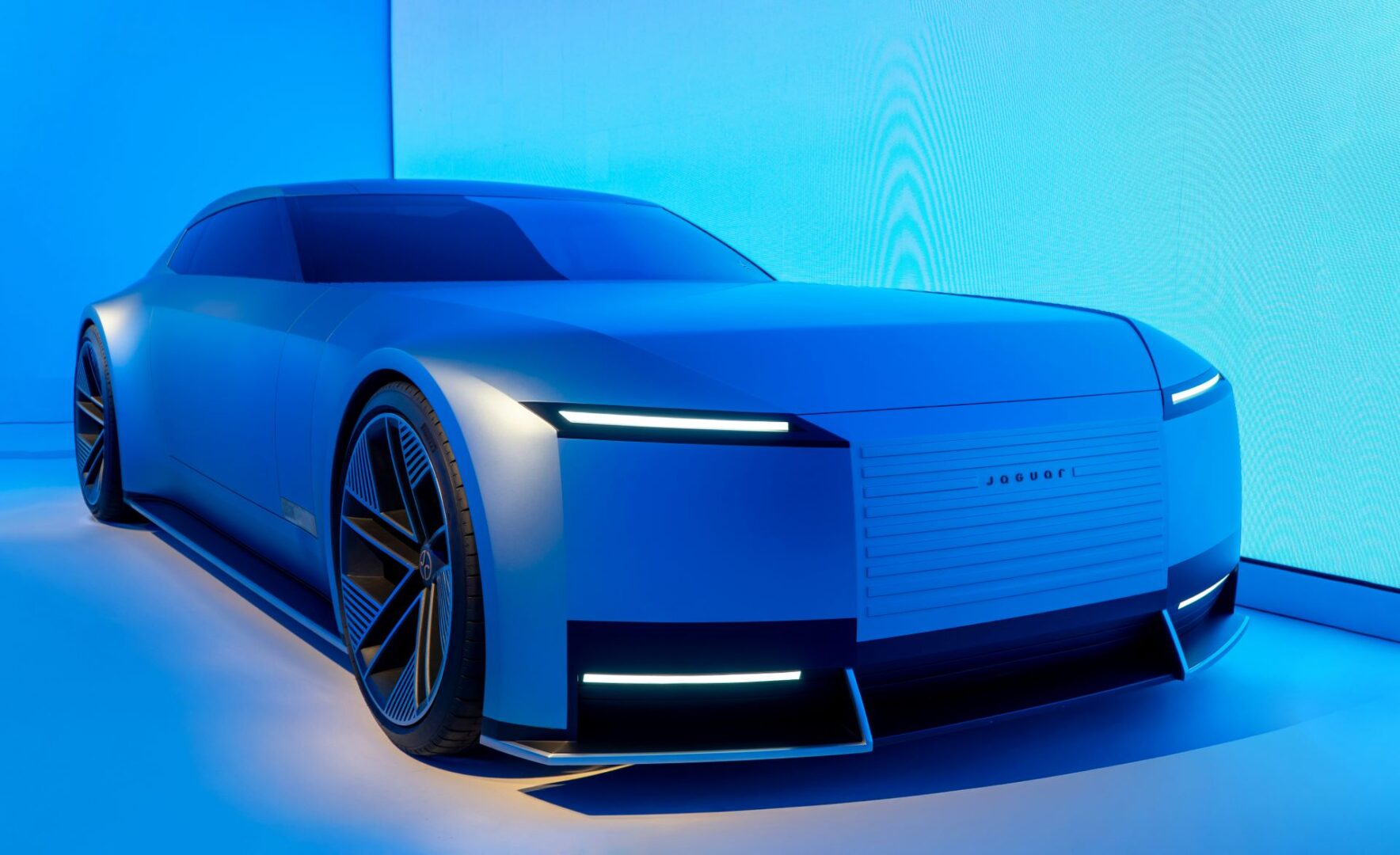
The Future of Automotive Luxury
The autonomous era is not merely a technological milestone; it is a cultural inflection point redefining what it means to experience luxury in a vehicle. Comfort, silence, and time emerge as the trinity of modern prestige, replacing horsepower, acceleration, and visual opulence as the primary indicators of status.
Automotive brands that recognize this shift and embrace it will lead the next generation of luxury marketing. Success lies in the ability to craft vehicles that prioritize the passengerÔÇÖs holistic experience, transforming the car into a sanctuary, a mobile office, or a restorative retreat. Silence, ergonomic perfection, personalized environments, and the liberation of time are no longer optional luxuriesÔÇöthey are essential differentiators in an era where technology enables new forms of human experience.
Ultimately, the luxury of tomorrow is defined not by what a vehicle can do on the road, but by what it enables the passenger to do with their time, attention, and well-being. In this context, autonomous driving does not merely redefine mobilityÔÇöit redefines life itself.
The most coveted vehicles will not simply be the fastest or most ostentatious; they will be the ones that best understand and serve the human need for comfort, silence, and time. In the age of autonomous driving, luxury is no longer about being seenÔÇöit is about being experienced, savored, and cherished.
Breyten Odendaal
Specializing in high-performance automotive advertising and digital marketing solutions, delivering cutting-edge insights and the latest news shaping the automotive industry in South Africa.
More From Advertising

Automotive Advertising in 2026: Selling Confidence in a More Competitive Market
As South Africa’s vehicle market becomes more competitive, automotive advertising needs to do more than announce a price or specification. It needs to help buyers understand value, ownership costs and why a vehicle suits their lives.

Automotive Digital Ads in South Africa: A Shift
Exploring how South Africa’s automotive advertising evolved from print and broadcast to data-driven, programmatic digital ecosystems.

The Video Shift in Car Buying Decisions in SA
Explore how video content shapes car purchase decisions in South Africa, comparing short-form and long-form strategies for automotive marketers.