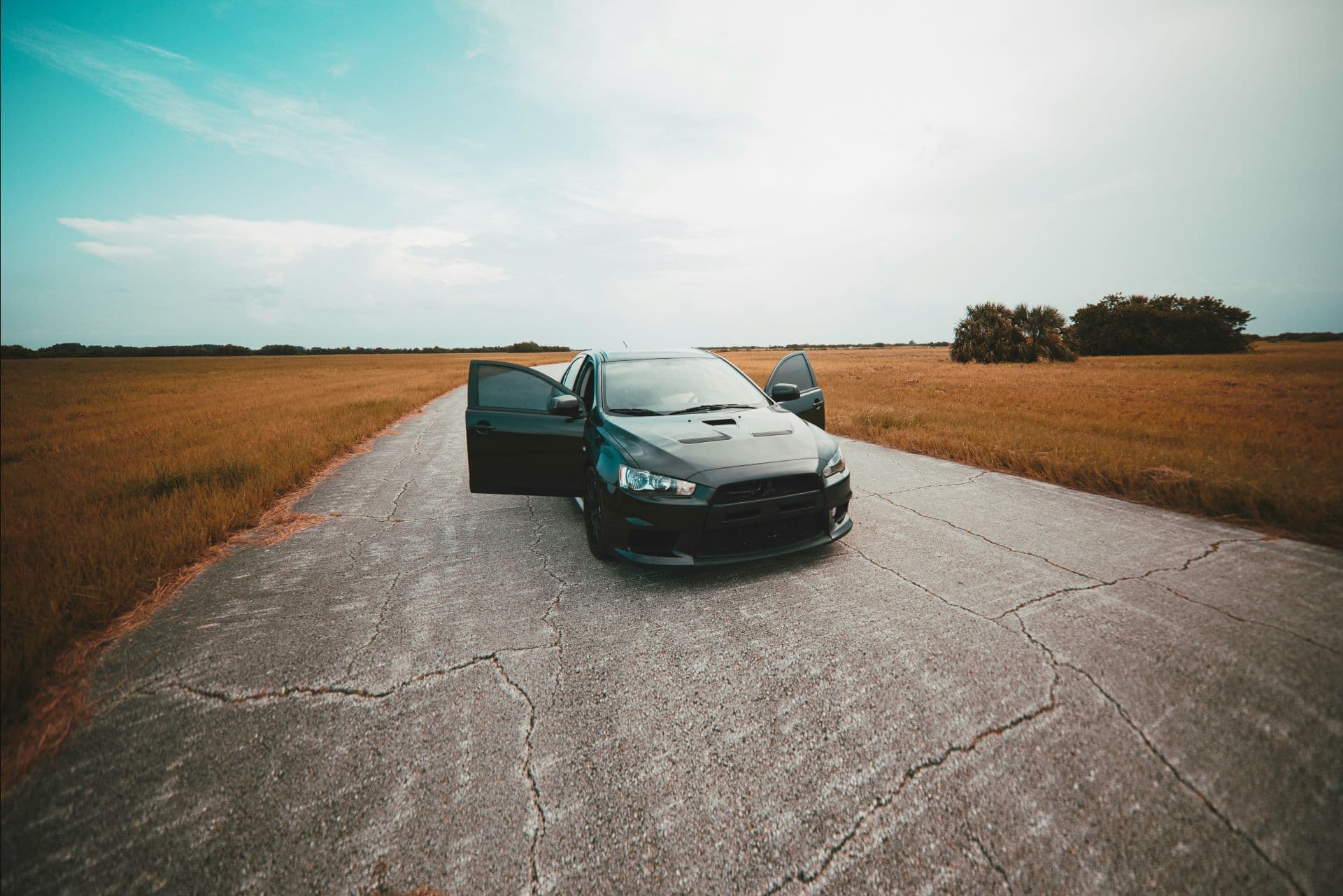
In a world where nostalgia collides with digital innovation, automotive brands are leveraging their historic nameplates to entice a new, younger demographic: Generation Z. While Baby Boomers may have once fallen for chrome bumpers and V8 roars, Gen Z is swiping right on sleek EVs, carbon-neutral commitments, and meme-worthy aesthetics. Yet paradoxically, many of the most successful new car launches arenÔÇÖt entirely new at allÔÇötheyÔÇÖre revitalised heritage models that tap into decades of brand storytelling.
The modern marketing challenge isnÔÇÖt just about selling cars; itÔÇÖs about translating legacy into language Gen Z speaks fluentlyÔÇöone that combines identity, purpose, and digital fluency. In this deep-dive, we explore how automakers are masterfully remixing their past to resonate with the most diverse and digitally native generation yet.

Gen Z: Redefining the Automotive Audience
Before unpacking strategies, itÔÇÖs essential to understand the target. Born roughly between 1997 and 2012, Gen Z comprises digital natives shaped by smartphones, social media, and a climate crisis that looms large in their worldview. While they might not yet dominate car ownership statistics, their influence is undeniableÔÇödriving trends, shaping conversations, and redefining what brand loyalty means.
Unlike millennials, who were captivated by tech integration and personalisation, Gen Z leans into authenticity, sustainability, and cultural relevance. According to a 2024 McKinsey study, 73% of Gen Z consumers say a brandÔÇÖs values influence their purchasing decisions, and over 60% prefer brands that are transparent and socially conscious.
This generational shift presents both a challenge and an opportunity for heritage automotive brands. Those that once traded on tradition must now repackage their identity without diluting it, fusing classic DNA with digital savvy.
Retro Design, Modern Execution: The Rebirth of Icons
From the MINI Cooper to the Ford Bronco, the Fiat 500 to the Toyota Land Cruiser, brands are reaching into their archives to resurrect familiar silhouettesÔÇöonly this time, with LED headlights, touchscreen interfaces, and zero-emission drivetrains.
Case Study: MINIÔÇÖs Retro-Futurism
BMWÔÇÖs stewardship of the MINI brand offers a blueprint for success. While retaining its signature Union Jack tail lights and cheeky proportions, recent MINI launchesÔÇöincluding the fully electric MINI Cooper SEÔÇöare engineered for urban, connected lifestyles. Through partnerships with influencers, digital artists, and music festivals, MINI maintains its retro appeal while staying culturally current.
Their strategy? ÔÇ£Nostalgia, but make it Instagrammable.ÔÇØ MINIÔÇÖs heritage is not just a design cueÔÇöitÔÇÖs a canvas for creativity.
Case Study: Ford BroncoÔÇÖs Comeback Trail
When Ford revived the Bronco in 2021, it didnÔÇÖt simply relaunch an SUVÔÇöit reignited an icon. Marketing campaigns leaned into adventure culture, digital interactivity, and off-road capability. The ÔÇ£Built WildÔÇØ slogan wasn't just about terrainÔÇöit tapped into Gen ZÔÇÖs thirst for authenticity and escapism.
Augmented reality test drives, TikTok unveilings, and exclusive merch drops positioned the Bronco not as a throwback, but as a lifestyle badge for the new frontier.
Electrifying the Past: Classic Looks, Clean Power
Sustainability is not a ÔÇ£nice-to-haveÔÇØ for Gen ZÔÇöitÔÇÖs a dealbreaker. ThatÔÇÖs why heritage models are increasingly launched as EVs or hybrids. This strategy allows brands to honour their legacy while addressing urgent climate concerns.
Volkswagen ID. Buzz: The Hippie Van, Rebooted
The ID. Buzz is a prime example of electric heritage done right. Inspired by the legendary VW Microbus of the 1960s, the ID. Buzz is tailored for a new generation of conscious travellers. Through vibrant colours, modular interiors, and carbon-neutral production claims, itÔÇÖs both an homage and an evolution.
VolkswagenÔÇÖs messaging around the ID. Buzz hinges on community, joy, and freedomÔÇöideals that align with both the past and Gen ZÔÇÖs future-forward mindset.
Content-First Culture: Marketing in the Age of Algorithms
Gen Z doesn't watch TV commercials; they consume short-form video, memes, livestreams, and experiential content. For heritage models to land with this demographic, storytelling must migrate from billboards to digital screensÔÇöand not just as static ads, but as participatory experiences.
TikTok, Twitch & Test Drives
Take NissanÔÇÖs reimagined Z sports car. Rather than traditional media buys, Nissan leaned heavily on TikTok creators and gaming influencers to spread the word. The campaign included #ZChallenge content, where users posted stunts, edits, and POV driving footageÔÇöturning launch day into a viral moment.
Meanwhile, Honda turned to Twitch to stream the Civic Type RÔÇÖs global reveal, aligning itself with gaming culture and leveraging a platform where Gen Z spends hours daily.

Community-Led Customisation
Personalisation isnÔÇÖt new, but for Gen Z, itÔÇÖs non-negotiable. This generation values individuality and wants to co-create brand narratives. Car manufacturers are responding with modularity, digital configurators, and community-led campaigns.
Lexus x League of Legends: The GX Meets Esports
Lexus took a bold step by unveiling a concept GX SUV inspired by League of Legends. The campaign included behind-the-scenes content, esports influencer involvement, and a fan design challengeÔÇöblending luxury, heritage, and fandom.
This wasnÔÇÖt a case of slapping a logo on a car; it was a collaborative effort to make the vehicle part of a cultural story Gen Z already cared about.
Heritage Beyond Hardware: Brand Values Reimagined
Rebranding isnÔÇÖt only about aesthetics or drivetrainsÔÇöitÔÇÖs about recontextualising core values. Automakers are drawing from their past to express future commitments.
Porsche: Precision Meets Progress
PorscheÔÇÖs mission statement, ÔÇ£Driven by Dreams,ÔÇØ is more than a tagline. It links the brandÔÇÖs storied engineering heritage with aspirational modernity. By highlighting electric innovation (like the Taycan), sustainability pledges, and design-forward digital experiences, Porsche crafts a narrative of timeless performance evolving for a changing world.
Through partnerships with creators, museums, and even fashion brands like Aime Leon Dore, Porsche tells a story that spans generations while speaking fluently to Gen ZÔÇÖs ethos.
The Role of Merch, NFTs, and Digital Twins
Gen Z exists in both physical and digital realms. ThatÔÇÖs why car brands are expanding beyond the product into digital collectables, fashion collabs, and virtual experiences.
Hyundai x Meta Mobility
HyundaiÔÇÖs ÔÇ£MetamobilityÔÇØ concept introduced at CES envisioned cars that double as mobile rooms, social hubs, and virtual portals. Through partnerships with NFT platforms and immersive digital environments, Hyundai is recasting its legacy as futuristic and interoperable.
Ferrari and the Fashion Crossover
FerrariÔÇÖs recent entry into streetwear isnÔÇÖt just about apparelÔÇöitÔÇÖs about brand elasticity. The Prancing Horse logo appears on capsule collections, NFTs, and esports broadcastsÔÇöensuring relevance in Gen ZÔÇÖs lifestyle matrix.
From Ownership to Access: Redefining the Relationship
Gen ZÔÇÖs attitude toward car ownership is markedly different. With urban living, economic pressures, and a shift toward shared mobility, the traditional "buy and drive" model no longer reigns supreme.
Car Subscriptions & Experiences
Brands like Volvo and Mercedes-Benz are exploring flexible subscription services. These provide access to legacy models on-demand, offering the prestige and heritage of a brand without long-term commitment.
For Gen Z, this isnÔÇÖt just convenienceÔÇöitÔÇÖs alignment with their values around minimalism, sustainability, and experience-first living.
Cultural Anchoring: Where Nostalgia Meets Identity
Perhaps the most powerful way brands market heritage models to Gen Z is through meaning. In an age of fragmented attention, cars must stand for something beyond mobilityÔÇöthey must be cultural artifacts, identity markers, and even resistance symbols.
Land Rover Defender: From Bushveld to Boutique
Once a rugged utility vehicle, the reborn Defender now straddles utility and urban chic. While off-road credibility remains, new marketing speaks to design-conscious consumers with active lifestyles. Whether itÔÇÖs tackling the Scottish Highlands or the streets of Cape Town, the Defender embodies a story of survival and adaptationÔÇömirroring Gen ZÔÇÖs own aspirations.

The Paradox of Progress
For all their futuristic values, Gen Z is paradoxically drawn to the pastÔÇöso long as it evolves with them. The marketing of heritage models is no longer about recycling icons but reengineering identity. ItÔÇÖs not enough to relaunch an old nameplate; brands must reimagine what that nameplate means in a world shaped by climate anxiety, digital fluidity, and identity politics.
Heritage, when fused with innovation, becomes a powerful differentiator. But it must be authentic, inclusive, and future-ready. In this way, the auto industryÔÇÖs legacy isnÔÇÖt a weightÔÇöitÔÇÖs a launchpad. And for Gen Z, that story is just beginning.
Breyten Odendaal
Specializing in high-performance automotive advertising and digital marketing solutions, delivering cutting-edge insights and the latest news shaping the automotive industry in South Africa.
More From Advertising

Automotive Digital Ads in South Africa: A Shift
Exploring how South Africa’s automotive advertising evolved from print and broadcast to data-driven, programmatic digital ecosystems.

The Video Shift in Car Buying Decisions in SA
Explore how video content shapes car purchase decisions in South Africa, comparing short-form and long-form strategies for automotive marketers.
Why Automotive Ads Must Think Like E-Commerce
Automotive ads in South Africa need e-commerce style conversion thinking to boost leads, optimise funnels, and improve dealership ROI.