
High-performance cars evoke an undeniable allureÔÇösleek designs, roaring engines, and exhilarating speed embody the pinnacle of automotive engineering. These vehicles captivate enthusiasts and casual admirers alike, promising an unmatched driving experience. However, the very traits that define their uniqueness often present challenges when marketing them to everyday consumers. Bridging the gap between high-performance cars and broader audiences requires innovative strategies and a deep understanding of consumer behavior. This article explores how brands can effectively position these exceptional machines to resonate with a more inclusive market.
Understanding the Market
The market for high-performance cars is both niche and aspirational. Automotive enthusiasts, who make up the core demographic, often prioritize performance metrics like horsepower, torque, and lap times. They appreciate the craftsmanship and engineering feats that distinguish these cars. In contrast, general consumers focus on practicality, affordability, and reliabilityÔÇöattributes that high-performance vehicles are not traditionally known for.
Barriers to entry for everyday consumers include prohibitive costs, higher insurance premiums, and perceived impracticality. Additionally, many view high-performance cars as status symbols rather than practical transportation. These challenges demand a marketing approach that reshapes perceptions, addressing both the emotional and practical aspects of ownership.

Building an Emotional Connection
Storytelling is a powerful tool in marketing high-performance cars. By highlighting a vehicleÔÇÖs brand heritage and the values it represents, marketers can create narratives that resonate on a deeper level. For example, PorscheÔÇÖs campaigns often emphasize its racing legacy, appealing to those who value tradition and excellence. Similarly, Ferrari leverages its storied history to evoke feelings of prestige and exclusivity.
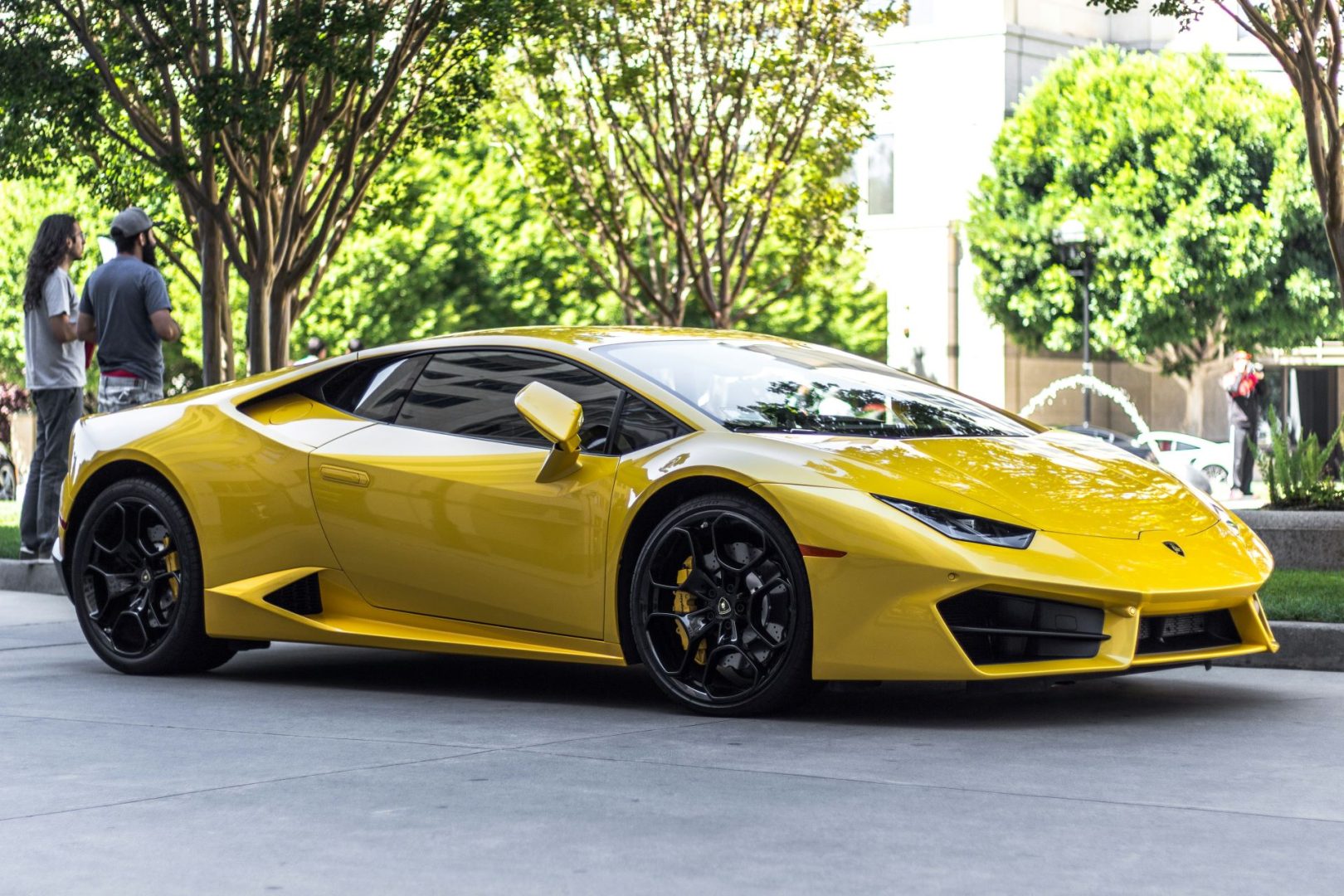
Aspirational marketing plays a critical role in this context. High-performance cars symbolize achievement and success, making them desirable even for those who may not immediately purchase them. Brands can craft campaigns that connect ownership with life milestones or personal goals. LamborghiniÔÇÖs tagline, ÔÇ£Expect the Unexpected,ÔÇØ taps into this aspirational mindset, positioning its vehicles as rewards for ambition and hard work.
Examples of successful emotional appeals include BMWÔÇÖs ÔÇ£The Ultimate Driving MachineÔÇØ campaigns, which focus on the joy and thrill of driving, and AudiÔÇÖs commercials that blend luxury with performance to appeal to a sophisticated audience. These narratives transcend the technical aspects of the cars, making them relatable and desirable.
Highlighting Practicality and Everyday Use
One of the most significant hurdles in marketing high-performance cars to everyday consumers is the perception of impracticality. These vehicles are often associated with high fuel consumption, limited cargo space, and less-than-ideal comfort. However, modern high-performance cars are increasingly designed to blend power with practicality, offering features that cater to daily driving needs.
For instance, models like the Audi RS6 Avant combine exhilarating performance with the versatility of a station wagon. Similarly, TeslaÔÇÖs Model S Plaid delivers extraordinary acceleration while offering spacious interiors and cutting-edge technology. Highlighting such features can dispel misconceptions and broaden appeal.
Marketing campaigns can emphasize attributes like fuel efficiency, advanced safety systems, and connectivity features. Case studies of owners who use high-performance cars for daily commutes or family outings can further demonstrate their practicality. By addressing common concerns, brands can position these vehicles as viable options for diverse lifestyles.
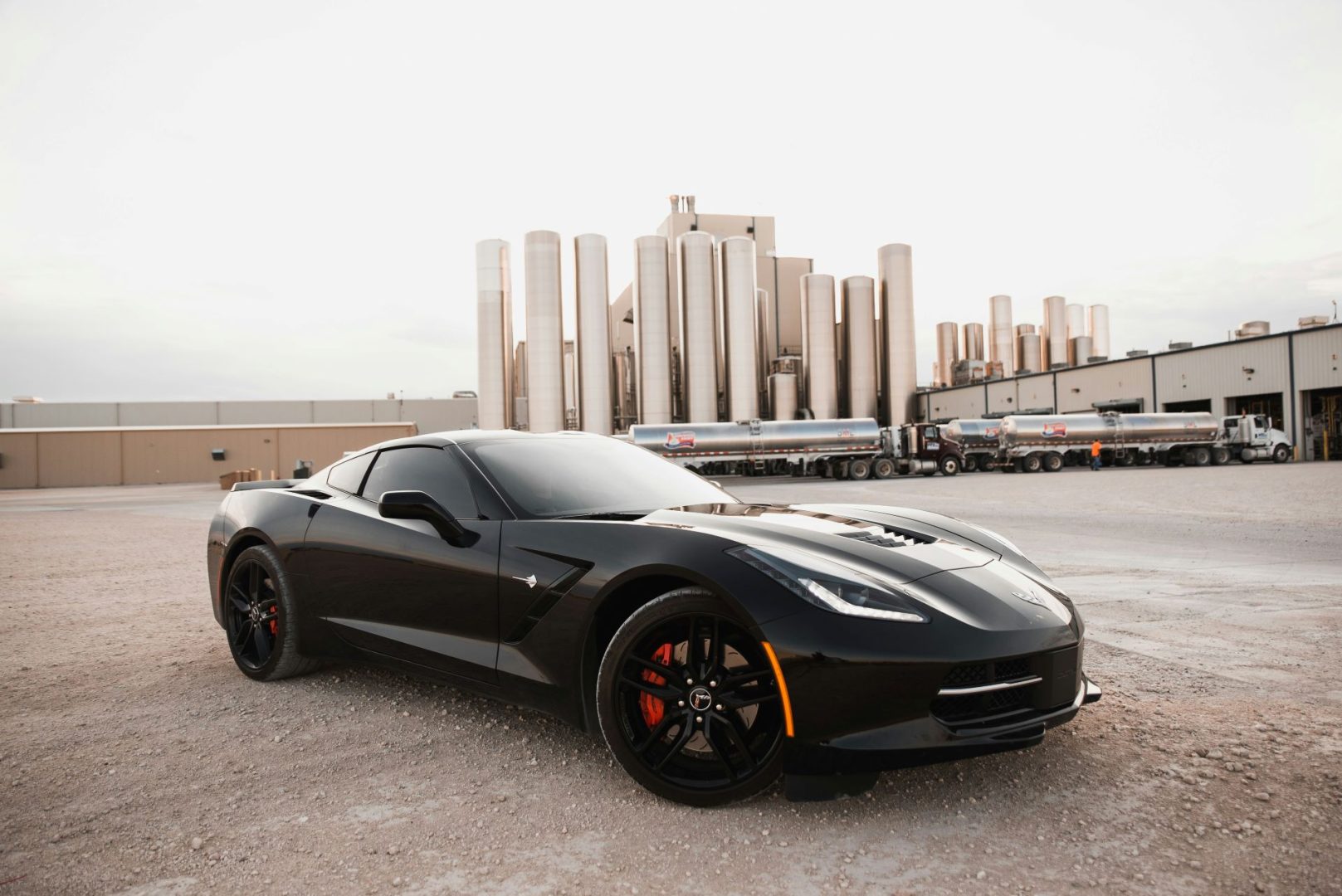
Leveraging Digital Marketing and Social Media
Digital marketing has revolutionized how high-performance cars are promoted. Platforms like Instagram and YouTube allow brands to showcase their vehicles to millions of potential buyers. Social media influencers and brand ambassadors play a crucial role in reaching new audiences. Collaborations with influencers who embody the brandÔÇÖs values can make high-performance cars more relatable and aspirational.
Interactive content is particularly effective in engaging consumers. Virtual test drives, behind-the-scenes factory tours, and videos of cars in action provide immersive experiences that build excitement and interest. For example, McLarenÔÇÖs YouTube channel offers insights into its design process and performance testing, giving viewers an insiderÔÇÖs perspective.
Data-driven targeting ensures that digital campaigns reach the right audience. Brands can use analytics to identify potential buyers based on their online behavior and interests, tailoring content to resonate with specific demographics. This personalized approach enhances engagement and drives conversions.
Creating Accessible Entry Points
To make high-performance cars more attainable, brands must offer a range of options that cater to different budgets and preferences. Entry-level models like the BMW M240i or the Mercedes-AMG A 35 provide a taste of high-performance driving without the premium price tag of flagship models. These vehicles serve as stepping stones, allowing consumers to experience the brandÔÇÖs performance pedigree.
Flexible financing options and leasing plans also lower the barriers to ownership. For instance, subscription services like Porsche Drive enable customers to access a variety of models for a monthly fee, eliminating long-term commitments. Such programs appeal to those who seek flexibility and variety.
Additionally, certified pre-owned programs can attract budget-conscious buyers by offering high-performance cars with warranties and quality assurances. These initiatives expand the customer base while maintaining brand prestige.
Marketing high-performance cars to everyday consumers is a complex but rewarding endeavor. By understanding consumer needs and addressing both emotional and practical aspects, brands can bridge the gap between aspiration and accessibility. Storytelling, digital innovation, and strategic pricing play pivotal roles in reshaping perceptions and broadening appeal.
The automotive industry thrives on innovation, and marketing is no exception. As brands continue to adapt and evolve, they have the opportunity to inspire a new generation of enthusiasts and owners. By thinking creatively and embracing diverse strategies, they can ensure that high-performance cars remain not just objects of desire but achievable dreams for a wider audience.
Breyten Odendaal
Specializing in high-performance automotive advertising and digital marketing solutions, delivering cutting-edge insights and the latest news shaping the automotive industry in South Africa.
More From Advertising

Automotive Advertising in 2026: Selling Confidence in a More Competitive Market
As South Africa’s vehicle market becomes more competitive, automotive advertising needs to do more than announce a price or specification. It needs to help buyers understand value, ownership costs and why a vehicle suits their lives.

Automotive Digital Ads in South Africa: A Shift
Exploring how South Africa’s automotive advertising evolved from print and broadcast to data-driven, programmatic digital ecosystems.

The Video Shift in Car Buying Decisions in SA
Explore how video content shapes car purchase decisions in South Africa, comparing short-form and long-form strategies for automotive marketers.