
The automotive world has always been more than just machinery and engineering. Beyond the precision of engines and the sophistication of chassis, there exists a visceral, emotional link between a vehicle and the driverÔÇöa connection that transcends the purely functional. For automotive brands, this emotional bridge is not merely incidental; it is central to how consumers perceive, value, and ultimately remain loyal to a brand. The pathways to forging this connection are manifold: the adrenaline-soaked rush of rally stages, the meticulous intensity of racetrack competition, and the freedom-infused allure of open-road journeys. Each experience is a narrative, an invitation, a shared story between driver and brand.
This article explores how these three pillarsÔÇörally, race, and roadtripÔÇöserve as powerful conduits for brand engagement, crafting experiences that linger long after the wheel is set aside. It examines the psychological resonance of motorsport and travel, the role of storytelling in automotive marketing, and how brands are leveraging these emotional touchpoints to foster enduring loyalty.
The Thrill of Rally: Chaos, Control, and Connection
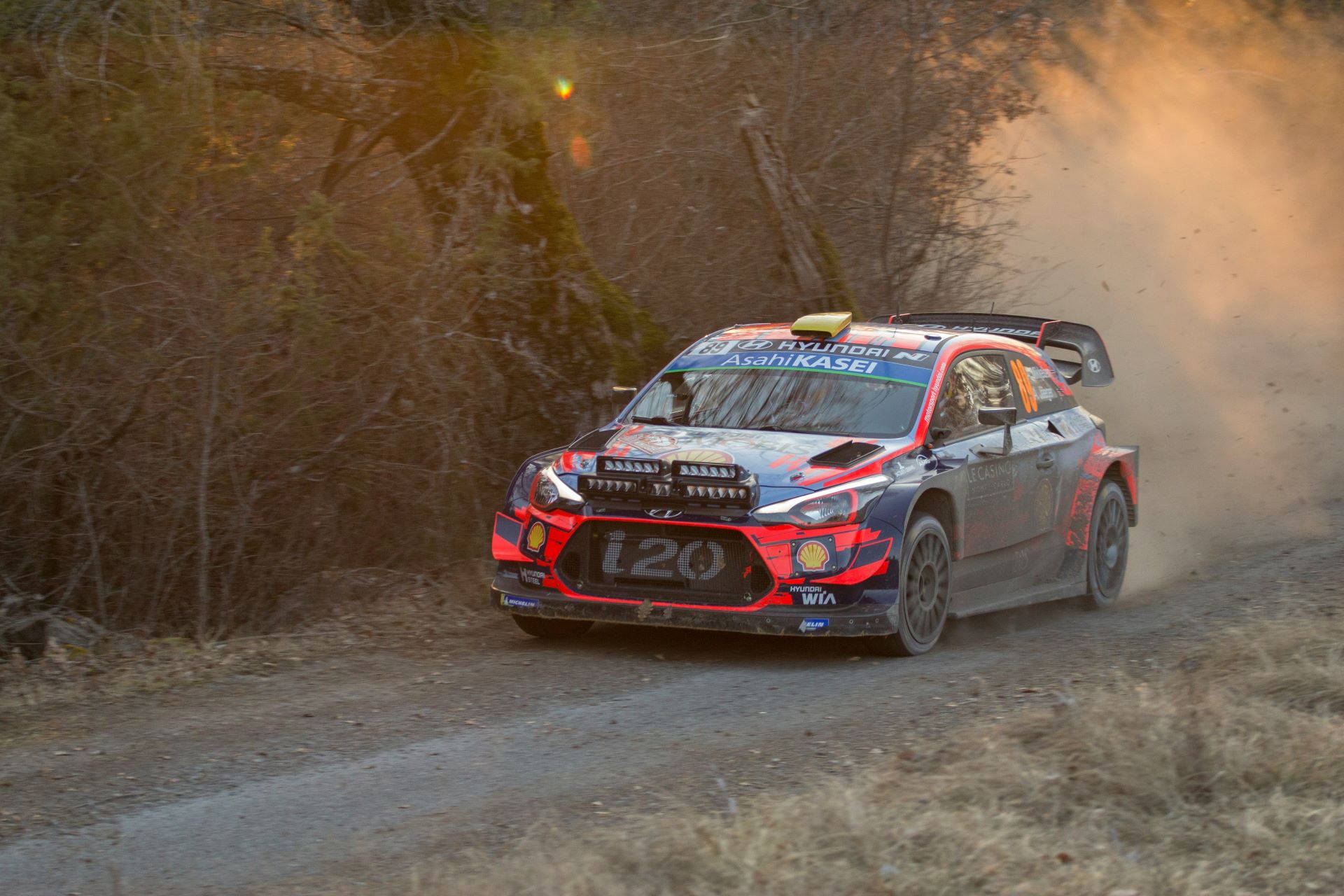
Rallying is often described as the sport of extremes. Unlike the controlled circuits of a race track, rally drivers navigate unforgiving terrain: gravel that shifts underfoot, mud that masks the path ahead, and hairpin turns that demand instantaneous judgment. Yet, it is precisely this unpredictable chaos that fosters an intimate bond between driver and machine. Every gear shift, every modulation of the throttle, every nudge of the steering wheel is an act of communicationÔÇöa dialogue that is as much about trust as it is about skill.
For automotive brands, rallying presents a unique storytelling opportunity. Sponsorships, factory-backed teams, and experiential rally events transform technical prowess into emotional currency. A brandÔÇÖs rally heritage is more than a trophy cabinet; it is proof of reliability, precision engineering, and a willingness to embrace risk. Think of the legendary campaigns that have celebrated these feats: SubaruÔÇÖs dominance in the World Rally Championship of the 1990s and early 2000s, MitsubishiÔÇÖs iconic Lancer Evolution storylines, or Toyota Gazoo RacingÔÇÖs recent triumphs in both rally and endurance racing. Each victory is a narrative thread that consumers can latch onto, forging a sense of shared identity with the brand.
But beyond professional motorsport, rally-inspired experiencesÔÇörally schools, off-road adventures, and virtual simulationsÔÇöallow everyday drivers to inhabit that adrenaline-charged world. The tactile feedback of gravel under tires, the scent of dust, the sound of turbochargers spooling in response to precise footworkÔÇöthese sensory triggers cultivate brand loyalty in ways conventional advertising rarely achieves. Rally is raw, immersive, and unforgettable, and it transforms mechanical mastery into a deeply personal experience.
Racetrack Intensity: Precision, Performance, and Prestige
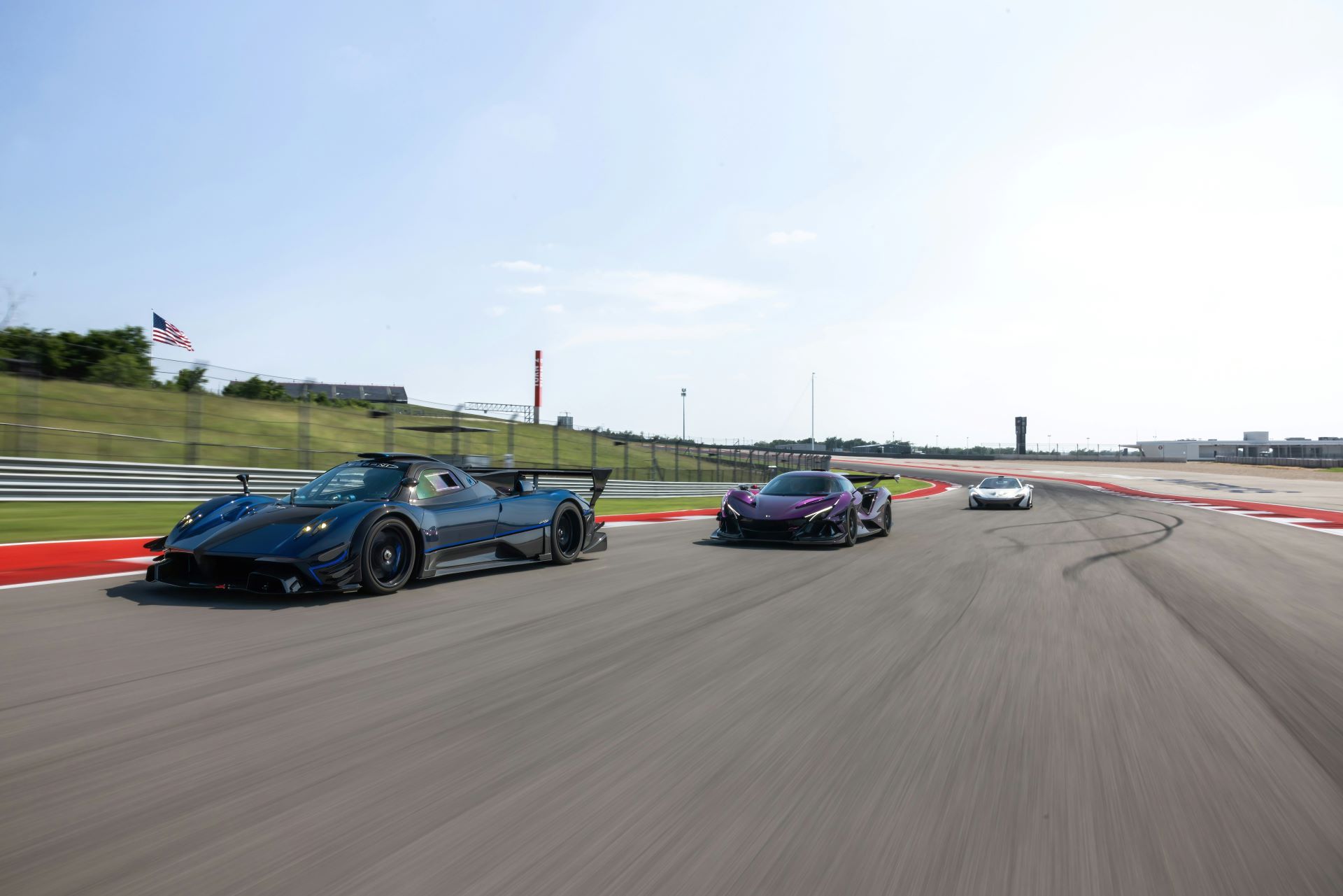
While rallying thrives in unpredictability, the racetrack offers a theatre of precision. Here, the narrative is one of technical mastery and the pursuit of perfection. Racing distills the essence of an automotive brand into its purest form: power, handling, engineering excellence, and driver skill converge in an orchestrated ballet of speed.
Brands like Ferrari, Porsche, and McLaren have long understood that racetrack success is as much a marketing tool as it is a competitive pursuit. Le Mans victories, Formula One championships, and GT endurance triumphs are not just historical footnotes; they are badges of credibility. They affirm a brandÔÇÖs engineering ethos and provide consumers with a tangible sense of performance pedigree. When a customer steps into a production model that shares DNA with a championship-winning car, they are not merely buying a vehicleÔÇöthey are buying an experience, an identity, a story they can inhabit.
The racetrack also cultivates exclusivity. Track days, driving academies, and brand-led circuit events offer consumers a taste of high-performance driving in a controlled, aspirational environment. These momentsÔÇöwhether a customer is navigating a chicane at top speed or refining braking points under expert guidanceÔÇöforge memories that are intrinsically tied to the brand. The emotional imprint left by a track experience often surpasses that of traditional media, creating advocates who speak from experience rather than persuasion.
Moreover, racing narratives feed a broader cultural dialogue. Iconic cars, legendary drivers, and historic races form a lexicon that automotive enthusiasts share. Each story told, each lap completed, becomes a testament to a brandÔÇÖs commitment to excellence, authenticity, and adrenaline-driven engagement. In this sense, the racetrack is both a proving ground and a stage, where mechanical brilliance meets human ambition.
Roadtrips: Freedom, Lifestyle, and Emotional Resonance
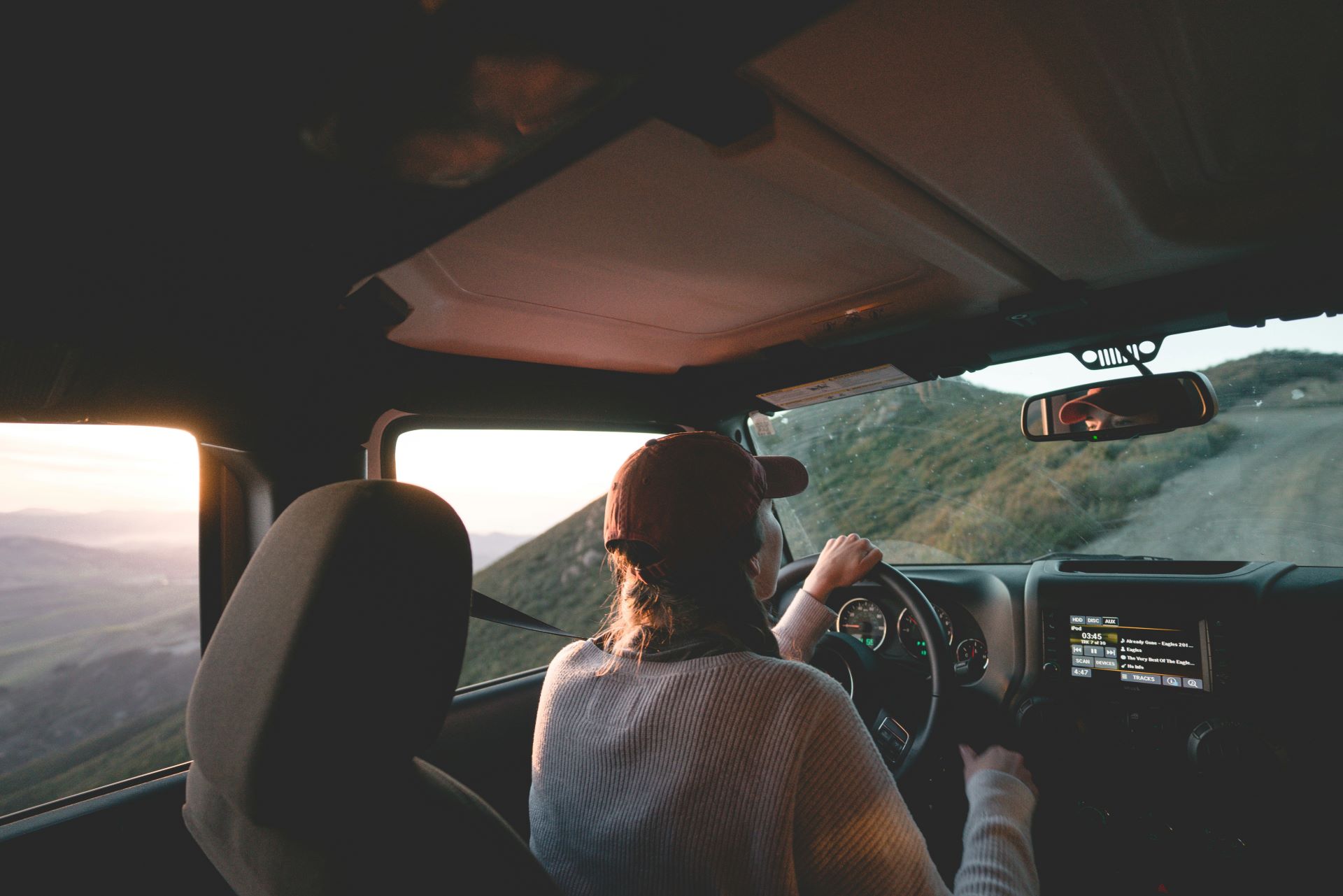
If rally and race capture the extremes of human skill and mechanical precision, the roadtrip embodies freedom, exploration, and emotional storytelling. Unlike competitive environments, roadtrips are personal, reflective, and immersive. They transform the mundane act of driving into a narrative of discovery, connecting people, landscapes, and culture in ways that transcend ordinary transportation.
Automotive brands have increasingly embraced this experiential marketing approach. Lifestyle campaigns, curated roadtrip itineraries, and immersive travel experiences highlight a vehicleÔÇÖs capacity to enhance lifeÔÇÖs journeys, rather than simply its performance metrics. The Land Rover Defender, for instance, is as much about rugged exploration as it is about luxury and capability. TeslaÔÇÖs long-range EVs are marketed not only on technology but also on the promise of barrier-free, cross-country adventure. Each roadtrip becomes a story the driver can tell, a memory etched with sights, sounds, and sensations unique to the journey.
The roadtrip also underscores the social and emotional dimensions of mobility. Cars are not merely machines; they are vessels of experience, enablers of human connection. Shared journeys cultivate bonds, whether between family members, friends, or partners. The interior space, infotainment systems, comfort, and versatility all contribute to the emotional satisfaction of the journey. A brand that aligns itself with these narratives positions itself as a partner in lifeÔÇÖs adventures, not merely a seller of vehicles.
Crafting Brand Loyalty Through Experience
Across rally, race, and roadtrip, the common denominator is experience. Modern automotive consumers crave more than product specificationsÔÇöthey seek emotional engagement, memories, and identities they can inhabit. Brands that master the art of experiential storytelling gain more than recognition; they cultivate loyalty that withstands price sensitivity, market shifts, and generational change.
Experiential marketing initiatives are increasingly sophisticated. They range from virtual reality simulations that replicate rally stages or racetrack circuits, to curated lifestyle experiences that invite consumers to explore scenic routes in brand vehicles. Digital storytelling amplifies these experiences, allowing consumers to share moments across social media, further entwining the brand with their personal narratives.
Moreover, the emotional resonance created through experience translates into advocacy. Customers who participate in rally experiences, track days, or roadtrip campaigns are likely to become ambassadors, sharing stories that blend personal achievement with brand identity. In essence, brands become part of their consumersÔÇÖ self-expression, a reflection of ambition, taste, and adventure.
The Science of Emotion in Automotive Marketing
Neuroscience and behavioral psychology increasingly inform automotive marketing strategies. Research demonstrates that emotional engagement often outweighs cognitive evaluation in driving purchase decisions. The thrill of a rally, the intensity of a racetrack lap, and the contemplative joy of a roadtrip trigger the release of dopamine and adrenaline, creating visceral memories. These neurological responses are closely associated with brand recall, preference, and advocacy.
Brands that engineer these emotional touchpointsÔÇöthrough sponsorships, experiential events, or lifestyle campaignsÔÇötap into fundamental human desires: mastery, achievement, freedom, and social connection. The result is a marketing approach that is not only persuasive but profoundly human. Consumers are not simply purchasing cars; they are purchasing moments of emotional resonance that define personal narratives.
Integrating Technology and Experience
In the digital era, technology magnifies the emotional impact of automotive experiences. Virtual reality allows consumers to navigate rally stages or racetrack laps without leaving the showroom. Augmented reality enhances roadtrip planning with immersive visualizations of routes, destinations, and vehicle capabilities. Connected platforms capture performance data, gamify experiences, and create community engagement opportunities.
Artificial intelligence personalizes experiences, from recommending tailored roadtrip itineraries to optimizing track performance feedback. Social media platforms amplify storytelling, allowing consumers to broadcast their experiences, further solidifying the brandÔÇÖs emotional footprint. By integrating technology with traditional experiences, automotive brands create multi-layered engagement ecosystems where the line between consumer and participant blurs.
Storytelling as the Bridge Between Brand and Emotion
The core of experiential engagement is storytelling. Rally, race, and roadtrip experiences are narratives that situate the consumer at the center. Effective storytelling does not merely celebrate a product; it validates the consumerÔÇÖs choices, aspirations, and identity. It connects mechanical performance to personal meaning.
Consider how brands leverage historical heritage, modern innovation, and consumer participation to craft compelling narratives. The stories of rally victories, racetrack triumphs, and epic roadtrips are not merely promotionalÔÇöthey are cultural artifacts, repositories of emotion that reinforce the brandÔÇÖs value proposition in ways that traditional advertising cannot.
Driving Beyond the Vehicle
The modern automotive consumer seeks more than vehicles; they seek experiences that resonate on a human level. Rally stages, racetracks, and roadtrips are more than mere marketing toolsÔÇöthey are conduits for emotion, memory, and identity. They transform cars into instruments of adventure, precision, and freedom, connecting the driver to the brand in profound ways.
For automotive brands, the challenge and opportunity lie in curating experiences that are authentic, immersive, and emotionally compelling. When executed with skill, these experiences do more than sell carsÔÇöthey cultivate loyalty, inspire advocacy, and establish a lasting emotional connection that transcends the transactional.
Ultimately, the journey from the chaos of rally stages to the precision of racetracks and the freedom of open roads is not just a metaphorÔÇöit is a blueprint for building brands that resonate deeply, enduringly, and memorably with the people who drive them.
Breyten Odendaal
Specializing in high-performance automotive advertising and digital marketing solutions, delivering cutting-edge insights and the latest news shaping the automotive industry in South Africa.
More From Advertising
Automotive Advertising in 2026: Selling Confidence in a More Competitive Market
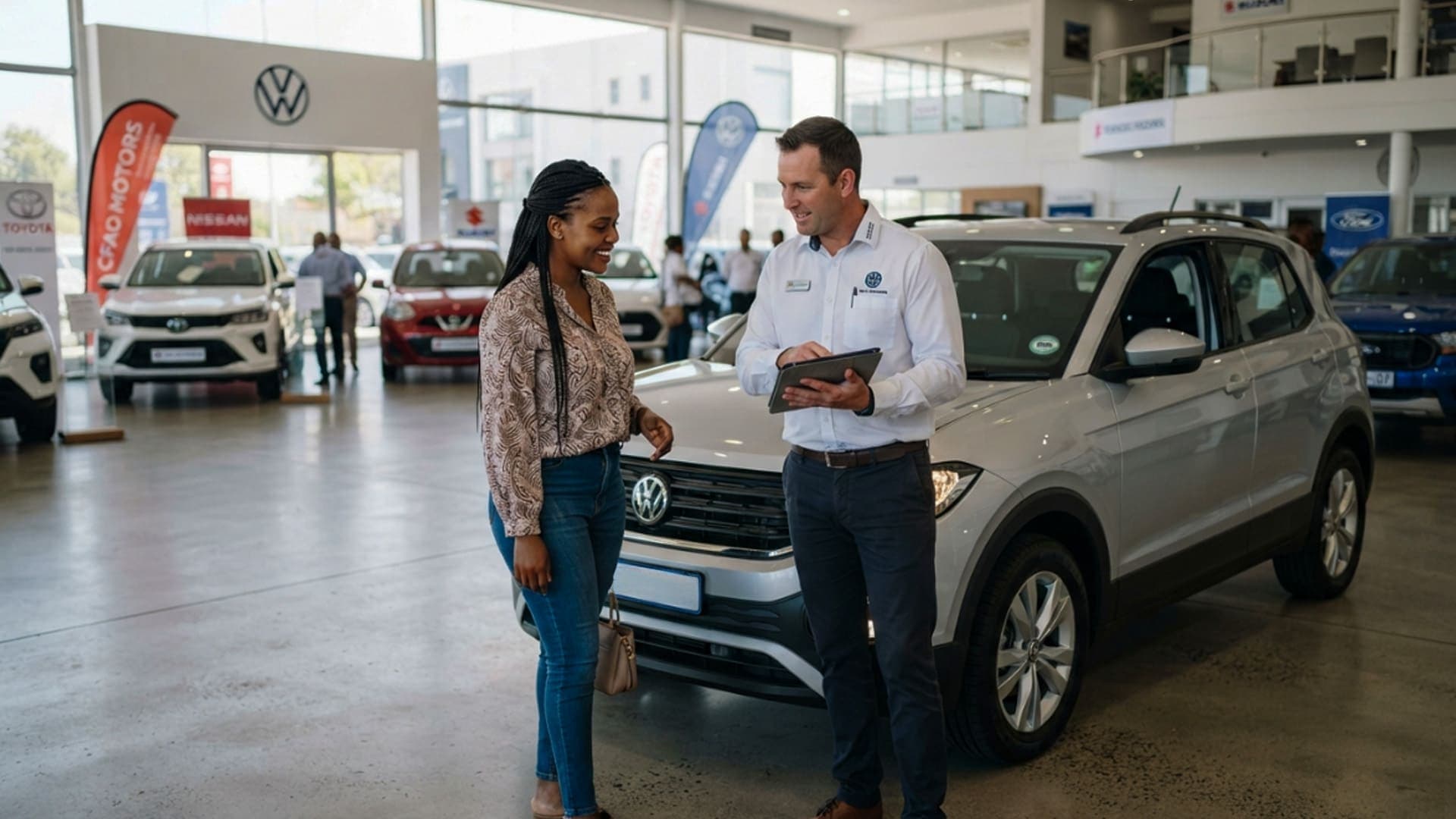
As South Africa’s vehicle market becomes more competitive, automotive advertising needs to do more than announce a price or specification. It needs to help buyers understand value, ownership costs and why a vehicle suits their lives.

Automotive Digital Ads in South Africa: A Shift
Exploring how South Africa’s automotive advertising evolved from print and broadcast to data-driven, programmatic digital ecosystems.

The Video Shift in Car Buying Decisions in SA
Explore how video content shapes car purchase decisions in South Africa, comparing short-form and long-form strategies for automotive marketers.