
In the world of automotive marketing, the phrase ÔÇ£heritageÔÇØ is thrown around a lot. But when a brand has a genuine legacy on the racetrack, that heritage becomes something far more powerful ÔÇö something that transcends mere specification sheets and invites aspiration. In this article weÔÇÖll examine how the ethos of competition can be translated into lifestyle appeal, how legacy can serve modern relevance, and how marketers in the automotive sector can craft narratives that leverage the past while remaining fresh for todayÔÇÖs consumer.
By exploring how racing-proven technology, legend-infused design cues, and bold storytelling converge, weÔÇÖll see how automotive brands turn their competitive DNA into living, breathing lifestyle propositions. From the hot roar of engines on track to the quiet refinement of a showroom floor, the journey matters. And it's here where marketing finds its richest soil: where a brandÔÇÖs racing past becomes the bedrock for its lifestyle future.
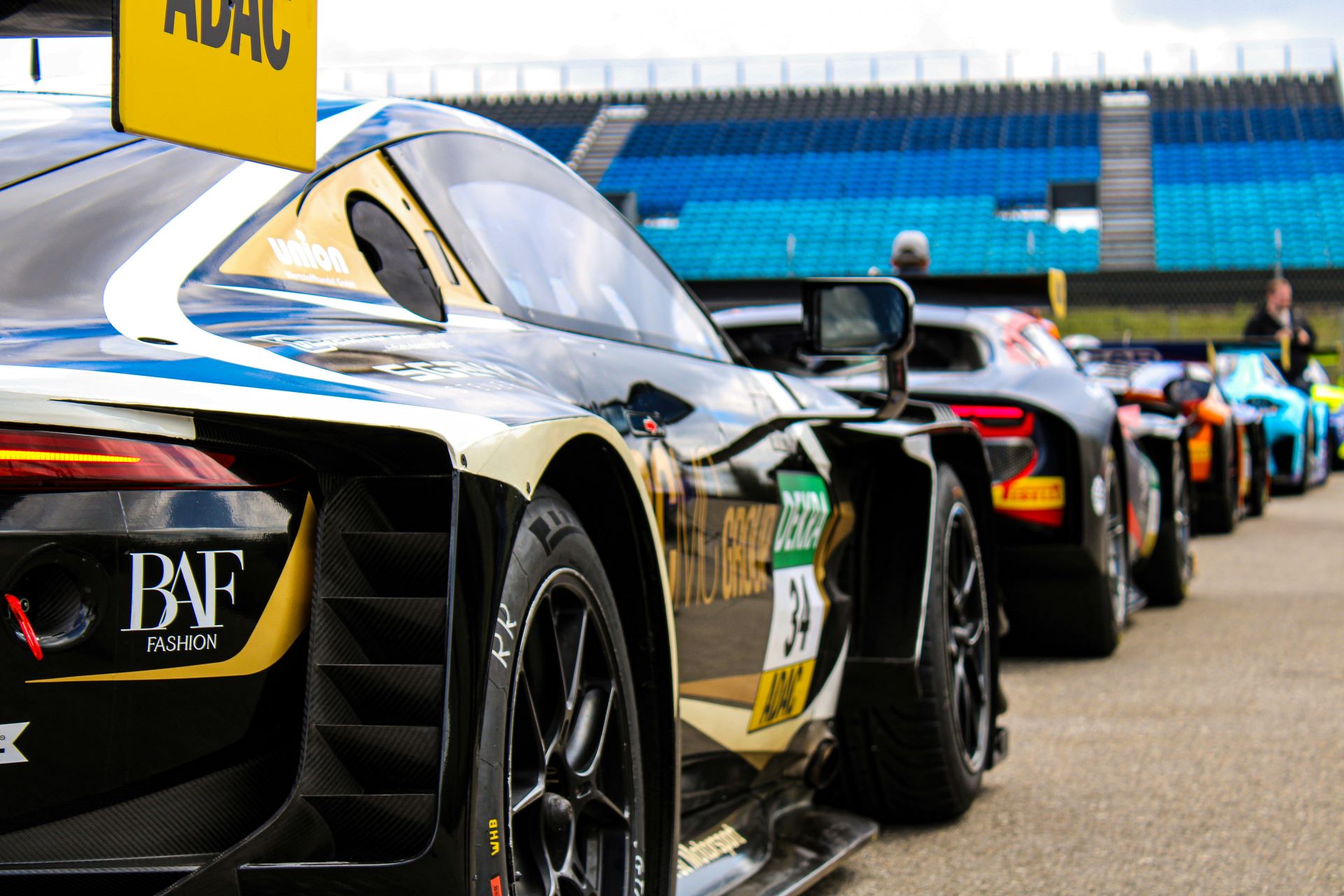
The Value of Racing Heritage
The racetrack as laboratory and myth
Racing has always served two overlapping roles for automotive brands. On one hand it is a brutal test-bed: machinery stressed to failure, boundaries probed, performance forced to evolve. On the other hand, it is myth-making: legends built, icons formed. For a brand, success on the track offers both engineering credibility and emotional gravitas. As noted in recent analyses, motorsport isnÔÇÖt just spectacle ÔÇö itÔÇÖs a strategic lever in brand positioning.
When a brand speaks of ÔÇ£Born on the trackÔÇØ, it signals more than sporty intent. It signifies that the very blood of competition flows through the chassis, the engine, the design. That is potent for marketing.
Transferring performance credentials into the showroom
The consumer may never drive a car in a 24-hour endurance race, but the implication is clear: what wins on Sunday can be felt on Monday. ThatÔÇÖs the DNA message: a link between the extreme and the everyday. Many brands use this to bridge the performance halo into accessibility. For example, detailing how tech or materials developed for racing find their way into production models.
This also gives brands an edge in differentiation. In a crowded market of power outputs and torque numbers, heritage offers authenticity. As one commentary puts it: In todays saturated automotive market  this heritage serves as a powerful differentiator.
Credibility, trust and emotional resonance
Heritage isnÔÇÖt simply a sticker you plop on a car. ItÔÇÖs the promise of deeper meaning: ÔÇ£This brand knows what performance is because it has proven it.ÔÇØ That builds trust with enthusiasts, and draws in aspirational buyers who want more than transportÔÇöthey want story. The emotional dimension is critical: nostalgia, heroism, drama. These are tools marketers can wield.
From Track to Lifestyle: The Shift in Automotive Marketing
Shifting consumer expectations
Consumers today donÔÇÖt just buy cars; they buy identities, experiences, narratives. The modern buyer wants alignmentÔÇöÔÇ£This car reflects my values, my lifestyle.ÔÇØ So brands with racing roots are recognising that they must move beyond raw horsepower to integrate style, culture, tech, connectivity and authenticity. Indeed, one article argues that while lap times still matter, the lifestyle appeal of racing heritage now sits at the heart of strategic brand campaigns.
Lifestyle narratives rooted in racing DNA
In practice this means weaving race-born cues into everyday messaging:
Design elements (spoilers, vents, aggressive stance) signal track lineage.
Materials and finishes perhaps echo the paddock (carbon fibre, exposed stitching).
Colour palettes, badges and ÔÇ£special editionÔÇØ runs reference historic liveries.
Events, brand content and experiences build community (track days, driver access, virtual simulation).
These tactics help shift the narrative from ÔÇ£we make fast carsÔÇØ to ÔÇ£we embody a culture of performance and belongingÔÇØ. Brands can speak to lifestyle segments: urban professionals who want edge; families who want performance with provenance; enthusiasts who want authenticity.
Limited editions, co-branding and collectible culture
One of the more effective mechanisms is the limited-edition drop. A brand highlights a milestone (50 years of racing, specific wins, driver tributes) and launches a model that acts as both product and cultural moment. These releases often trigger buzz, desirability and media coverage.
In marketing terms, this creates a halo effect: the limited model draws interest; that interest flows to the broader lineup; the brandÔÇÖs ÔÇ£track to streetÔÇØ narrative is reinforced. It is lifestyle marketing underpinned by heritage credibility.
Building the Narrative ÔÇô Strategy for Automotive Marketers
Audit the heritage
Begin by mapping out what your brandÔÇÖs racing legacy is: what wins, what milestones, what innovation leaps. Even if your brandÔÇÖs track history is modest, the key is authenticity and clarity. Consumers will sniff out shallow claims. Make the heritage real.
Analyse which aspects of that legacy can be embedded into consumer messaging. Was there a breakthrough engine, a landmark win, an iconic car that still resonates? These become anchor points for storytelling.
Align with the modern consumer mindset
The world has shifted: sustainability concerns, connectivity expectations, digital experience, global culture. Your racing heritage must be aligned with contemporary relevance. For example:
Emphasise how race-derived tech now benefits everyday efficiency.
Position heritage alongside electrification, software, data-driven performance.
Use digital platforms (social media, immersive content, virtual reality) to engage lifestyle-oriented audiences. As one analysis notes: ÔÇ£Racing to catch the connected customer: how digital is transforming automotive.ÔÇØ
Integrate design, product, and marketing in unison
The best heritage-to-lifestyle campaigns arenÔÇÖt just marketing fluff. They sync product, design, and story. For instance:
A model may feature specific badges, racing-inspired trims, and launch content referencing the heritage.
Launch events might combine track demonstration with lifestyle elements (music, urban pop-culture, influencer tie-ins).
Package marketing mix to span hero experiences (track days) to showroom-driven lifestyle visuals.
Use storytelling formats that resonate
Rather than bullet lists of features, the narrative should evoke emotion. Long-form content, behind-the-scenes races, driver interviews, immersive digital storytelling help build deeper connections.
Also, sparingly using dotted lists can help break up dense paragraphs and highlight key concepts without reducing the narrative flow to purely list-driven content.
Measure beyond the sale
Marketing based on heritage and lifestyle must track deeper metrics: brand sentiment, social engagement, affinity, community growthÔÇönot just unit sales. The goal is to transform buyers into enthusiasts and brand advocates. This is a longer play, but one that builds sustainable value.
Case Studies & Insights
Example of successful heritage leverage
Consider how brands like Porsche integrate motorsport legacy into their broader marketingÔÇöhighlighting how their racing pedigree underpins both product development and lifestyle appeal.
Another example: FordÔÇÖs announcement that they are re-emphasising their racing brand identity (via their ÔÇ£Ford RacingÔÇØ shift) signals how seriously competition lineage influences product and brand storytelling.
What can go wrong (and how to avoid it)
Heritage is potent ÔÇö but misuse can backfire. Key risk areas:
Over-claiming or vague references to ÔÇ£racing DNAÔÇØ without substance.
Disconnect between the marketing message and product reality ÔÇö if the consumer drives the car and sees little link to performance, credibility is eroded.
Heritage alone becomes stale without evolution ÔÇö if a brand celebrates the past but fails to update for todayÔÇÖs expectations (e.g., sustainability, connectivity), it can appear stuck.
For instance, research shows that while a racing pedigree can increase value, it also depends on how well documented and meaningful the history is.
Therefore the mantra: heritage + relevance = strength.
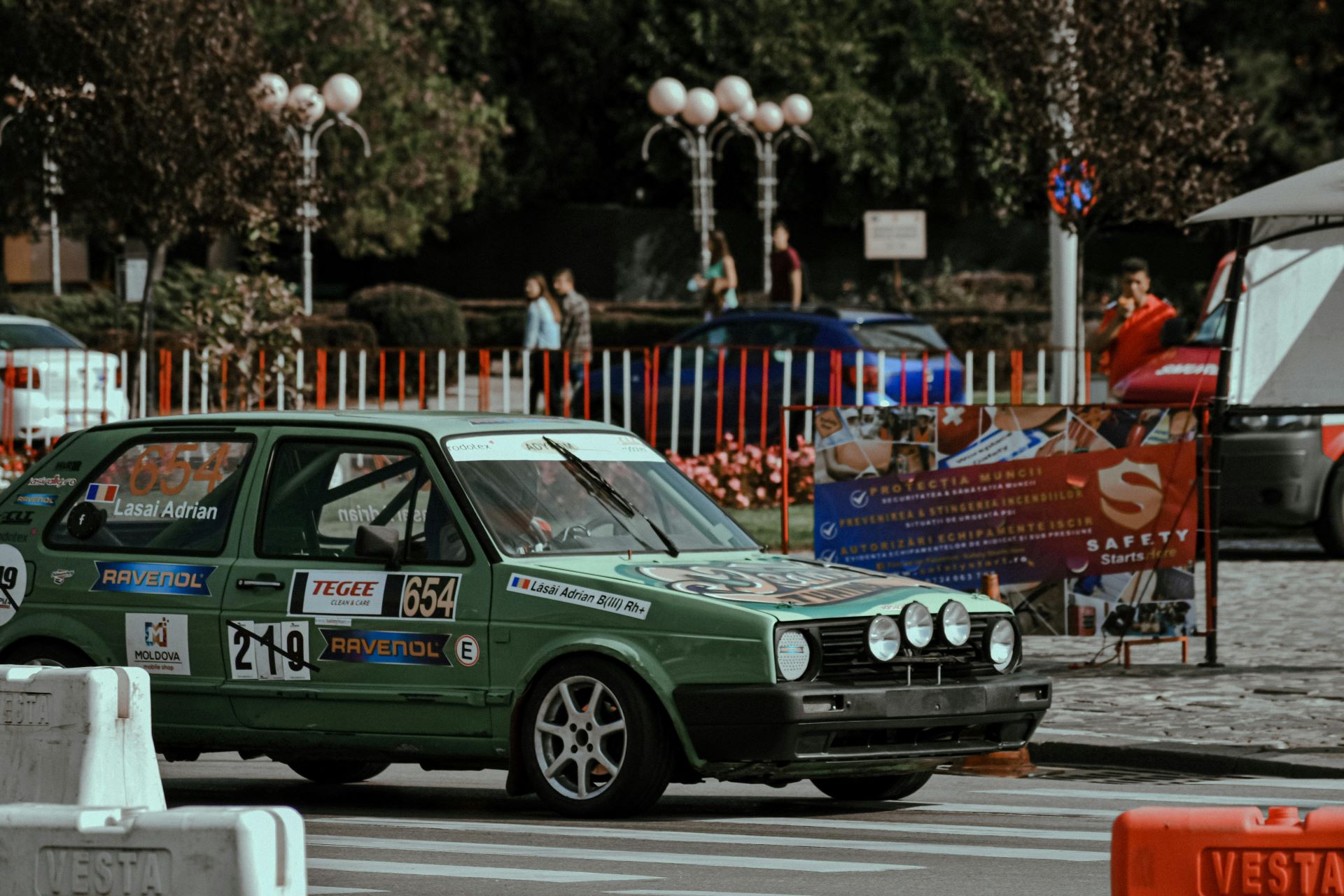
The South African & Emerging Market Context
While much of the discussion above is global, marques marketing in South Africa and emerging markets must tailor the narrative to local culture, consumer behaviour and positioning. HereÔÇÖs how to adapt:
Emphasise relevance: For many consumers in South Africa, lifestyle appeal may lean more heavily on status, design, technology and community than on lap times per se. Tie heritage to aspects that resonate locally.
Use localised content: Racing heritage may include local motorsport accomplishments, regional events, local heroes. These provide relatability.
Digital and social channels: Penetration of mobile, social media usage is high. Use storytelling that is shareable, culturally attuned, and visually punchy.
Pricing and access: In markets where premium segments are smaller, heritage becomes a valuable differentiator for the mid-premium space. It gives credence to higher margins.
Sustainability and future readiness: Emerging markets are rapidly adopting EVs and connected tech. Brands with heritage must show they are not relics but evolving players.
Emerging Trends ÔÇô Where Racing Heritage Meets Future Lifestyle
Electrification and performance culture
Motorsport is shifting: electric racing, hybrid systems, software-driven performance are entering the arena. Brands must show that their heritage isnÔÇÖt fixed in fossil-fuel glory alone but is adapting. For example, endurance race wins may now translate into battery management, software tuning and performance in EVs.
This allows marketing to say: ÔÇ£WeÔÇÖve always raced. Now weÔÇÖre pioneering the next frontier of performance.ÔÇØ That aligns the heritage with modern edge.
Digital and immersive experience
In lifestyle marketing, digital reach and immersive engagement are key. Brands turning their racing archives into content, virtual experiences, club communities, and merchandise create multiple touchpoints. ÔÇö From driver VR races to behind-the-scenes pit-lane content, the heritage becomes part of an interactive lifestyle.
Given research on how digital transformation is affecting automotive purchasing behaviour, this is a timely shift.
Community, culture and ownership experience
Heritage isnÔÇÖt just for the brandÔÇöitÔÇÖs for the owner. When someone buys a car infused with racing history, they become part of a narrative. Marketing and brand experience teams must build communities: owners clubs, track day invites, shared storytelling. These reinforce the lifestyle appeal.
The community engagement helps turn the car into a symbol, not just a vehicle.
Sustainability of legacy
Brands must protect their credibility. Documenting achievements, being transparent about how racing experience leads to product benefit, the authenticity of campaigns are essential. Consumers are becoming savvy; they expect substance alongside style.
The CopywriterÔÇÖs Playbook ÔÇô Translating Strategy into Words
As a copywriter working in the automotive space (yes, IÔÇÖm the silly guy today with wÔÇÖs and lÔÇÖs but still serious), your job is to make the racing heritage feel present and livingÔÇönot dusty. HereÔÇÖs how:
Front-load the story: Begin with action (The roar of the engine in the silver-lined pit lane), then anchor it to today (and that surge is what lives in the road car you sit behind now.)
Use sensory details: Sound, smell, movement. These make racing heritage visceral.
Connect legacy to benefit: ÔÇ£Because we dared to race, you get precision steering, dynamic response, a connection to the road that rivals the track.ÔÇØ
Build lifestyle imagery: ÔÇ£ItÔÇÖs not just a car. ItÔÇÖs how you arrive, how you feel, who you are when you step out at sunset and the city lights reflect off its cresting hood.ÔÇØ
Use sparing dotted lists when needed: they break up heavy text, emphasise key features, but keep the flow:
ÔÇó Racing-tested engine architecture.
ÔÇó Signature liveries and design cues.
ÔÇó Exclusive owner community and events.
Security: Make sure your tone aligns with premium aspiration but remains approachable for the market youÔÇÖre writing for.
Localise: If this is for South Africa, weave in local context, local culture, heritage of motorsport in the region, and how the brandÔÇÖs global racing DNA connects locally.
CTA as invitation, not push: ÔÇ£Become part of the legacy. Begin your chapter.ÔÇØ
Implementation Tactics for Campaigns
Product launch campaigns
When a brand launches a model with racing-inspired heritage, tie product features to heritage cues: special edition badges, heritage colours, race-derived technology, track-inspired packaging. Create teasers rooted in the racing story before revealing the product.
Build campaign phases:
Pre-launch: heritage teaser, archival footage, driver stories.
Launch: immersive event, perhaps at a track or digital simulation.
Post-launch: owner stories, lifestyle content, social community.
Content marketing & storytelling
Use formats like:
Brand films showing race history and linking to current model.
Behind-the-scenes ÔÇö engineers, drivers, tracks.
Owner profiles: ÔÇ£What owning this car meansÔÇØ.
Lifestyle-driven visuals: urban, leisure, weekend escape.
Merchandising and brand-experience tie-ins (limited-edition apparel, accessories referencing racing).
Dealer and local market activation
Activate at local market level: track days, VIP owner rides, local racing events, community link-ups. For South Africa: partner with local motorsport clubs, track events, coastal drives, scenic routes. Use the heritage narrative to build aspirational lifestyle experiences beyond the car itself.
Digital & social
Leverage social platforms: YouTube documentaries, Instagram reels of track action, TikTok behind-the-scenes (but keep tone aligned). Develop a hashtag for the heritage campaign. Use user-generated content: owners showing the car in their lives, track enthusiasts, road trips. Make heritage interactive.
Measurement
Track both hard and soft metrics:
Brand sentiment, social engagement, share of voice.
Community membership growth, event participation.
Conversion: leads, showroom visits, sales of special-edition models.
Long-term metrics: brand loyalty, repeat purchase, secondary market value.
Looking Ahead ÔÇö The Future of Heritage-led Lifestyle Marketing
As the automotive industry evolves rapidly, the intersection of heritage and lifestyle will increasingly demand adaptability. Indicators for the future:
Hybrid Heritage: brands will integrate classic racing pedigree with future-tech narratives (EVs, autonomous systems) so the message is not just ÔÇ£we racedÔÇØ but ÔÇ£we race into tomorrowÔÇØ.
Digital heritage ecosystems: Owners may access digital platforms where their carÔÇÖs heritage link is unlockedÔÇöhistoric footage, race-day data, exclusive club content.
Global-local interplay: Brands will curate their global racing history but localise the lifestyle translation for markets like South Africa, Latin America, Asia.
Experiential ownership: The car purchase becomes a membership in a lifestyle club. Heritage becomes badge, network, experience.
Sustainability and authenticity: As consumer values shift, heritage must align with ethical, environmental, technological valuesÔÇönot just speed for its own sake.
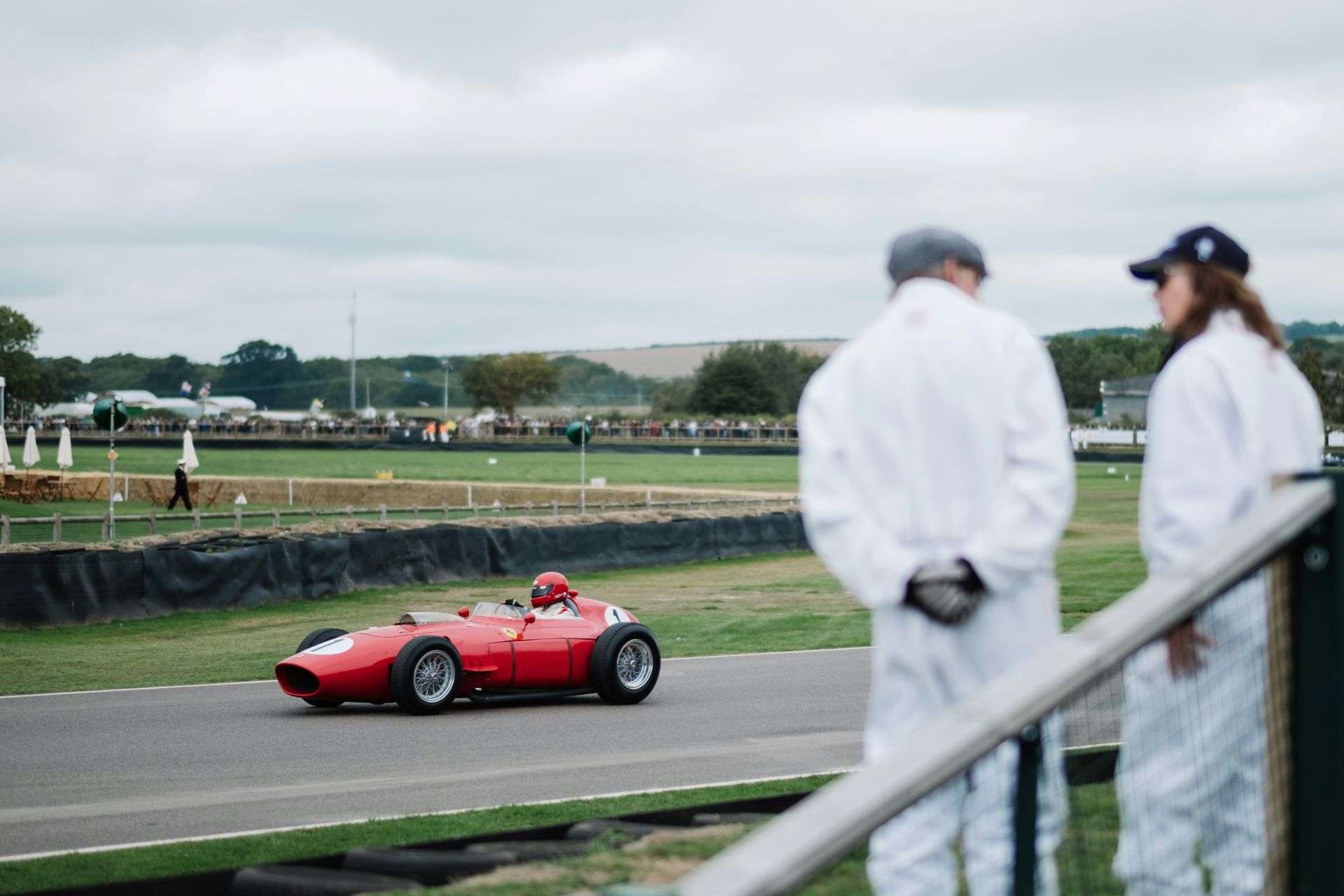
For automotive marketers, the phrase ÔÇ£Racing Heritage, Modern EdgeÔÇØ is more than a tagline. It is a blueprint. It says: we respect our competitive past; we bring that DNA into the modern world; and we invite a new kind of consumer to participate ÔÇö not just as a buyer, but as a lifestyle partner. When the marketing narrative success┬¡fully ties the visceral thrill of the racetrack to the everyday emotional as well as functional needs of the modern buyer, you create something rare: a car that doesnÔÇÖt just transport, but transforms.
In an age where everyone drives, few will race. But many can live a little of that racing spirit in the way they choose their car, the way they present themselves, the community they join. That is the sweet spot. Heritage gives you the authenticity; the lifestyle appeal gives you the relevance. Wanting to own a piece of racing isnÔÇÖt about trophies in a glass caseÔÇöitÔÇÖs about living the ethos of performance, style, and legacy in every commute, every scenic drive, every road trip.
So as you craft your next automotive campaign, ask: How does our racing past make someones life today richer, more exciting, more connected? Use those answers. And maybe just maybe let the roar of yesterday echo into the roar of todays road.
Breyten Odendaal
Specializing in high-performance automotive advertising and digital marketing solutions, delivering cutting-edge insights and the latest news shaping the automotive industry in South Africa.
More From Advertising

Automotive Advertising in 2026: Selling Confidence in a More Competitive Market
As South Africa’s vehicle market becomes more competitive, automotive advertising needs to do more than announce a price or specification. It needs to help buyers understand value, ownership costs and why a vehicle suits their lives.

Automotive Digital Ads in South Africa: A Shift
Exploring how South Africa’s automotive advertising evolved from print and broadcast to data-driven, programmatic digital ecosystems.

The Video Shift in Car Buying Decisions in SA
Explore how video content shapes car purchase decisions in South Africa, comparing short-form and long-form strategies for automotive marketers.