
In the world of automotive excellence, few passions run as deep as the love for racing. For decades, the thunderous roar of engines, the precision of split-second maneuvers, and the dazzling spectacle of speed have not only defined the sport of motorsport but have also served as a vital cornerstone in shaping the identity of some of the worldÔÇÖs most iconic automotive brands. Racing heritage, in this context, represents more than just a storied pastÔÇöit embodies a relentless pursuit of perfection, innovation, and performance that echoes through every curve and contour of a carÔÇÖs design.
At its core, racing heritage encapsulates the trials, triumphs, and technological leaps made on the tracks, serving as a tangible record of an automakerÔÇÖs commitment to excellence. For automotive enthusiasts, it is a powerful reminder that behind every sleek exterior and powerful engine lies a legacy of competitive spirit and engineering mastery. This heritage is not confined to dusty old trophies and archival photos; it is alive in every roar of an engine on a racetrack, every precision-engineered component, and every marketing campaign that dares to evoke the thrill of victory.
Brand identity, particularly in todayÔÇÖs fiercely competitive market, is the narrative a company builds to set itself apart from the crowd. It is an amalgamation of values, history, design, and promise that resonates with consumers on both an emotional and rational level. For car manufacturers, this identity often hinges on the dual pillars of innovation and performanceÔÇöattributes that are most powerfully conveyed through motorsports. Whether itÔÇÖs the adrenaline of Formula 1, the endurance of Le Mans, or the unpredictable nature of rally championships, racing offers an unfiltered testament to a brandÔÇÖs engineering prowess and competitive resilience.
This article delves into the multifaceted relationship between motorsports and brand identity. We will explore how historic racing milestones have not only shaped automotive design and performance but have also forged a lasting bond with consumers. By tracing the evolution of racingÔÇöfrom its humble beginnings to its present-day manifestationsÔÇöwe uncover the layers of influence that motorsports exerts on brand perception. Along the way, we will highlight legendary races, examine the psychological impact of racing victories, and reveal how modern marketing strategies have evolved to capture this electrifying heritage.
As we journey through the annals of racing history and into the dynamic arena of modern marketing, the central thesis becomes clear: motorsports is much more than a sport. It is an enduring narrative that intertwines with the identity of automotive brands, transforming mere machines into emblems of speed, innovation, and passion. For enthusiasts and industry insiders alike, understanding this connection offers profound insights into why certain brands evoke loyalty, trust, and aspiration.
Join us as we shift gears into the historical context of racing, dissect its impact on brand image, and explore how cutting-edge marketing strategies continue to harness the magnetic allure of motorsport heritage. In doing so, we aim to shed light on how the legacy of racing not only accelerates automotive innovation but also propels brand identities into a future where performance, heritage, and modernity coexist in perfect harmony.
Historical Context
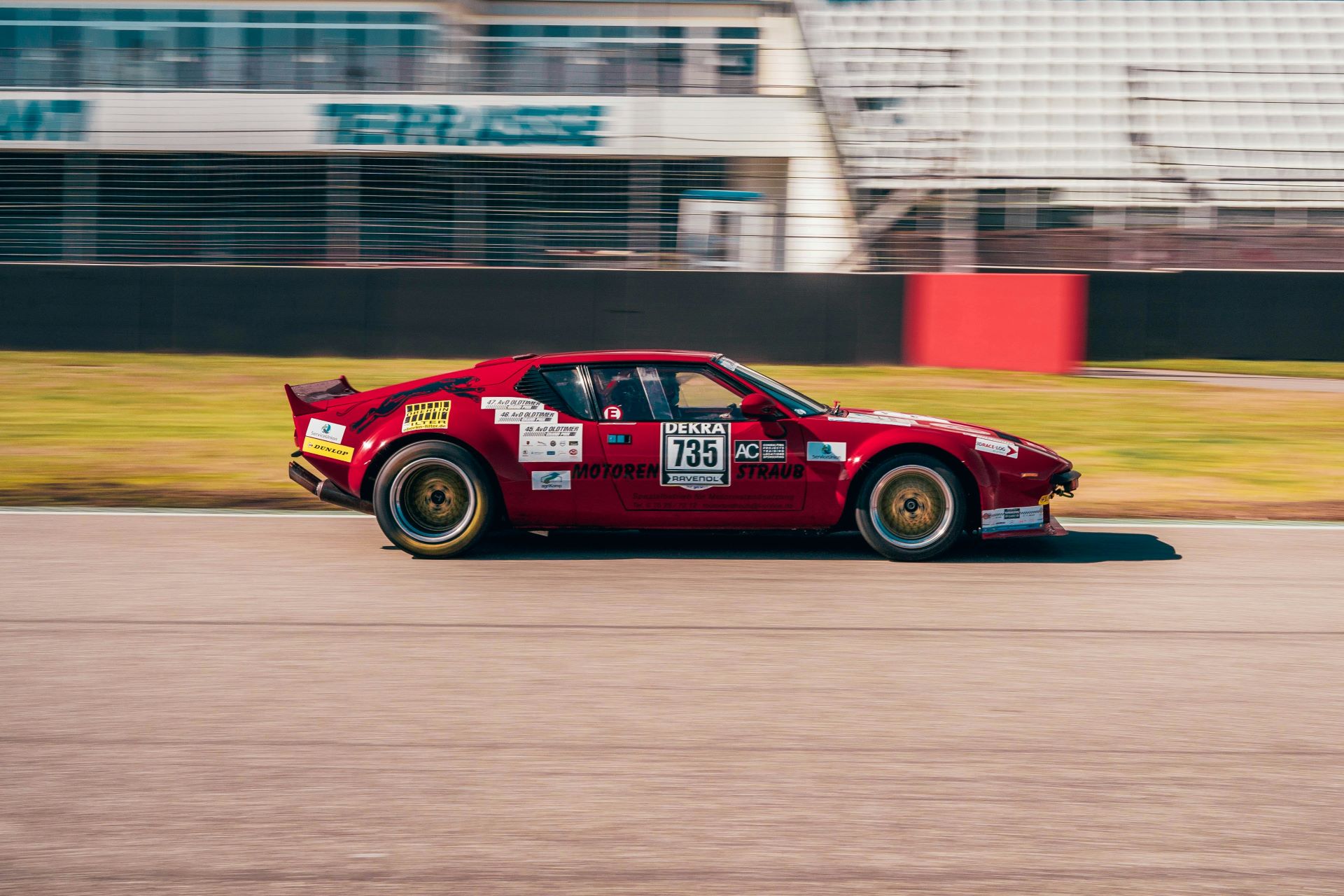
The history of racing is as winding and intricate as the tracks on which these iconic machines have competed. From the early days of motorized competition to the high-tech circuits of today, motorsports has evolved hand in hand with automotive technology, continually pushing the boundaries of engineering and design. The origins of racing can be traced back to the late 19th and early 20th centuries, when the invention of the automobile sparked a competitive spirit among pioneers seeking to test the limits of speed and endurance.
In the early days, racing was less about spectacle and more about proving the viability of the automobile itself. Competitions were organized as a means to demonstrate technological superiority and to encourage further innovation in design and performance. These formative events laid the groundwork for a tradition that would soon captivate public imagination and forever alter the course of automotive history. As enthusiasts gathered to witness these daring feats, the connection between racing and the manufacturing of automobiles was cemented, establishing a legacy that continues to influence brand narratives today.
Iconic races such as the 24 Hours of Le Mans, Formula 1 Grand Prix, and the world of rally championships emerged as true testing grounds for automotive ingenuity. The 24 Hours of Le Mans, for example, is more than just an endurance raceÔÇöit is a grueling examination of a carÔÇÖs reliability and engineering. Automakers like Porsche and Audi built entire legacies around their performances at Le Mans, with each victory underscoring the critical balance between speed, durability, and innovation. Similarly, Formula 1 has long been revered as the pinnacle of racing, where cutting-edge technology and split-second decisions merge into a spectacle of precision and performance. Brands such as Ferrari and Mercedes-Benz have long leveraged their successes on the F1 circuit to convey messages of high-performance engineering and competitive dominance.
Pioneering brands recognized early on that motorsport victories could be seamlessly integrated into their marketing narratives. Take Ferrari, for exampleÔÇöa brand whose identity is inextricably linked to its racing pedigree. Founded by Enzo Ferrari, the companyÔÇÖs relentless pursuit of speed and innovation has not only produced a series of on-track triumphs but has also built a mystique around the prancing horse emblem. This symbol has come to represent a legacy of passion, precision, and uncompromising qualityÔÇöa narrative that continues to drive consumer perception and brand loyalty.
Mercedes-Benz, too, has etched its name in racing history, using its motorsport achievements to enhance its brand image as a paragon of luxury and engineering excellence. Early forays into racing provided the company with a platform to experiment with innovations that would eventually permeate their commercial vehicles. The integration of racing technology into everyday automobiles not only underscored the brandÔÇÖs technical prowess but also helped create a narrative of continuous improvement and forward-thinking design.
As the decades passed, the intertwining of motorsports and automotive manufacturing grew more pronounced. Racing was no longer viewed merely as a sport but as an essential proving ground for emerging technologies. Developments in aerodynamics, materials science, and engine efficiency were first tested on the tracks before being adapted for consumer vehicles. This symbiotic relationship between racing and research not only accelerated technological advancements but also provided brands with compelling stories to tellÔÇöa narrative steeped in risk, innovation, and ultimate triumph.
Moreover, the evolution of racing itself mirrors the broader societal shifts in technology and consumer expectations. As safety regulations tightened and environmental concerns emerged, motorsports had to adapt, pushing manufacturers to innovate even further. This period of transformation saw the rise of hybrid and electric propulsion systems, with brands now positioning themselves at the forefront of sustainable performance. In this way, the historical context of racing serves as a continuous dialogue between the past and the present, where every lap completed and every record shattered reinforces a brandÔÇÖs commitment to excellence and resilience.
Through the lens of history, it becomes evident that motorsports is much more than a series of competitions. It is a living, breathing chronicle of human ingenuity and ambitionÔÇöa chronicle that has left an indelible mark on the identity of automotive brands across the globe. From the early, dusty circuits to the modern, technologically advanced tracks, racing has been a proving ground for innovation and a wellspring of inspiration for generations of engineers, designers, and marketers alike.
Impact of Racing on Brand Image
Motorsports success has an almost alchemical effect on brand image. The ability to not only compete but to triumph in the unforgiving arena of high-speed competition immediately confers an aura of excellence upon an automotive brand. This association goes far beyond the tangible benefits of engineering and designÔÇöit touches the very psyche of consumers, forging an emotional connection that transforms a simple vehicle into an icon of performance and aspiration.
When a car manufacturer wins on the racetrack, it sends a potent signal to the market: this brand is at the pinnacle of its craft. Such victories are often broadcast around the globe, capturing the attention of both dedicated racing aficionados and the casual observer. The psychological impact is profound. Consumers begin to associate the brand with qualities like precision engineering, reliability under pressure, and an unyielding commitment to performance. As marketing strategist Simon Sinek once noted, ÔÇ£People donÔÇÖt buy what you do; they buy why you do it.ÔÇØ For brands with a rich racing heritage, the ÔÇ£whyÔÇØ is steeped in the passion for speed and the relentless pursuit of excellence.
Consider FerrariÔÇöa name that instantly conjures images of roaring engines and red race cars hurtling down a track. FerrariÔÇÖs motorsport triumphs are not merely historical footnotes; they are integral to the brandÔÇÖs identity. Every race won and every record set reinforces the narrative that Ferrari is synonymous with speed, luxury, and uncompromising quality. This narrative is not confined to the racetrack. It permeates every facet of the brand, influencing the design of their road cars, the language used in their advertising, and even the emotional resonance they evoke among enthusiasts. A Ferrari isnÔÇÖt just a car; itÔÇÖs a rolling testament to decades of racing success.
The impact of racing extends well beyond traditional luxury brands. Even mainstream manufacturers have harnessed the allure of motorsport to reinvent their image. Take the example of BMWÔÇÖs M Division. Born out of a desire to capture the spirit of competition, BMWÔÇÖs performance-oriented vehicles carry the DNA of motorsport into everyday driving. The aggressive styling, precision handling, and performance-tuned engineering of M models are direct descendants of BMWÔÇÖs racing endeavors. For many consumers, owning an M car is a badge of honorÔÇöa tangible connection to a legacy of racing excellence that promises not only superior performance but also a taste of the trackÔÇÖs adrenaline-fueled excitement.
Moreover, motorsport victories offer a form of validation that is hard to quantify but immediately felt by consumers. Winning in racing is a rigorous test of technology and teamwork. When a brand emerges victorious against the worldÔÇÖs best, it demonstrates that its vehicles can handle the most extreme conditions, from blistering speeds on a Formula 1 circuit to the grueling endurance of a 24-hour race. This kind of validation reassures customers that the same level of excellence will be evident in the vehicles they drive on the street. The transfer of racing technology to consumer vehiclesÔÇöwhether through advancements in aerodynamics, braking systems, or engine efficiencyÔÇöfurther cements this relationship, creating a virtuous cycle where innovation on the track translates to enhanced performance off it.
Industry experts have long emphasized the intangible benefits of motorsport success. As automotive journalist and former race car driver, Jackie Stewart, famously remarked, ÔÇ£Racing is the ultimate laboratory.ÔÇØ Indeed, each race serves as a real-world experiment where theories are tested at the limits of physics. The data, experiences, and lessons gleaned from these high-pressure environments feed back into the design and engineering processes of automotive brands. This continuous loop of feedback and improvement not only keeps the brands at the forefront of technological innovation but also imbues them with a sense of authenticity and credibility that is hard to replicate through conventional marketing channels.
In a competitive market, where consumers are inundated with choices, the psychological edge gained through motorsports can be a decisive factor. A successful racing heritage often creates an aura of exclusivity and aspiration. It is not uncommon for car enthusiasts to express a sense of pride and belonging when they identify with a brand that has a storied past on the racetrack. This emotional connection fosters brand loyalty that is resilient in the face of economic fluctuations and shifting market trends.
Ultimately, the impact of racing on brand image is a multifaceted phenomenon that weaves together elements of performance, heritage, innovation, and emotion. It transforms the way consumers perceive vehicles, elevating them from mere modes of transport to symbols of a relentless pursuit of excellence. In a world where every detail counts, the legacy of motorsports offers brands an unrivaled narrativeÔÇöa narrative that continues to inspire and captivate generations of automotive enthusiasts.
Marketing Strategies Involving Motorsports
As the automotive landscape becomes increasingly saturated with competing messages and brands, the strategic use of motorsports in marketing campaigns has emerged as a potent tool for differentiation. By leveraging the rich tapestry of racing heritage, companies can craft compelling narratives that resonate with consumers on both emotional and rational levels. This section explores the diverse marketing strategies that harness the power of motorsports, from sponsorships and brand partnerships to ambassador programs and design integrations.
Sponsorships and Partnerships
One of the most visible ways in which brands tap into motorsport heritage is through strategic sponsorships. By aligning themselves with high-profile racing teams and events, automotive companies gain access to a captive audience that is already passionate about performance and speed. Major events like the Formula 1 Grand Prix or the 24 Hours of Le Mans offer brands an unparalleled platform to showcase their engineering prowess and competitive spirit. For instance, partnerships with teams such as Red Bull Racing or Mercedes-AMG provide a dual benefit: the brand gains visibility on a global stage, and the racing team benefits from the financial and technological support of a well-established partner.
These sponsorships are not limited to the realm of professional racing. Many brands have also ventured into grassroots motorsport events, recognizing the value of engaging with enthusiasts at the local and regional levels. By sponsoring regional races, rally events, or even amateur competitions, brands are able to cultivate a sense of community and loyalty among consumers. These initiatives often include interactive fan experiences, behind-the-scenes access, and opportunities for consumers to engage directly with the brandÔÇöa strategy that not only enhances brand perception but also builds long-term loyalty.
Ambassador Programs and Influencer Partnerships
In todayÔÇÖs digital age, influencer marketing has taken center stage, and motorsports is no exception. Automotive brands are increasingly enlisting the help of celebrated drivers, engineers, and racing legends to serve as brand ambassadors. These individuals, with their firsthand experience of the rigors and triumphs of racing, add a layer of authenticity and credibility to marketing messages. When a celebrated driver speaks about the engineering excellence of a car, their words carry weight with enthusiasts who understand the nuances of performance and precision.
Ambassador programs often extend beyond traditional endorsements. Many brands now involve their ambassadors in product development, testing, and promotional events. This collaboration not only strengthens the bond between the brand and its ambassador but also provides consumers with unique insights into the technological innovations inspired by motorsports. For example, behind-the-scenes footage of a driver testing new aerodynamic components or discussing the challenges of high-speed racing can be powerful content that reinforces the brandÔÇÖs commitment to excellence.
Integrating Racing Design into Consumer Products
Beyond sponsorships and endorsements, one of the most tangible ways in which motorsports influence modern marketing is through design. Many automotive manufacturers draw direct inspiration from their racing endeavors, incorporating design elements that evoke the spirit of competition and performance. Aggressive body lines, aerodynamic features, and high-performance materials often find their origins on the racetrack before being adapted for consumer vehicles.
This design philosophy is evident in brands such as BMW M and Audi Sport, where racing-inspired aesthetics are a key component of the product line. These vehicles are not just designed for speedÔÇöthey are crafted to capture the imagination of consumers who yearn for the thrill of the race. By embedding subtle yet powerful racing cues into the design of everyday cars, manufacturers create a lasting connection between their high-performance vehicles and their broader brand identity.
Case Studies of Successful Marketing Campaigns
Several high-profile marketing campaigns have successfully leveraged motorsport heritage to elevate brand perception. One notable example is the campaign by Mercedes-AMG, which masterfully intertwined its racing success with the launch of new performance vehicles. The campaign featured a series of visually stunning commercials that not only showcased the technical prowess of Mercedes-AMG vehicles but also told the story of their journey from the racetrack to the consumer market. The narrative was clear: every innovation that contributes to a faster, more efficient race car ultimately enhances the driving experience of everyday consumers.
Another compelling case is Red Bull RacingÔÇÖs comprehensive marketing strategy, which has become a benchmark in the industry. By blending high-octane racing action with behind-the-scenes insights and personal stories of its drivers, Red Bull has cultivated a brand image that is both aspirational and accessible. Their campaigns transcend traditional advertising by offering immersive experiences, whether through live race broadcasts, interactive social media content, or exclusive fan events. This multifaceted approach not only reinforces the brandÔÇÖs motorsport heritage but also creates a dynamic dialogue with its audience.
Digital and Social Media Integration
In the modern marketing landscape, digital channels play a pivotal role in amplifying the impact of motorsports heritage. Social media platforms, in particular, offer an ideal venue for brands to share real-time updates, highlight key moments from races, and engage with a global community of enthusiasts. Live-tweeting during races, behind-the-scenes videos, and interactive fan polls are just a few of the tactics that brands employ to create a sense of immediacy and excitement around their motorsport endeavors.
The rise of digital storytelling has also given birth to innovative content formats such as virtual reality experiences and interactive documentaries. Imagine stepping into a virtual pit lane during a Formula 1 race or experiencing the adrenaline rush of a simulated rally through a high-definition VR headset. These digital experiences not only bridge the gap between fans and the sport but also reinforce the message that the brand is at the forefront of technological innovationÔÇöboth on and off the track.
In summary, the integration of motorsports into modern marketing strategies is a multifaceted endeavor that combines sponsorships, ambassador programs, design innovation, and digital engagement. By tapping into the enduring appeal of racing heritage, automotive brands are able to craft narratives that are not only compelling and authentic but also deeply resonant with consumers. This synergy between motorsport and marketing not only elevates brand identity but also paves the way for a future where performance, passion, and innovation are celebrated in every facet of automotive design.
Consumer Perception and Brand Loyalty
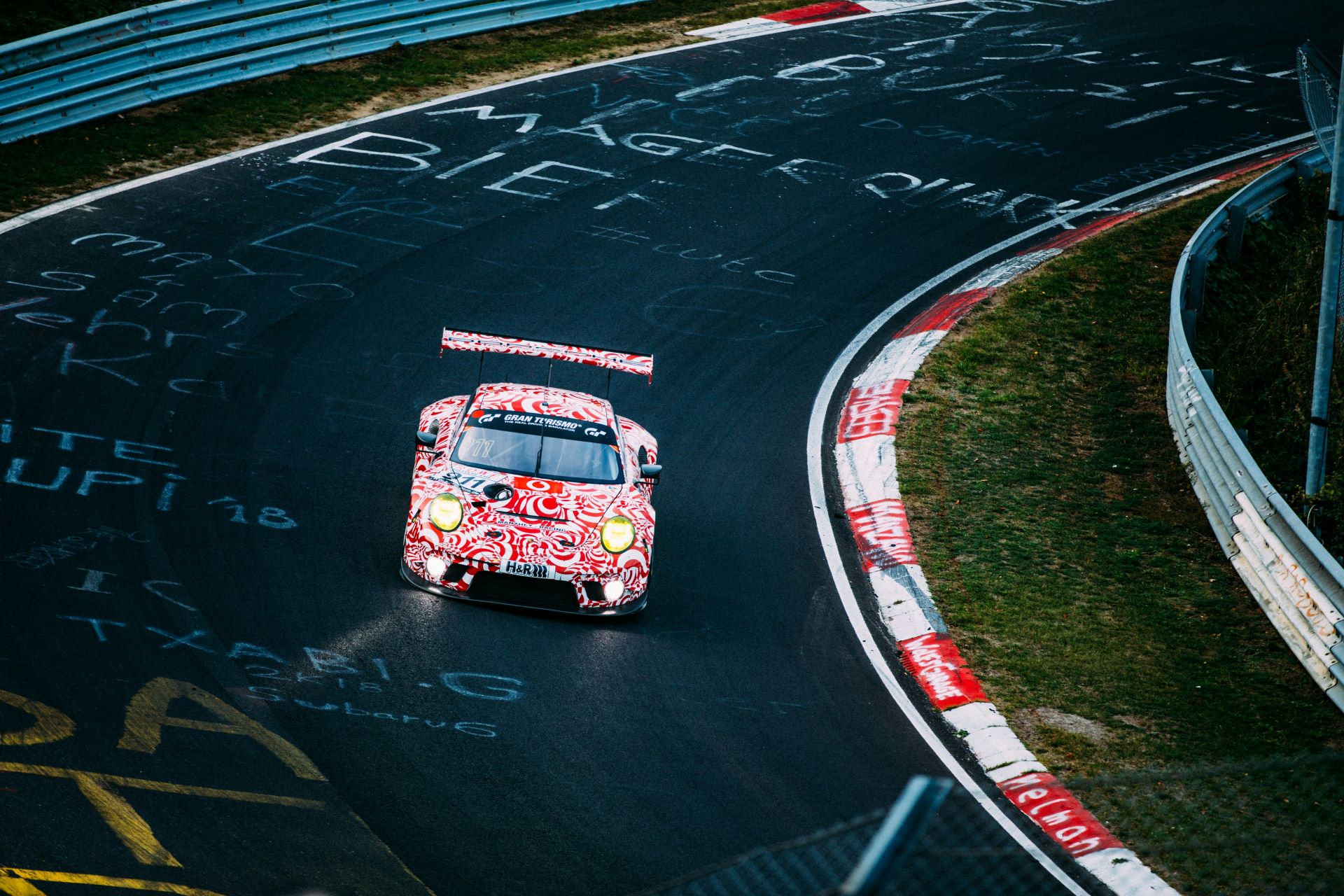
The allure of motorsports goes beyond the confines of the racetrackÔÇöit seeps into the everyday experiences of consumers and shapes their perceptions of automotive brands. This profound connection between racing heritage and consumer sentiment is rooted in the belief that the qualities that win races are the same ones that make for reliable, high-performance vehicles on the road. In essence, a brandÔÇÖs success on the track becomes a promise of excellence to its customers, fostering an emotional bond that translates into unwavering loyalty.
The Emotional Resonance of Racing
For many automotive enthusiasts, the thrill of motorsport is not merely about speed or technical performance; itÔÇÖs about the passion, dedication, and relentless pursuit of perfection. These are values that resonate deeply with consumers who see their vehicles as extensions of their own aspirations and lifestyles. When a brand with a storied racing heritage presents a new model, consumers are not just buying a carÔÇöthey are investing in a legacy of competitive excellence and innovation. The narrative of overcoming adversity, pushing the limits of technology, and achieving victory against all odds creates an emotional framework that elevates the driving experience to something almost mythic.
Surveys have repeatedly shown that consumers are more likely to remain loyal to brands that evoke strong emotional responses. The mere association with motorsports can imbue a vehicle with an aura of excitement and reliability. For instance, a consumer who dreams of high-speed racing might view a car with a proven track record on the circuit as a symbol of their own aspirations. This emotional alignment fosters a sense of pride and belonging that is difficult for competitors to replicate.
The Technology Transfer: From Track to Street
Another critical factor in building brand loyalty is the tangible benefits that arise from racing-driven innovation. Over the years, many technological advancementsÔÇöranging from advanced braking systems to aerodynamic refinementsÔÇöwere born on the track and later refined for consumer vehicles. This technology transfer is more than a marketing gimmick; it is a testament to a brandÔÇÖs commitment to performance and safety. When consumers see that the same cutting-edge innovations that powered a winning race car are integrated into their everyday vehicles, it reinforces their trust in the brandÔÇÖs ability to deliver superior performance.
The notion of ÔÇ£track-testedÔÇØ technology is particularly compelling. It suggests that every component of a consumer vehicle has been battle-hardened in one of the most challenging environments imaginableÔÇöa sentiment that resonates deeply with buyers seeking both performance and reliability. This continuous loop of innovation, where lessons learned on the racetrack lead to tangible improvements in consumer models, not only strengthens brand loyalty but also sets a high benchmark for competitors.
Fostering Community and Engagement
The influence of motorsports on consumer perception is also bolstered by the sense of community it creates. Enthusiasts from around the globe rally around their favorite brands, forming tight-knit communities where passion for racing and cars is celebrated. Car clubs, online forums, and fan events centered around racing heritage provide platforms for consumers to share their experiences, exchange technical insights, and celebrate the shared legacy of motorsport. These communal experiences transform brand interactions from mere transactions into lifelong relationships rooted in mutual passion and respect.
Moreover, many automotive brands have recognized the power of consumer engagement by hosting exclusive events that bridge the gap between the racetrack and the showroom. Track days, factory tours, and meet-and-greet sessions with racing legends not only offer fans a unique, immersive experience but also serve to reinforce the connection between the brandÔÇÖs heritage and its modern offerings. This direct engagement fosters an environment where consumers feel valued, creating a cycle of loyalty that extends far beyond the initial purchase.
Measuring the Impact: Data and Sentiment
Quantitative studies and market surveys have often highlighted a strong correlation between motorsports heritage and consumer brand loyalty. Research indicates that brands with a rich racing history are more likely to enjoy repeat business, as the underlying narrative of performance and innovation builds a strong emotional bond with customers. Even in times of economic uncertainty, these brands tend to exhibit resilience in market performance, underscoring the deep-rooted trust that consumers place in them.
Furthermore, social media analytics and customer feedback consistently show that motorsport-related content garners higher engagement rates. Whether itÔÇÖs a behind-the-scenes video of a race-day preparation or an interactive Q&A with a racing driver, content that taps into the heritage of motorsports tends to resonate more strongly with audiences. This digital engagement not only reinforces brand loyalty but also attracts new customers who are drawn to the excitement and authenticity that motorsport represents.
In summary, the interplay between consumer perception and motorsports heritage is a dynamic and multifaceted phenomenon. The emotional resonance of racing, coupled with the tangible benefits of technological innovation and the power of community, creates an environment where brand loyalty is not just encouragedÔÇöit is inevitable. For automotive brands, harnessing this dynamic offers a roadmap to building enduring relationships with consumers who not only appreciate the thrill of the race but also see it as a symbol of the quality and reliability that defines their driving experience.
Challenges and Criticisms
While the integration of motorsports into brand identity offers a myriad of benefits, it is not without its challenges and criticisms. As brands lean heavily on their racing heritage to build credibility and allure, they must navigate a complex landscape of authenticity, financial commitment, and evolving consumer valuesÔÇöespecially in an era where sustainability and ethical considerations are gaining prominence.
Authenticity Versus Over-Reliance
One of the most significant challenges for automotive brands is maintaining authenticity in their motorsport narratives. In an increasingly competitive market, there is a temptation to overstate or even fabricate connections to racing heritage in order to capture consumer interest. Such practices risk alienating a discerning audience that values genuine innovation and performance. Enthusiasts can quickly identify when a brandÔÇÖs motorsport credentials are more about marketing gloss than substantive achievements on the track. This delicate balance between celebrating a storied past and adapting to modern realities requires brands to be transparent and authentic in their communications.
Financial Barriers and Opportunity Costs
Investing in motorsports is inherently expensive. Sponsorship deals, team investments, and the continuous development required to remain competitive on the racetrack can strain an automakerÔÇÖs resources. For many brands, especially those outside the premium segment, channeling significant funds into racing initiatives may divert resources from other critical areas such as sustainable development, research into alternative propulsion systems, or expanding their market reach. This financial commitment also exposes the brand to risks; a series of poor racing results can lead to negative publicity and diminished consumer confidence, potentially undermining the entire brand identity built on motorsport success.
Criticisms Amid Evolving Market Trends
Modern consumers are increasingly influenced by broader market trends, including environmental sustainability and corporate social responsibility. In this context, the traditional image of high-speed racingÔÇöoften associated with high fuel consumption and environmental impactÔÇöcan conflict with the values of a new generation of buyers. Critics argue that over-reliance on motorsport heritage may alienate consumers who prioritize eco-friendly practices and sustainability over raw performance. As governments tighten emissions regulations and the public becomes more environmentally conscious, brands are forced to reconcile their storied racing past with the urgent need to adopt greener technologies.
Furthermore, the digital age has ushered in an era where transparency and accountability are paramount. Any perceived discrepancy between a brandÔÇÖs racing narrative and its overall corporate strategyÔÇösuch as a failure to address sustainability concernsÔÇöcan lead to reputational damage. This disconnect may result in consumer skepticism, as audiences question whether the racing heritage is being used as a veneer to mask broader operational shortcomings.
The Risk of Nostalgia
While nostalgia can be a powerful marketing tool, it also presents a double-edged sword. Relying too heavily on the romanticized past of motorsports may inadvertently stifle innovation. Brands risk appearing outdated if they fail to evolve their racing strategies in line with current technological and societal trends. Embracing new forms of racingÔÇösuch as electric vehicle competitions and eSportsÔÇörequires not only significant investment but also a willingness to depart from long-held traditions. The challenge lies in balancing respect for a storied legacy with the need to innovate and remain relevant in a rapidly changing market.
Addressing the Criticisms
In response to these challenges, many automotive brands are adopting a more nuanced approach to integrating motorsports into their brand identity. Transparency has become a key pillar, with brands increasingly emphasizing not just their racing achievements but also the tangible innovations that have emerged from these endeavors. By clearly communicating how track-tested technologies have improved everyday vehicles, brands can mitigate criticisms of irrelevance or superficiality.
Moreover, some automakers are proactively addressing sustainability concerns by investing in alternative racing formats. The rise of Formula E, for instance, has provided a platform for brands to demonstrate their commitment to eco-friendly technologies without abandoning the competitive spirit of motorsports. By embracing such innovations, automotive brands can recalibrate their narratives to align with contemporary values while still celebrating the thrill of the race.
In summary, while motorsports remain a powerful driver of brand identity, the challenges and criticisms associated with its use in marketing are real and multifaceted. The key for modern automotive brands is to strike a balanceÔÇöhonoring a legacy built on speed and performance while adapting to a market that increasingly values sustainability, authenticity, and innovation.
The Future of Motorsports in Brand Identity
Looking ahead, the intersection of motorsports and brand identity is poised for a dynamic transformation. Emerging trends in technology, sustainability, and digital engagement are reshaping the very nature of racingÔÇöand by extension, the narratives that automotive brands craft around their heritage.
Embracing the Electric Revolution
One of the most transformative trends in motorsports today is the rise of electric vehicle (EV) racing. With the introduction of series like Formula E, the racing world is witnessing a paradigm shift from traditional internal combustion engines to electrified powertrains. This evolution is not merely a nod to environmental concerns; it represents a fundamental rethinking of what performance means in the modern age. Automakers that once defined their brand identity through raw horsepower and engine roar are now adapting to a quieter, yet equally thrilling, form of competition.
Electric racing offers brands a unique opportunity to position themselves at the forefront of innovation. By investing in EV racing, companies can showcase their commitment to sustainable performance without sacrificing the adrenaline and excitement that fans have come to expect. For consumers, the shift towards electric motorsports reinforces a brandÔÇÖs image as progressive and future-focusedÔÇöa vital consideration in a market increasingly driven by environmental consciousness.
The Digital Transformation and Esports Integration
In parallel with the rise of EV racing, the digital revolution continues to transform how brands engage with motorsport heritage. Virtual simulations, augmented reality experiences, and the explosive growth of esports are opening up new frontiers for consumer interaction. Digital platforms offer fans immersive experiences that go far beyond traditional race broadcasts. Imagine participating in a virtual pit stop challenge or competing in an online racing tournament that mirrors the excitement of a live event. These innovations not only broaden the appeal of motorsports but also provide fresh content that reinforces brand identity in the digital age.
Esports, in particular, have emerged as a powerful medium for engaging younger, tech-savvy audiences. Brands that successfully bridge the gap between real-world racing and virtual competition are positioned to capture the imagination of a new generation. The blending of physical and digital racing experiences creates a multifaceted narrativeÔÇöone that celebrates the heritage of traditional motorsports while embracing the limitless possibilities of modern technology.
Reinventing Storytelling for a New Era
The future of motorsports in brand identity will also be shaped by the evolution of storytelling. As consumer expectations shift, so too must the narratives that brands craft. The challenge for marketers is to honor the rich legacy of racing while also conveying a forward-looking vision that embraces innovation, sustainability, and digital integration. Brands that master this balancing act will not only remain relevant but will redefine what it means to be at the forefront of automotive performance.
Innovative storytelling techniquesÔÇöranging from interactive documentaries to personalized digital experiencesÔÇöare emerging as key tools in this endeavor. By leveraging data analytics, augmented reality, and social media, brands can create immersive narratives that allow consumers to experience the thrill of the race from every angle. These stories are not just about celebrating past victories; they are about inviting consumers to be a part of an ongoing legacy that is continuously evolving.
The Road Ahead
As we look to the future, it is clear that motorsports will continue to be a critical component of brand identity in the automotive industry. The challenges of sustainability, digital disruption, and evolving consumer values will undoubtedly require brands to be agile and innovative. Yet, the core appeal of racingÔÇöthe pursuit of excellence, the thrill of competition, and the relentless drive to push boundariesÔÇöremains as potent as ever.
The road ahead will be defined by those brands that can successfully merge the timeless allure of motorsports with the demands of a modern, technology-driven marketplace. It is a future where performance is measured not just in lap times, but in the ability to inspire, engage, and transform consumer experiences. In embracing this future, automotive brands have the opportunity to forge an identity that is both a homage to the past and a beacon for the future.

Motorsports has always been more than just a competitive arenaÔÇöit is a living testament to the relentless pursuit of perfection. The rich racing heritage that has fueled iconic brands like Ferrari, Mercedes-Benz, and BMW is not merely a collection of historical milestones, but a dynamic force that continues to shape brand identity in a profound way. From the roar of the engine on a racetrack to the sleek design cues in everyday vehicles, the influence of racing is woven into the fabric of automotive excellence.
As we have seen, the impact of motorsports on brand image is multifaceted. It builds credibility, forges deep emotional connections, and drives technological innovation from the track to the showroom. In the digital age, where engagement and authenticity are paramount, the strategic integration of racing heritage into marketing initiatives has proven to be a powerful tool for differentiating brands and fostering long-term loyalty.
Yet, with great power comes great responsibility. Brands must navigate the challenges of authenticity, financial investment, and evolving market trends, particularly as consumer values shift toward sustainability and digital engagement. The future of motorsportsÔÇöand its role in shaping brand identityÔÇöwill depend on a brandÔÇÖs ability to adapt, innovate, and tell a story that honors the past while boldly embracing the future.
For automotive enthusiasts, the legacy of racing is a source of endless inspirationÔÇöa reminder that every curve, every lap, and every victory is part of a journey that transcends the boundaries of time. As we look ahead to a future where electric power, digital platforms, and immersive experiences redefine what it means to compete, one truth remains constant: the spirit of motorsports will continue to drive automotive innovation and brand identity for generations to come.
In the final analysis, motorsports is not just a chapter in automotive historyÔÇöit is the very engine that propels brands forward, inspiring loyalty, innovation, and an unwavering commitment to excellence. As consumers, enthusiasts, and industry insiders alike, we are all invited to be a part of this ongoing narrativeÔÇöa narrative that challenges us to redefine what is possible on both the track and the road.
Breyten Odendaal
Specializing in high-performance automotive advertising and digital marketing solutions, delivering cutting-edge insights and the latest news shaping the automotive industry in South Africa.
More From Advertising

Automotive Digital Ads in South Africa: A Shift
Exploring how South Africa’s automotive advertising evolved from print and broadcast to data-driven, programmatic digital ecosystems.

The Video Shift in Car Buying Decisions in SA
Explore how video content shapes car purchase decisions in South Africa, comparing short-form and long-form strategies for automotive marketers.
Why Automotive Ads Must Think Like E-Commerce
Automotive ads in South Africa need e-commerce style conversion thinking to boost leads, optimise funnels, and improve dealership ROI.