
The Power of the Grid
In the world of marketing, few platforms carry the same emotional weight and cultural resonance as motorsport. It is a spectacle that combines speed, human ambition, and cutting-edge technology into one relentless pursuit of glory. For decades, companies have flocked to the racing grid to place their logos on the fastest cars in the world, knowing that this association lends them a halo of innovation, daring, and performance. In todayÔÇÖs shifting automotive landscape, where electric vehicles are reshaping consumer perceptions and corporate strategies, the role of motorsport sponsorship takes on renewed significance. No longer just about visibility, it is now about credibility ÔÇö particularly in an era where consumers are skeptical about whether EVs can match the thrill and endurance of their combustion predecessors.
Formula 1, Formula E, and even grassroots racing have become proving grounds not just for engineers but for marketers. Each series offers unique opportunities for automakers and tech brands to tell their story, whether it is the drama of a Grand Prix, the futuristic allure of electric street racing, or the authenticity of local events that connect directly with communities. Sponsorship in these arenas is not simply a matter of plastering a logo on a car; it is about weaving brand identity into the very narrative of progress and performance.
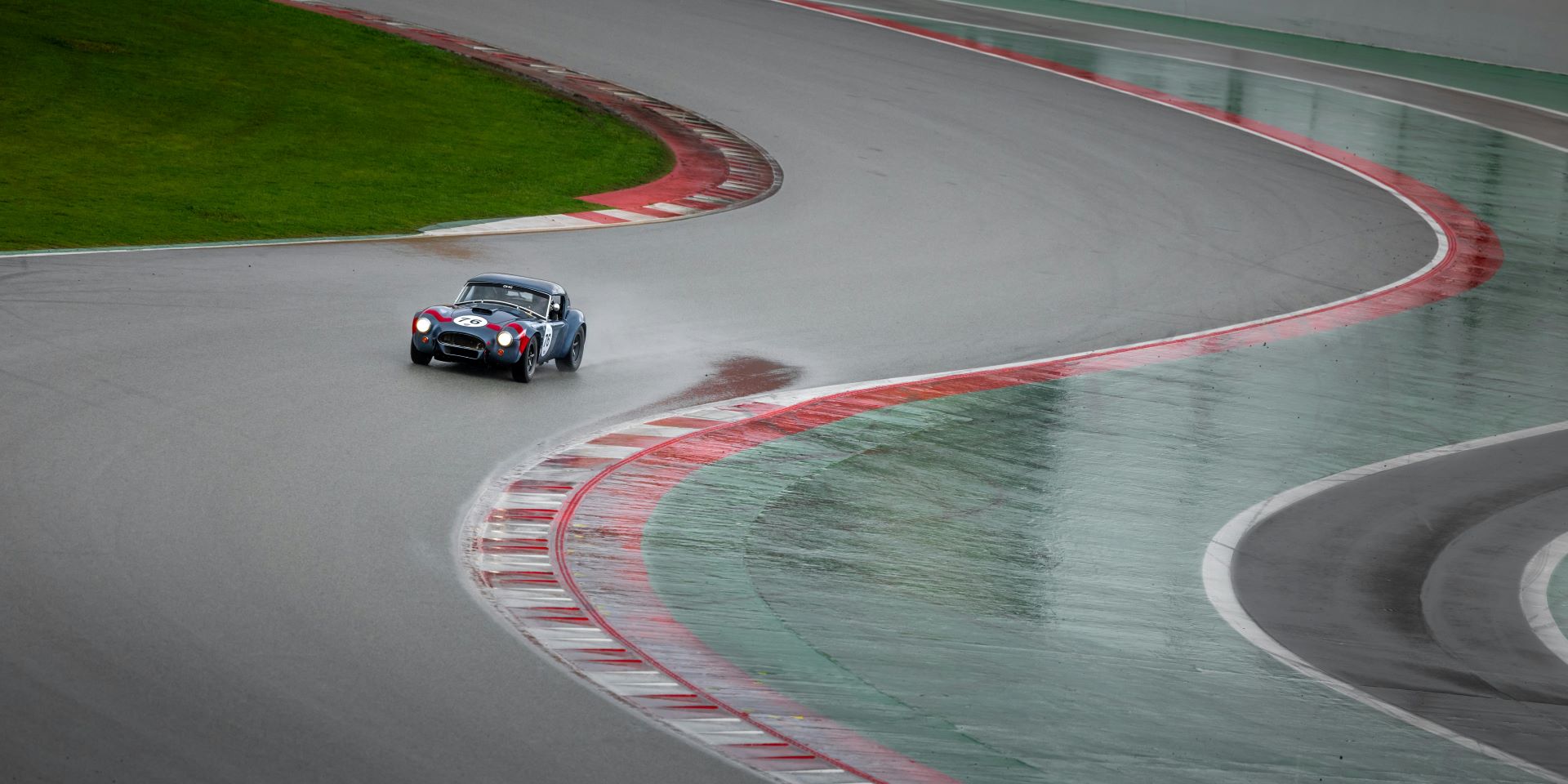
Formula 1: Engineering Prestige and Global Reach
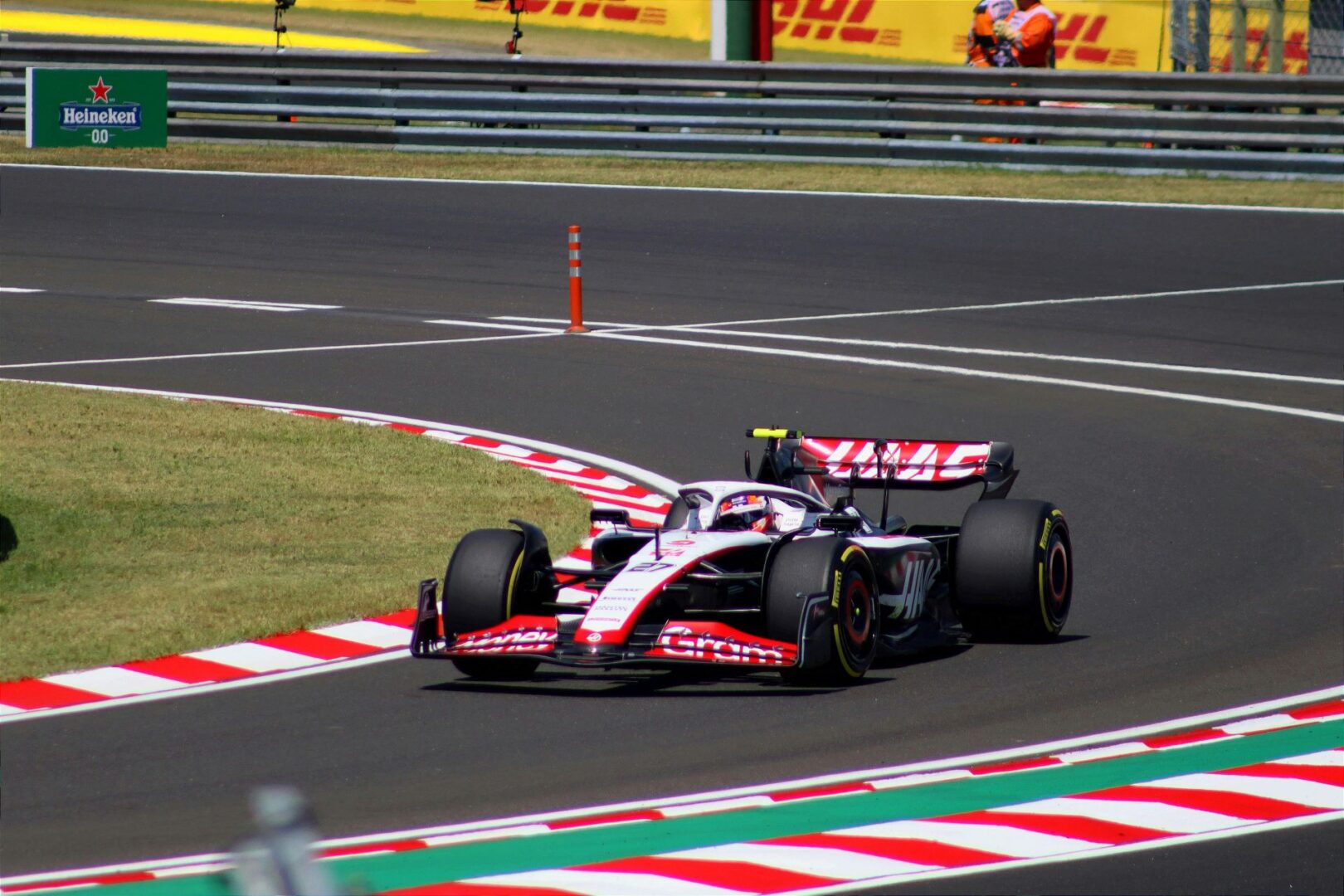
Formula 1 remains the gold standard of motorsport sponsorship. It is a theatre of precision engineering, international glamour, and unrelenting competition. Brands that align themselves with F1 tap into a legacy of excellence that transcends the racetrack. When Mercedes-Benz dominates the championship or Ferrari battles back from adversity, these stories ripple far beyond motorsport enthusiasts ÔÇö they reach boardrooms, lifestyle magazines, and dinner-table conversations.
For automakers in the EV age, Formula 1 has a complex role. On the one hand, the sport is still associated with combustion engines, the thunderous roar of V6 hybrids, and the visceral spectacle of fuel-driven power. On the other, the series has made significant strides in electrification with its hybrid power units, energy recovery systems, and sustainability commitments. By 2030, F1 plans to be a net-zero carbon sport, and its push toward 100% sustainable fuels aligns with broader industry goals. For brands, sponsoring an F1 team or the series itself sends a signal that they are not abandoning the performance DNA that consumers crave ÔÇö instead, they are reimagining it for a sustainable future.
Companies like Mercedes and Honda have used F1 success as a cornerstone of their electrification messaging, showing that their engineering mastery in hybrid racing trickles down to road cars. The credibility gained on the track becomes a persuasive story in the showroom, transforming EV skepticism into admiration. Consumers may not understand kilowatt-hours or battery chemistries, but they understand that if technology is good enough to win in F1, it is good enough for their driveway.
Formula E: The Showcase of the Future
If Formula 1 is heritage, Formula E is disruption. Since its inception in 2014, the fully electric racing series has positioned itself as a laboratory for sustainable performance. Races staged in city centers ÔÇö from New York to Cape Town ÔÇö bring the spectacle directly to the people, with the soundtrack of whirring motors replacing the roar of combustion. For sponsors, Formula E represents not just a sport but a statement: the future is electric, and your brand is part of it.
For automakers, Formula E has become the arena where their electric ambitions gain tangible proof. Jaguar, Porsche, Nissan, and Mahindra have all used the series to demonstrate that electric mobility is not only viable but exciting. Each overtaking maneuver, each dramatic sprint finish, reinforces the idea that EVs can deliver the adrenaline consumers crave. In markets where doubts about range, performance, or charging persist, this visibility matters. Formula E has essentially become the credibility engine of the EV era.
The series also appeals to a younger, urban audience ÔÇö the very demographic most open to adopting electric cars. Sponsorship here is less about tradition and more about cultural positioning. It signals modernity, environmental responsibility, and boldness. Technology brands, from ABB to Qualcomm, have flocked to Formula E not only for the exposure but also to demonstrate their role in shaping the infrastructure of electrification. The partnership between racing and technology thus becomes symbiotic: automakers showcase their cars, while tech companies showcase the ecosystems that will support them.
Local Racing: Authenticity and Grassroots Connection
While global series capture headlines, local racing sponsorships often provide the most authentic form of brand engagement. From touring car championships to grassroots EV rallycross events, regional motorsport offers brands the chance to connect with communities on a personal level. These are the places where loyalty is forged not by glamour but by presence, where a companyÔÇÖs commitment is measured in accessibility and visibility rather than just global prestige.
For EV technology, grassroots racing plays an especially important role in demystifying the transition. Local events showcase electric cars not as futuristic concepts but as machines people can see, touch, and hear in familiar settings. When a regional EV rally demonstrates that battery-powered cars can handle rough terrain or endurance runs, it builds credibility that no advertisement can match. Sponsorship in this space allows brands to humanize their message, presenting electrification as something tangible, relatable, and part of everyday life.
Community-based sponsorships also allow companies to address cultural barriers to EV adoption. In regions where electric cars are still perceived as fragile or elitist, sponsoring local motorsport creates an opportunity to counter that narrative with performance-driven, inclusive demonstrations. A sponsored EV winning on a local track is not just a race victory; it is a cultural statement that electrification belongs everywhere ÔÇö not just in polished global showrooms.
The Symbiosis of Technology and Emotion
Motorsport sponsorships work because they unite two powerful forces: technological credibility and emotional resonance. Consumers do not buy cars purely on specifications; they buy them because of the way they make them feel. A sense of excitement, confidence, and belonging shapes every automotive purchase decision. Motorsport distills these emotions into a narrative that brands can leverage.
For EVs, this emotional storytelling is crucial. Technical superiority alone ÔÇö faster acceleration, longer range, advanced charging ÔÇö is not enough to overcome the inertia of tradition. What convinces people is the thrill of seeing an electric car outpacing rivals on a track, the pride of supporting a brand that competes at the highest level, and the reassurance that the technology has been proven under the harshest conditions. Sponsorship bridges the gap between engineering and aspiration.
Looking Forward: Sponsorship as Strategy
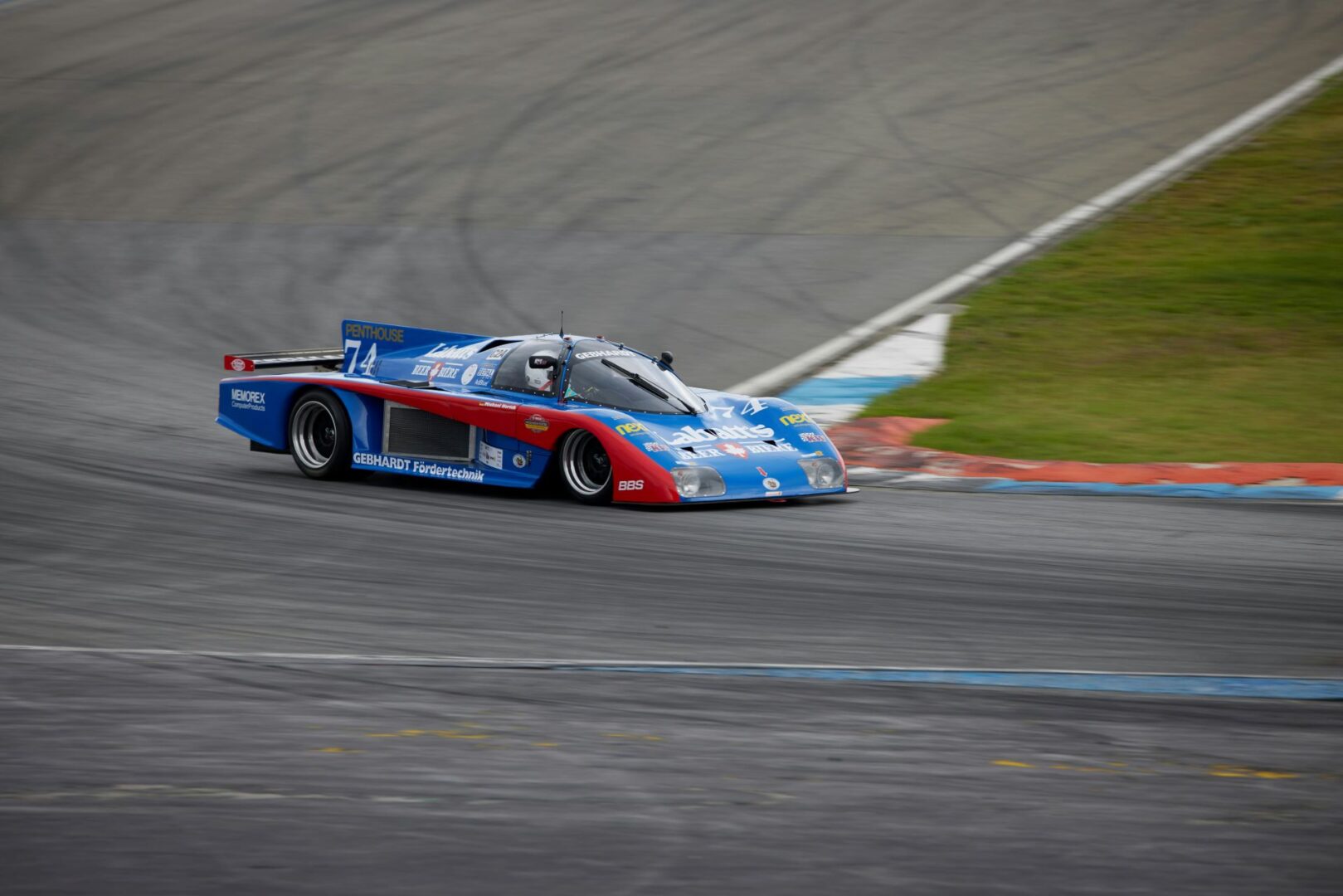
As the automotive industry accelerates toward electrification, the role of motorsport sponsorship will only grow in importance. Formula 1 will continue to serve as a bridge between heritage and sustainability, offering brands the chance to show that performance DNA is evolving rather than disappearing. Formula E will remain the showcase of electric innovation, attracting a forward-looking audience that sees cars as part of a broader ecosystem of urban mobility and clean energy. Local racing will ensure that this vision is grounded in reality, connecting high-level ambition with grassroots authenticity.
The challenge for brands is to approach sponsorship not as a media buy but as a strategic narrative platform. The logos on cars, the trackside banners, the hospitality suites ÔÇö these are not ends in themselves. They are instruments for telling a larger story about who the brand is, what it stands for, and where it is headed. In the EV era, that story is about credibility, courage, and the ability to turn skepticism into excitement.
Motorsport will remain the arena where brands prove themselves, not just to fans but to the world at large. For companies willing to embrace it, sponsorship is no longer just about being seen; it is about being believed.
Breyten Odendaal
Specializing in high-performance automotive advertising and digital marketing solutions, delivering cutting-edge insights and the latest news shaping the automotive industry in South Africa.
More From Advertising

Automotive Advertising in 2026: Selling Confidence in a More Competitive Market
As South Africa’s vehicle market becomes more competitive, automotive advertising needs to do more than announce a price or specification. It needs to help buyers understand value, ownership costs and why a vehicle suits their lives.

Automotive Digital Ads in South Africa: A Shift
Exploring how South Africa’s automotive advertising evolved from print and broadcast to data-driven, programmatic digital ecosystems.

The Video Shift in Car Buying Decisions in SA
Explore how video content shapes car purchase decisions in South Africa, comparing short-form and long-form strategies for automotive marketers.