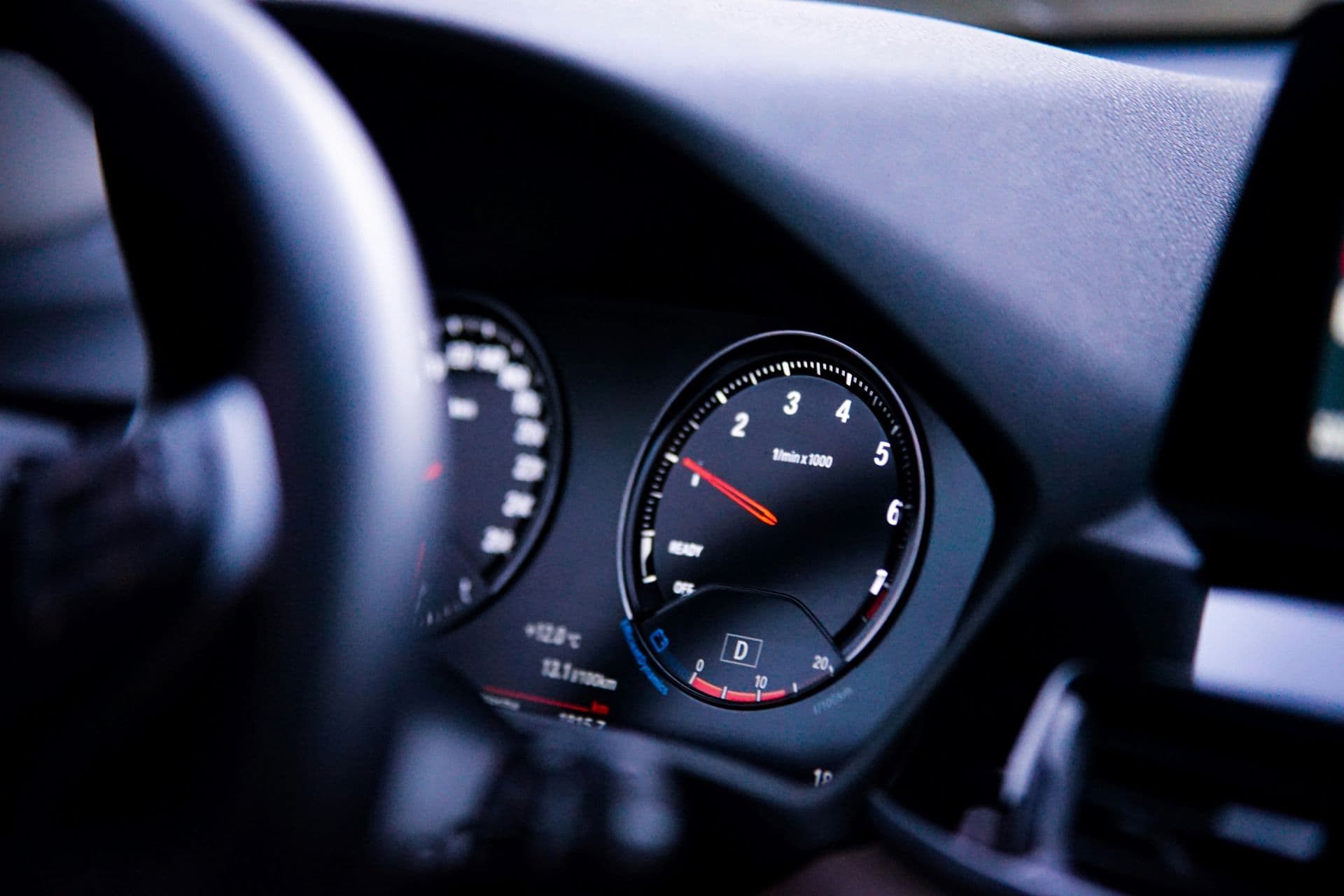
From Oil-Change Alerts to Meaningful Engagement
In an industry defined by technological leapsÔÇöelectric drivetrains, autonomous systems, hyper-connected cabinsÔÇöafter-sales marketing often lags behind. Service reminders still arrive as sterile emails or generic dashboard notifications, quietly urging owners to book an appointment. Yet todayÔÇÖs data-rich vehicles hold the power to transform those routine nudges into moments of genuine brand connection. Predictive maintenance marketingÔÇöwhere telematics, AI analytics and customer lifestyle data convergeÔÇöoffers automotive brands an opportunity to shift from transactional messaging to curated experiences.
When a vehicleÔÇÖs sensors predict that brake pads will soon require attention, why stop at a simple alert? Why not turn that foresight into a premium, frictionless experience: a complimentary valet service, a mobile detailing package, or a personal concierge who schedules the service around the driverÔÇÖs calendar? By reframing routine upkeep as a tailored lifestyle benefit, carmakers and dealerships can strengthen loyalty, generate fresh revenue streams and elevate the perception of their brand from mechanical reliability to aspirational companion.

The Rise of Data-Driven Service Intelligence
Predictive maintenance is not a futuristic ambitionÔÇöit is already embedded in the electronics of most modern vehicles. Advanced onboard diagnostics collect a constant stream of data: oil viscosity, battery charge cycles, tyre pressure fluctuations, and a thousand other micro-signals. With the advent of 5G and cloud computing, these signals can be analysed in real time, creating a living portrait of vehicle health and driver behaviour.
For marketers, this is a treasure trove. Instead of sending blanket six-month service reminders, brands can reach customers precisely when their car indicates a needÔÇödays or even weeks before an issue becomes critical. The interaction is no longer a cold, calendar-based message but a timely, personalised touchpoint.
Crucially, predictive intelligence allows the message to extend beyond mechanical maintenance. A luxury SUV that detects heavy towing activity might prompt a winter-ready check and, simultaneously, an invitation to a weekend off-road experience hosted by the brand. A fleet of ride-hailing vehicles showing elevated brake wear could trigger a bulk service package, accompanied by a loyalty discount for the operator. These are marketing narratives born from data, where maintenance is simply the entry point to a broader, value-rich dialogue.
From Service Chores to Lifestyle Perks
Transforming a predictive alert into a lifestyle benefit requires more than clever copywriting. It demands an integrated ecosystem of partners and customer insights. A complimentary valet when the car flags an upcoming check-up is more than a convenience; it is a tangible expression of how the brand values the ownerÔÇÖs time.
Consider a premium manufacturer that offers mobile detailing the evening before a scheduled service. The car is collected from the ownerÔÇÖs home, freshly cleaned, and returned with a full health report and a digital photo gallery highlighting the service work. The gesture reframes routine maintenance as an indulgence, turning what might have been a chore into a moment of pride.
Mainstream brands can play this game too, by understanding lifestyle triggers. For example, a connected compact car used predominantly for school runs could prompt a ÔÇ£family careÔÇØ service campaignÔÇöoffering a free child-seat safety inspection and a voucher for a weekend family attraction. The predictive element ensures the timing is perfect, while the marketing overlay turns a standard service into a brand-building experience.
Implementation Strategies: Building the Predictive Maintenance Ecosystem
To elevate routine service reminders into lifestyle experiences, manufacturers and dealerships need a tightly woven framework of technology, customer insight, and operational partnerships. It begins with telematics: vehicles already generate terabytes of data each year, but turning that raw information into actionable marketing triggers demands advanced analytics. Artificial intelligence platforms can parse driving patternsÔÇöcommuter mileage spikes, harsh-braking incidents, even climate conditionsÔÇöto forecast the precise moment when maintenance will be due.
Yet predictive accuracy is only half the battle. The marketing team must translate these insights into offers that are relevant and frictionless. A cloud-based customer relationship management (CRM) platform can integrate vehicle diagnostics with a driverÔÇÖs personal profileÔÇöpreferred dealership location, calendar availability, even favoured communication channels. When the system flags an impending tyre rotation, the owner might receive a text message offering a one-click booking for a Saturday morning slot, paired with a complimentary coffee-table book or access to a nearby spa during the appointment.
Collaboration across departments is crucial. After-sales operations need to coordinate with marketing to ensure the service department can handle the influx of scheduled visits triggered by predictive alerts. Partnerships with lifestyle brandsÔÇölocal valet services, luxury hotels, premium coffee roastersÔÇöextend the experience beyond the workshop. The goal is a seamless ecosystem where data, logistics and brand storytelling converge to make predictive maintenance a signature of the ownership experience.
Data Ethics and Customer Trust
Predictive maintenance marketing rests on the responsible use of personal and vehicle data. Drivers are increasingly aware of privacy concerns, and any sense of surveillance can quickly erode trust. Automotive marketers must therefore treat transparency and consent as core brand assets.
Clear, plain-language opt-in policies should explain exactly what data is collectedÔÇömileage, sensor readings, geolocationÔÇöand how it will be used to enhance the ownership journey. Offering granular controls allows drivers to select which types of predictive services they want to receive, reinforcing a sense of agency.
Equally important is the security of data storage and transfer. End-to-end encryption, regular audits, and adherence to regional privacy regulationsÔÇösuch as South AfricaÔÇÖs Protection of Personal Information Act (POPIA) or the European UnionÔÇÖs GDPRÔÇösignal that the brand values customer trust as much as technological sophistication. When marketing teams frame data use as a partnershipÔÇöwhere insights fuel tangible benefits such as complimentary valets or pre-emptive safety checksÔÇödrivers are more likely to view predictive maintenance as a privilege rather than an intrusion.
Case Studies: Early Adopters Leading the Way
Several automotive brands have already begun to weave predictive maintenance into their customer experience. A premium German marque recently piloted a ÔÇ£concierge serviceÔÇØ in select metropolitan markets: when onboard diagnostics signalled a pending service, a personal concierge contacted the driver, arranged a collection time that matched the ownerÔÇÖs work calendar, and delivered a courtesy vehicle preloaded with the driverÔÇÖs preferred music and navigation settings. Feedback from the trial revealed a 30% increase in customer satisfaction scores and a measurable uptick in repeat purchases.
Electric-vehicle start-ups are also pushing the frontier. One South African EV manufacturer uses cloud analytics to detect battery-health anomalies well before range degradation is noticeable. Instead of sending a technical warning, the brand invites owners to a ÔÇ£Battery Wellness Weekend,ÔÇØ where technicians perform upgrades while guests enjoy curated wine tastings and test-drives of upcoming models. The event doubles as a marketing showcase and a preventive service, blurring the line between maintenance and lifestyle.
Even mainstream dealerships are finding opportunities. A nationwide dealer group in the United States partnered with a mobile carwash start-up to offer free detailing whenever telematics flagged upcoming brake-pad replacements. The simple, thoughtful gesture turned a mundane service visit into an occasion customers eagerly anticipated, while the dealership reported a notable increase in loyalty programme enrolments.
Future Trends: Where Predictive Maintenance Marketing Is Heading
The next five years will see predictive maintenance marketing move from an innovative experiment to a core pillar of automotive brand strategy. Three converging forces are driving this shift: the rise of software-defined vehicles, the maturation of artificial intelligence, and the consumer expectation for seamless, personalised experiences.
Software-defined vehiclesÔÇöthose whose primary functions are controlled and updated through codeÔÇöallow automakers to gather an even richer stream of real-time data. Over-the-air updates not only fix bugs or add features, they also enable predictive models to evolve continuously. When combined with AI that learns from millions of vehicles across different climates and usage profiles, the accuracy of maintenance forecasting will approach medical-grade precision.
Marketing teams will be able to anticipate not only mechanical needs but lifestyle opportunities. A car that recognises a pattern of long-distance weekend travel might trigger a partnership with a hotel group, offering discounted stays timed to coincide with the next recommended service interval. Similarly, urban commuters who show heavy weekday mileage could be invited to an exclusive evening detailing event that doubles as a networking mixerÔÇösponsored by the brand and a local business collective.
Voice assistants and in-car infotainment will become crucial touchpoints. Instead of a bland dashboard light, drivers might hear a natural-language message: ÔÇ£WeÔÇÖve noticed your front tyres will need rotation within the next two weeks. Would you like us to schedule a complimentary pick-up while youÔÇÖre at work?ÔÇØ The conversation shifts from a mechanical warning to a concierge-style offer, reinforcing the perception of the vehicle as an intelligent, caring companion.
Brand Implications: Loyalty, Revenue and Differentiation
When executed with finesse, predictive maintenance marketing becomes far more than a retention tactic; it reshapes the entire value proposition of car ownership.
Loyalty: By anticipating needs and delivering them as thoughtful lifestyle perks, a brand earns emotional equity. Owners begin to view the manufacturer or dealership not merely as a service provider, but as a partner that safeguards their time and enhances their routines. This trust translates into higher renewal rates and stronger advocacy in an increasingly crowded marketplace.
Revenue Growth: Every predictive interaction is a potential revenue gateway. Complimentary valets and mobile detailing may seem like cost centres, yet they often lead to incremental sales of accessories, extended warranties, or even the next vehicle upgrade. Moreover, by reducing unscheduled breakdowns, predictive maintenance protects residual values and lowers warranty claimsÔÇödirectly benefiting the bottom line.
Differentiation: In markets where vehicle technology is rapidly commoditised, customer experience becomes the true battleground. Predictive maintenance marketing offers a distinctive narrative: a brand that not only builds advanced machines but also anticipates and enhances the ownerÔÇÖs lifestyle. That story resonates across both premium and mass-market segments, allowing even budget-conscious buyers to feel the touch of a luxury experience.
The New Language of After-Sales Engagement
For decades, after-sales marketing was synonymous with routine reminders and transactional offersÔÇöessential yet uninspiring. Predictive maintenance marketing rewrites that script. By harnessing real-time data, AI forecasting and lifestyle partnerships, automotive brands can transform mundane service alerts into curated moments of delight.
A complimentary valet when the car flags an upcoming check-up is more than a convenience; it is a signal that the brand values the driverÔÇÖs time and understands their life. In a world where vehicles are increasingly defined by software and connectivity, these personalised, anticipatory experiences will separate the memorable from the forgettable.
The oil-change sticker on the windshield is no longer enough. The future belongs to those who can turn maintenance into a marketing masterpieceÔÇöwhere every predictive alert is an invitation to a richer, more rewarding relationship between driver and brand.
Breyten Odendaal
Specializing in high-performance automotive advertising and digital marketing solutions, delivering cutting-edge insights and the latest news shaping the automotive industry in South Africa.
More From Advertising

Automotive Advertising in 2026: Selling Confidence in a More Competitive Market
As South Africa’s vehicle market becomes more competitive, automotive advertising needs to do more than announce a price or specification. It needs to help buyers understand value, ownership costs and why a vehicle suits their lives.

Automotive Digital Ads in South Africa: A Shift
Exploring how South Africa’s automotive advertising evolved from print and broadcast to data-driven, programmatic digital ecosystems.

The Video Shift in Car Buying Decisions in SA
Explore how video content shapes car purchase decisions in South Africa, comparing short-form and long-form strategies for automotive marketers.