
In the modern marketing landscape, cars are no longer just vehicles; they are storytellers, symbols, and cultural touchstones. When carefully placed in films, games, and music videos, automobiles do more than transport charactersÔÇöthey transport brands into the minds of millions of consumers. For automotive marketers, pop culture offers a unique canvas: one where aesthetics, emotion, and lifestyle intersect, creating an immersive brand experience that resonates far beyond traditional advertising channels.
The Cinematic Connection
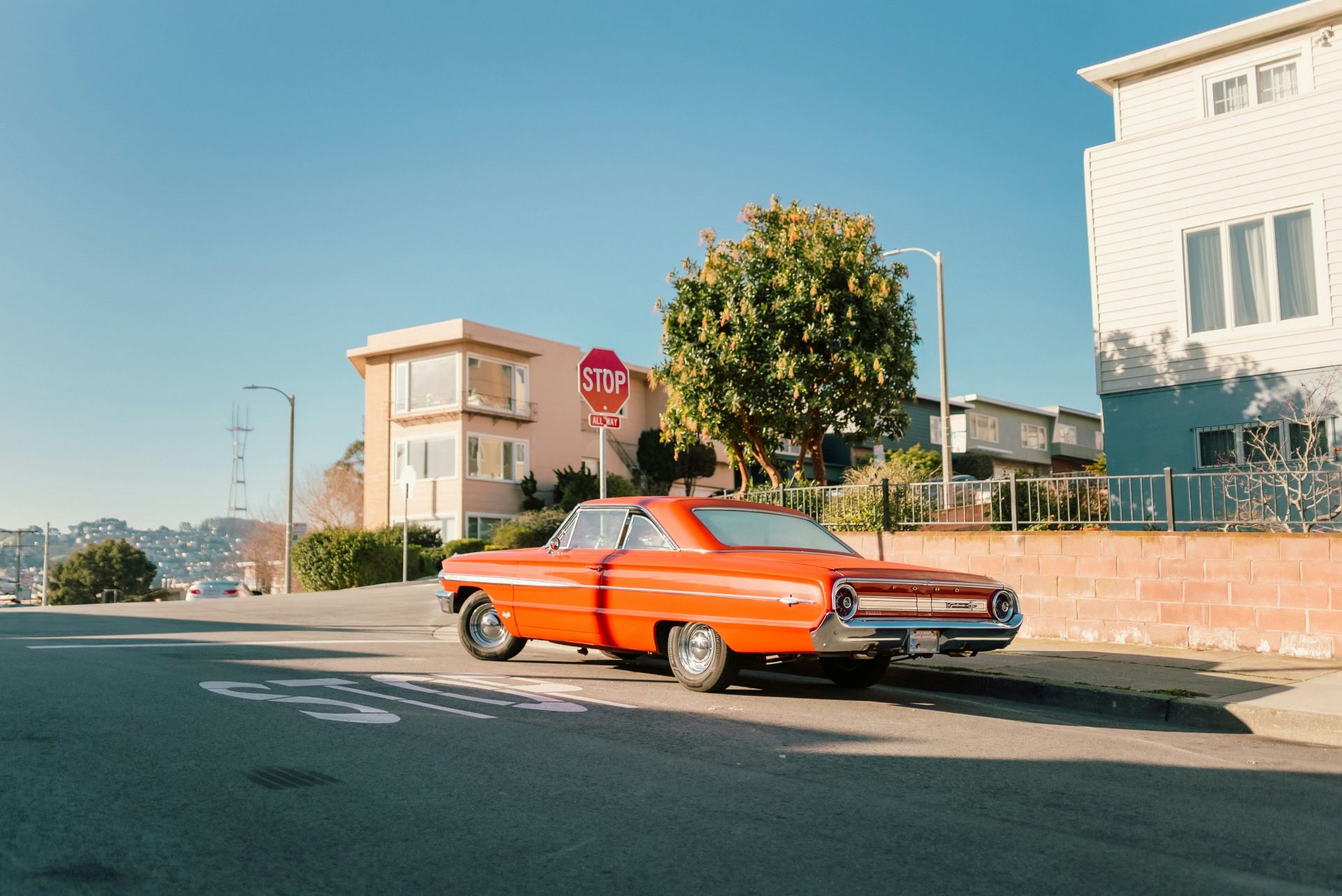
Few platforms have matched the cultural influence of cinema. For decades, cars on the big screen have inspired awe, desire, and aspiration. From the sleek Aston Martin in James Bond films to the muscle cars tearing through city streets in action blockbusters, vehicles become extensions of characters themselves. For marketers, this is more than mere spectacle; it is a masterclass in subtle persuasion.
Strategically placed vehicles in film serve as silent endorsers. The car is not always the hero, but it is a character that shapes perception. The interplay between camera angles, lighting, and narrative creates an emotional resonance that traditional advertising often struggles to match. Consumers remember the thrill of a chase or the elegance of a characterÔÇÖs ride more vividly than a 30-second commercial. This emotional imprint becomes a long-lasting association with the brand.
Beyond feature films, the rise of streaming platforms and limited series has multiplied touchpoints for automotive brands. Episodic storytelling allows vehicles to be woven into narratives in ways that are more intimate and sustained. The result is a product placement strategy that is subtle, yet powerfully effective.
Gaming: Immersive Brand Experiences
The next frontier of automotive marketing lies in gaming. Virtual worlds are more than playgrounds; they are interactive showrooms. Racing games like Forza Horizon or Gran Turismo let players experience vehicles in motion, customize designs, and explore detailed interiors. Each interaction is a direct engagement with the brand, blurring the line between entertainment and marketing.
Gamification allows brands to showcase performance features and aesthetics without constraints. Players learn the nuances of acceleration, handling, and visual appeal firsthand. Moreover, online multiplayer modes turn brand exposure into a social experience. Sharing screenshots, discussing performance, and racing online create organic, peer-to-peer promotion that is far more persuasive than conventional campaigns.
In-game advertising also extends beyond racing titles. Open-world games, role-playing adventures, and even life simulators increasingly feature vehicles as status symbols or functional tools, embedding brands into the daily lives of virtual consumers. The potential for repeated exposure in these interactive environments creates a form of brand loyalty that is both immersive and experiential.
Music Videos & Lifestyle Marketing
Music and automotive marketing intersect in ways that celebrate identity and aspiration. From hip-hopÔÇÖs affinity for luxury cars to pop musicÔÇÖs playful depiction of road trips and nightlife, vehicles become symbols of style, freedom, and success. Music videos are short-form cultural capsules, often watched millions of times, where a carÔÇÖs presence can transform it from product to cultural icon.
The effectiveness of music-based marketing lies in its emotional cadence. The rhythm, lyrics, and visual storytelling create a multisensory environment in which cars are more than propsÔÇöthey are cultural signals. Brands that collaborate with artists can tailor vehicles to fit a narrative, leveraging audience identification with the musician to amplify desirability.
Additionally, social media platforms, where music video clips circulate rapidly, extend the reach of automotive branding. Short-form video, behind-the-scenes content, and user-generated posts transform these vehicles into viral marketing assets. Each share and repost is a testament to the emotional power of cars in pop culture.
Crafting Branded Content
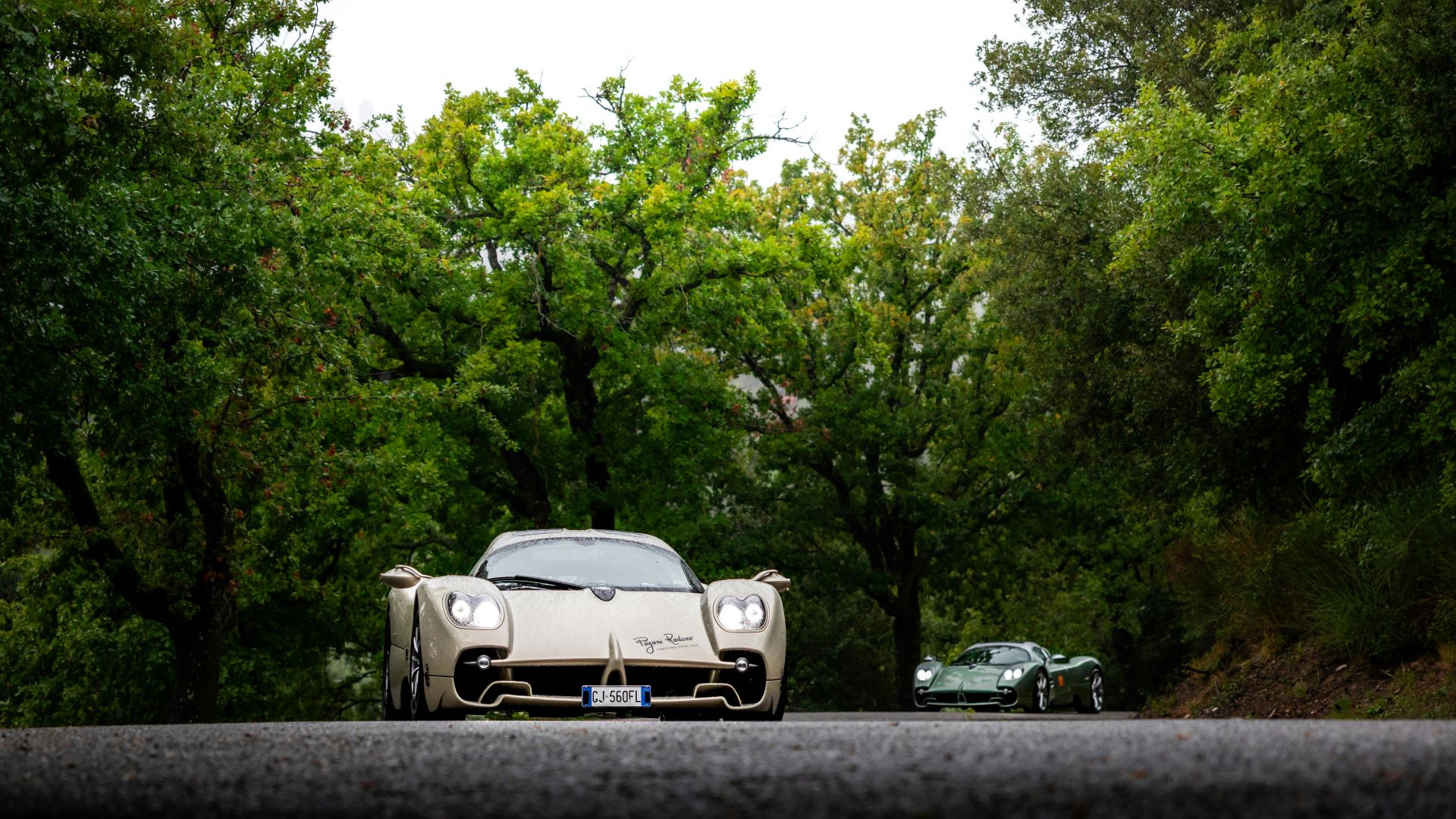
While product placement is powerful, true marketing mastery lies in branded content. Rather than inserting a vehicle into a story, brands create narratives around the car itself. Branded films, web series, and digital experiences give marketers full control over storytelling while maintaining an authentic entertainment value.
Consider campaigns where a car is the protagonist, navigating challenges or inspiring adventure. These stories engage consumers at a deeper level, associating the brand with emotions such as excitement, safety, or sophistication. Unlike traditional advertising, branded content thrives on shareability, offering organic reach that leverages both media platforms and social networks.
Storytelling through branded content also allows for demographic targeting. High-performance sports cars can be positioned in adrenaline-filled narratives, while electric vehicles can highlight sustainability within aspirational lifestyles. Each approach aligns product identity with cultural resonance, enhancing both relevance and desirability.
Strategic Lessons for Automotive Marketers
The intersection of pop culture and automotive marketing offers several key lessons:
Emotional engagement surpasses rational persuasion. Cars in media are most effective when they evoke feelings rather than list features.
Multi-platform exposure multiplies impact. Vehicles that appear in films, games, and music videos create a cross-media synergy that reinforces brand recognition.
Storytelling is central. Whether through subtle product placement or full-fledged branded content, narratives anchor the vehicle in consumer imagination.
Cultural alignment matters. Selecting the right context, genre, and audience ensures that the car resonates authentically rather than feeling forced or commercialized.
These strategies emphasize that modern automotive marketing is as much about culture as it is about engineering. Success requires collaboration between marketers, storytellers, and creatives who understand the nuances of media influence.

The Road Ahead
As media consumption diversifies, the opportunities for automotive marketing in pop culture expand. Virtual reality experiences, augmented reality campaigns, and interactive social media initiatives will allow vehicles to occupy increasingly dynamic spaces in consumersÔÇÖ lives. Marketers who embrace these platforms with creativity and narrative precision will find that cars are not just soldÔÇöthey are celebrated, emulated, and remembered.
In the ever-evolving dialogue between culture and commerce, vehicles are powerful interlocutors. They transport not just people, but ideas, identities, and aspirations. Through films, games, and music, cars transcend their functional roles, becoming symbols that define eras, inspire trends, and accelerate brands into the hearts of audiences worldwide.
Breyten Odendaal
Specializing in high-performance automotive advertising and digital marketing solutions, delivering cutting-edge insights and the latest news shaping the automotive industry in South Africa.
More From Advertising

Automotive Advertising in 2026: Selling Confidence in a More Competitive Market
As South Africa’s vehicle market becomes more competitive, automotive advertising needs to do more than announce a price or specification. It needs to help buyers understand value, ownership costs and why a vehicle suits their lives.

Automotive Digital Ads in South Africa: A Shift
Exploring how South Africa’s automotive advertising evolved from print and broadcast to data-driven, programmatic digital ecosystems.

The Video Shift in Car Buying Decisions in SA
Explore how video content shapes car purchase decisions in South Africa, comparing short-form and long-form strategies for automotive marketers.