In today's rapidly evolving digital landscape, the way brands connect with consumers has undergone a seismic shift. Personalization in automotive advertising has emerged as a game-changing strategy, allowing brands to cut through the noise and deliver messages that resonate deeply with their target audience. By tailoring advertisements to individual preferences, automotive companies can not only capture attention but also drive meaningful engagement and conversions. In this article, we will explore the nuances of personalized automotive advertising, its psychological underpinnings, the benefits it offers, and the strategies that can make it a success. WeÔÇÖll also examine the challenges it presents and forecast future trends in this dynamic field.
Overview of Personalization in Automotive Advertising
Personalization in automotive advertising is the art and science of delivering tailored messages to specific segments of an audience. Instead of a one-size-fits-all approach, personalized ads leverage data to craft content that speaks directly to an individualÔÇÖs needs, desires, and circumstances. This can include everything from showcasing vehicles that match a consumer's budget and lifestyle to highlighting financing options that appeal to their financial situation. Personalization is about making each customer feel seen and understood, fostering a deeper connection between the brand and the consumer.
Importance of Personalized Advertising in the Digital Age
In the digital age, where consumers are bombarded with an overwhelming amount of information daily, personalization has become essential. Generic ads are easily overlooked or dismissed, while personalized content cuts through the clutter. It offers relevance, captures interest, and, most importantly, it builds trust. For the automotive industry, where the purchasing journey is often long and complex, personalized advertising helps guide potential buyers through every stage of the decision-making process, from initial interest to final purchase.
Setting the Stage: How Automotive Brands Can Benefit from Personalization
Automotive brands stand to gain significantly from embracing personalized advertising. By harnessing data and technology, these brands can create highly targeted campaigns that speak to the unique needs of different customer segments. Whether itÔÇÖs first-time buyers, luxury car enthusiasts, or environmentally conscious consumers, personalization allows brands to tailor their messaging, improving both customer engagement and conversion rates. In a market as competitive as automotive, where differentiation is key, personalization offers a powerful way to stand out.
Understanding Personalized Automotive Ads
What Makes an Ad Personalized?
A personalized ad is more than just inserting a customerÔÇÖs name into a headline. It involves understanding the customerÔÇÖs preferences, behavior, and purchase history to deliver content that is relevant to them. In the automotive sector, this could mean recommending a specific car model based on a consumerÔÇÖs previous searches, offering a test drive for a vehicle theyÔÇÖve shown interest in, or highlighting a promotion that aligns with their budget. Personalization is about crafting an experience that feels tailored and relevant, making the consumer feel valued.
Key Elements of Personalization in Automotive Advertising
The key elements of personalization in automotive advertising include data collection, segmentation, and content customization. Data collection involves gathering information about the customer through various touchpoints such as website interactions, social media behavior, and previous purchase history. Segmentation is the process of dividing the audience into smaller groups based on shared characteristics. Content customization involves creating different versions of ads for these segments, ensuring each ad resonates with the specific audience itÔÇÖs targeting.
Examples of Personalized Ads in the Automotive Industry
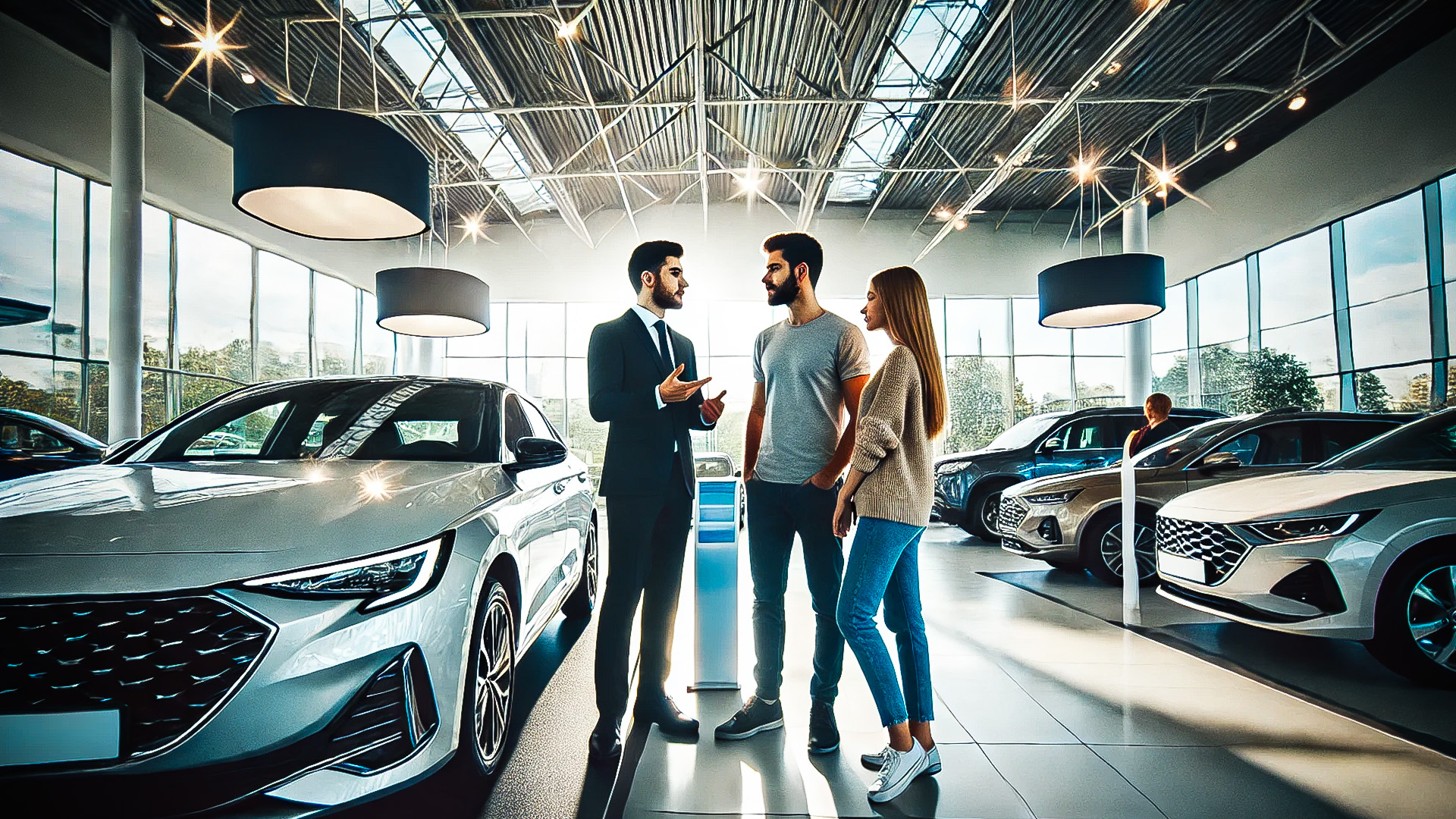
Personalized ads in the automotive industry are becoming increasingly sophisticated. For instance, a car manufacturer might use geolocation data to serve ads for all-wheel-drive vehicles to customers in colder climates. Another example could be a finance offer tailored to customers based on their credit profile, ensuring the offer is both attractive and relevant. Dynamic ads that adjust content based on real-time data, such as showing the nearest dealership or highlighting in-stock vehicles, are also popular examples of personalization in automotive advertising.
The Psychology Behind Personalization
Why Personalization Works: Insights from Consumer Psychology
Personalization works because it taps into fundamental aspects of human psychology. People naturally gravitate towards things that feel relevant and familiar. When an ad is personalized, it creates a sense of connection and trust, making the consumer more likely to engage with the content. This connection is particularly important in the automotive industry, where the purchase decision is significant and often emotional. Personalization helps reduce the perceived risk by making the consumer feel understood and valued.
How Personalized Ads Tap into Consumer Preferences
Personalized ads leverage consumer preferences by using data-driven insights to predict what a customer might be interested in. For example, if a customer frequently visits pages about electric vehicles, an ad highlighting the latest electric models from a particular brand is likely to capture their attention. This approach not only makes the ad more relevant but also increases the likelihood of the customer taking action, whether itÔÇÖs scheduling a test drive or requesting more information.
The Role of Emotional Engagement in Automotive Advertising
Emotional engagement is a critical factor in the effectiveness of automotive advertising. Cars are more than just modes of transportation; they are symbols of identity, status, and lifestyle. Personalized ads that tap into these emotional triggers can create a powerful connection with the consumer. Whether itÔÇÖs highlighting the thrill of driving a sports car, the safety features of a family vehicle, or the eco-friendliness of an electric car, personalized ads that resonate emotionally are more likely to drive engagement and conversions.
Benefits of Personalized Automotive Advertising
Boosting Customer Engagement: The Power of Relevance
Relevance is the cornerstone of customer engagement. Personalized ads, by their very nature, are more relevant to the consumerÔÇÖs needs and preferences. This relevance captures attention, encourages interaction, and ultimately drives engagement. In the automotive industry, where competition for consumer attention is fierce, the ability to deliver relevant, personalized content can make all the difference in capturing and retaining customer interest.
Increasing Conversion Rates: Turning Interest into Action
One of the most significant benefits of personalized automotive advertising is its ability to increase conversion rates. When consumers are presented with ads that align with their needs and preferences, they are more likely to take action. Whether itÔÇÖs clicking on an ad, filling out a lead form, or making a purchase, personalization drives results by reducing friction in the decision-making process and making the path to conversion smoother and more intuitive.
Enhancing Brand Loyalty Through Personalized Experiences
Brand loyalty is built on trust and satisfaction, both of which can be enhanced through personalized advertising. When consumers feel that a brand understands and values them, they are more likely to develop a strong, lasting connection with that brand. Personalized ads contribute to this by creating a more satisfying and engaging experience, which in turn fosters loyalty. For automotive brands, where repeat business and word-of-mouth referrals are crucial, personalization is a powerful tool for building and maintaining customer loyalty.

Strategies for Creating Effective Personalized Ads
Utilizing Data and Analytics for Personalization
Data and analytics are the backbone of effective personalized advertising. By collecting and analyzing data from various sources, automotive brands can gain deep insights into customer behavior and preferences. These insights can then be used to create highly targeted ads that speak directly to the consumerÔÇÖs needs and interests. Advanced analytics tools allow brands to track the effectiveness of their personalized ads in real-time, making it easier to adjust and optimize campaigns for maximum impact.
Tailoring Content to Different Customer Segments
Effective personalization requires a deep understanding of the different customer segments within the target audience. Each segment has its own unique needs, preferences, and pain points, and the content of the ads should reflect this. For example, a young professional might be more interested in a vehicleÔÇÖs tech features, while a family might prioritize safety and space. By tailoring content to the specific needs of each segment, automotive brands can create ads that resonate more deeply and drive better results.
Leveraging AI and Machine Learning for Dynamic Personalization
Artificial intelligence (AI) and machine learning are transforming the way personalized ads are created and delivered. These technologies enable dynamic personalization, where ad content can be automatically adjusted based on real-time data and user interactions. For example, AI can be used to analyze a consumerÔÇÖs browsing history and deliver ads that highlight vehicles similar to those they have shown interest in. Machine learning algorithms can also predict future behavior, allowing brands to anticipate customer needs and deliver personalized content that drives engagement and conversions.
Challenges and Considerations
Balancing Personalization with Privacy: Navigating Data Concerns
While personalization offers many benefits, it also raises important privacy concerns. Consumers are becoming increasingly aware of how their data is collected and used, and brands must navigate this landscape carefully. ItÔÇÖs essential to balance personalization with privacy by being transparent about data collection practices and ensuring that consumer data is handled responsibly. Automotive brands must also comply with data protection regulations, such as the GDPR, to build trust and avoid potential legal issues.
Avoiding Over-Personalization: Keeping Ads Fresh and Relevant
Over-personalization is a common pitfall in personalized advertising. While consumers appreciate relevance, they can become wary if ads feel too invasive or if they see the same content repeatedly. ItÔÇÖs important to keep ads fresh and varied, ensuring that personalization enhances the customer experience rather than detracts from it. This can be achieved by regularly updating ad content and using a mix of personalized and non-personalized elements to keep the messaging engaging and dynamic.
Measuring the Impact of Personalized Ads: KPIs and Metrics
To truly understand the effectiveness of personalized advertising, itÔÇÖs essential to measure its impact using key performance indicators (KPIs) and metrics. These might include engagement metrics such as click-through rates, conversion rates, and time spent on the site, as well as more qualitative measures such as customer satisfaction and brand perception. By tracking these metrics, automotive brands can gain valuable insights into the effectiveness of their personalized ads and make data-driven decisions to optimize future campaigns.

Future Trends in Automotive Advertising Personalization
The Rise of Hyper-Personalization: WhatÔÇÖs Next?
As technology continues to evolve, so too does the potential for personalization. Hyper-personalization, which involves using real-time data and AI to deliver highly tailored content, is set to become the next frontier in automotive advertising. This approach goes beyond traditional personalization, offering an even more precise and responsive ad experience. For automotive brands, hyper-personalization offers the opportunity to connect with consumers on an even deeper level, delivering content that is not only relevant but also anticipates their needs and desires.
Integrating AR/VR for Immersive Personalized Experiences
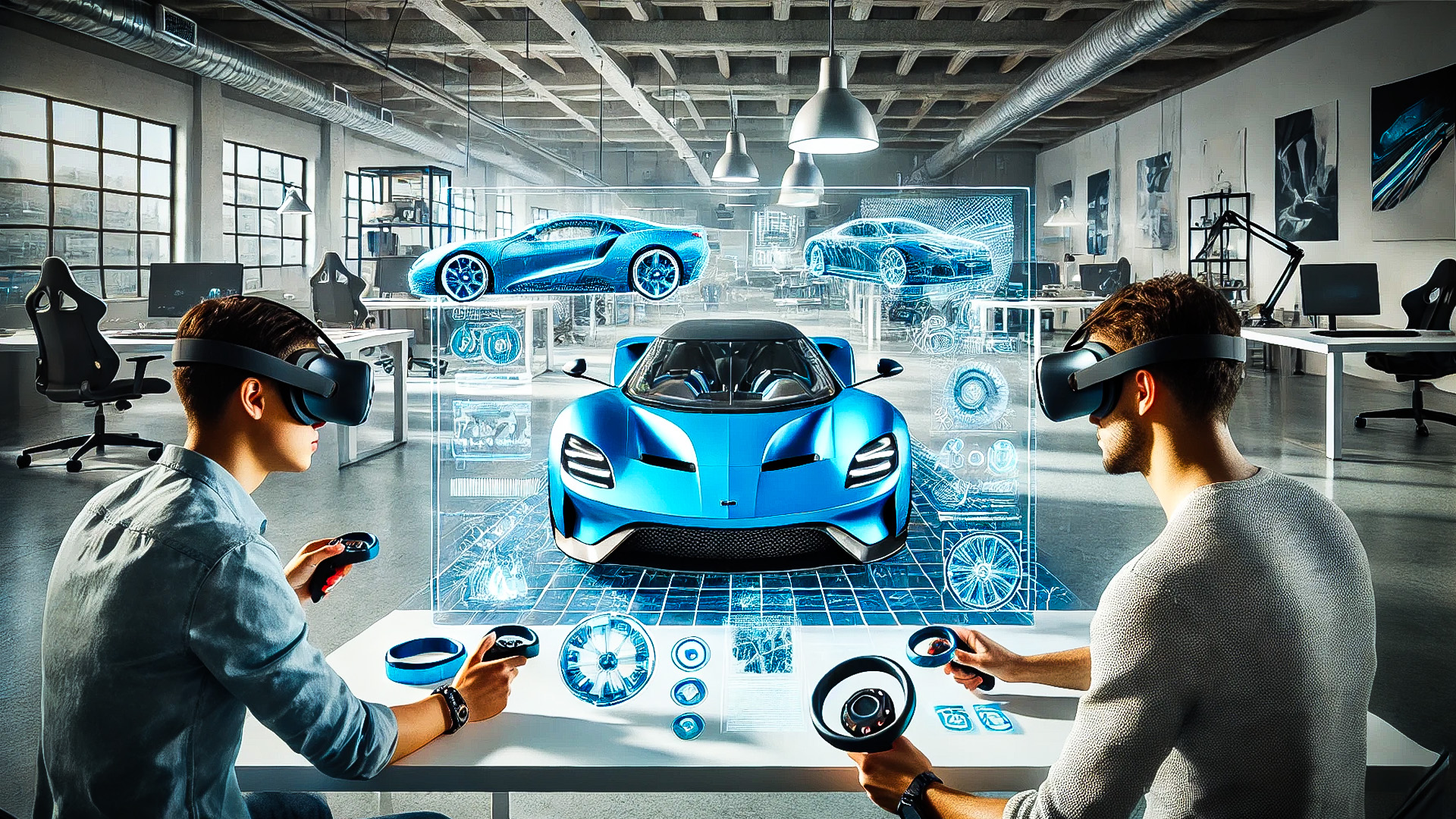
Augmented reality (AR) and virtual reality (VR) are poised to revolutionize the way consumers experience personalized ads. These technologies offer immersive experiences that allow consumers to interact with products in a virtual environment, making personalization more engaging and impactful. For example, an automotive brand could use AR to allow consumers to virtually explore different car models, customize features, and see how the vehicle would look in their driveway. This level of personalization takes consumer engagement to new heights, creating a memorable and impactful experience.
The Role of Predictive Analytics in Shaping Future Ad Campaigns
Predictive analytics is another emerging trend that is set to play a significant role in the future of personalized automotive advertising. By analyzing historical data and consumer behavior patterns, predictive analytics can forecast future trends and preferences, allowing brands to stay ahead of the curve. This technology enables automotive brands to deliver personalized ads that not only reflect the consumerÔÇÖs current interests but also anticipate their future needs, making the ads more relevant and effective.
Case Studies: Success Stories in Personalized Automotive Advertising
Highlighting Successful Automotive Ad Campaigns
Several automotive brands have successfully implemented personalized advertising campaigns, achieving impressive results. For instance, a luxury car brand might use personalized video ads to showcase different models based on the viewerÔÇÖs browsing history, leading to higher engagement and conversion rates. Another brand might use personalized email campaigns to offer exclusive deals and promotions to customers who have previously shown interest in their vehicles, resulting in increased sales and customer loyalty.
Lessons Learned from Industry Leaders
Industry leaders in automotive advertising have demonstrated that personalization is not just about using data but about creating a holistic, customer-centric approach. These brands understand the importance of delivering value through personalized content, ensuring that every interaction feels meaningful and relevant. By studying these success stories, other automotive brands can learn valuable lessons about how to effectively implement personalization in their own advertising strategies.
Key Takeaways for Automotive Brands
The key takeaway for automotive brands is that personalization is not a luxury but a necessity in todayÔÇÖs competitive market. By embracing personalized advertising, brands can create more meaningful connections with their customers, drive engagement, and ultimately increase conversion rates. However, itÔÇÖs important to approach personalization strategically, using data responsibly, balancing relevance with privacy, and continuously optimizing campaigns to ensure they deliver the best possible results.
Personalization in automotive advertising is a powerful tool that can significantly enhance customer engagement and conversion rates. By understanding the psychology behind personalization, leveraging data and technology, and staying ahead of emerging trends, automotive brands can create highly effective personalized ads that resonate with their target audience. As the industry continues to evolve, personalization will undoubtedly play an increasingly important role in shaping the future of automotive advertising. Now is the time for brands to embrace this approach and start reaping the benefits of personalized advertising today.
Integrating Ar And Vr For Immersive Personalized Experiences
Breyten Odendaal
Specializing in high-performance automotive advertising and digital marketing solutions, delivering cutting-edge insights and the latest news shaping the automotive industry in South Africa.
More From Advertising

Automotive Advertising in 2026: Selling Confidence in a More Competitive Market
As South Africa’s vehicle market becomes more competitive, automotive advertising needs to do more than announce a price or specification. It needs to help buyers understand value, ownership costs and why a vehicle suits their lives.

Automotive Digital Ads in South Africa: A Shift
Exploring how South Africa’s automotive advertising evolved from print and broadcast to data-driven, programmatic digital ecosystems.

The Video Shift in Car Buying Decisions in SA
Explore how video content shapes car purchase decisions in South Africa, comparing short-form and long-form strategies for automotive marketers.