
The automotive industry, once dominated by broad-stroke marketing campaigns and mass media advertisements, is undergoing a seismic shift. Today, car manufacturers and dealers no longer rely solely on generic TV commercials or print ads aimed at the masses. Instead, they embrace a new frontier ÔÇö data-driven personalisation ÔÇö transforming how vehicles are marketed and sold.
This evolution is propelled by artificial intelligence (AI), which not only collects and analyses vast troves of consumer data but also tailors advertising messages with unprecedented precision. In an era where consumers expect bespoke experiences in almost every facet of their lives, automotive brands are increasingly leveraging AI to create personalised car ads that resonate deeply with individual buyers.
This article delves into the transformative power of AI and data-driven marketing in the automotive sector, exploring how personalisation is reshaping customer engagement, sales strategies, and brand loyalty.
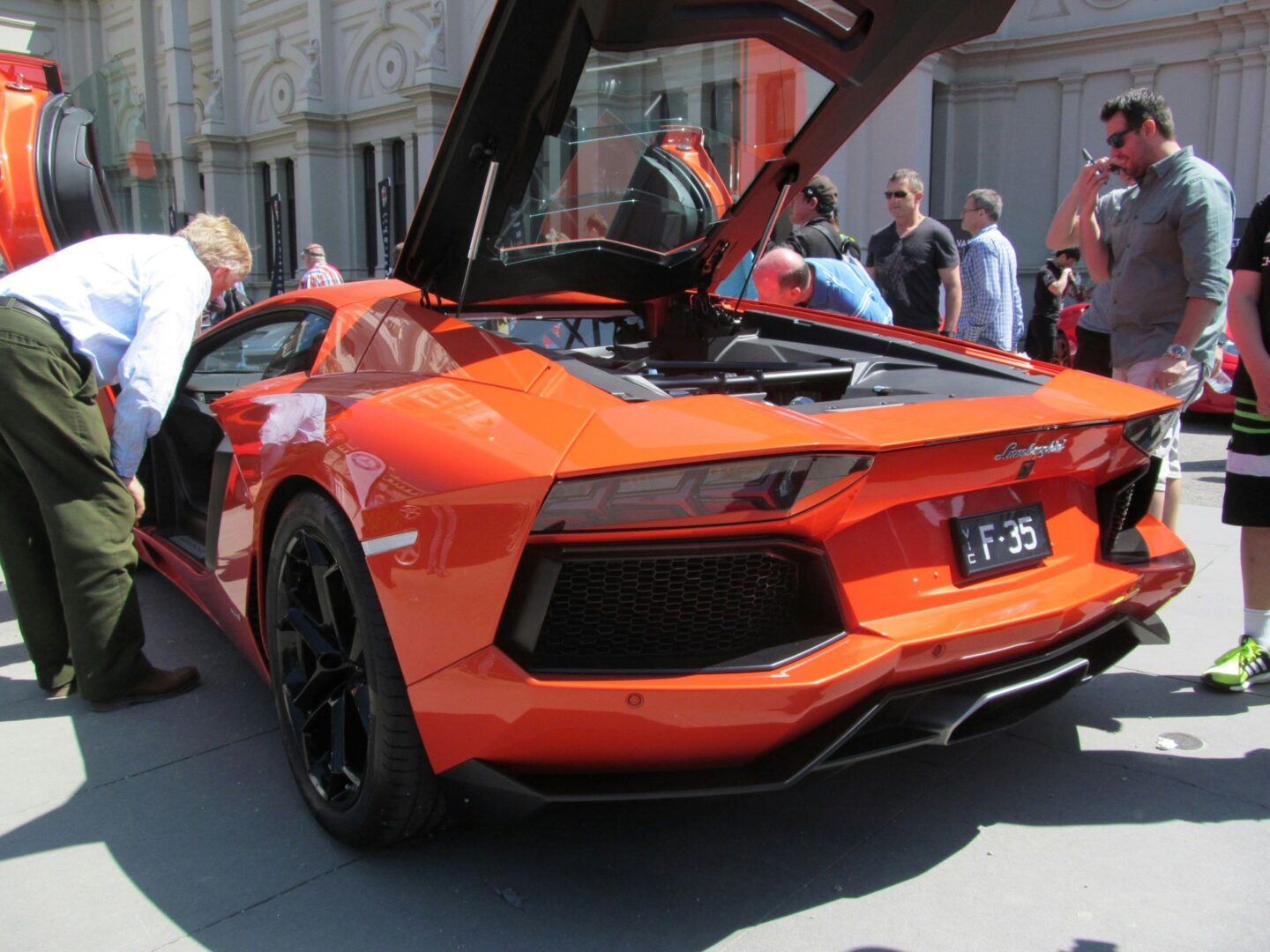
The Shift from Mass Marketing to Microtargeting
Historically, car advertising relied heavily on broad demographic assumptions ÔÇö age, income level, gender, and geographic location formed the backbone of market segmentation. Campaigns were designed to appeal to these segments in generic terms: families needing SUVs, young professionals wanting sportier models, or retirees looking for comfort and safety.
While effective in its time, this approach glossed over the nuance and complexity of individual buyer motivations. TodayÔÇÖs consumers, empowered by digital connectivity, demand relevance and authenticity. They donÔÇÖt want to be treated as just another face in a crowd; they want brands to understand their unique preferences, lifestyles, and aspirations.
This consumer mindset shift coincides with a digital revolution. The proliferation of smartphones, connected cars, social media, and e-commerce platforms generates vast amounts of data points ÔÇö from browsing habits and social interactions to vehicle telematics and purchase history. AI systems harness this data to identify microsegments, enabling car advertisers to move from one-size-fits-all campaigns to hyper-personalised messaging.
The Role of AI in Automotive Advertising
Artificial intelligence, particularly machine learning and natural language processing, serves as the engine behind data-driven personalisation. HereÔÇÖs how AI transforms automotive advertising:
Data Aggregation and Analysis
AI algorithms sift through billions of data points ÔÇö website clicks, search queries, social media activity, and even driving behaviour captured via connected car sensors. This comprehensive view allows advertisers to build sophisticated customer profiles that include preferences, pain points, and even emotional triggers.
Predictive Analytics
Beyond understanding current behaviours, AI predicts future actions. For instance, a potential buyer researching electric vehicles (EVs) extensively but not yet visiting dealerships may be identified as ÔÇ£high intentÔÇØ for EV marketing. Advertisers can then prioritise these individuals for targeted campaigns.
Content Personalisation
AI-driven platforms dynamically generate ad content tailored to the viewer. This might mean swapping out images, highlighting specific car features, or adjusting tone and messaging based on the consumerÔÇÖs preferences and past interactions.
Real-Time Optimisation
The AI ecosystem continuously learns and adapts. It tests various ad formats, delivery times, and channels, optimising campaigns in real-time to maximise engagement and conversion rates.
Data Sources Powering Personalised Car Ads
Effective personalisation depends on rich, diverse data sources, including:
Case Studies: Pioneers of AI-Driven Personalisation in Automotive Advertising
Tesla: Precision Targeting for the EV Market
TeslaÔÇÖs digital-first approach leverages extensive customer data to personalise offers and promotions. Using AI to analyse driving habits and preferences, TeslaÔÇÖs ads highlight features such as autopilot or range, tailored to the specific needs of each prospect.
BMWÔÇÖs Dynamic Content Campaigns
BMW employs AI to deliver dynamic ads that adjust visuals and messages depending on user behaviour. For example, users frequently browsing SUVs receive ads emphasising BMWÔÇÖs X-series, while those exploring sports cars see campaigns focused on the M models.
Benefits of Data-Driven Personalisation for Automotive Brands
Ethical Considerations and Privacy Challenges
The surge of data-driven marketing brings inevitable concerns about consumer privacy. Automotive brands must navigate regulatory landscapes like GDPR and POPIA (in South Africa), ensuring transparency, consent, and data security. Striking the balance between personalisation and privacy is critical to maintaining consumer trust.

The Future of Personalisation: AI, VR, and Beyond
Looking ahead, emerging technologies promise to deepen personalisation even further. Virtual reality (VR) showrooms offer immersive experiences tailored to individual tastes, while AI-powered voice assistants in cars might soon personalise interactions during the entire ownership journey.
The era of data-driven personalisation on wheels is already here, reshaping automotive advertising and customer engagement. Brands that embrace AI-powered personalisation will not only sell more cars but also forge stronger, more meaningful connections with their customers ÔÇö a critical advantage in an increasingly competitive market.
Breyten Odendaal
Specializing in high-performance automotive advertising and digital marketing solutions, delivering cutting-edge insights and the latest news shaping the automotive industry in South Africa.
More From Advertising

Automotive Advertising in 2026: Selling Confidence in a More Competitive Market
As South Africa’s vehicle market becomes more competitive, automotive advertising needs to do more than announce a price or specification. It needs to help buyers understand value, ownership costs and why a vehicle suits their lives.

Automotive Digital Ads in South Africa: A Shift
Exploring how South Africa’s automotive advertising evolved from print and broadcast to data-driven, programmatic digital ecosystems.

The Video Shift in Car Buying Decisions in SA
Explore how video content shapes car purchase decisions in South Africa, comparing short-form and long-form strategies for automotive marketers.