
In automotive marketing, the future rarely arrives alone. It tends to pull a suitcase packed with memories, dog-eared photographs, and the faint smell of petrol from another decade. Nostalgia has become one of the industryÔÇÖs most reliable sales accelerants, not because buyers are stuck in the past, but because the past still knows how to whisper to them.
Retro design in cars is not about recreating yesterday. It is about borrowing yesterdayÔÇÖs emotional credibility and grafting it onto todayÔÇÖs technology. When done well, it feels reassuring rather than regressive. When done poorly, it feels like cosplay with a finance agreement attached. Between those extremes lies one of the most lucrative storytelling strategies in modern automotive marketing.
This article explores how nostalgia has evolved from a stylistic flourish into a structured commercial tool. It looks at why memory sells, how brands package it, and why the automotive sector, more than most industries, is uniquely positioned to monetise emotion at scale.
Why Cars Are Perfect Memory Machines
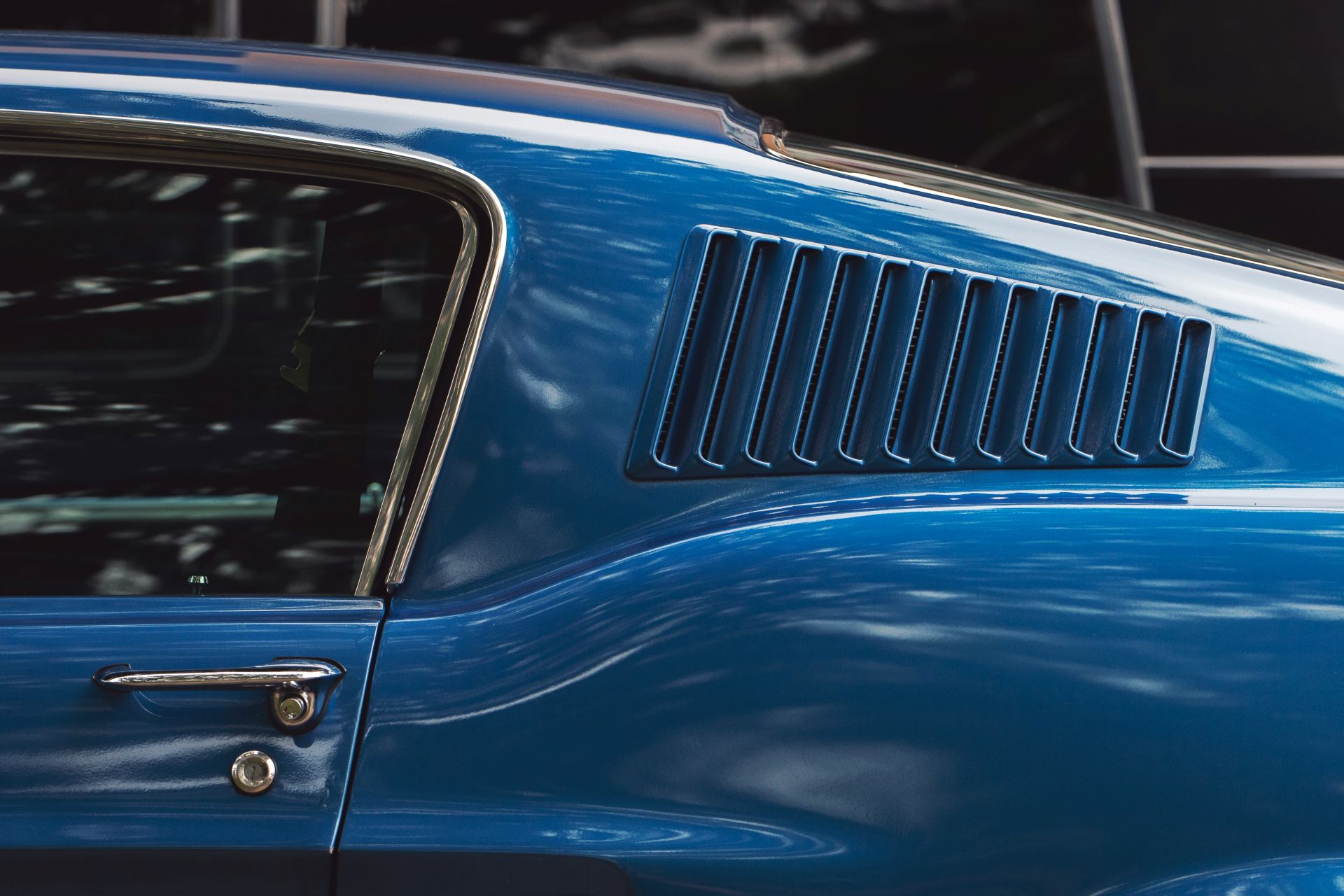
Cars are unusually good at carrying emotional weight. They are not passive products. They move, they make noise, they age, and they share space with some of the most significant moments in peopleÔÇÖs lives. First jobs, family holidays, late-night drives, youthful rebellion, personal freedom. Few consumer goods embed themselves so deeply into memory.
From a marketing perspective, this gives car brands a head start. They are not trying to create emotion from scratch. They are mining deposits that already exist.
The sound of a specific engine configuration can trigger nostalgia faster than a photograph. A familiar grille shape can summon childhood recollections of a parentÔÇÖs driveway. Even a model name can act like a time machine, transporting buyers back to a version of themselves that felt simpler, more optimistic, or more in control.
Nostalgia works because it collapses time. It allows brands to sell a modern product while letting customers emotionally pay in memories rather than logic alone.
The Shift From Innovation-First to Emotion-First
For decades, automotive marketing leaned heavily on progress. More power, better aerodynamics, faster acceleration, new safety tech. Innovation was the headline, emotion the footnote.
That balance has shifted.
As modern vehicles have become more technically similar, especially in the electric era, emotional differentiation has taken on a greater role. Software-defined platforms, shared architectures, and global regulations have narrowed the mechanical gaps between competitors. Nostalgia offers something that cannot be cloned overnight: heritage.
Brands with long histories have realised that their archives are not dusty libraries but commercial assets. Old sketches, past silhouettes, classic logos, and discontinued model names now function as brand equity reservoirs.
This does not mean innovation has disappeared. It means innovation is increasingly framed through emotional continuity rather than disruption.
Retro Design as a Familiar Face in an Uncertain Future
One of nostalgiaÔÇÖs most powerful roles in modern automotive marketing is reassurance.
The industry is currently navigating one of the most disruptive transitions in its history. Electrification, autonomous driving, software subscriptions, and shifting ownership models have left many consumers feeling uncertain. In times of change, people gravitate toward what feels familiar.
Retro design provides visual comfort. It says, ÔÇ£Yes, this is new, but you know us.ÔÇØ That reassurance can reduce resistance to unfamiliar technologies, particularly electric powertrains.
The revival of classic shapes in EVs is no coincidence. By wrapping new technology in old emotional language, brands lower the psychological barrier to adoption.
The past becomes a translator for the future.
Heritage as a Premium Multiplier
Nostalgia does not only sell cars. It sells margins.
Vehicles positioned as heritage-inspired often command higher prices than their purely modern counterparts. The justification is rarely mechanical. It is emotional.
A retro badge, a heritage colour palette, or a design callback allows brands to charge for perceived authenticity. Buyers are not just paying for materials and technology. They are paying for access to a story.
This is especially effective in limited editions and special trims. Scarcity combined with nostalgia creates a powerful sense of ownership beyond utility. The car becomes a collectible rather than a commodity.
In marketing terms, nostalgia converts history into perceived value.
Case Studies in Memory Monetisation
Reviving Icons Without Repeating Mistakes
When a brand revives a classic nameplate, it walks a narrow path. Too faithful, and the car risks feeling outdated. Too modern, and it risks alienating loyalists.
Successful revivals reinterpret rather than replicate. They capture the essence of the original while adapting it to contemporary expectations.
This approach acknowledges that nostalgia is selective. People remember how cars made them feel, not how uncomfortable the seats were or how unreliable the electrics could be.
By editing history, brands preserve the emotional highlights while discarding the inconveniences.
Design Cues as Emotional Shortcuts
Certain design elements act as instant emotional triggers. Circular headlights, upright stances, contrasting roof colours, or bold geometric lines. These cues operate almost subconsciously, signalling heritage without requiring explanation.
They function as visual shorthand, allowing marketers to communicate legacy in a single glance.
Importantly, these cues are often applied sparingly. A hint of retro is usually more effective than a full throwback. Subtlety maintains credibility.
Branding, Badges, and the Semiotics of Nostalgia
Logos play a critical role in nostalgia-driven automotive marketing. Many brands have reverted to simplified, flatter versions of historical badges, not because minimalism is fashionable, but because older designs feel more honest.
Heritage logos suggest permanence. They imply that a brand has survived trends, crises, and cultural shifts. In a market where new manufacturers appear regularly, longevity becomes a trust signal.
Typography also matters. Retro-inspired fonts evoke specific eras, even when customers cannot consciously identify why they feel familiar. This typographic nostalgia reinforces brand continuity across advertising, digital platforms, and vehicle interfaces.
The result is a cohesive emotional language that extends beyond the car itself.
Nostalgia in the Interior: Selling the Feeling, Not the Function
While exterior design often carries the most obvious retro cues, interiors are where nostalgia becomes intimate.
Materials, textures, and layouts can recall earlier eras without sacrificing modern ergonomics. Quilted upholstery, analogue-inspired digital dials, toggle-style switches. These elements appeal to memory while meeting contemporary standards.
From a marketing perspective, interior nostalgia is powerful because it is experienced daily. Every drive reinforces the emotional connection.
Importantly, modern brands rarely sacrifice usability for authenticity. Instead, they simulate analogue warmth through digital means. Screens mimic classic gauges. Ambient lighting recreates the glow of older dashboards.
The past becomes a user interface.
Storytelling: Turning Archives Into Campaigns
Nostalgia-driven marketing thrives on storytelling. Brands mine their histories to create narratives that feel earned rather than invented.
Factory footage, old advertising campaigns, motorsport victories, and cultural milestones are repurposed into modern content. These stories anchor new models in a broader timeline, making them feel like the latest chapter rather than a standalone product.
This approach is especially effective in digital marketing, where long-form video and social storytelling allow brands to explore heritage without relying on traditional advertising formats.
The archive becomes content. Memory becomes media.
Generational Nostalgia and the New Buyer
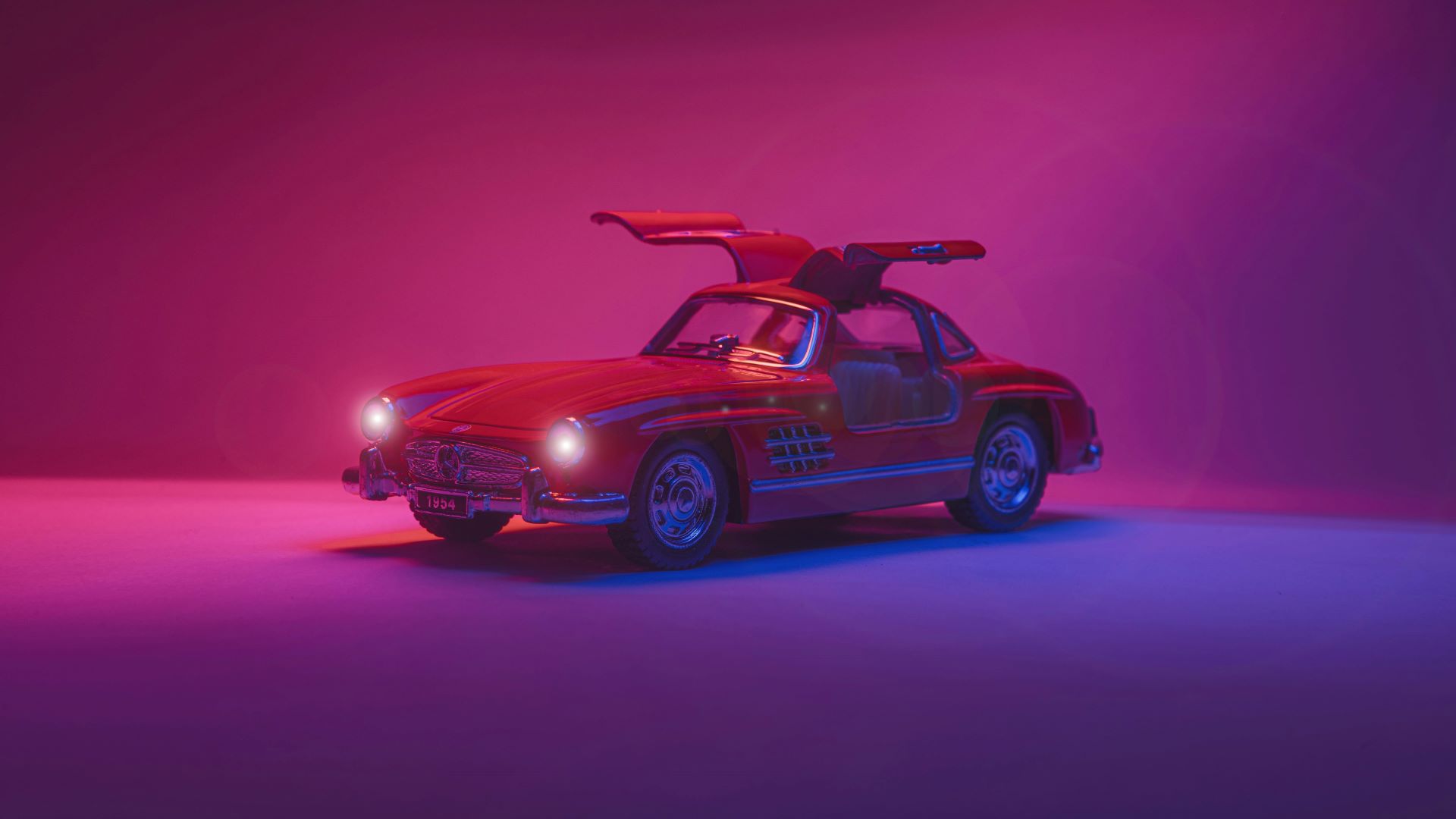
One of the most interesting developments in automotive nostalgia is that it increasingly targets buyers who were not alive during the era being referenced.
Younger consumers often experience ÔÇ£borrowed nostalgia,ÔÇØ absorbing memories through pop culture, family stories, and media. For them, retro design represents authenticity rather than personal recollection.
Brands leverage this by positioning heritage vehicles as timeless rather than dated. The message shifts from ÔÇ£remember this?ÔÇØ to ÔÇ£this is where we come from.ÔÇØ
In this context, nostalgia becomes aspirational. It offers younger buyers a connection to a perceived golden age of design and identity.
Motorsport Heritage as Emotional Proof
Racing history is another powerful nostalgia lever. Motorsport success lends credibility and excitement to modern road cars, even when the mechanical link is symbolic rather than literal.
Livery throwbacks, historic colour schemes, and anniversary editions allow brands to tap into emotional reservoirs built on victory and competition.
These associations elevate performance credentials without requiring direct comparison. The emotional residue of past wins transfers to present products.
In marketing terms, nostalgia here functions as borrowed authority.
The Role of Sound, Smell, and Sensory Memory
Visual nostalgia is only part of the equation. Sensory cues play a significant role in emotional recall.
Engine sounds, even simulated ones, are carefully engineered to evoke familiarity. Interior materials are chosen not just for durability but for tactile comfort that feels reassuring.
Even marketing environments reflect this strategy. Showrooms incorporate warm lighting, heritage displays, and curated artefacts to create emotional continuity.
The buying experience becomes a sensory echo of the brandÔÇÖs past.
Nostalgia Versus Innovation: Finding the Balance
The greatest risk in nostalgia-driven automotive marketing is stagnation. Overreliance on the past can signal a lack of confidence in the future.
Successful brands treat nostalgia as a layer, not a foundation. It supports innovation rather than replacing it.
The most effective campaigns juxtapose heritage with progress. Classic design cues paired with cutting-edge technology. Familiar shapes powered by revolutionary drivetrains.
This contrast reinforces the idea that the brand honours its past while moving forward.
Electric Vehicles and the Rebranding of Progress
Electric vehicles have accelerated the use of nostalgia as a marketing tool. With fewer mechanical differentiators, design and storytelling have taken centre stage.
By evoking history, brands humanise technology that might otherwise feel abstract or intimidating. Retro-inspired EVs feel approachable, friendly, and emotionally grounded.
This strategy also reframes sustainability. Instead of presenting EVs as a radical break, nostalgia suggests continuity. The brand remains the same, only the propulsion has changed.
Progress feels less like loss.
Limited Editions and the Economics of Memory
Scarcity amplifies nostalgiaÔÇÖs effectiveness. Limited-run models, anniversary editions, and heritage trims create urgency while reinforcing emotional value.
These vehicles often sell out quickly, generating media coverage that extends beyond the automotive press. The narrative shifts from product to phenomenon.
From a business perspective, limited editions allow brands to test nostalgic appeal without committing entire line-ups. They function as both revenue generators and brand experiments.
Memory becomes a controlled release.
Global Nostalgia, Local Interpretation
Nostalgia is not universal. What resonates in one market may fall flat in another.
Automotive brands adapt heritage storytelling to local contexts, emphasising different eras, models, or cultural moments depending on regional relevance.
This localisation allows global brands to maintain consistency while respecting regional emotional landscapes. A single model can carry different nostalgic meanings across markets.
The past, like the present, is contextual.
When Nostalgia Fails
Not all retro revivals succeed. Some feel cynical, exploiting history without understanding it. Others misjudge audience sentiment, reviving models that lack emotional resonance.
Failure often stems from superficiality. Slapping an old name on a new product without meaningful connection invites scrutiny.
Consumers are increasingly adept at detecting inauthentic nostalgia. When heritage feels forced, it undermines trust rather than building it.
Authenticity remains the currency.
Measuring the Impact of Emotional Design
Quantifying nostalgiaÔÇÖs effectiveness can be challenging, but its impact is evident in brand perception studies, pricing power, and customer loyalty.
Vehicles with strong heritage positioning often enjoy longer lifecycle relevance and stronger resale values. Emotional attachment translates into advocacy, repeat purchases, and brand communities.
In a crowded market, nostalgia-driven differentiation reduces reliance on discounts and incentives.
Emotion stabilises demand.
The Future of Nostalgia in Automotive Marketing
As the industry continues to evolve, nostalgia will remain a powerful tool, but its application will become more sophisticated.
Expect deeper integration between digital experiences and heritage storytelling. Virtual showrooms that explore brand history. Configurators that allow customers to personalise retro elements.
Artificial intelligence may even enable personalised nostalgia, tailoring heritage references based on individual buyer profiles.
The past will not just be remembered. It will be customised.

Memory as a Competitive Advantage
Nostalgia works in automotive marketing because it speaks to something fundamental. Cars are not just machines. They are emotional artefacts.
By monetising memory, brands transform history into a strategic asset. Retro design becomes a bridge between eras, allowing companies to innovate without alienating their audience.
In an industry defined by motion, nostalgia provides continuity. It reminds buyers where a brand has been, even as it invites them to drive somewhere new.
The future may be electric, digital, and autonomous. But it will still look back before it moves forward.
Breyten Odendaal
Specializing in high-performance automotive advertising and digital marketing solutions, delivering cutting-edge insights and the latest news shaping the automotive industry in South Africa.
More From Advertising

Automotive Advertising in 2026: Selling Confidence in a More Competitive Market
As South Africa’s vehicle market becomes more competitive, automotive advertising needs to do more than announce a price or specification. It needs to help buyers understand value, ownership costs and why a vehicle suits their lives.

Automotive Digital Ads in South Africa: A Shift
Exploring how South Africa’s automotive advertising evolved from print and broadcast to data-driven, programmatic digital ecosystems.

The Video Shift in Car Buying Decisions in SA
Explore how video content shapes car purchase decisions in South Africa, comparing short-form and long-form strategies for automotive marketers.