
In a world where technological advancements continue to redefine the automotive landscape, the marketing strategies employed by car manufacturers must evolve in tandem. Yet, amidst this relentless march toward innovation, one enduring tactic continues to captivate audiences and drive sales: nostalgia. The art of invoking memories from yesteryears, nostalgia has become a cornerstone in automotive advertising, subtly reminding consumers of the golden eras they cherish. The emotional pull of nostalgia transcends generations, fostering a deep-seated connection between the consumer and the product. In this article, we delve into how nostalgia is not merely a fleeting trend in automotive advertising but a powerful psychological tool that taps into our collective memory, propelling future sales and brand loyalty.
The Power of Nostalgia in Marketing
Nostalgia is an emotional experience that transcends the simple act of recalling the past; it is a wistful longing for a time that once was, often idealized and imbued with warmth and positivity. This emotional appeal is universally potent, touching consumers across different age groups and cultures. Whether itÔÇÖs the sound of a classic engine roaring down a familiar road, or the sight of a vintage car model that once adorned a childhood poster, nostalgia stirs the soul and conjures a powerful connection between the past and present.
The effectiveness of nostalgia lies in its ability to evoke positive emotionsÔÇöhappiness, comfort, securityÔÇöthat can enhance the consumer's perception of a brand. When leveraged in marketing, nostalgia does more than just sell a product; it sells a feeling, a sense of belonging to a cherished era. This emotional engagement is invaluable in a marketplace crowded with choices, as it fosters brand loyalty and encourages repeat purchases. Nostalgia also possesses a unique universality; while the specific memories it triggers may vary, the underlying emotion is a common thread that binds diverse audiences together.
Historical Overview of Nostalgia in Automotive Advertising
The use of nostalgia in automotive advertising is not a modern invention; it has roots stretching back to the early days of car manufacturing. In the mid-20th century, as the automobile became a symbol of freedom and progress, car ads began to reflect a longing for simpler times, when the open road was a new frontier. Advertisers started to craft messages that appealed to the emotions of their target audience, evoking memories of family road trips, first cars, and the romance of driving into the unknown.
One of the earliest examples of nostalgia in automotive advertising can be traced back to the 1960s, with the resurgence of interest in classic car designs from the 1930s and 1940s. The Ford Mustang, introduced in 1964, was marketed not just as a new car, but as a continuation of the American tradition of powerful, stylish, and affordable vehicles. This appeal to the past helped the Mustang become an instant classic, cementing its place in automotive history.
Over the decades, automotive brands have continued to tap into nostalgia to create memorable campaigns. The Volkswagen BeetleÔÇÖs ÔÇ£Think SmallÔÇØ campaign in the late 1950s, for example, capitalized on the carÔÇÖs distinctive design, which had remained largely unchanged since its inception. The ad campaign played on the simplicity and reliability of the Beetle, evoking a sense of nostalgia for a time when life was less complicated. Similarly, DodgeÔÇÖs revival of the Challenger in the late 2000s leaned heavily on the muscle carÔÇÖs iconic status from the 1970s, appealing to both older consumers who remembered the original and younger buyers who appreciated its retro style.
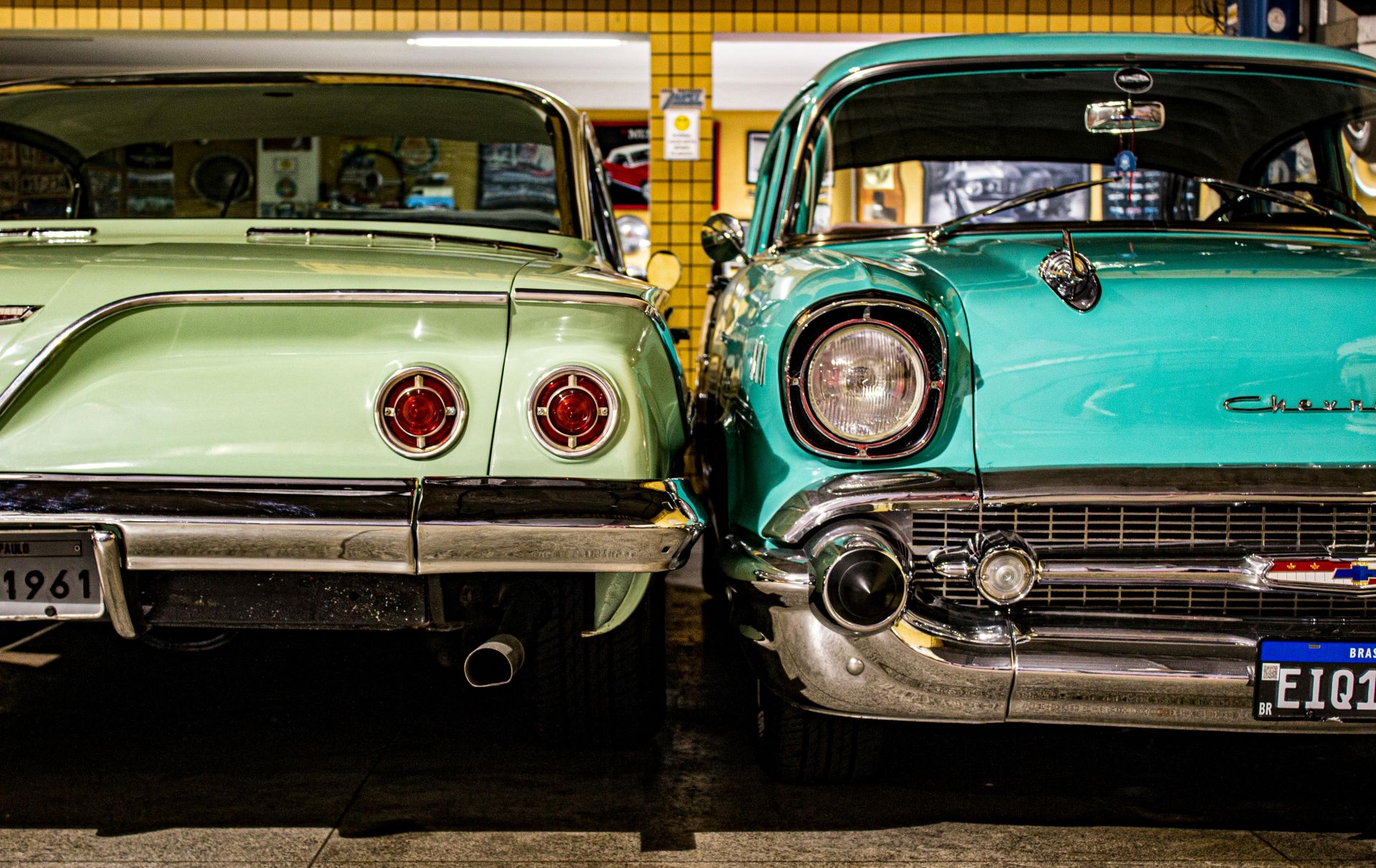
Psychological Mechanisms Behind NostalgiaÔÇÖs Effectiveness
The effectiveness of nostalgia in automotive advertising can be attributed to several psychological mechanisms that make it a compelling marketing tool. One of the key concepts is emotional branding, which involves creating a bond between the consumer and the brand through emotional engagement. Nostalgia taps into deeply rooted memories and emotions, creating a sense of familiarity and comfort that can make a brand more appealing.
Another important mechanism is memory recall. Nostalgic advertisements often trigger memories of past experiences, which can enhance the consumerÔÇÖs perception of the brand. For example, seeing an ad that features a car model from oneÔÇÖs childhood can evoke memories of family road trips, creating a positive association with the brand. This can be especially powerful when the memories triggered are associated with happiness and security.
Consumer behavior is also influenced by nostalgia, as it can lead to a phenomenon known as the ÔÇ£rosy retrospectionÔÇØ effect. This effect occurs when people recall past events as being more positive than they actually were, which can make nostalgic advertisements more persuasive. When consumers are reminded of ÔÇ£the good old days,ÔÇØ they are more likely to view the brand in a positive light, which can increase their willingness to purchase.
Demographic Analysis
Understanding the demographics most receptive to nostalgic advertising is crucial for crafting effective campaigns. Different age groups respond to nostalgic cues in various ways, and marketers must tailor their strategies accordingly.
Baby Boomers (born 1946-1964) are perhaps the most receptive to nostalgic advertising. This generation grew up during a time of significant cultural and technological change, and many have a deep sense of nostalgia for the past. Automotive brands can appeal to Baby Boomers by highlighting classic car models and designs from the 1950s, 1960s, and 1970s, as well as by evoking memories of significant cultural events, such as the space race or the rise of rock and roll.
Generation X (born 1965-1980) also responds well to nostalgic advertising, particularly when it references the pop culture and technology of the 1980s and 1990s. Ads that feature iconic car models from these decades, as well as music, fashion, and movies from the era, can resonate deeply with this demographic.
Millennials (born 1981-1996) and Generation Z (born 1997-2012) have a more complex relationship with nostalgia. While these younger generations may not have first-hand memories of the eras being referenced, they are often drawn to the retro aesthetic and the perceived authenticity of older products. For these groups, nostalgia can be a way to connect with a time they view as simpler or more genuine. However, marketers must be careful not to over-sentimentalize, as younger consumers can be skeptical of brands that appear insincere or overly focused on the past.
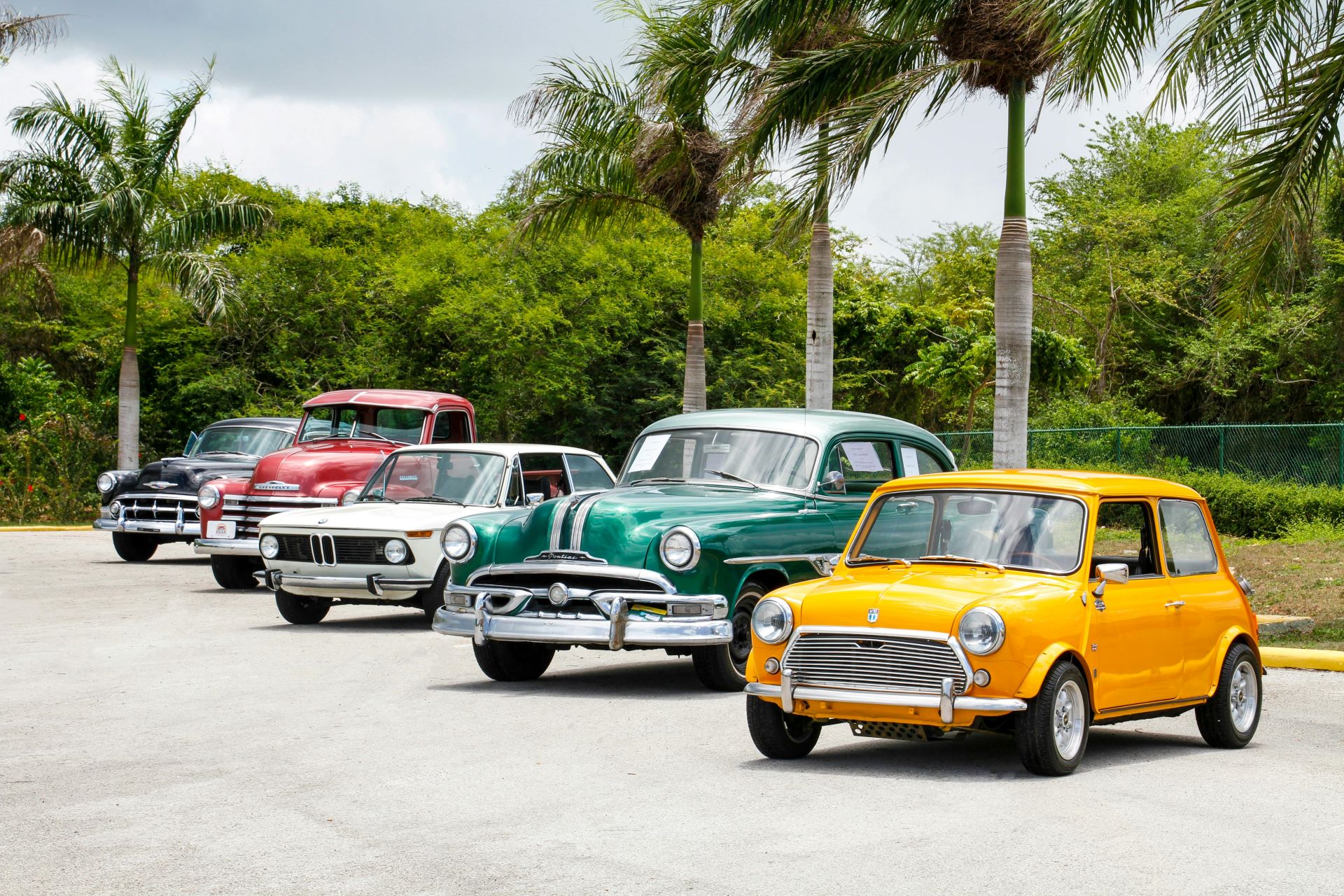
Creative Elements in Nostalgic Advertising
The success of a nostalgic automotive ad campaign often hinges on the creative elements used to evoke the past. These elements include visual aesthetics, music, storytelling, and cultural references, all of which play a crucial role in creating a sense of nostalgia.
Visual aesthetics are perhaps the most immediately recognizable element of a nostalgic ad. This can include the use of vintage car designs, retro color palettes, and film grain effects that mimic the look of old photographs or videos. For example, an ad might feature a classic car model driving through a picturesque countryside, with the image intentionally styled to resemble a 1970s postcard.
Music is another powerful tool for evoking nostalgia. A well-chosen song can transport listeners back to a specific time and place, triggering memories and emotions associated with that era. For instance, using a popular song from the 1960s in a car ad can instantly create a connection with Baby Boomers who grew up during that time.
Storytelling is also essential for creating a compelling nostalgic narrative. Many successful nostalgic ads tell a story that spans generations, linking the past with the present. This can involve showing how a car model has evolved over time, or depicting a familyÔÇÖs journey through different stages of life, with the car as a constant presence.
Cultural references can add depth and authenticity to a nostalgic ad. These references might include nods to historical events, iconic landmarks, or popular movies and TV shows from the era being evoked. By incorporating these elements, brands can create a rich, immersive experience that resonates with viewers on multiple levels.
Combining Nostalgia with Modern Marketing Techniques
While nostalgia is a powerful tool, it is most effective when combined with modern marketing techniques. The key to a successful nostalgic campaign lies in balancing the past with the present, creating a sense of continuity that appeals to both older and younger consumers.
Technology and social media play a crucial role in amplifying nostalgic campaigns. For example, brands can use social media platforms to share vintage car ads, encouraging followers to reminisce and share their own memories. This user-generated content can then be leveraged to create a sense of community around the brand, strengthening its connection with consumers.
Digital platforms also offer new ways to deliver nostalgic content. For example, brands can create interactive experiences that allow users to explore the history of a car model, or use virtual reality to immerse consumers in a bygone era. By incorporating these modern elements, brands can ensure that their nostalgic campaigns remain relevant and engaging for todayÔÇÖs tech-savvy consumers.
However, it is important to maintain authenticity when combining nostalgia with modern marketing techniques. Consumers, particularly younger ones, are quick to detect and reject inauthentic attempts to capitalize on nostalgia. Brands must strike a balance between celebrating the past and embracing the future, ensuring that their nostalgic campaigns are rooted in genuine storytelling and a clear understanding of their audience.
Potential Pitfalls and Challenges
Despite its many advantages, nostalgia in automotive advertising is not without its challenges. One of the primary risks is alienating younger audiences. While nostalgia can be a powerful tool for engaging older consumers, it may not resonate as strongly with younger generations who lack direct experience with the era being evoked. Brands must be careful to avoid creating ads that feel exclusionary or out of touch with contemporary sensibilities.
Another potential pitfall is over-sentimentalization. While nostalgia is rooted in positive memories, there is a fine line between evoking warmth and comfort and becoming overly sentimental. Ads that lean too heavily on nostalgia can come across as saccharine or insincere, potentially turning off consumers who are looking for innovation and forward-thinking brands.
To mitigate these challenges, brands should consider incorporating fresh perspectives into their nostalgic campaigns. This might involve blending nostalgic elements with modern design and technology, or creating ads that acknowledge the complexities of the past while looking toward the future. By doing so, brands can create campaigns that appeal to a broad audience, balancing the allure of nostalgia with the excitement of whatÔÇÖs to come.
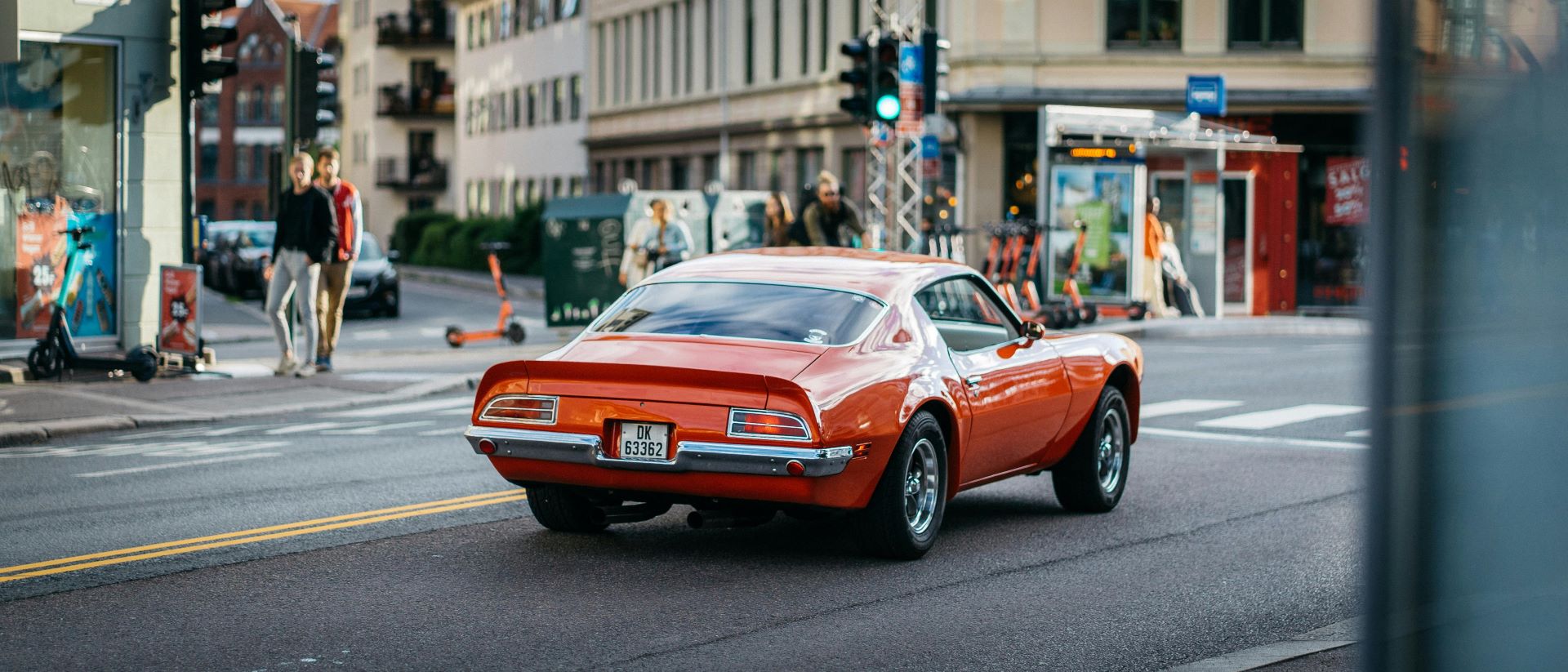
Nostalgia is a potent tool in automotive advertising, capable of evoking powerful emotions and creating deep connections between consumers and brands. By understanding the psychological mechanisms behind nostalgia, as well as the demographics most receptive to its appeal, businesses can craft compelling campaigns that resonate with a wide audience. However, as with any marketing strategy, it is essential to strike a balance, combining nostalgic elements with modern techniques to ensure that the campaign remains relevant and engaging.
As we look to the future of automotive advertising, nostalgia will likely continue to play a significant role, offering a bridge between the past and present. In a rapidly changing world, the desire to connect with the past is a universal impulse that transcends generations. By tapping into this longing, brands can not only drive sales but also build lasting relationships with their customers, ensuring that their legacy endures for years to come.
Breyten Odendaal
Specializing in high-performance automotive advertising and digital marketing solutions, delivering cutting-edge insights and the latest news shaping the automotive industry in South Africa.
More From Advertising

Automotive Advertising in 2026: Selling Confidence in a More Competitive Market
As South Africa’s vehicle market becomes more competitive, automotive advertising needs to do more than announce a price or specification. It needs to help buyers understand value, ownership costs and why a vehicle suits their lives.

Automotive Digital Ads in South Africa: A Shift
Exploring how South Africa’s automotive advertising evolved from print and broadcast to data-driven, programmatic digital ecosystems.

The Video Shift in Car Buying Decisions in SA
Explore how video content shapes car purchase decisions in South Africa, comparing short-form and long-form strategies for automotive marketers.