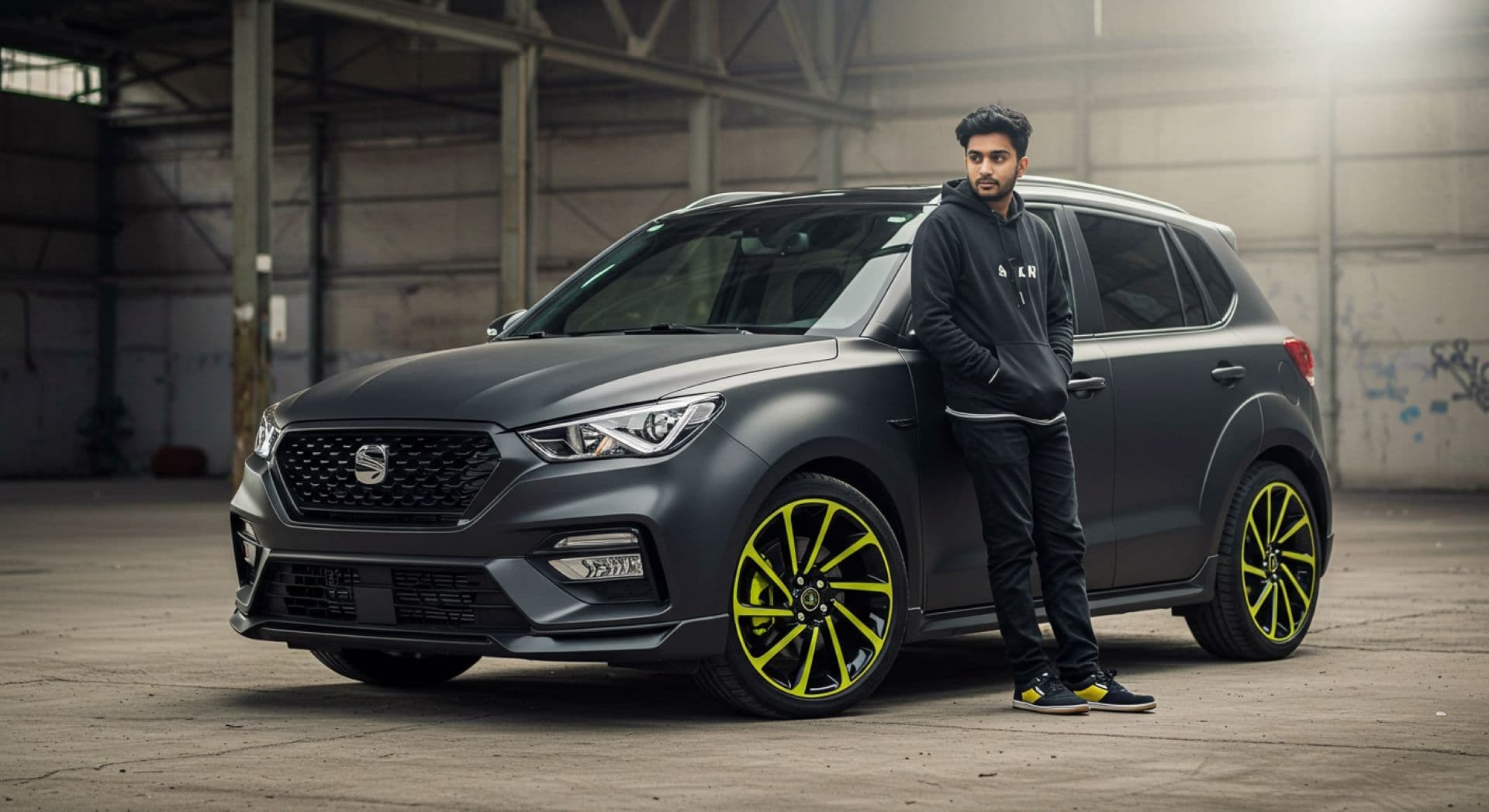
In an automotive world dominated by mega-budget campaigns and mainstream messaging, a quiet revolution is unfolding. Small-volume carmakersÔÇöthose boutique brands with tight production numbers and cult-like followingsÔÇöare rewriting the rules of automotive advertising. With unapologetically bold creative direction and razor-sharp messaging, they are punching well above their weight, proving that when it comes to brand impact, bigger isnÔÇÖt always better.
Welcome to the world where niche is nice, and brave ideas drive real results.
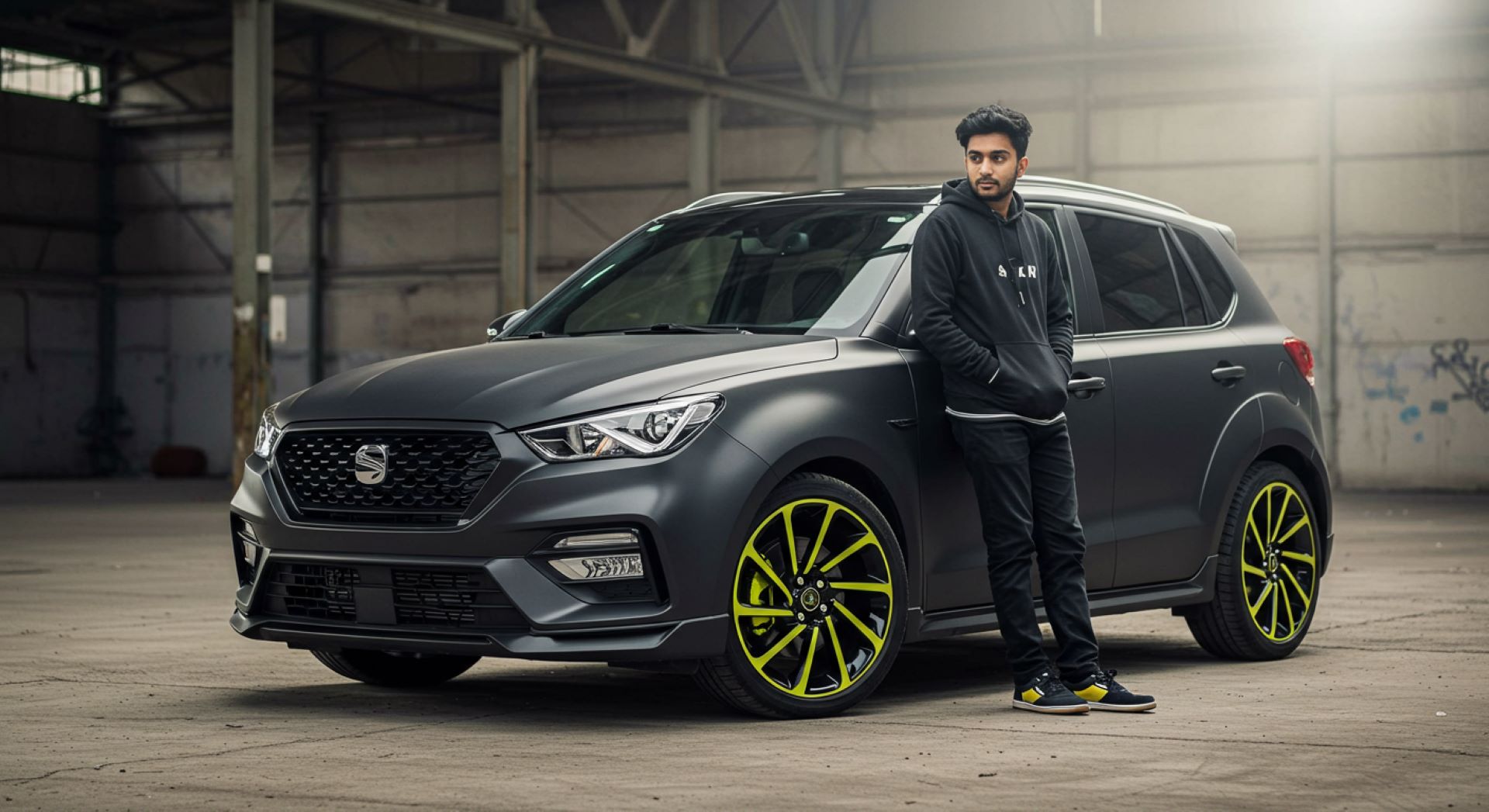
The Art of Standing Out: A Niche BrandÔÇÖs Superpower
Niche automotive brands face a fundamental challenge: limited production and limited visibility. They donÔÇÖt enjoy the deep pockets or global reach of giants like Toyota, BMW, or Volkswagen. What they do have, however, is freedomÔÇöcreative freedom that allows them to craft messages tailored to specific passions, lifestyles, and subcultures.
When youÔÇÖre not trying to please everyone, youÔÇÖre free to say something powerful to someone.
Boutique brands understand this. TheyÔÇÖre not broadcasting to the massesÔÇötheyÔÇÖre whispering into the ears of connoisseurs. And when that whisper resonates, it can trigger emotion, aspiration, and desire far more effectively than any generic campaign.
Take Morgan Motor Company, for example. With handcrafted vehicles steeped in British heritage, MorganÔÇÖs advertising doesnÔÇÖt talk horsepowerÔÇöit talks heart. Its messaging is steeped in nostalgia, craftsmanship, and timeless design. It invites viewers not just to buy a car, but to buy into a slower, more considered way of life.
David vs. Goliath: The Battle for Attention in the Digital Age
In the digital age, attention is currency. Mainstream automakers spend millions vying for it across TV, print, and online. Niche brands, by contrast, play a different game. They donÔÇÖt need to flood the market; they just need to ignite curiosity in the right audience.
And theyÔÇÖve found their battlefield: social media, short films, and immersive storytelling.
Brands like Singer Vehicle Design and Rimac Automobili have built cult followings online through meticulously crafted content that showcases not just products, but purpose. SingerÔÇÖs cinematic mini-documentariesÔÇöoften shot with the finesse of luxury fashion campaignsÔÇöare less about selling restomods and more about elevating the brandÔÇÖs mythos.
Meanwhile, Rimac, the Croatian electric hypercar maker, leverages its founderÔÇÖs underdog story and bleeding-edge tech to create a narrative far bigger than its limited run of vehicles. Every piece of Rimac content reinforces a message: weÔÇÖre not just making cars, weÔÇÖre building the future.
Boldness as Strategy: When Advertising Becomes Art
Small-volume brands know that to get noticed, they must be provocative. But being provocative doesnÔÇÖt mean being loudÔÇöit means being precise, authentic, and, sometimes, a little audacious.
Consider BAC (Briggs Automotive Company), creators of the MonoÔÇöa single-seat road-legal race car. BAC doesnÔÇÖt even pretend to appeal to the average driver. Its ads feature lone racers carving up misty landscapes, accompanied by minimalist sound design and existential taglines like ÔÇ£Built for One.ÔÇØ The message? This car isnÔÇÖt for everyone. ItÔÇÖs for you. That laser-targeted approach turns potential limitations into brand-defining strengths.
ItÔÇÖs a strategy mirrored by electric hypercar start-up Pi├½ch Automotive. Rather than touting specs, its ad campaigns are poetic, almost abstract. A recent campaign featured cryptic imagery accompanied by the line ÔÇ£Soul, charged.ÔÇØ ItÔÇÖs not about explaining what the car doesÔÇöitÔÇÖs about how the car feels.
Heritage and Rebellion: A Tale of Two Approaches
Small-volume brands tend to fall into two camps when it comes to positioning: heritage keepers or disruptors.
The Heritage Keepers
Brands like Morgan, Alpine, and Caterham draw heavily on history. Their campaigns often romanticise the golden age of motoring, tapping into the deep emotional connection enthusiasts have with analogue driving. MorganÔÇÖs anniversary ads, for example, often blend archival footage with poetic narration, reminding viewers that tradition and innovation can coexist.
These campaigns donÔÇÖt just sell carsÔÇöthey sell stories. Owning a Morgan isnÔÇÖt just about driving; itÔÇÖs about being a custodian of British automotive heritage.
The Disruptors
On the other end of the spectrum are brands like Czinger, Apollo, and NIO. These companies aim to disrupt not just the industry, but perception itself. Their ads are often aggressive, high-tech, and futuristic, reflecting their ambitions. Think glitchy visuals, kinetic editing, and voiceovers that sound like they came from a sci-fi film.
CzingerÔÇÖs campaign for the 21CÔÇöa 3D-printed hybrid hypercarÔÇödidnÔÇÖt even feature a conventional tagline. Instead, it was presented more like an art installation than a product launch, challenging viewers to rethink what a car could be.
The Role of Community: Turning Customers into Advocates
Niche automotive brands understand the power of community. With small production numbers, every owner is part of an exclusive club. And that exclusivity breeds evangelism.
Advertising for these brands often highlights not just the vehicle, but the lifestyle surrounding it. PaganiÔÇÖs campaigns, for instance, regularly showcase owners gathered in the Italian countryside, discussing design, art, and the essence of performance. These are more than meetupsÔÇöthey are lifestyle statements, filmed and shared to amplify the Pagani mystique.
Similarly, Lotus used the launch of the Emira to tap into a global network of enthusiasts. Teasers were seeded in forums, behind-the-scenes videos were released to VIP groups first, and early adopters were given a role in shaping the narrative. It wasnÔÇÖt a monologueÔÇöit was a dialogue.
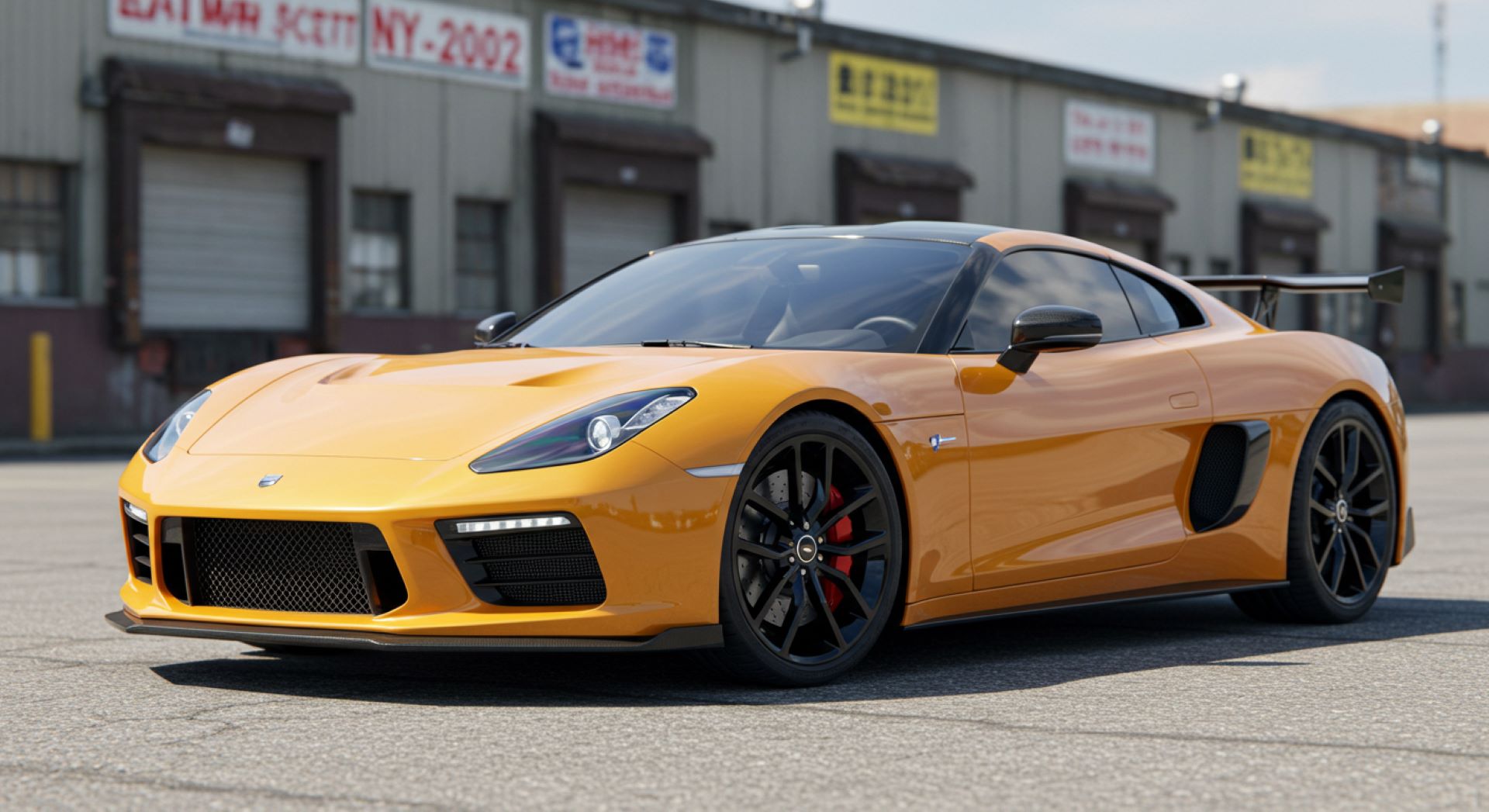
Collaborations and Culture: Expanding Influence Beyond the Industry
To break into broader cultural conversations, small-volume brands often collaborate with unexpected partners. Think fashion houses, watchmakers, and artists.
AlpineÔÇÖs collaboration with French fashion designer Felipe Pantone resulted in a limited-edition A110 with wild graphics and a campaign that blurred the lines between car commercial and fashion editorial.
Meanwhile, Automobili AmosÔÇöa boutique brand resurrecting the Lancia Delta IntegraleÔÇöbuilt its entire brand around cultural nostalgia. Its ads reference 1980s rally icons, retro-futurism, and analogue purity. Paired with exclusive merchandise drops and curated events, Automobili Amos has become less of a carmaker and more of a cultural movement.
Advertising as Brand Philosophy
In the end, niche brands succeed not just because their ads are creative, but because their ads are aligned. The messaging is a pure extension of the product, the philosophy, and the customer. ThereÔÇÖs no committee trying to please every demographic. ThereÔÇÖs a singular vision, executed with clarity and conviction.
When Koenigsegg released its ÔÇ£Time to ReignÔÇØ campaign for the Jesko, it didnÔÇÖt try to explain why the car was fastÔÇöit made you feel it. Through a high-concept video of a warrior king passing his crown to a modern-day driver, the campaign turned performance into legend. ThatÔÇÖs not just advertisingÔÇöitÔÇÖs mythology.
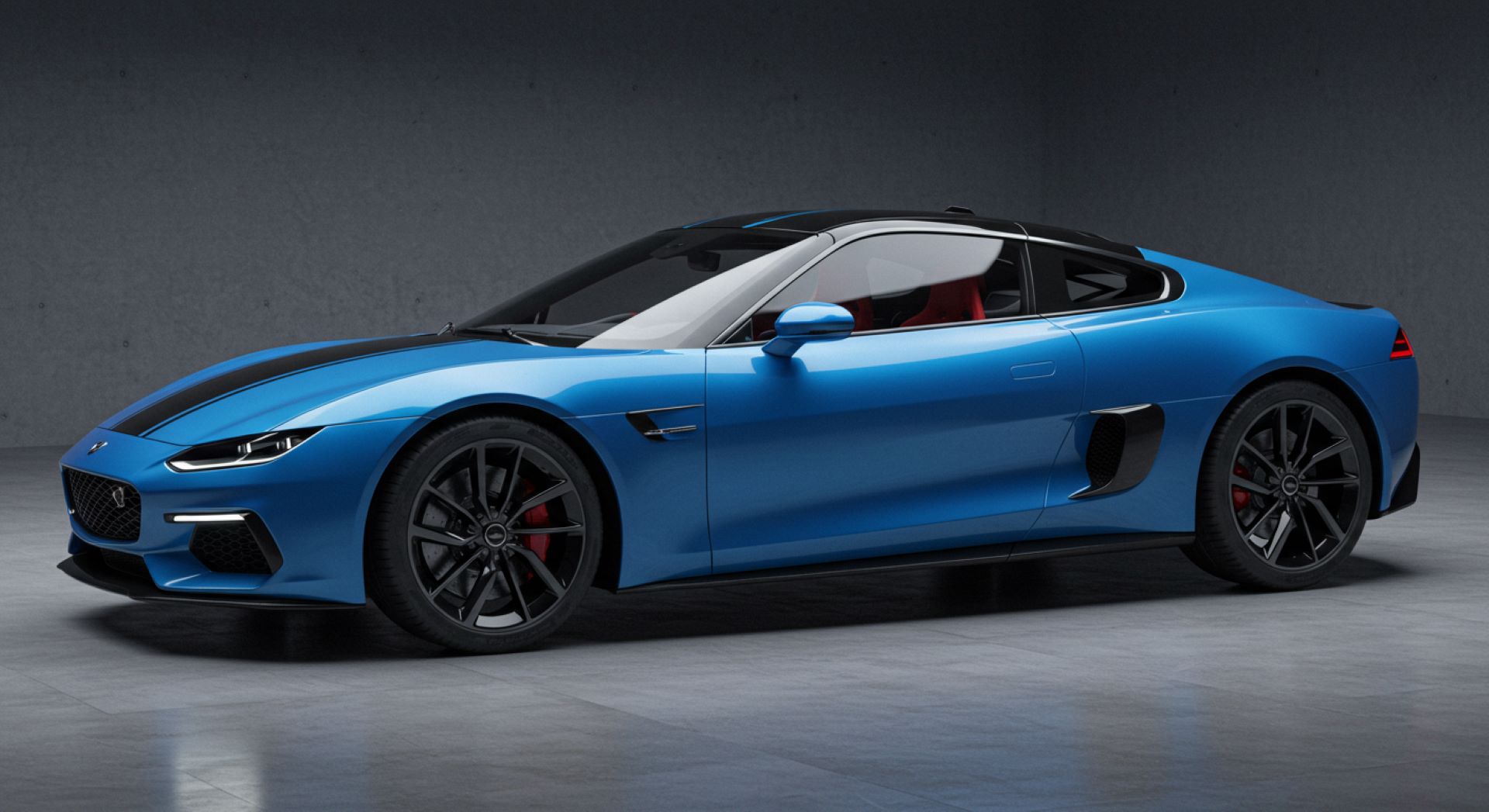
Why Bold Is Better in the World of Niche
Small-volume brands donÔÇÖt rely on scaleÔÇöthey rely on storytelling. They understand that impact doesnÔÇÖt come from volume, but from vision. And when vision meets creativity, the result isnÔÇÖt just a good adÔÇöitÔÇÖs a cultural moment.
For automotive enthusiasts, these brands offer something more than transport: identity, artistry, and connection. And their advertising reflects that. It doesnÔÇÖt just say, ÔÇ£Buy this car.ÔÇØ It says, ÔÇ£Be part of something rare.ÔÇØ
In a crowded marketplace filled with noise, niche brands have found the ultimate megaphone: boldness.
Because in the end, niche is not just niceÔÇöitÔÇÖs necessary.
Breyten Odendaal
Specializing in high-performance automotive advertising and digital marketing solutions, delivering cutting-edge insights and the latest news shaping the automotive industry in South Africa.
More From Advertising

Automotive Advertising in 2026: Selling Confidence in a More Competitive Market
As South Africa’s vehicle market becomes more competitive, automotive advertising needs to do more than announce a price or specification. It needs to help buyers understand value, ownership costs and why a vehicle suits their lives.

Automotive Digital Ads in South Africa: A Shift
Exploring how South Africa’s automotive advertising evolved from print and broadcast to data-driven, programmatic digital ecosystems.

The Video Shift in Car Buying Decisions in SA
Explore how video content shapes car purchase decisions in South Africa, comparing short-form and long-form strategies for automotive marketers.