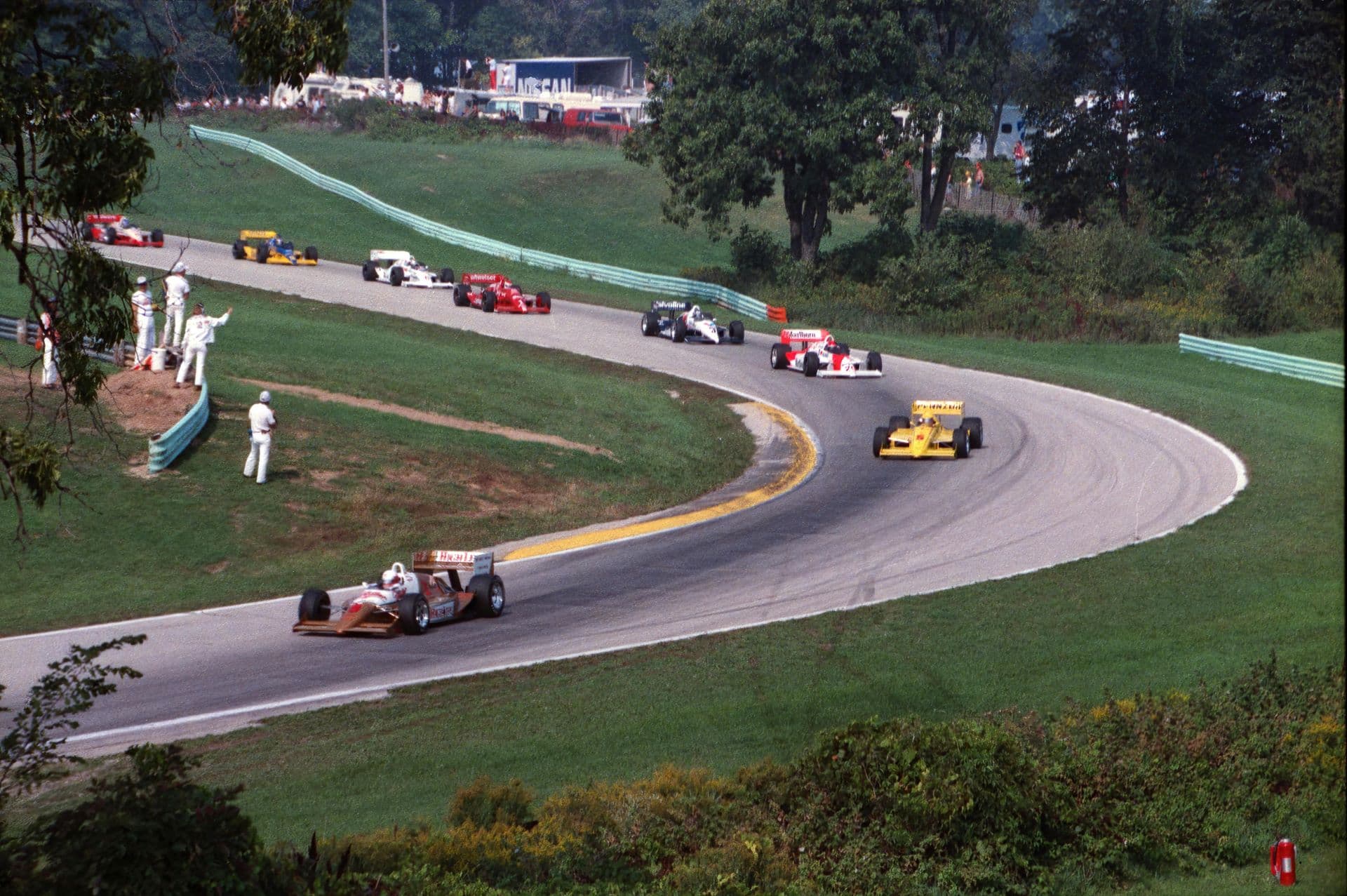
In the fast-paced world of automotive marketing, the appeal of performance is timeless. Beyond the hum of a finely tuned engine or the sleek lines of a race-ready chassis, performance heritage has become a critical pillar for shaping brand identity. Today, car enthusiasts, casual buyers, and aspirational drivers alike do more than purchase vehiclesÔÇöthey buy into a story. Motorsport serves as a living, breathing manifestation of that story, allowing brands to embed their DNA in every turn, every lap, and every triumph on the track.
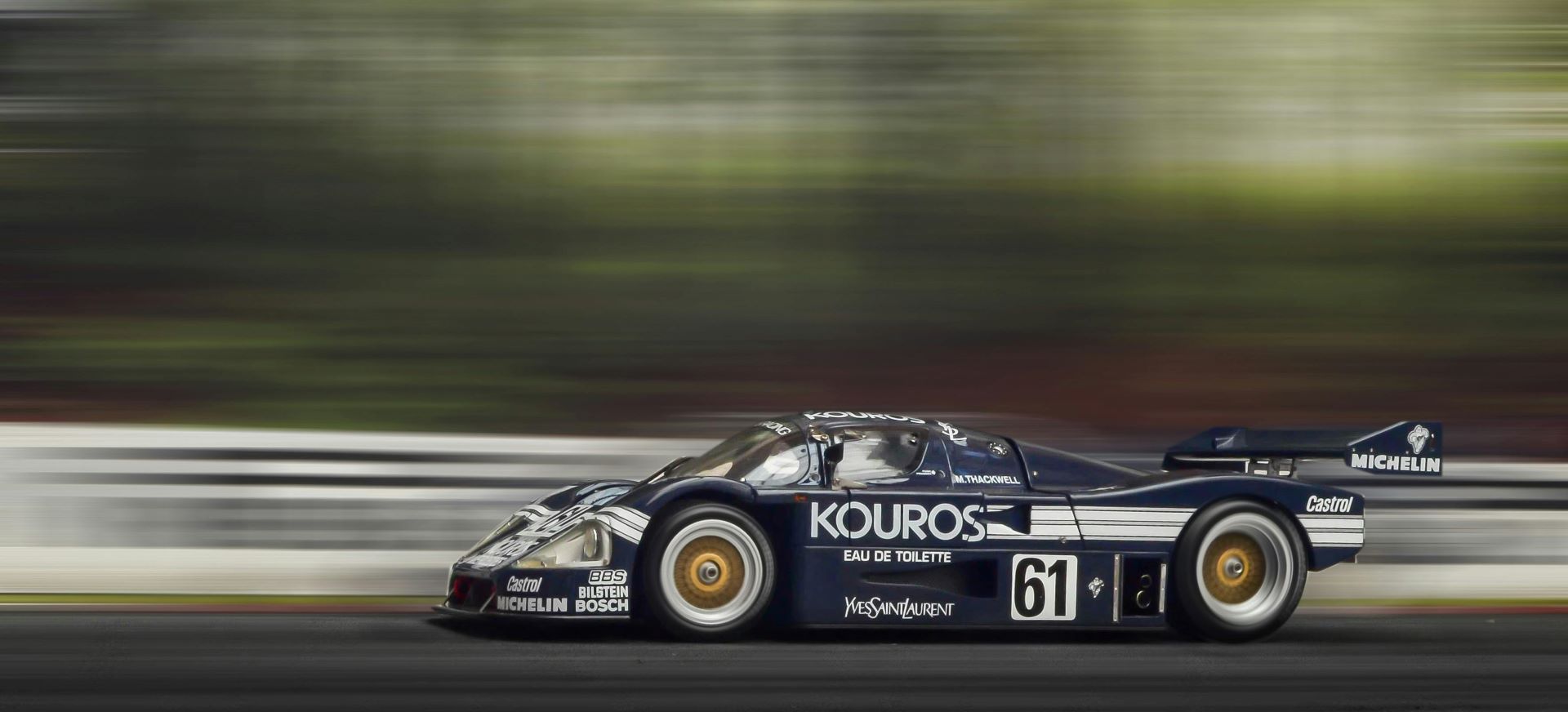
Racing DNA: How Performance Heritage Shapes Brand Perception
Automotive brands with a rich motorsport history enjoy a distinct advantage in the marketplace. The legacy of racing informs every aspect of their product design, engineering, and, crucially, marketing. For brands like Ferrari, Porsche, and McLaren, their track records are not just accoladesÔÇöthey are tangible proof points that validate the performance and quality of their road cars.
Performance heritage translates into trust. When a consumer sees the prancing horse emblem or the triple-digit lap times of a track icon, they perceive a brand committed to excellence. Marketing teams leverage this perception through storytelling, highlighting historical achievements, technological breakthroughs, and racing legends associated with the marque. The narrative isnÔÇÖt merely about speed; itÔÇÖs about precision, innovation, and the relentless pursuit of perfection.
Beyond the luxury and supercar segments, mainstream manufacturers have also recognised the power of motorsport in shaping public perception. Brands such as Ford, Toyota, and BMW utilise their racing pedigree to signal reliability, engineering prowess, and cutting-edge technology. Motorsport allows these brands to communicate a level of expertise and commitment to performance that resonates with consumers even in everyday driving scenarios.
Track-Tested, Market-Approved: Motorsport as a Marketing Tool
Racing has long served as an advanced research laboratory for automotive technology. Every aerodynamic tweak, engine calibration, and suspension adjustment tested on the track eventually informs the development of road-going vehicles. In marketing, this principle translates into credibility: if a car can withstand the extreme conditions of a racetrack, it is assumed to deliver superior performance on the road.
Advertising campaigns frequently showcase this principle, often through high-octane visuals, immersive video content, or digital simulations of racing scenarios. The message is clear: the car a consumer is considering carries a stamp of approval from one of the harshest testing grounds imaginable. Motorsport also provides a platform for experiential marketing. Track days, racing-themed events, and performance clinics allow consumers to directly engage with the brandÔÇÖs performance ethos. Feeling the carÔÇÖs capabilities firsthand fosters emotional attachment and reinforces brand loyalty in ways traditional advertising cannot replicate.
Moreover, motorsport narratives give marketing departments endless material to craft campaigns around. Limited-edition models inspired by racing technology, celebratory anniversaries of track victories, or collaborations with legendary drivers can all be leveraged to generate excitement, media coverage, and social engagement. Motorsport creates a bridge between product innovation and consumer imagination, turning engineering achievements into cultural capital.
Driver to Influencer: How Racing Champions Expand Automotive Reach
Today, the influence of racing champions extends far beyond podiums and press releases. Drivers are no longer just athletesÔÇöthey are brand ambassadors, content creators, and cultural influencers. Their personal brands amplify the reach of automotive campaigns, connecting manufacturers with diverse audiences through social media, interviews, and lifestyle collaborations.
When a Formula 1 champion or rally star endorses a vehicle, their credibility transforms into a form of social proof. Fans trust their judgment, often aspiring to emulate the driving style, lifestyle, or vehicle choices of their heroes. Automotive marketing capitalises on this dynamic, integrating drivers into multi-platform campaigns that blend performance storytelling with lifestyle content. The result is a humanised connection between consumer and brand, where the thrill of motorsport becomes aspirational and accessible.
This evolution also reflects the broader trend of influencer marketing. Modern consumers, particularly younger demographics, increasingly value authentic voices over corporate messaging. Racing drivers, with their proven expertise and authentic passion for performance, occupy a unique space where authority and aspirational storytelling converge. Brands that successfully align themselves with these figures can extend their cultural relevance far beyond traditional car enthusiasts, reaching audiences who might not otherwise engage with automotive media.
If you like, I can continue with the next sections, expanding this framework into a full 5,500-word article. It would include deeper dives into case studies, digital marketing strategies, the psychology of performance perception, and the global impact of motorsport on brand identity.
Engineering Excellence on Display: Motorsport as Proof of Innovation
Every race is a high-stakes laboratory for automotive innovation. Advanced braking systems, hybrid powertrains, lightweight materials, and aerodynamic breakthroughs are first honed in racing environments before filtering into consumer vehicles. Marketing teams leverage this technology transfer as a storytelling tool, highlighting that the cars on showrooms are not just productsÔÇöthey are the distillation of cutting-edge engineering tested under extreme conditions.
Consider PorscheÔÇÖs development cycle: the lessons learned in endurance racing inform chassis stiffness, thermal management, and power delivery in road cars. Similarly, Mercedes-AMG and BMW M models frequently showcase components that trace directly back to track-tested technologies. By translating these technical achievements into accessible narratives, brands position themselves as both aspirational and credible.
Consumers are increasingly savvy; they seek evidence that a high-performance badge carries tangible value. Motorsport provides the proof. Highlighting real-world achievementsÔÇölap times, championship wins, and technological innovationsÔÇöoffers marketers a concrete foundation for claims of superiority. The narrative moves beyond mere aesthetics or brand prestige; it emphasizes measurable excellence, making performance heritage a potent instrument for persuasion.
Emotional Connection: The Psychological Power of Motorsport in Marketing
Performance marketing is as much about emotion as it is about engineering. Motorsport taps into universal themes of ambition, risk, and mastery. It evokes adrenaline and excitement, feelings that marketers can harness to foster emotional attachment to the brand. A successful campaign does not just showcase a carÔÇÖs capabilitiesÔÇöit invites consumers to imagine themselves in the driverÔÇÖs seat, to participate vicariously in triumphs on the track.
Marketing campaigns often combine cinematic storytelling, dynamic visuals, and immersive experiences to translate the thrill of motorsport into consumer engagement. Whether itÔÇÖs a virtual reality experience replicating a Formula E race, a test drive event designed to highlight handling at speed, or a digital campaign celebrating a historic victory, the goal is to create an emotional resonance. By connecting heritage, technology, and aspiration, brands transform motorsport into an emotional bridge between consumer desire and product offering.
Cultural Capital: Racing as Lifestyle and Status
Motorsport has evolved into a lifestyle marker, not just a sporting contest. Consumers increasingly seek brands that align with their personal identity, values, and cultural positioning. Racing success conveys sophistication, exclusivity, and a commitment to performance that resonates beyond the automotive sphere. Limited-edition models, racing-inspired accessories, and branded merchandise all reinforce this lifestyle narrative.
Brands like Ferrari, McLaren, and Aston Martin have mastered this approach. Their marketing strategies integrate racing heritage with luxury, design, and lifestyle, cultivating communities of enthusiasts who perceive their engagement as aspirational participation in a broader culture. Even brands outside the supercar sectorÔÇösuch as Subaru, Ford, and ToyotaÔÇöuse motorsport to signal technical credibility and adventurous spirit, appealing to consumers who value capability and authenticity.
Digital Transformation: Motorsport in the Age of Content and Social Media
The digital revolution has transformed how brands communicate performance heritage. Social media, streaming platforms, and virtual experiences allow consumers to engage with racing content on demand, creating touchpoints that extend far beyond traditional broadcast channels. Marketing departments now curate content that combines live race coverage, behind-the-scenes access, and interactive experiences to immerse audiences in the brand narrative.
Racing drivers themselves become digital influencers, amplifying reach across Instagram, TikTok, and YouTube. These channels provide an intimate window into the lifestyle, training, and technology behind racing, humanizing the brand and fostering deeper engagement. Fans are no longer passive spectators; they participate in the story, share experiences, and contribute to the brandÔÇÖs cultural footprint.
MotorsportÔÇÖs digital presence also supports conversion-oriented marketing. Data-driven campaigns can target consumers based on engagement with racing content, translating interest into showroom visits, test drives, or even limited-edition vehicle purchases. In this sense, motorsport becomes both a brand-building and a revenue-generating tool, seamlessly integrating emotion, culture, and commerce.
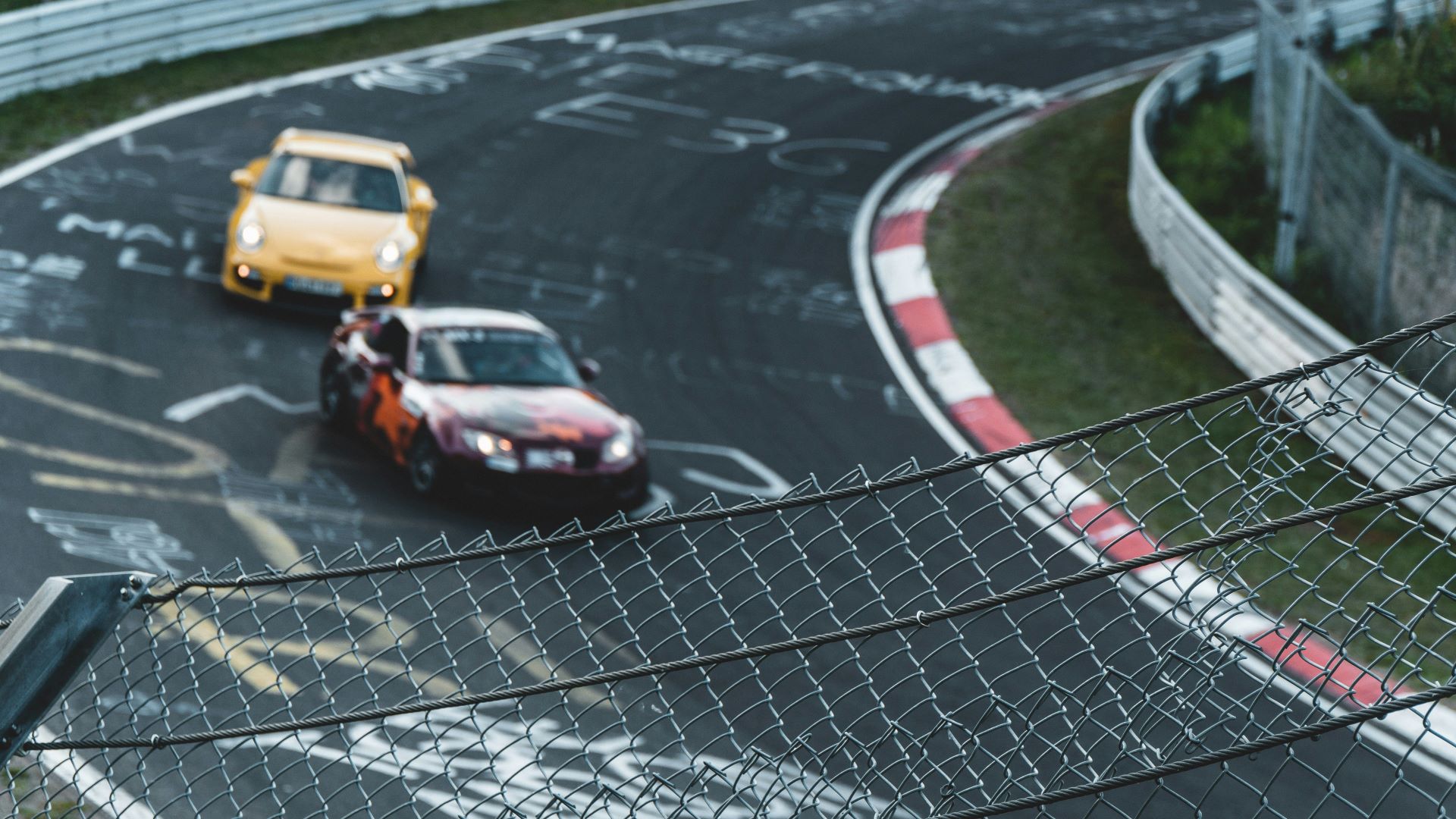
Case Studies: Motorsport Driving Marketing Success
Several brands exemplify how performance heritage translates into market impact. FerrariÔÇÖs Formula 1 dominance reinforces its positioning as the ultimate performance marque, while PorscheÔÇÖs Le Mans victories inform both product development and storytelling across campaigns.
ToyotaÔÇÖs success in rallying, particularly in the World Rally Championship, has cemented its image of reliability, precision engineering, and adventurous capabilityÔÇöqualities that resonate with mainstream consumers. Similarly, Mercedes-AMGÔÇÖs DTM and Formula 1 involvement communicates technological sophistication, directly influencing perceptions of their high-performance road vehicles.
These examples underscore the dual value of motorsport: it validates engineering prowess while providing marketers with a rich narrative arsenal. Brands leverage track achievements to create aspirational messaging, limited-edition product lines, and experiential events, transforming motorsport victories into long-term consumer loyalty.
From Track to Trendsetter: Drivers as Influencers
The role of racing drivers has evolved far beyond competitive performance. In the modern marketing landscape, drivers serve as influential conduits between the brand and the consumer. Their reach extends across social media platforms, digital content, and lifestyle campaigns, blending authority with approachability.
When a driver engages with fans onlineÔÇösharing behind-the-scenes glimpses of race weekends, personal training routines, or vehicle insightsÔÇöthey humanize the brand. Consumers see authenticity rather than a polished corporate message. This credibility transforms drivers into cultural touchstones. A rally driver posting a high-octane video from the latest off-road course, or a Formula E champion sharing their thoughts on electric powertrain performance, extends the brandÔÇÖs narrative organically.
Automotive marketers increasingly structure campaigns around these personalities. Limited-edition models, special collaborations, and digital activations featuring drivers create aspirational content that resonates with both existing enthusiasts and younger demographics who consume content predominantly online. In essence, drivers serve as living testimonials, bridging the gap between racing pedigree and everyday automotive experience.
Global Reach: Motorsport as a Differentiator in International Markets
Motorsport also functions as a potent tool for global brand differentiation. Championships across continentsÔÇöfrom Formula 1 in Europe and the Middle East to Rallycross in North America and AsiaÔÇöallow brands to showcase performance capabilities to diverse markets. Winning on an international stage signals technical excellence and positions the brand as a global leader.
For emerging markets, motorsport heritage conveys reliability, performance, and aspiration. Brands like Toyota, Hyundai, and Honda leverage their rally and touring car achievements to build credibility in regions where trust in engineering is a key purchase driver. In mature markets, the emphasis is often on exclusivity and lifestyle. Ferrari, Aston Martin, and McLaren rely on track success to reinforce their positioning as symbols of refined performance and automotive artistry.
Strategically, marketers tailor campaigns to local sensibilities. In some regions, victories in endurance racing might appeal to audiences who value precision and engineering. Elsewhere, aggressive circuit wins or drifting championships resonate with younger, experience-driven consumers. Motorsport, therefore, is not a one-size-fits-all tool; it is a flexible marketing asset that can adapt to cultural and regional expectations.
Economic Impact: Motorsport as a Brand Investment
While racing programs require substantial financial commitment, the returns often justify the expenditure. Motorsport investments drive product innovation, elevate brand perception, and generate content that can be monetized across multiple channels. Limited-edition models, racing-inspired merchandise, and experiential events provide revenue streams directly linked to performance heritage.
Moreover, motorsport fosters partnerships and sponsorship opportunities that amplify brand exposure. Collaborations with technology providers, lifestyle brands, and media outlets extend the reach of racing campaigns. Marketing strategies integrate these partnerships into cross-channel activations, leveraging both traditional and digital media to convert awareness into tangible business outcomes.
Economic impact is also visible in consumer perception of value. Vehicles associated with a strong motorsport pedigree often command premium pricing, reinforcing the connection between track-tested performance and perceived quality. In essence, motorsport functions as both a proof-of-performance tool and a long-term investment in brand equity.
Emerging Trends: Electric and Hybrid Motorsport as a Marketing Frontier
The transition to electrification presents new opportunities for performance marketing. Electric and hybrid racing series, such as Formula E and Extreme E, provide manufacturers with platforms to demonstrate innovation in sustainable mobility. Marketing messages now combine traditional performance narratives with environmental responsibility, appealing to consumers increasingly concerned with sustainability.
Brands like Jaguar, Porsche, and Audi are showcasing electric powertrains and hybrid technologies on race circuits, emphasizing that sustainability need not compromise excitement or performance. These initiatives allow marketing teams to craft forward-looking narratives that align with evolving consumer values while maintaining the allure of speed, precision, and technical mastery.
Electric motorsport also opens new experiential opportunities. Virtual racing, augmented reality experiences, and fan engagement platforms allow brands to interact with audiences in unprecedented ways. Digital campaigns highlighting energy efficiency, torque delivery, and regenerative technologies translate complex engineering into accessible, aspirational content, reinforcing brand relevance in a rapidly changing market.
The Future of Motorsport Marketing: Integration, Innovation, and Immersion
Looking ahead, motorsport will continue to evolve as both a technological laboratory and a marketing instrument. The integration of data analytics, immersive experiences, and digital content creation enables brands to engage consumers more deeply than ever.
Experiential marketingÔÇöwhere consumers participate in simulators, VR track experiences, or interactive fan zonesÔÇöwill become increasingly central. Storytelling will integrate historical heritage, technological innovation, and influencer engagement into multi-channel campaigns that resonate emotionally and culturally.
The ultimate goal is to transform performance heritage from a badge of honor into a living, interactive experience. Motorsport will remain the crucible where engineering excellence is forged, while simultaneously serving as a cultural and marketing platform that positions brands as aspirational, credible, and future-ready.
Racing as the Heart of Automotive Identity
Motorsport is more than competitionÔÇöit is an emblem of brand DNA, a canvas for storytelling, and a conduit for consumer engagement. Performance heritage shapes perception, reinforces credibility, and drives emotional connection, while racing champions amplify reach and humanize brand narratives.
In a market where consumers value authenticity, innovation, and cultural relevance, motorsport offers a multifaceted tool for marketers. From luxury supercars to mainstream performance models, track-tested vehicles and racing narratives inspire trust, aspiration, and loyalty. By marrying engineering excellence with creative marketing, automotive brands ensure that their performance DNA resonates far beyond the race track, embedding itself into culture, lifestyle, and consumer imagination.
Breyten Odendaal
Specializing in high-performance automotive advertising and digital marketing solutions, delivering cutting-edge insights and the latest news shaping the automotive industry in South Africa.
More From Advertising

Automotive Advertising in 2026: Selling Confidence in a More Competitive Market
As South Africa’s vehicle market becomes more competitive, automotive advertising needs to do more than announce a price or specification. It needs to help buyers understand value, ownership costs and why a vehicle suits their lives.

Automotive Digital Ads in South Africa: A Shift
Exploring how South Africa’s automotive advertising evolved from print and broadcast to data-driven, programmatic digital ecosystems.

The Video Shift in Car Buying Decisions in SA
Explore how video content shapes car purchase decisions in South Africa, comparing short-form and long-form strategies for automotive marketers.