
The Power of Motorsport Heritage in Automotive Marketing
In the ever-evolving world of automotive marketing, brands are constantly looking for ways to differentiate themselves beyond product specifications and price points. In a market saturated with sleek designs, cutting-edge technology, and increasingly similar performance metrics, one element consistently resonates with consumers: heritage. Specifically, motorsport heritage. Motorsport is more than a testing ground for engineering; it is a storytelling platform, a canvas for human drama, and a crucible where performance and reliability are proven in the most extreme conditions. Translating this heritage into consumer trust has become an increasingly strategic tool for automotive brands seeking to connect with both enthusiasts and the broader market.
Brands have long recognised the power of motorsport to evoke emotion. From the roar of V12 engines in classic endurance races to the precision of Formula One pit stops, these moments transcend the technical realm and enter the collective consciousness of fans worldwide. When an automotive brand aligns itself with these moments, it borrows not just the thrill of speed, but the underlying values that motorsport represents: precision, resilience, innovation, and excellence. These are qualities consumers unconsciously transfer to the vehicles they consider for purchase. A car that ÔÇ£races in its DNAÔÇØ isnÔÇÖt merely a taglineÔÇöit becomes a symbol of engineering credibility and emotional connection.
The ambassadorial role of motorsport legends is particularly potent in this context. Legendary drivers, engineers, and team principals bring with them a personal narrative of success, perseverance, and technical insight. These figures are not merely spokespeople; they embody the very ethos that consumers hope to experience through ownership. Consider, for example, a Formula One world champion partnering with a high-performance road car brand. Their personal credibilityÔÇöestablished over years of victories and near-missesÔÇöserves as a trust amplifier for the products they endorse. Every anecdote from the track, every strategic decision shared in interviews, every gesture in brand campaigns reinforces the message that the vehicles are tested, proven, and approved by the very individuals who define automotive excellence.
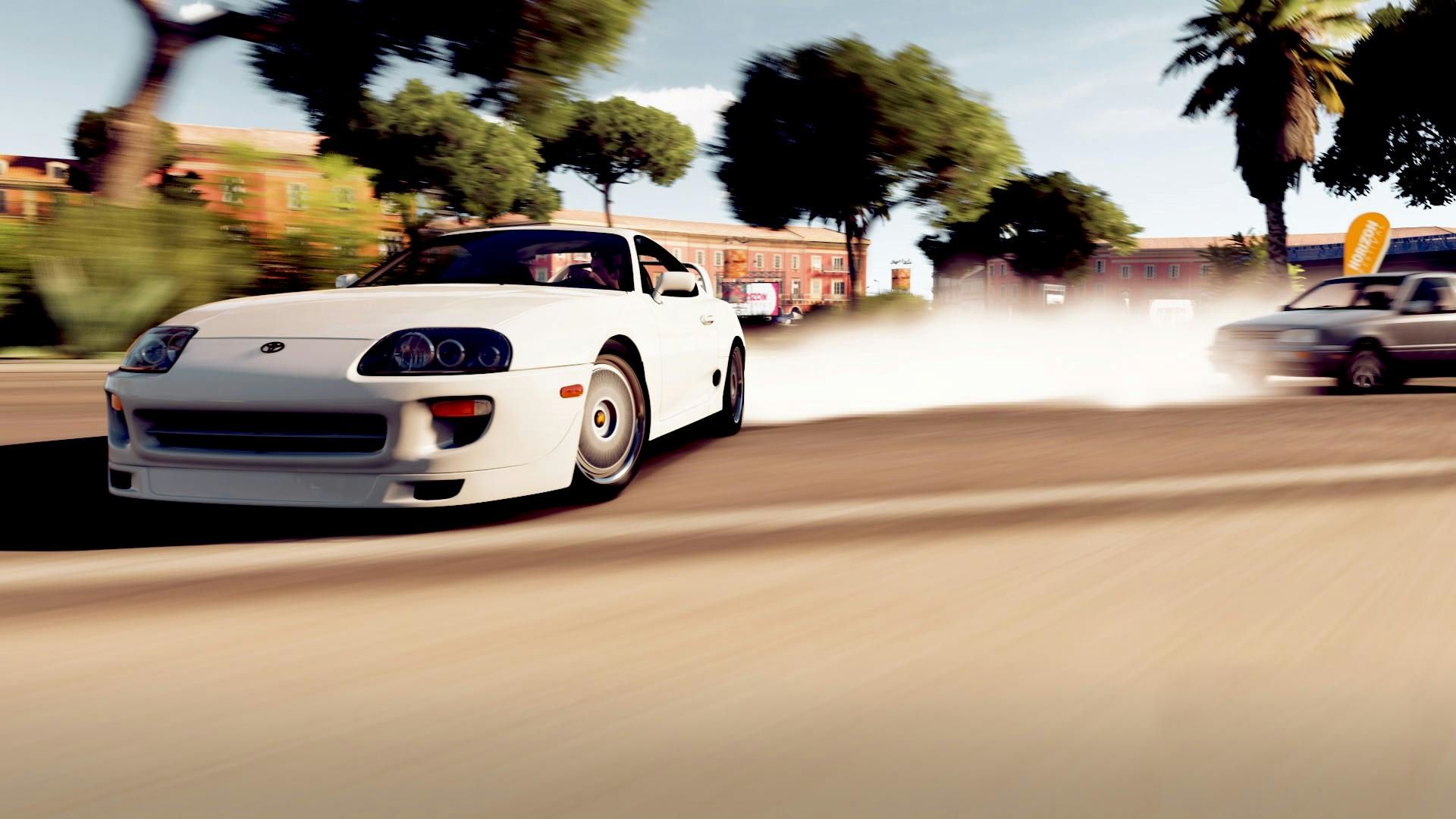
Beyond emotional resonance, motorsport heritage also allows brands to navigate a nuanced form of authenticity that traditional advertising struggles to achieve. Modern consumers are increasingly savvy; they can detect overinflated claims and superficial brand storytelling. Motorsport, however, operates in the public eye under conditions that are difficult to manipulate. Lap times, race results, and engineering feats are recorded, scrutinized, and celebrated in real time. A brand that demonstrates its technological capabilities on the track is offering a verifiable proof of performance that transcends marketing hyperbole. When a consumer knows that the technology in their vehicle was refined through years of racing, the intangible becomes tangible: the promise of reliability, efficiency, and innovation is validated by concrete, observable outcomes.
Moreover, the cultural significance of motorsport cannot be understated. Racing events often attract global audiences, creating an international stage for brands to assert their identity. From Le Mans to the Monte Carlo Rally, these competitions are not merely sporting eventsÔÇöthey are social and cultural touchpoints where legacy, national pride, and technological prowess intersect. By leveraging these platforms and the legends associated with them, brands gain access to stories that resonate across demographics and geographies. Motorsport legends, as ambassadors, act as cultural interpreters, bridging the gap between the high-octane, technical world of racing and the everyday aspirations of consumers. Their presence reassures potential buyers that the brandÔÇÖs promises extend beyond glossy brochures and advertisements into real-world performance.
However, the translation from track to consumer experience is not automatic; it requires careful narrative framing. The brand must craft a story that seamlessly integrates the legacy of the legend with the modern consumer product. This often involves a multi-layered content strategy, combining long-form storytelling with dynamic visual assets. Campaigns may feature behind-the-scenes glimpses into racing preparation, technical demonstrations of automotive innovations, and personal reflections from the legend on what drives their passion. When executed correctly, this content serves a dual purpose: it entertains and informs, while subtly reinforcing the core message that the brand is trustworthy, capable, and aligned with excellence.
Consider also the psychological impact of associating with motorsport legends. Consumers often project aspirational qualities onto figures of success, imagining themselves in moments of mastery, courage, and decisiveness. When these legends are connected to a brand, the association extends to the products themselves. The car becomes more than a mode of transportation; it is a vessel for ambition, a tangible manifestation of skill and performance. Marketing campaigns that leverage this phenomenon often see increased engagement, as potential buyers are not merely evaluating a carÔÇöthey are engaging in a narrative where they imagine themselves achieving feats of precision, control, and style reminiscent of the track.
Importantly, motorsport ambassadors also serve to educate and demystify. Modern vehicles are complex machines, often incorporating hybrid technology, advanced driver assistance systems, and lightweight composite materials that trace their lineage to racing. Consumers are frequently unaware of how these technologies enhance everyday driving. By translating the insights and experiences of a motorsport legend into accessible narratives, brands bridge the knowledge gap. This educational aspect further builds trust, as buyers feel informed, respected, and connected to the very expertise that defines the brandÔÇÖs racing pedigree.
Ultimately, the strategic integration of motorsport legends into marketing efforts goes beyond superficial endorsement. It is about embedding a legacy of excellence into the consumer experience. By carefully curating narratives that highlight track achievements, technical expertise, and personal journeys, brands translate the intensity and credibility of motorsport into tangible consumer trust. This trust is invaluable; it is a currency that influences not just purchase decisions but long-term brand loyalty. In a marketplace where differentiation is increasingly difficult, the authentic alignment of automotive products with the storied legacies of motorsport legends remains one of the most potent tools in a marketerÔÇÖs arsenal.
From Track to Touchpoint ÔÇô Operationalizing Motorsport Legends
Translating the aura of motorsport legends into actionable consumer engagement requires more than ad placements and press releases; it demands a holistic approach that threads heritage through every touchpoint of the brand experience. For automotive marketers, the challenge lies in maintaining authenticity while ensuring that the excitement of racing translates into meaningful, measurable interactions with consumers. Legends are not simply mascotsÔÇöthey are strategic assets, and their integration must be carefully orchestrated to reinforce credibility, inspire aspiration, and drive engagement.
One of the most effective avenues for operationalizing these ambassadors is experiential marketing. High-impact events allow consumers to interact with the brand in a setting that echoes the intensity and precision of motorsport. Imagine a limited-series launch event staged at a former racing circuit, where the legend walks attendees through vehicle demonstrations, shares personal anecdotes, and even participates in live driving exhibitions. Such experiences elevate perception: the audience is no longer a passive recipient of advertising messages but an active participant in a narrative that seamlessly connects the racetrack to the showroom floor. The legendÔÇÖs presence amplifies the story, lending authenticity that mere performance statistics or promotional materials cannot convey.
Digital engagement is another critical frontier. In an era where attention is fragmented across platforms, motorsport legends offer a bridge between technical sophistication and human connection. Social media content, including behind-the-scenes footage, interactive Q&A sessions, and short-form videos highlighting performance innovations, allows consumers to access the legendÔÇÖs expertise in digestible, shareable formats. Brands that craft campaigns around these narratives can create a sense of intimacy; fans feel like they are being personally guided by someone who embodies the pinnacle of automotive skill. The result is increased engagement, brand affinity, and an elevated perception of technological authority.
Dealer networks play a pivotal role in translating this heritage into everyday consumer experiences. Showrooms can feature curated displays, showcasing the legendÔÇÖs racing achievements alongside the relevant vehicle models. Interactive kiosks can allow prospective buyers to explore how track-tested technologiesÔÇösuspension tuning, braking systems, lightweight materialsÔÇöenhance the performance and safety of road vehicles. Sales staff, trained to share these narratives, become storytellers themselves, reinforcing the legitimacy of the brandÔÇÖs claims. In this way, every touchpointÔÇöfrom initial awareness to post-purchase supportÔÇöbecomes a conduit for the legendÔÇÖs credibility and the brandÔÇÖs heritage.
Marketing partnerships also extend the reach and impact of motorsport ambassadors. Collaborations with lifestyle brands, high-performance accessory makers, or technology companies can integrate the legendÔÇÖs presence in contexts beyond traditional automotive campaigns. Limited-edition merchandise, co-branded experiences, and collaborative content production all serve to embed the legend within a broader cultural framework. By intersecting with consumersÔÇÖ hobbies, interests, and lifestyle aspirations, brands create multi-dimensional narratives that position themselves not just as car makers but as curators of an elevated automotive culture.
Moreover, the ambassadorÔÇÖs narrative can inform and elevate technical storytelling. Modern consumers are increasingly curious about the engineering prowess behind their vehicles. Legends offer a credible voice to communicate complex concepts such as aerodynamics, hybrid powertrain efficiency, and advanced safety systems. For instance, a former endurance racer can explain the nuances of energy management in hybrid systems, translating abstract numbers into tangible benefits for everyday driving. These narratives bridge the gap between marketing and education, ensuring that promotional messages are not only compelling but also informative, enhancing trust and perceived value.
Importantly, timing and context are critical. Motorsport campaigns should align with both racing calendars and broader market cycles to maximize impact. For example, launching a high-performance vehicle in tandem with a major championship, where the legend has a visible presence, creates a sense of immediacy and relevance. Conversely, off-season engagementsÔÇösuch as technical workshops, fan meet-and-greets, or digital storytelling campaignsÔÇömaintain momentum, ensuring that the brand remains top-of-mind even when the roar of engines falls silent. Consistency and strategic alignment reinforce the narrative that the legendÔÇÖs endorsement is not temporary but embedded within the brandÔÇÖs DNA.
Finally, measurement and iteration are key. Engagement metrics, social sentiment analysis, and conversion data provide actionable insights into which aspects of the ambassadorial strategy resonate most with audiences. Brands can refine messaging, adjust content formats, and optimize touchpoints to ensure that the integration of motorsport legends is not a one-off spectacle but a sustained, impactful element of brand strategy. This data-driven approach ensures that authenticity is preserved while marketing efficacy is maximized, ultimately converting admiration for the legend into tangible consumer trust and brand loyalty.
In essence, operationalizing motorsport heritage requires a multi-layered strategy that seamlessly integrates the legend into the consumer journey. From high-octane experiential events to carefully crafted digital narratives, from dealer education programs to lifestyle collaborations, every touchpoint becomes an opportunity to reinforce the brandÔÇÖs credibility and performance credentials. When executed thoughtfully, the legend serves as a living embodiment of the brandÔÇÖs values, ensuring that consumers experience not only the thrill of speed but also the confidence that comes from trusting a brand forged in the crucible of motorsport.
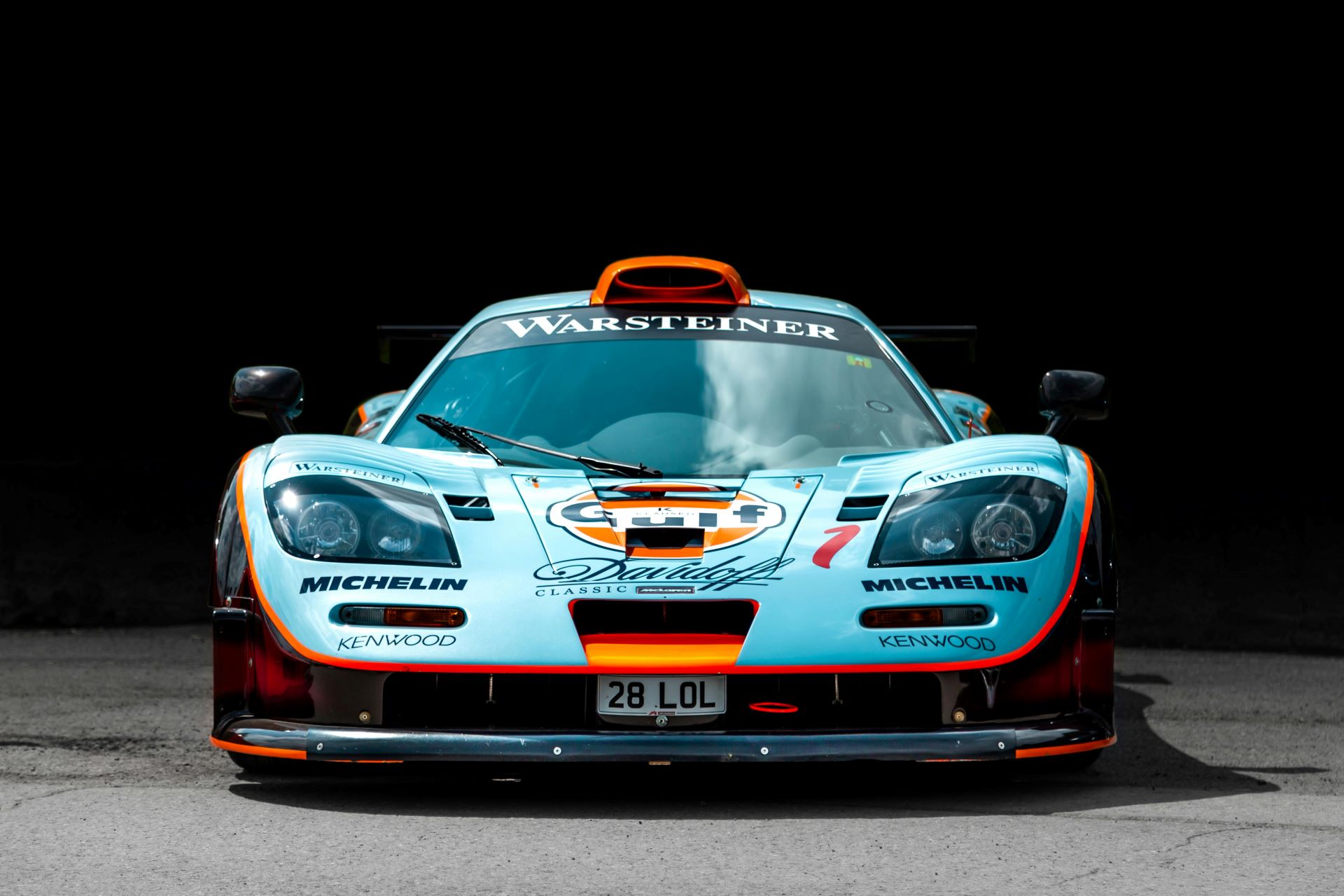
The Psychology of Trust ÔÇô How Legends Influence Consumer Perception
At the heart of automotive marketing lies a fundamental challenge: convincing consumers that a vehicle is not only desirable but dependable. While technical specifications, safety ratings, and price points provide logical justification, true consumer loyalty is forged in the emotional realm. Motorsport legends are uniquely positioned to bridge this gap, translating the credibility earned on the track into a profound sense of trust in the brand and its vehicles.
The concept of trust transfer lies at the core of this strategy. When a legendary driver or engineer endorses a vehicle, consumers subconsciously associate the qualities of the ambassadorÔÇöexpertise, precision, resilienceÔÇöwith the brand itself. This psychological mechanism leverages the human tendency to generalize attributes from a known and respected figure onto affiliated objects. A driver who has mastered hairpin turns at Le Mans or navigated the unpredictable terrain of a rally stage embodies control, skill, and judgment under pressure. When that same individual publicly supports a road car, these attributes are perceived as inherent to the vehicle itself. Consumers do not simply buy a product; they invest in the implicit promise that it embodies the same high standards demonstrated on the track.
Narrative is a powerful conduit for this transfer of trust. Legends are storytellers as much as they are athletes or engineers. Their first-hand accounts of triumph, failure, and meticulous preparation provide a rich tapestry through which brands can communicate performance, reliability, and innovation. Consider the impact of a campaign where a legend recalls the split-second decision-making required in a championship-deciding race, then draws a parallel to the advanced driver-assistance systems in the brandÔÇÖs latest vehicle. This narrative contextualizes technology in human terms, rendering it not only understandable but emotionally compelling. Consumers gain a sense of reassurance, feeling guided by the wisdom of a proven expert rather than by marketing hyperbole alone.
Emotion also plays a central role in amplifying perception. Motorsport is inherently dramatic, filled with suspense, risk, and moments of extraordinary skill. When these narratives are linked to consumer vehicles, they evoke excitement, admiration, and aspiration. Buyers are not merely choosing a car; they are participating vicariously in the glory of racing, imagining themselves behind the wheel with the precision and confidence of the legend. This aspirational alignment deepens emotional attachment, transforming a transactional relationship into one that is personal and enduring. The car becomes more than metal and engineeringÔÇöit becomes a symbol of mastery, freedom, and accomplishment.
Cognitive biases further reinforce the impact of motorsport ambassadors. Authority bias, for instance, leads consumers to place disproportionate trust in recommendations from figures perceived as experts. Legends, by virtue of their accomplishments and reputations, inherently command authority in matters of automotive performance. Likewise, social proof operates in tandem: the public celebration of a legendÔÇÖs association with a brand signals approval to the wider audience, encouraging individuals to align their perceptions accordingly. These psychological effects are magnified when legendsÔÇÖ endorsements are visible across multiple platforms, from social media and press interviews to experiential events and dealership interactions. Consistent exposure strengthens the association, embedding it into consumer consciousness.
However, authenticity remains a non-negotiable element. Savvy consumers are quick to detect endorsements that feel forced or incongruent with the ambassadorÔÇÖs history. A rally driver known for extreme off-road expertise endorsing a city-focused compact car may generate skepticism unless the narrative is carefully framed to explain the connection. Effective campaigns ensure alignment between the legendÔÇÖs experience, the productÔÇÖs capabilities, and the story being told. The goal is not to manufacture credibility but to illuminate existing expertise in a way that resonates with the intended audience.
Another dimension of trust comes from transparency and education. Legends can demystify complex vehicle technologies, offering insights that are accessible to everyday drivers. When a former endurance racer explains the engineering logic behind lightweight chassis construction or energy recovery systems, consumers gain confidence not only in the product but in their understanding of it. This knowledge-based trust is especially relevant in a market increasingly populated by hybrid and electric vehicles, where unfamiliar technologies may provoke hesitation. By positioning the legend as both expert and educator, brands empower buyers to feel informed and secure in their decisions.
Finally, the longevity of trust is a critical consideration. One-off campaigns may spark temporary interest, but sustained engagement with motorsport ambassadors ensures that credibility is embedded over time. This involves multi-channel storytelling, periodic updates on the ambassadorÔÇÖs activities, and consistent reinforcement of the brandÔÇÖs racing pedigree. Over months and years, consumers internalize the association between the legend and the brand, creating an enduring perception of reliability, performance, and prestige. In essence, trust becomes less transactional and more relational, anchored in the narrative continuity provided by the ambassadorial connection.
In conclusion, motorsport legends wield a unique psychological influence on consumer perception. Through trust transfer, narrative engagement, emotional resonance, cognitive bias, and educational transparency, they enable brands to convert admiration for the track into confidence in the showroom. The result is a sophisticated, multi-layered strategy where marketing, psychology, and heritage converge, turning the thrill of motorsport into tangible consumer trust that underpins long-term brand loyalty.
The theoretical value of motorsport legends is compelling, but real-world examples demonstrate the transformative impact these ambassadors can have on automotive marketing. Across multiple segmentsÔÇöfrom luxury performance vehicles to mainstream consumer carsÔÇöbrands have harnessed the credibility, narrative power, and cultural cachet of racing icons to elevate perception, boost engagement, and drive sales. Examining these case studies reveals the tactical sophistication required to translate track heritage into measurable market success.
One of the most iconic examples comes from the partnership between Porsche and its racing alumni. Legends such as Walter R├Âhrl and Mark Webber have been leveraged not simply as spokespeople, but as living embodiments of the brandÔÇÖs performance DNA. Campaigns often feature these ambassadors demonstrating vehicles on racetracks, discussing engineering decisions, or reflecting on historic racing victories. For Porsche, this approach accomplishes multiple objectives simultaneously: it reinforces technical credibility, provides a compelling narrative of human skill and innovation, and creates aspirational content for potential buyers. As a result, the brand has consistently maintained a perception of high-performance excellence, with customer engagement and loyalty metrics showing measurable uplift following ambassador-led campaigns.
Ferrari provides another instructive case. The Scuderia Ferrari Formula One team operates as a cornerstone of the brandÔÇÖs global marketing strategy. Legendary drivers such as Michael Schumacher, Kimi R├ñikk├Ânen, and Fernando Alonso have not only competed at the pinnacle of motorsport but have also been integrated into promotional initiatives, collector engagement, and limited-edition vehicle programs. FerrariÔÇÖs campaigns do not merely spotlight speed or lap times; they highlight the driverÔÇÖs mastery, the teamÔÇÖs engineering precision, and the heritage that defines the brand. Consumers are drawn into a narrative ecosystem where performance, prestige, and personal achievement converge, reinforcing the perception that Ferrari vehicles are a continuation of racing excellence on the road.
Mainstream brands have also found innovative ways to leverage motorsport legends. ToyotaÔÇÖs engagement with rally champions illustrates how alignment with off-road expertise can strengthen credibility for SUVs and pickup trucks. Ambassadors participate in digital content campaigns showcasing vehicle durability, precision handling, and innovative safety features under extreme conditions. By positioning the vehicles alongside the legendÔÇÖs achievements, Toyota signals that its engineering is proven in the most demanding environments. The impact is quantifiable: market studies indicate that potential buyers perceive these vehicles as more reliable, capable, and technologically advanced, directly influencing purchase intent and consumer trust.
The British luxury car segment offers yet another model. Aston MartinÔÇÖs collaborations with former Le Mans drivers and endurance racing specialists have extended beyond endorsement to include product development insights. Legends provide technical feedback, participate in experiential driving events, and feature prominently in storytelling campaigns. This integration creates a layered authenticity: consumers do not merely see a famous driver promoting a carÔÇöthey witness the tangible influence of racing expertise on vehicle performance, craftsmanship, and innovation. Aston Martin leverages this approach to reinforce its position as a brand where heritage, precision, and aspiration intersect, translating into premium market positioning and sustained brand loyalty.
Emerging electric vehicle (EV) brands have also embraced motorsport credibility to accelerate market adoption. Polestar, for example, has tapped into former touring car and Formula E drivers to showcase the performance capabilities of its electric models. These ambassadors provide dynamic demonstrations of acceleration, handling, and energy efficiency, conveying that electric vehicles are not a compromise in performance but an evolution of it. By associating with legends who possess real-world competitive experience, EV brands counteract skepticism, educate consumers, and accelerate trust-building in a rapidly evolving segment. The marketing payoff extends beyond perception: social media engagement spikes, test drive inquiries increase, and brand narrative authority is strengthened among tech-savvy and performance-oriented buyers alike.
Beyond high-profile campaigns, subtle integration of motorsport heritage can also produce compelling results. Alfa RomeoÔÇÖs historical use of racing legends in limited-edition model branding and heritage storytelling demonstrates that even minimal but strategically placed ambassadorial influence can resonate deeply with enthusiasts. By connecting past victories, celebrated drivers, and modern vehicle design, Alfa Romeo creates a continuous narrative that positions its cars as inheritors of a proven racing legacy. This approach reinforces brand identity, strengthens emotional attachment, and often converts historical admiration into contemporary consumer engagement.
In all of these cases, certain common principles emerge. First, alignment is essential: the legendÔÇÖs expertise must resonate with the productÔÇÖs characteristics and the brandÔÇÖs identity. Second, multi-channel integration enhances impact, combining digital storytelling, experiential marketing, dealership touchpoints, and media coverage. Third, authenticity must be preserved; campaigns that feel contrived or inconsistent risk undermining credibility rather than building it. Finally, data-informed refinement ensures that campaigns are not only compelling but effective, with engagement metrics, conversion rates, and consumer sentiment guiding iteration and optimization.
These case studies collectively underscore a crucial truth: motorsport legends are not mere embellishmentsÔÇöthey are strategic accelerants for trust, engagement, and market performance. Their presence lends immediate credibility, amplifies narrative impact, and creates a bridge between the aspirational world of racing and the tangible experience of ownership. When executed thoughtfully, brands achieve a dual victory: they honor their heritage while translating it into contemporary consumer value, proving that the legacy of the track can indeed drive results in the marketplace.
The Future of Motorsport Ambassadorship ÔÇô Sustaining Trust in an Evolving Landscape
As the automotive industry accelerates into an era defined by electrification, autonomous driving, and hyper-connected mobility, the role of motorsport legends as brand ambassadors is evolving in tandem. While traditional high-octane racing will always retain its allure, the modern consumer landscape demands that brands adapt their heritage strategies to new technologies, platforms, and audience expectations. In this context, legends offer a versatile toolÔÇönot only as symbols of performance and trust but also as bridges to a future where automotive excellence is increasingly defined by innovation, sustainability, and digital experience.
The rise of electric and hybrid vehicles presents a unique opportunity to redefine performance narratives. Historically, motorsportÔÇÖs value proposition has been rooted in speed, mechanical mastery, and driver skill. Today, however, the metrics of performance are broadening. Energy efficiency, battery longevity, regenerative braking, and intelligent drivetrain management are now critical differentiators. Motorsport legends who have competed in Formula E, endurance EV races, or hybrid prototypes carry first-hand credibility in these arenas. Their insights provide an authentic voice to communicate complex technical benefits to consumers who might otherwise perceive electric or hybrid vehicles as less exhilarating. By positioning these ambassadors as pioneers of modern performance, brands can maintain excitement while instilling trust in the next generation of mobility solutions.
Digital transformation further amplifies the possibilities for leveraging legends. Virtual reality showrooms, augmented reality vehicle demonstrations, and interactive online content allow consumers to engage with both the ambassador and the product in immersive ways. Imagine a legendary driver guiding a potential buyer through a VR test drive, explaining how torque vectoring or advanced suspension systems enhance handling in real time. These experiences elevate perception by transforming abstract engineering concepts into visceral, memorable encounters. Furthermore, social media and streaming platforms enable direct, unfiltered access to legends, fostering intimacy and relatability while broadening reach to younger, digitally native audiences.
Sustainability and environmental consciousness are also reshaping the ambassadorial landscape. Consumers increasingly expect brands to align with responsible practices, from materials sourcing to lifecycle emissions. Motorsport legends who champion these principlesÔÇöor who have pioneered sustainable racing technologiesÔÇöserve as powerful conduits for credibility. Their endorsement signals that the brandÔÇÖs commitment to performance does not come at the expense of environmental stewardship. This alignment between legacy, innovation, and responsibility resonates with consumers who seek authenticity in both brand narrative and values.
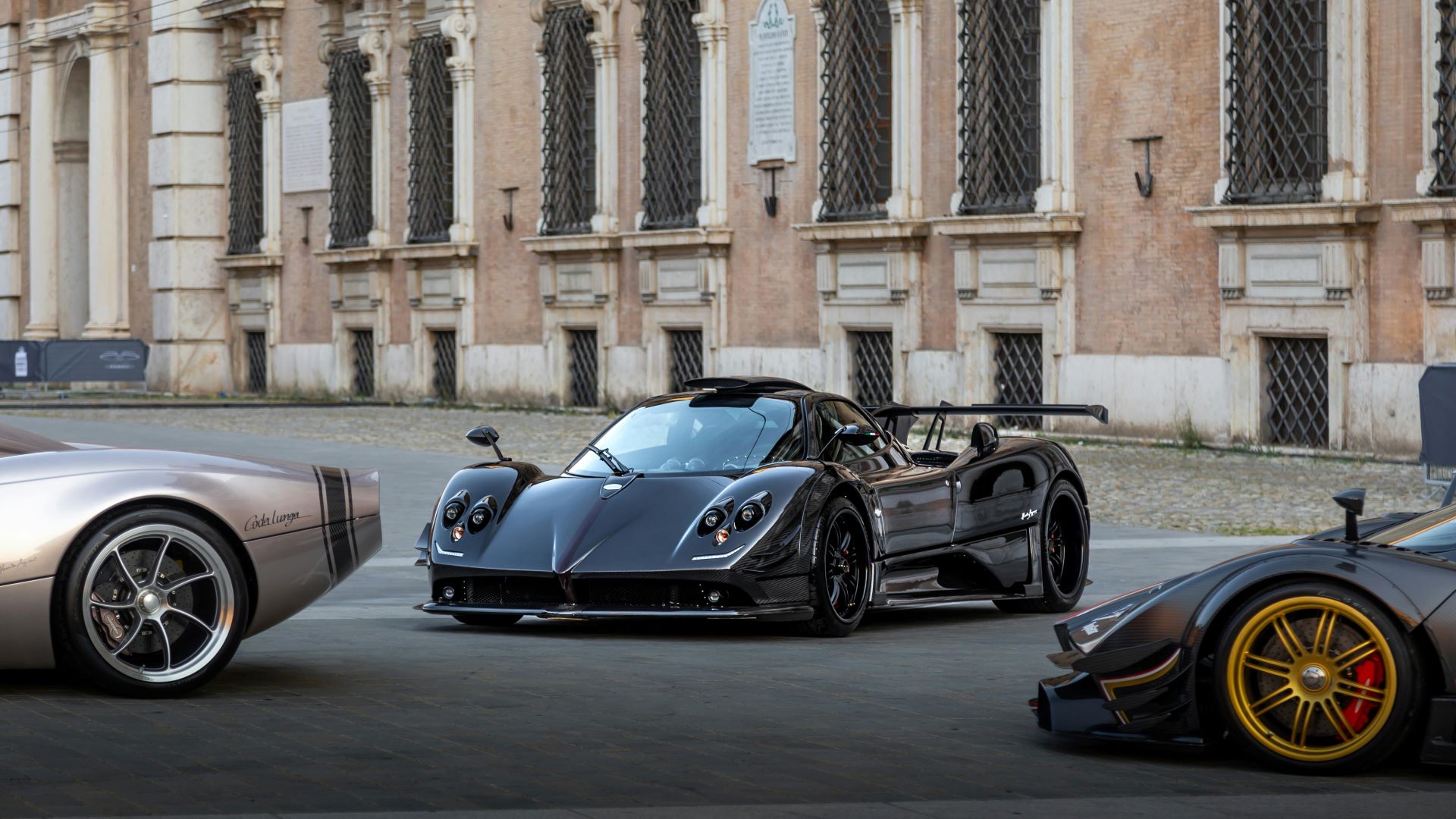
Moreover, the concept of multi-generational storytelling is gaining traction. Brands are beginning to employ legends not only to connect with current buyers but also to inspire the next wave of enthusiasts. Programs featuring mentorship, youth engagement, and educational content allow racing icons to share expertise in ways that cultivate long-term brand loyalty. Consumers exposed to these narratives early form emotional bonds with the brand, anchored in the excitement of motorsport and reinforced by the credibility of the ambassador. This approach ensures that heritage remains relevant, dynamic, and forward-looking rather than static or nostalgic.
The convergence of analytics and ambassadorial strategy is another frontier for innovation. By tracking consumer engagement, sentiment, and conversion across multiple channels, brands can refine how and where legends are deployed to maximize impact. Data-driven insights can inform everything from content creation and event planning to digital storytelling and dealership activations. This ensures that the integration of a motorsport legend is not just inspirational but also strategically precise, delivering measurable returns in brand equity, trust, and sales performance.
Finally, authenticity must remain the guiding principle as the role of motorsport ambassadors evolves. Modern consumers are discerning; any misalignment between the legendÔÇÖs experience and the productÔÇÖs promise can undermine credibility. Successful brands maintain coherence between heritage and innovation, ensuring that the ambassadorÔÇÖs presence reinforces, rather than distracts from, the product narrative. This involves careful selection, narrative framing, and continuous collaboration with the legend to authentically communicate expertise, vision, and brand values.
In summary, the future of motorsport ambassadorship lies in adaptive, multi-dimensional strategies that blend heritage, innovation, and consumer engagement. Legends provide a bridge between the proven excellence of the past and the technological promise of the future. By leveraging their credibility across emerging platforms, aligning with sustainability, educating and inspiring consumers, and integrating data-driven precision, brands can sustain trust in an increasingly complex market. The legacy of the track, when thoughtfully harnessed, continues to be one of the most powerful tools in automotive marketingÔÇötranslating the thrill, expertise, and integrity of motorsport into enduring consumer confidence and brand loyalty.
Breyten Odendaal
Specializing in high-performance automotive advertising and digital marketing solutions, delivering cutting-edge insights and the latest news shaping the automotive industry in South Africa.
More From Advertising

Automotive Advertising in 2026: Selling Confidence in a More Competitive Market
As South Africa’s vehicle market becomes more competitive, automotive advertising needs to do more than announce a price or specification. It needs to help buyers understand value, ownership costs and why a vehicle suits their lives.

Automotive Digital Ads in South Africa: A Shift
Exploring how South Africa’s automotive advertising evolved from print and broadcast to data-driven, programmatic digital ecosystems.

The Video Shift in Car Buying Decisions in SA
Explore how video content shapes car purchase decisions in South Africa, comparing short-form and long-form strategies for automotive marketers.