
The Evolution of Automotive Engagement Beyond Sales
The modern automotive landscape extends far beyond the simple exchange of product for money. In an age where brand loyalty can no longer be assumed, the most successful automakers have discovered a powerful truth: engagement is not just about selling carsÔÇöitÔÇÖs about cultivating communities, fostering belonging, and creating advocates. While traditional advertising and dealership experiences remain important, brands that embrace these deeper connections have found a sustainable path toward long-term loyalty and organic growth.
The rise of digital platforms has transformed the way drivers interact with their vehicles and with each other. Online forums, social media groups, and brand-hosted communities now serve as vital channels for conversation, advice, and shared experiences. Tesla, for instance, has cultivated one of the most engaged online communities in the automotive world. Tesla forums and subreddits teem with discussions on everything from battery management to autopilot quirks, enabling owners to share insights, troubleshoot challenges, and celebrate achievements. These platforms transform ownership from a transactional experience into a continuous journey, where knowledge, pride, and identity are intertwined.
Beyond the digital sphere, physical gatherings also play a crucial role. MINI has long embraced the idea of owner clubs as a core component of its brand ethos. These clubs provide structured avenues for enthusiasts to connect, attend events, and celebrate shared passions. The MINI Takes the States road trips and regional meets are more than mere marketing eventsÔÇötheyÔÇÖre immersive experiences that reinforce the communal identity of MINI ownership. Each car becomes a social conduit, connecting strangers into a cohesive network of brand advocates who spread the enthusiasm organically, far beyond what traditional advertising could achieve.
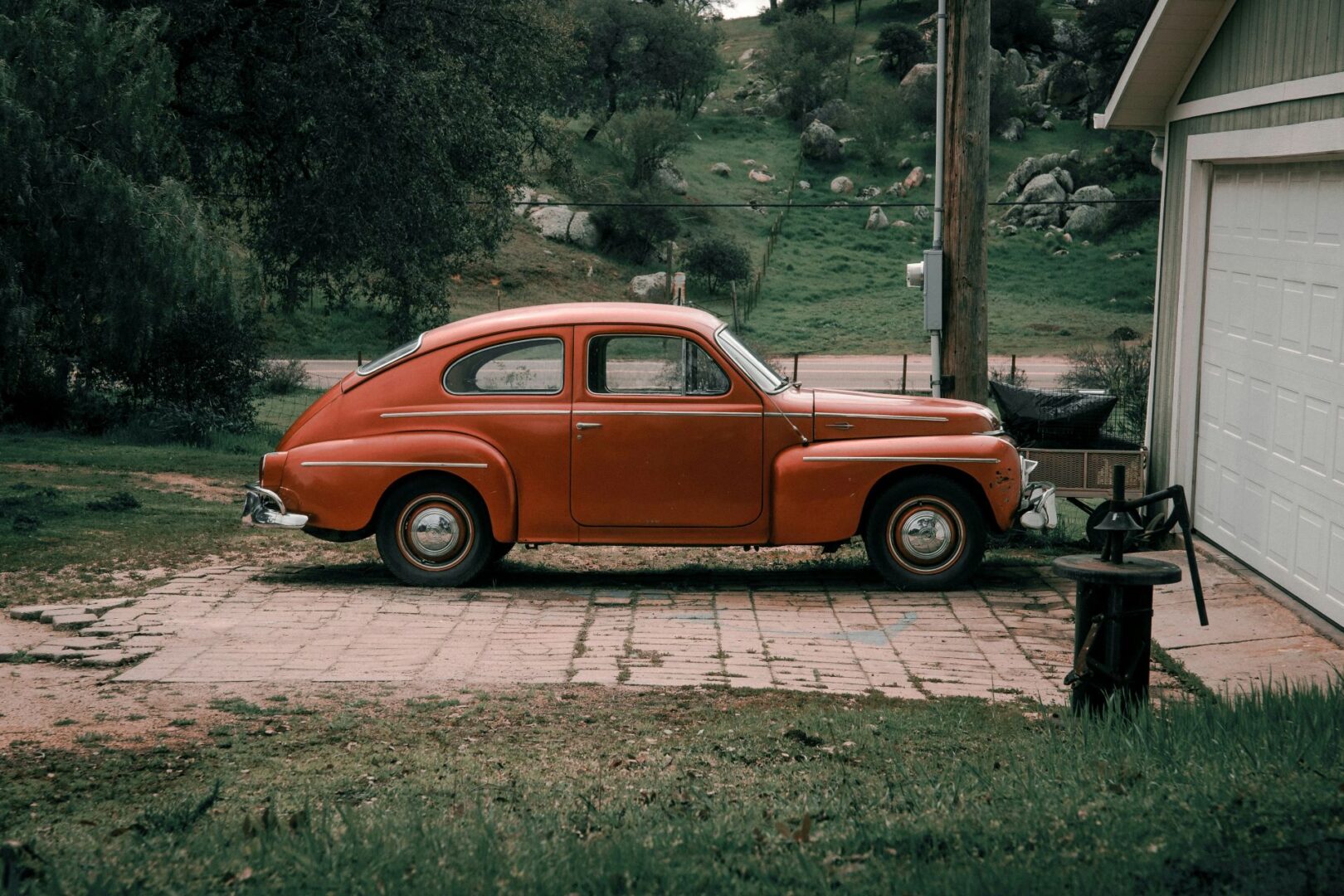
Jeep has similarly leveraged adventure and lifestyle as a vehicle for engagement. By framing ownership as a gateway to exploration, Jeep has cultivated communities around off-roading, overlanding, and outdoor adventure. The Jeep Jamboree, a series of off-road events across North America, exemplifies this approach. By encouraging owners to participate in experiential activities, Jeep transcends the traditional sales model, embedding the brand into the lifestyles and identities of its customers. The result is advocacy: when owners feel like part of a community rather than passive consumers, their enthusiasm naturally turns into word-of-mouth promotion, social content creation, and brand loyalty.
Automotive marketing, in this context, is no longer a monologue but a conversation. Brands that recognize the power of belonging focus on creating platforms where owners can co-create experiences, share stories, and celebrate their vehicles as part of their identity. Whether through forums, clubs, or live events, these initiatives transform a commodity into a cultural artifact. The car becomes more than a productÔÇöit becomes a social connector, a statement of identity, and a tool for building lasting emotional bonds.
In practical terms, the engagement strategy involves careful curation and facilitation. TeslaÔÇÖs online communities thrive because they are spaces where information is shared freely and moderated by both staff and enthusiastic owners. MINI clubs succeed by combining official brand support with grassroots organization, empowering owners to take ownership of their participation. JeepÔÇÖs experiential approach demonstrates that engagement is amplified when owners are provided with memorable, hands-on experiences that reinforce the brandÔÇÖs core values. Across all these examples, the key principle is clear: engagement must be authentic, participatory, and aligned with the values and passions of the target audience.
Building Identity Through Owner Clubs
Owner clubs represent a cornerstone of automotive brand engagement. They create structured yet flexible environments where like-minded individuals can bond over shared passions, celebrate milestones, and exchange knowledge. Unlike traditional marketing channels, these clubs leverage peer-to-peer interaction as their primary engine of engagement, transforming ownership into a social experience.
MINIÔÇÖs global network of ownersÔÇÖ clubs exemplifies how brand-led social ecosystems can thrive. From regional meet-ups to international rallies, these clubs provide platforms for owners to experience their vehicles in communal settings. MINI does more than simply sponsor these eventsÔÇöit facilitates the social infrastructure, allowing enthusiasts to take active roles in shaping the community. Members often become local ambassadors, welcoming new owners and fostering ongoing dialogue that reinforces the sense of belonging. The result is a self-sustaining network where advocacy emerges naturally, as participants share their experiences with friends, family, and social media audiences.
Tesla, while predominantly digital, has also leveraged owner identity to foster engagement. Tesla Owners Clubs, which operate in over 40 countries, provide localized spaces for members to meet, discuss innovations, and organize events. Importantly, these clubs are not exclusively promotional; they provide practical value by offering technical workshops, sharing charging strategies, and coordinating group drives. This combination of social identity and utility strengthens the bond between owner and brand, positioning Tesla ownership as a badge of both innovation and community membership.
Jeep takes a different, experience-driven approach, highlighting adventure as the core of community identity. Its owner clubs often center around outdoor events, trail rides, and off-road expeditions. These clubs reinforce the rugged, exploratory identity associated with Jeep ownership. By fostering a culture where sharing stories, achievements, and photos is the norm, Jeep transforms its owners into advocates who embody and promote the lifestyle the brand represents. When an owner posts a trail conquest or organizes a local jamboree, the brandÔÇÖs values are communicated organically, creating authenticity that resonates with prospective customers far more effectively than traditional advertising.
The psychology behind owner clubs is rooted in the human desire for belonging and recognition. When an individual feels they are part of a larger, meaningful network, their emotional attachment deepens. Cars are inherently personal objects, and when ownership becomes entwined with identity and social engagement, advocacy arises naturally. Member badges, event participation, and public recognition within the club further cement this identity, ensuring that the community itself becomes a powerful vehicle for brand communication.
Effectively managed owner clubs blend formal and informal engagement. Brands provide structure, resources, and recognition, but the vitality of the club comes from the members themselves. The most successful programs balance brand oversight with member autonomy, allowing authentic relationships to flourish. MINI, Tesla, and Jeep demonstrate that when this balance is struck, clubs become living ecosystemsÔÇöspaces where information, identity, and shared experience converge, generating enthusiasm that no conventional marketing campaign can replicate.
Online Communities and Digital Advocacy
While owner clubs establish structured offline engagement, online communities extend the conversation into the digital realm, allowing brands to connect with owners continuously and on a global scale. The internet provides a space where experiences, advice, and narratives can be shared instantaneously, amplifying brand presence and fostering advocacy.
Tesla forums exemplify the power of online engagement. Whether on the official Tesla site, Reddit, or niche Facebook groups, owners exchange advice on technical issues, modifications, and driving experiences. These communities function as both support networks and social clubs, reinforcing identity while providing tangible utility. Importantly, the interactions are largely peer-driven, which enhances authenticity. The brand benefits indirectly: by fostering these spaces, Tesla ensures that its message and values are communicated through trusted voices, reinforcing both credibility and loyalty.
MINI owners also embrace digital engagement, albeit with a slightly different flavor. Social media platforms host groups for regional enthusiasts, while dedicated apps and websites provide tools for event registration, car showcases, and discussion forums. These spaces complement the physical meet-ups of owner clubs, ensuring that the community persists even outside structured events. Digital engagement also provides an avenue for storytelling, where members can share images, videos, and narratives that celebrate the ownership experience. Each post reinforces communal identity and serves as a touchpoint for advocacy.
JeepÔÇÖs adventure-oriented community similarly leverages digital channels to enhance engagement. Trail maps, user-generated content, and event promotions are shared through official websites and social media, creating a constant presence in the lives of owners. The brand curates content that emphasizes experience, adventure, and exploration, encouraging owners to participate, contribute, and share their stories. The resulting digital ecosystem not only strengthens existing loyalty but also attracts potential customers who identify with the lifestyle portrayed.
Branded digital content is particularly effective when it aligns with community identity. Short films, tutorials, lifestyle blogs, and behind-the-scenes videos enrich the ownership experience, making customers feel part of a larger narrative. TeslaÔÇÖs videos on software updates or energy initiatives, MINIÔÇÖs lifestyle features, and JeepÔÇÖs off-road adventure content transform traditional marketing into participatory storytelling. By presenting the brand as a facilitator of experiences rather than a seller of products, these initiatives reinforce engagement and advocacy simultaneously.
The success of digital communities hinges on authenticity, moderation, and accessibility. Forums and social media groups thrive when conversations are peer-driven but supported by guidance and oversight from the brand. Platforms that allow user-generated content and promote inclusivity create richer engagement and a stronger sense of belonging. Digital advocacy emerges organically: satisfied members share their enthusiasm publicly, creating content that resonates more effectively than traditional advertising ever could. In this sense, the community itself becomes a living marketing engine, powered by the very people the brand seeks to engage.
Branded Experiences as Catalysts for Advocacy
While clubs and online communities provide the foundation, experiential marketing elevates engagement to a level where advocacy becomes instinctive. Brands that integrate immersive, participatory experiences into ownership create strong emotional bonds, positioning customers as active participants rather than passive consumers.
JeepÔÇÖs adventure excursions exemplify this principle. Events like the Jeep Jamboree provide hands-on experiences where owners can explore rugged terrains, test their vehicles, and connect with fellow enthusiasts. These activities not only reinforce the adventurous identity of Jeep ownership but also generate shareable content. Photos, videos, and narratives from these events propagate across social media, acting as organic promotion while deepening engagement. Owners become storytellers, communicating the brandÔÇÖs ethos through their personal experiences.
MINI has similarly embraced experiential engagement through track days, road trips, and curated lifestyle events. Such experiences are designed to be memorable, fun, and shareable, fostering a sense of pride and belonging among participants. Beyond reinforcing brand values, these events nurture peer-to-peer relationships, ensuring that enthusiasm persists beyond the event itself. The participatory nature of these experiences transforms owners into advocates, whose first-hand stories carry authenticity that traditional marketing cannot replicate.
Tesla takes a hybrid approach, blending digital and physical engagement. Launch events, product unveilings, and software showcases are often supplemented with interactive online sessions and owner-exclusive access. This combination ensures that engagement is continuous, spanning both the virtual and physical worlds. By providing unique access and experiences, Tesla strengthens community identity while reinforcing the perception of ownership as exclusive, prestigious, and inherently valuable.
Branded experiences function as emotional accelerators. While clubs and forums facilitate belonging and knowledge sharing, events provide tangible, memorable moments that create emotional resonance. Emotions drive memory and advocacy, meaning owners who experience joy, excitement, or pride in brand-related events are more likely to share those feelings publicly. By crafting these experiences with an understanding of both lifestyle and brand identity, automakers can ensure that advocacy becomes a natural extension of participation.
Finally, successful experiential marketing leverages multi-channel storytelling. Events are rarely isolated; they are integrated with social media, online communities, and branded content. Video recaps, blogs, and user-generated content extend the reach of each experience far beyond its immediate participants, turning every engaged customer into a micro-ambassador. Through this ecosystem, brands amplify their presence while reinforcing the community-driven identity that underpins modern automotive engagement.
Turning Engagement into Lasting Advocacy
The ultimate goal of automotive engagement strategies is to turn customers into long-term advocates. By fostering belonging, identity, and shared experiences, brands ensure that ownership becomes more than a transactional relationshipÔÇöit becomes a social and emotional commitment.
Tesla, MINI, and Jeep each illustrate how varied approaches can achieve this outcome. Tesla relies on digital forums and clubs to facilitate continuous engagement and information exchange. MINI leverages structured clubs and lifestyle events to cultivate a sense of identity and pride. Jeep emphasizes experiential, adventure-driven interactions that reinforce the brandÔÇÖs core ethos. While the approaches differ, the underlying principle is the same: ownership must feel meaningful, connected, and participatory.
Turning engagement into advocacy requires a multi-layered strategy. First, brands must provide platforms where owners can interact meaningfullyÔÇöwhether digitally or in person. These spaces should encourage sharing, recognition, and collaboration. Second, experiences must be crafted to resonate emotionally, offering opportunities for pride, excitement, and community participation. Finally, branded content should amplify these interactions, presenting narratives that reinforce both identity and values.

The results of this strategy extend beyond immediate sales. Advocates influence new customers, provide valuable feedback, and contribute to a vibrant ecosystem that continuously reinforces brand value. Positive experiences are amplified through social sharing, reviews, and word-of-mouth, creating a self-sustaining loop of engagement, loyalty, and advocacy.
Modern automotive marketing is as much about culture and community as it is about product features or pricing. Owner clubs, online communities, and branded experiences provide the scaffolding for these connections, transforming customers into advocates whose engagement drives long-term value. By prioritizing belonging and identity, brands do not merely sell carsÔÇöthey cultivate passionate, loyal communities that celebrate ownership, share experiences, and ultimately shape the brand itself. In this environment, marketing ceases to be a monologue; it becomes a living dialogue, powered by the very people who embody the essence of the brand.
Breyten Odendaal
Specializing in high-performance automotive advertising and digital marketing solutions, delivering cutting-edge insights and the latest news shaping the automotive industry in South Africa.
More From Advertising

Automotive Advertising in 2026: Selling Confidence in a More Competitive Market
As South Africa’s vehicle market becomes more competitive, automotive advertising needs to do more than announce a price or specification. It needs to help buyers understand value, ownership costs and why a vehicle suits their lives.

Automotive Digital Ads in South Africa: A Shift
Exploring how South Africa’s automotive advertising evolved from print and broadcast to data-driven, programmatic digital ecosystems.

The Video Shift in Car Buying Decisions in SA
Explore how video content shapes car purchase decisions in South Africa, comparing short-form and long-form strategies for automotive marketers.