
Introduction: Cars Meet Smartphones ÔÇô A Love Story in the Making
Once upon a time, in a world dominated by shiny showrooms and glossy magazine spreads, car enthusiasts drooled over horsepower stats and sleek designs from the pages of print ads. Fast-forward to today, and the scene looks drastically different. The modern car lover? They're glued to a smartphone, swiping through virtual showrooms, configuring dream cars with a few taps, and devouring car reviews on TikTok while waiting for their food delivery.
The smartphone has become the ultimate co-pilot for automotive enthusiasts, dictating how they research, buy, and fall in love with their next ride. For brands, itÔÇÖs a game of adaptationÔÇörevamping strategies to fit in with this new, mobile-first world where everyone seems more likely to engage with a bumper-to-bumper close-up on a 6-inch screen than in real life. And make no mistake, as the engine of digital marketing revs up, automotive brands need to put the pedal to the metal, especially when it comes to mobile-first advertising.
So, letÔÇÖs take this joyride together and explore how some of the worldÔÇÖs leading carmakers are shifting gears to keep up with the smartphone-obsessed consumer. Buckle upÔÇöitÔÇÖs going to be a wild (but fun) ride.
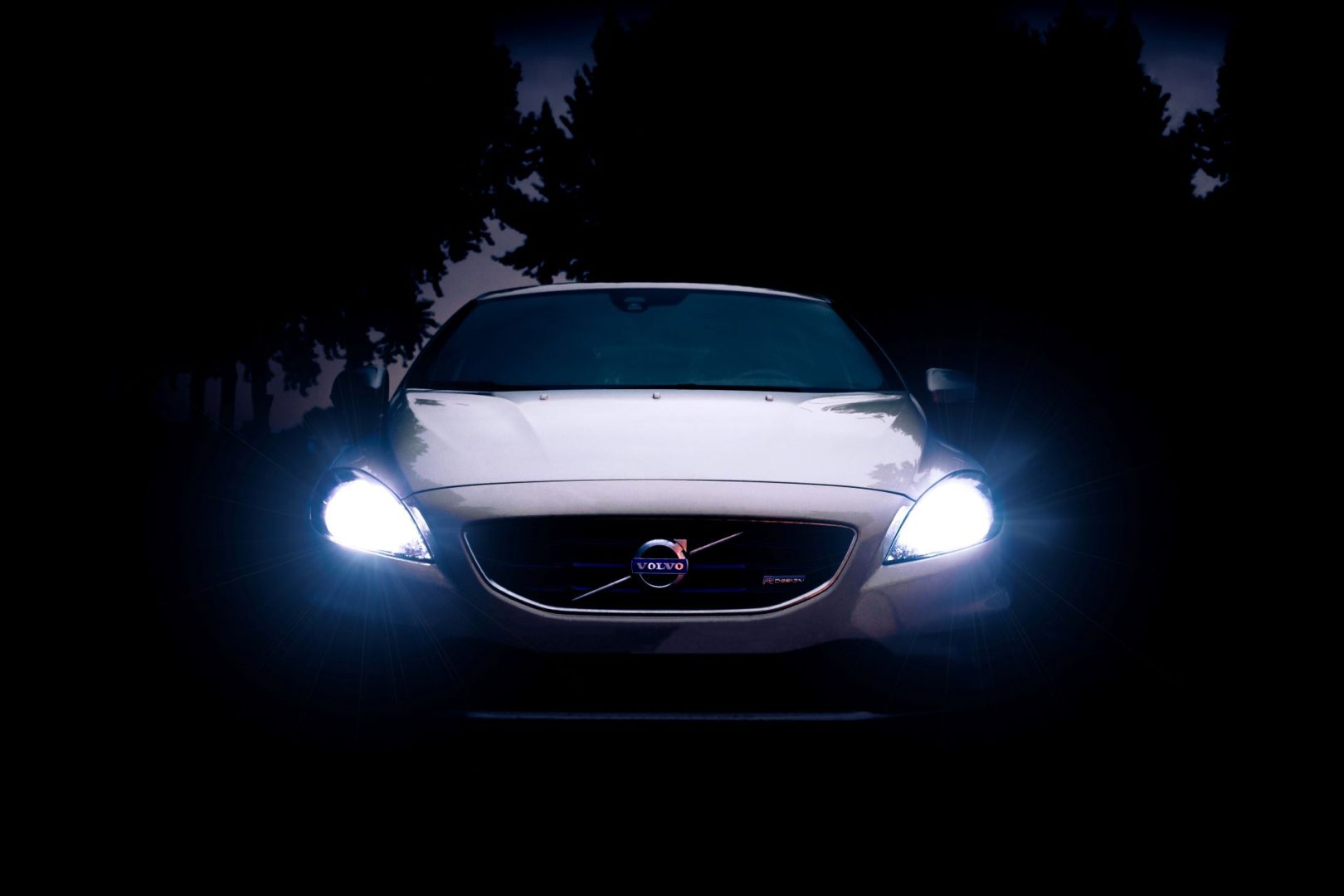
The Rise of Mobile-First Advertising: Swipe, Scroll, and Sold!
If your phone feels like an extension of your hand, youÔÇÖre not alone. For car buyers, that hand-held device is quickly becoming their favorite dealership. The shift in consumer behavior toward mobile dominance isnÔÇÖt just a trend; itÔÇÖs a revolution. On average, people now spend more than 4 hours a day on their phones, with a good chunk of that time dedicated to car research.
But what does "mobile-first" actually mean? ItÔÇÖs not just about making ads that fit on small screens (although thatÔÇÖs part of it). Mobile-first advertising takes into account the behaviors, preferences, and even the very way we interact with our devices. Think clickable ads, 360-degree virtual test drives, and in-app car configurators that make your wildest automotive dreams a tap away.
A quirky example? The term ÔÇ£text-drivingÔÇØ has taken on new meaning. No, not the illegal kind (donÔÇÖt do that!), but the sort where customers are actually purchasing cars via text. Yes, itÔÇÖs happening. A recent survey showed that nearly 30% of car buyers are willing to complete their entire transaction on mobile, from research to signing on the dotted line. Smartphones have become the new showroom, and if brands arenÔÇÖt thinking mobile-first, they might as well be living in a car ad from the ÔÇÿ80s.
Why Automotive Brands Must Adapt: Drive or Get Left in the Dust
Picture this: YouÔÇÖre on your couch, scrolling through Instagram. You spot a slick new car ad, and suddenly, your screenÔÇÖs alive with a 360-degree view of the vehicle, letting you peek inside, outside, and even under the hood. Now, you wouldnÔÇÖt expect to see that on a billboard, would you? ThatÔÇÖs because car enthusiasts today demand a more interactive, hands-on (and thumbs-on) experience.
But why the rush to go mobile-first? SimpleÔÇöbecause thatÔÇÖs where the car buyers are. Enthusiasts and casual buyers alike are now turning to their smartphones for everything from vehicle research to actual purchases. According to Google, 92% of car buyers research online before heading to a dealership, with nearly 80% of that research happening on mobile devices.
The analogy here? Think of it like a race, with mobile-first brands as the turbo-charged contenders leading the pack. The stragglers, those still relying on desktop-only campaigns, are like a 2005 sedan stuck in rush-hour traffic. In todayÔÇÖs world, automotive brands must accelerate their digital transformations or risk stalling out.
And itÔÇÖs not just about reaching the young and tech-savvy crowd. Mobile-first strategies are now appealing to all generations. After all, if your grandma can Facetime you from her new Tesla, you can bet sheÔÇÖs comfortable shopping for her next electric vehicle online. In fact, with each swipe, click, and pinch-to-zoom, automotive brands are being forced to realize that mobile isnÔÇÖt just the futureÔÇöitÔÇÖs the now. And the laggards? Well, theyÔÇÖll be left sniffing the exhaust fumes of their competitors.

Tech Innovations Shaping Mobile-First Advertising: The Future Is (Literally) in Your Hands
Automotive brands arenÔÇÖt just making their websites mobile-friendlyÔÇötheyÔÇÖre going full throttle with cutting-edge technology to ensure that mobile-first means mobile-best.
AR and VR: Virtual Showrooms in Your Pocket
Remember those giant showrooms with shiny cars and overly eager salespeople? Well, you might not need to visit them anymore. Augmented reality (AR) and virtual reality (VR) are letting users check out cars without ever stepping inside a dealership. Imagine taking a virtual test drive around the N├╝rburgringÔÇöall from the comfort of your sofa, with your smartphone acting as the wheel. This kind of tech wizardry is becoming commonplace as more brands adopt AR and VR to attract tech-hungry buyers.
AI-Powered Personalization: Like a Car Salesman, but Smarter
Artificial Intelligence (AI) is another gear shift in mobile advertising. AI-powered algorithms now help personalize content based on user behaviorÔÇömeaning if youÔÇÖve been eyeing a new SUV, your feed will likely be flooded with off-road adventure ads, tailored specifically for you. This personal touch feels less like a hard sell and more like your phone is reading your mind (or at least your search history). And itÔÇÖs working. Car brands like Mercedes-Benz and Audi are using AI to push personalized video content and interactive ads, increasing engagement rates by as much as 40%.
Challenges of Going Mobile-First: Oops Moments and Pitfalls
Of course, the road to mobile-first dominance isnÔÇÖt without a few potholes. Not every brand has successfully made the transition without a hitch, and there have been some entertaining (and cringe-worthy) missteps along the way.
Mobile Load Times: The Speed Bump
Nothing makes a potential customer bounce off a website faster than slow load times. A fancy, feature-packed mobile site is useless if it takes longer to load than it does to get stuck in traffic on the M25. Brands that overlook mobile optimization can lose users before they even reach the virtual showroom.
Too Much Tech, Not Enough Touch
Another common misstep? Going all-in on technology without considering the user experience. Bombarding consumers with too much AR or VR content can backfire, making the process feel overwhelming rather than immersive. ItÔÇÖs a balancing act between showing off shiny new tech and ensuring that users actually enjoy the experience without feeling like they need a PhD in engineering just to configure a car.
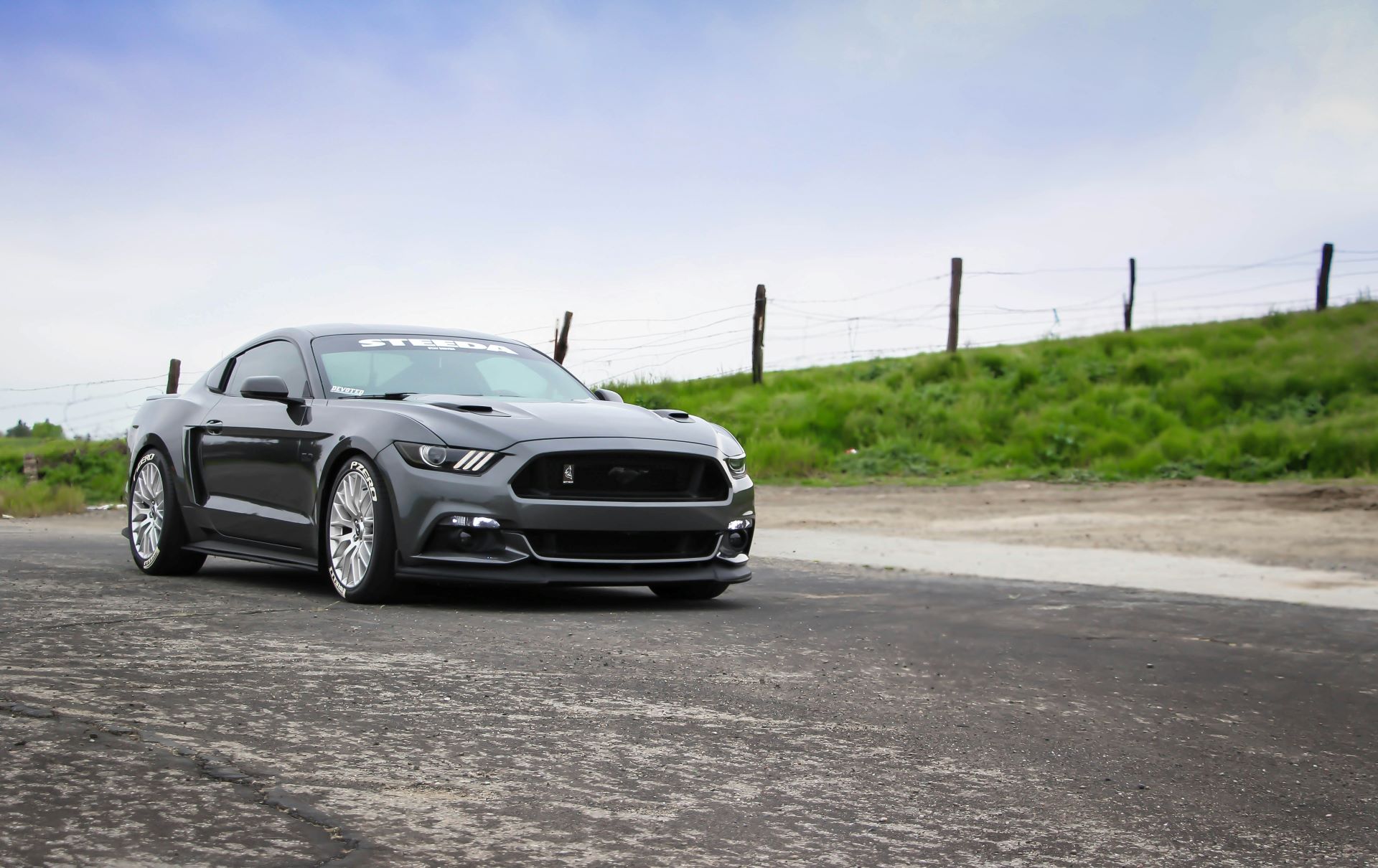
Engaging the Automotive Audience on Mobile: Less Billboard, More TikTok
So how do automotive brands engage a mobile-first audience that has an attention span shorter than the 0-60 time of a supercar?
Snackable Content: Short, Sweet, and Speedy
TodayÔÇÖs car buyers donÔÇÖt want to read a 2,000-word article on why a V8 is better than a V6. They want quick, engaging, and visually rich content that grabs their attention and leaves them wanting more. Think Instagram stories, TikTok videos, and YouTube shorts. Bite-sized, snackable content like these are the new king of the digital highway.
Interactive Experiences: DonÔÇÖt Just ShowÔÇöInvolve
Give your audience something to do, not just something to look at. Interactive quizzes ("What car fits your lifestyle best?"), mobile-friendly configurators, and AR apps all keep users engaged. Brands that can turn passive scrolling into active exploration are the ones capturing the hearts and wallets of todayÔÇÖs mobile-first consumer.
The Future of Automotive MarketingÔÇöAlways On, Always Mobile
In todays hyper-connected world, the smartphone is the ultimate link between automotive brands and consumers. Its where dreams are built, researched, and, increasingly, bought. For carmakers, mobile-first advertising isnt just an optionits a necessity. The brands that recognize this shift and invest in creating seamless, engaging, and interactive mobile experiences are the ones steering their way to success. For everyone else, the road ahead looks well, a bit bumpy.
So, if youÔÇÖre in the market for a new car, grab your phone and start swiping. Who knows? Your dream ride might just be a tap away.
Breyten Odendaal
Specializing in high-performance automotive advertising and digital marketing solutions, delivering cutting-edge insights and the latest news shaping the automotive industry in South Africa.
More From Advertising

Automotive Advertising in 2026: Selling Confidence in a More Competitive Market
As South Africa’s vehicle market becomes more competitive, automotive advertising needs to do more than announce a price or specification. It needs to help buyers understand value, ownership costs and why a vehicle suits their lives.

Automotive Digital Ads in South Africa: A Shift
Exploring how South Africa’s automotive advertising evolved from print and broadcast to data-driven, programmatic digital ecosystems.

The Video Shift in Car Buying Decisions in SA
Explore how video content shapes car purchase decisions in South Africa, comparing short-form and long-form strategies for automotive marketers.