
Commercial Vehicle Branding as Mobile Marketing
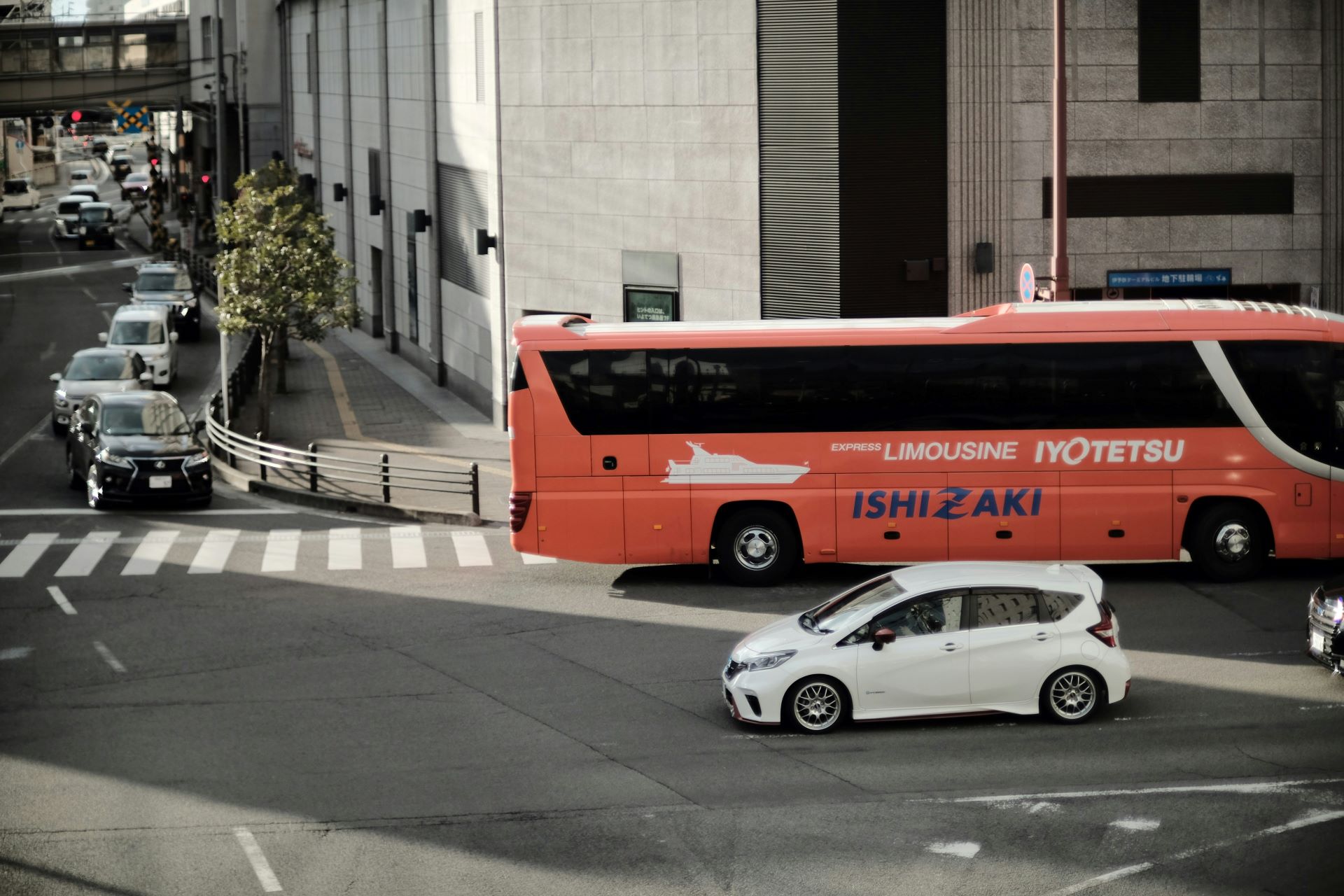
Commercial vehicle branding is one of the most quietly powerful marketing tools available to small businesses that depend on visibility and local customer awareness. Every trip a company vehicle makes becomes a rolling message, gliding through traffic, parking outside homes, and standing patiently in public spaces like a storyteller waiting to be noticed.
In modern automotive marketing, mobility is the defining advantage. Static advertising once dominated traditional promotion, but the road has become a dynamic marketplace where brand messages travel across neighbourhoods, business districts, and industrial zones without requiring additional media purchases. For small businesses, this is particularly valuable because marketing budgets are often constrained, yet competition for customer attention remains fierce.
Company vehicles naturally attract visual curiosity because people are accustomed to observing movement. A branded van or bakkie does not interrupt daily life the way some advertising formats do. Instead, it integrates into the urban rhythm, appearing and disappearing like a familiar character in a commuterÔÇÖs landscape. The result is repeated brand exposure, and repetition is the quiet architect of recognition.
Commercial vehicle branding also creates credibility signals. Customers often associate professionally branded vehicles with established service standards. When a plumber arrives in a clean, well-designed branded vehicle, the perception of reliability begins even before the toolbox is opened. The vehicle itself becomes an extension of the companyÔÇÖs reputation, speaking in metal, paint and motion.
In South AfricaÔÇÖs business environment, where service delivery and local trust networks matter significantly, vehicle branding offers small enterprises a way to compete visually with larger corporations. A single vehicle travelling across suburbs can function as a decentralized billboard system that operates continuously without rental agreements or monthly media fees.
The strategic beauty of this marketing method lies in its persistence. Billboards may be ignored after familiarity sets in, but vehicles do not remain stationary long enough to fade completely from public awareness. They move, reappear, and reintroduce the brand into different social spaces throughout the day.
Why Company Vehicles Are Powerful Advertisements
The psychological foundation of vehicle branding is rooted in human attention patterns. People are naturally responsive to motion, colour contrast, and readable messaging. A well-designed commercial vehicle combines all three elements into one marketing object travelling through real-world environments.
Unlike digital advertisements that compete within the crowded glow of screens, vehicle branding occupies physical space. It interacts with sunlight, street lighting, building reflections, and traffic movement. This environmental interaction helps the brand feel more tangible and present.
Small businesses benefit especially because vehicle branding scales organically. If a business expands from one vehicle to five, the advertising reach expands proportionally without the complexity of negotiating new media contracts. Every additional vehicle is essentially a new marketing channel already integrated into the operational workflow of the company.
Customer memory retention is another advantage. Repeated visual exposure strengthens brand recall. When people repeatedly see the same logo, colour scheme, and service message during their daily commute, the brain begins associating that visual pattern with a specific business solution.
Local businesses often depend on geographic familiarity. Vehicle branding supports hyperlocal marketing because the message travels exactly where the service is likely to be required. A maintenance company operating in suburban areas, for example, naturally advertises within the same community where future service requests may originate.
There is also an emotional factor hidden inside professional vehicle branding. People tend to trust businesses that invest in presentation quality. A scratched, faded, or poorly printed vehicle design may create the opposite effect, suggesting operational neglect.
For small enterprises that offer technical or labour-based services, vehicle branding functions as a silent quality guarantee. It communicates that the business is established enough to invest in brand presentation and operational professionalism.
Designing Branding-Ready Vehicle Surfaces
The foundation of effective automotive marketing begins long before colours and logos are applied. It begins with understanding the physical surface of the vehicle itself. Not every panel is equally suitable for branding, and professional designers often evaluate vehicles like architects studying a structure before decoration.
Flat or gently curved surfaces usually offer the best canvas for printed graphics and vinyl wrapping. Extreme curves can distort text readability, especially when vehicles are viewed from side angles in traffic. Door panels, cargo sides, and rear panels are typically prime marketing zones because they remain visible during parking and slow movement.
Surface preparation is equally important. Dust, oil residue, and microscopic debris can weaken adhesive bonding. In South AfricaÔÇÖs varied climate conditions, from coastal humidity to inland dust exposure, proper surface cleaning is not a luxury but a technical necessity.
High-quality vinyl materials are the preferred medium for most commercial vehicle branding projects. Modern automotive-grade vinyl is engineered to flex slightly with vehicle movement while maintaining graphic clarity. This flexibility prevents cracking when doors open or when temperature changes cause metal expansion.
The design should also consider how the vehicle will be used operationally. If the vehicle carries equipment or frequently encounters rough loading conditions, partial wrapping might be more practical than full-body graphic coverage. Small businesses should coordinate branding decisions with operational managers rather than treating design as a purely aesthetic exercise.
Readability should always be prioritised over artistic complexity. Traffic environments allow only brief viewing windows. Drivers and pedestrians may have less than three seconds to process a message before movement changes their visual perspective.
Therefore, contact details should be simple and large enough to be read from a distance. Website addresses should avoid unnecessary punctuation or complicated naming structures. The goal is instant comprehension rather than decorative typography.
Colour Psychology and Brand Recognition on the Road
Colour selection plays a surprising role in automotive marketing effectiveness. High-contrast combinations are easier to perceive at speed and under variable lighting conditions.
Bright accent colours against neutral vehicle bases often produce the strongest visibility. White, silver, and dark grey vehicles tend to function well as primary canvases because they allow branding elements to stand out without visual competition.
Brand colour consistency is essential for multi-channel marketing. The colours used on vehicles should match website themes, uniforms, and printed marketing material. This creates a unified brand memory structure in customer perception.
Psychologically, warm colours such as red and orange are associated with urgency and action, which can be useful for service-based businesses that want customers to respond quickly. Blue tones often communicate reliability and technical professionalism. Green can signal environmental awareness or maintenance-related services.
However, South African sunlight intensity should also be considered when selecting colour saturation levels. Extremely light pastel shades may lose definition under bright daylight conditions, while overly dark designs may absorb heat and appear visually heavy.
Another overlooked aspect is nighttime visibility. Reflective elements or subtle luminous accents improve safety and marketing presence after sunset. Reflective vinyl technology allows branding messages to remain visible without compromising road safety regulations.
Typography selection is just as important as colour. Sans-serif fonts generally perform better on moving vehicles because their clean lines remain legible from a distance. Decorative fonts may look attractive in digital previews but often fail in real-world traffic viewing conditions.
Durability Matters: Weather, Road Dust and Sun Exposure
Vehicle branding in outdoor environments faces constant environmental pressure. The South African climate presents a unique combination of strong ultraviolet radiation, seasonal rainfall variation, and airborne dust particles.
UV radiation gradually weakens pigment bonds in low-quality printing materials, causing colours to fade into muted shadows of their original brilliance. Professional automotive branding therefore relies on UV-resistant inks and protective laminates that function like invisible armour against sunlight.
Rainwater is less destructive than many business owners assume, but water pressure during high-speed driving can slowly edge under poorly sealed vinyl layers. Proper installation technique ensures that edges are sealed tightly along panel contours.
Dust accumulation is a practical reality for businesses operating near construction zones or rural service routes. Textured protective coatings help reduce the visual dulling effect caused by particulate matter settling on vehicle surfaces.
Regular vehicle washing becomes part of the marketing maintenance cycle. Cleaning is not only operational hygiene but also brand preservation. A dirty branded vehicle communicates accidental neglect even if the companyÔÇÖs service quality is excellent.
Temperature variation can also affect branding lifespan. Metal surfaces expand during daytime heat and contract during cooler nights. High-quality installation allows microscopic flexibility so that graphics can move subtly with thermal changes.
Small businesses should treat vehicle branding as a long-term asset rather than a disposable advertisement. With proper material selection and maintenance, branding can remain visually effective for several years.
Turning Fleet Vehicles Into Marketing Assets
Businesses that operate multiple vehicles possess a strategic advantage because fleet branding creates collective visual momentum. When several vehicles share design language, the brand begins to dominate visual perception within operational areas.
Fleet branding should follow consistent template architecture. Logos, contact information, and colour placement must remain uniform across vehicles even if vehicle models differ. This consistency strengthens corporate identity.
For service businesses such as delivery companies, maintenance contractors, or mobile technical services, fleet vehicles act like moving business cards multiplied by operational scale. Every driver becomes an indirect marketing ambassador simply by completing assigned routes.
Driver behaviour also influences marketing performance because vehicle branding is part of brand representation. Drivers should understand that vehicle presentation is connected to customer perception of professionalism. Parking under trees where sap may drip, brushing against abrasive walls, or ignoring minor surface damage can gradually reduce branding quality.
Route planning can also be integrated with marketing thinking. High-density traffic zones, commercial centres, and residential service areas provide maximum exposure potential.
Small businesses should avoid excessive messaging density on fleet vehicles. When too many slogans, phone numbers, and promotional claims compete for attention on the same surface, communication clarity decreases. Elegant simplicity tends to produce stronger brand memory.
Cost Efficiency of Mobile Branding Compared to Traditional Ads
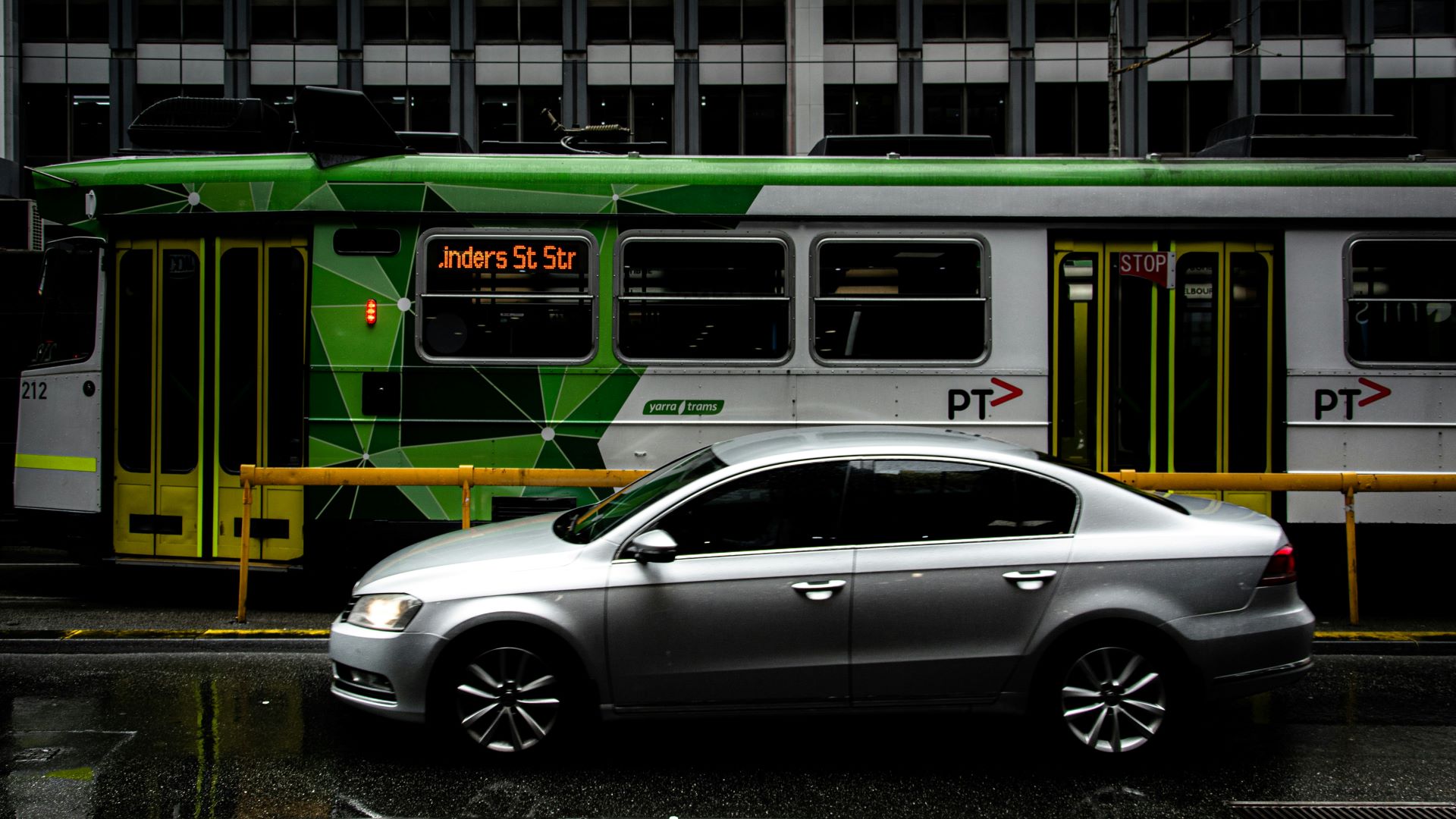
Marketing budgets for small businesses often face the challenge of balancing visibility and operational investment. Commercial vehicle branding offers an interesting economic equation because the advertising medium also serves as transportation infrastructure.
Unlike digital advertising campaigns that require continuous payment for exposure, vehicle branding is typically a once-off or infrequent cost depending on design updates. The advertisement travels automatically whenever the vehicle is in use.
Return on investment is measured indirectly through brand awareness growth, customer enquiry frequency, and service call conversions. While precise attribution is difficult, many small businesses report improved local recognition after professional vehicle branding installation.
The cost per impression of vehicle branding can become extremely low over time because exposure accumulates daily without additional expenditure.
Compared to printed billboard rentals or short-term promotional campaigns, vehicle branding offers long operational lifespan if materials are maintained correctly.
Regulatory and Professional Installation Considerations
Automotive marketing must operate within road safety and transport regulations. Branding should never obstruct essential vehicle visibility elements such as headlights, indicators, or registration plates.
Businesses should consult professional installers familiar with local transport compliance standards. Improperly placed graphics may attract legal penalties or safety risks.
Installation environments should be dust-controlled and temperature-stabilised when possible. Vinyl adhesives perform best under moderate ambient conditions.
Documentation of installation work is also useful. Photographic records help track branding condition over time and assist when warranty claims are required.
Maintaining Vehicle Branding Over Time
Maintenance is the silent partner of successful vehicle branding. Regular inspection allows small damages to be repaired before they expand into visible deterioration.
Minor scratches can sometimes be corrected through localized patching rather than full replacement. Professional installers can assess whether repair or replacement is more cost-effective.
Avoid aggressive cleaning chemicals that may degrade protective laminates. Mild automotive cleaning solutions are usually sufficient.
Parking choices matter more than many businesses realise. Shaded parking areas help slow UV degradation and extend visual clarity.
Using Vehicle Branding for Business Storytelling
Modern marketing is shifting from simple advertising to narrative communication. Vehicles can carry more than contact information. They can communicate business philosophy, service promise, or brand heritage.
Some companies include short service taglines that describe their value proposition. The message should be memorable but not crowded.
Storytelling branding works best when it reflects real operational identity. Authenticity matters more than decorative creativity in commercial marketing.
Customers often remember businesses that appear honest and professional rather than visually extravagant.
Common Mistakes Small Businesses Make
Small enterprises sometimes treat vehicle branding as a last-minute marketing accessory rather than a strategic decision. Using low-resolution artwork that becomes blurry when scaled onto vehicle surfaces reduces communication quality. Overloading the design with too much text slows reading speed and weakens message impact. Ignoring vehicle shape during graphic planning can cause logos or contact details to appear distorted from certain viewing angles. Choosing installation services without verifying material quality may shorten branding lifespan, and failing to maintain branding appearance after installation creates the impression of operational neglect.
Future Trends in Automotive Mobile Branding
Vehicle branding technology continues to evolve alongside digital marketing integration. Some companies are experimenting with QR code elements that allow pedestrians to scan vehicles for product information.
Smart vinyl technology and augmented reality marketing are gradually entering commercial branding ecosystems. Mobile advertisements may one day interact directly with smartphones, transforming vehicles into hybrid physical-digital marketing nodes.
Electric and autonomous vehicle adoption may also reshape branding surface availability. New vehicle architectures often provide cleaner exterior panels designed for customisation.
Small businesses that adopt vehicle branding today are investing not only in current marketing reach but also in future brand infrastructure.
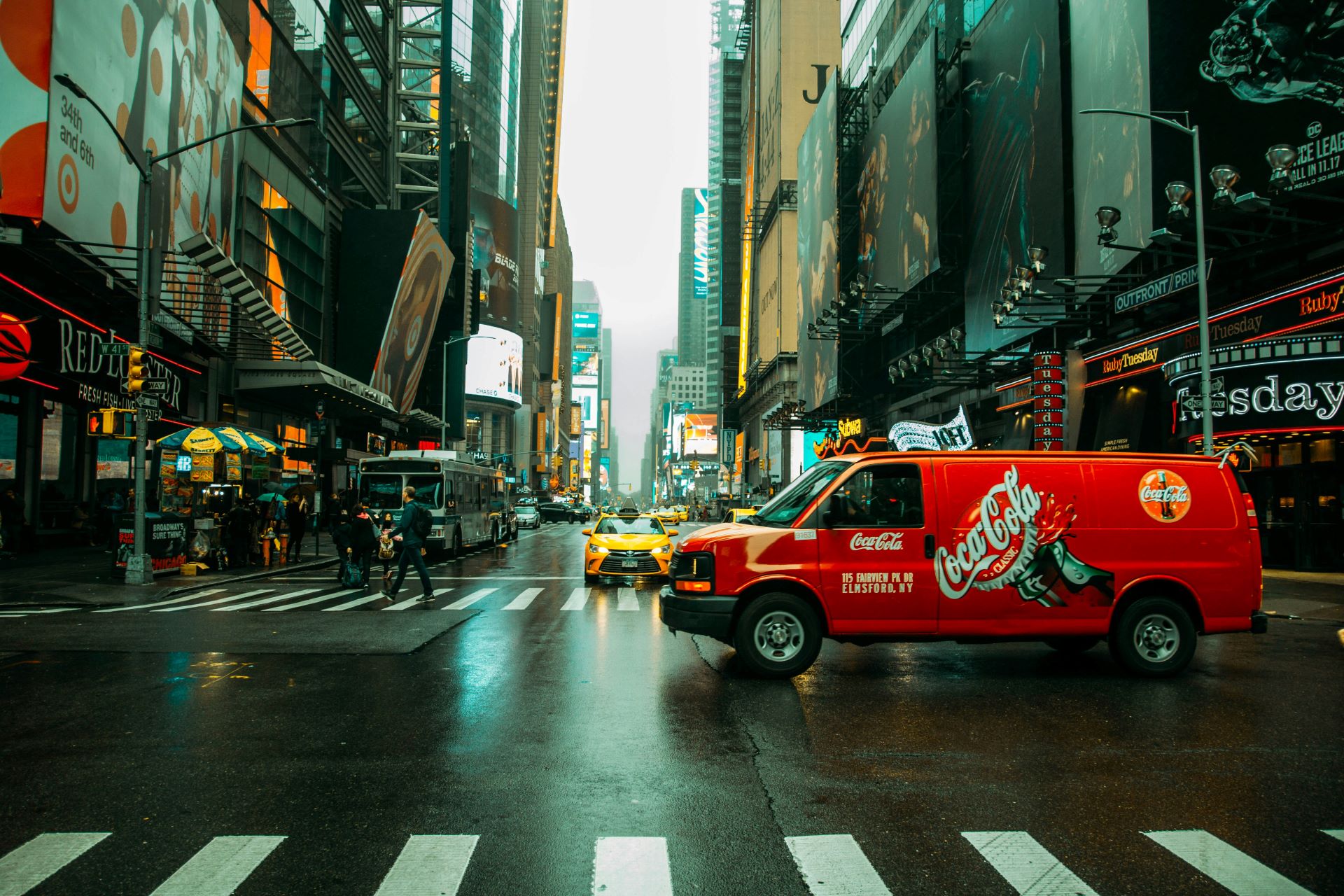
Commercial vehicle branding is more than decoration; it is operational marketing intelligence painted onto movement itself. For small businesses, it offers a practical bridge between service delivery and customer awareness.
By focusing on branding-ready surfaces, durable materials, thoughtful colour design, and long-term maintenance, companies can transform ordinary work vehicles into persistent brand ambassadors.
In a world where attention is increasingly fragmented, the business that travels is often the business that is remembered. And sometimes, the most effective advertisement is the one that quietly follows the customer down the street, waiting patiently to be noticed.
Breyten Odendaal
Specializing in high-performance automotive advertising and digital marketing solutions, delivering cutting-edge insights and the latest news shaping the automotive industry in South Africa.
More From Advertising

Automotive Advertising in 2026: Selling Confidence in a More Competitive Market
As South Africa’s vehicle market becomes more competitive, automotive advertising needs to do more than announce a price or specification. It needs to help buyers understand value, ownership costs and why a vehicle suits their lives.

Automotive Digital Ads in South Africa: A Shift
Exploring how South Africa’s automotive advertising evolved from print and broadcast to data-driven, programmatic digital ecosystems.

The Video Shift in Car Buying Decisions in SA
Explore how video content shapes car purchase decisions in South Africa, comparing short-form and long-form strategies for automotive marketers.