
Two Roads Diverging
In the ever-competitive automotive world, advertising has always been about more than simply selling a product. It is about shaping identity, projecting aspirations, and capturing the cultural mood of the time. Over the past decade, however, car advertising has become increasingly polarised. On one side of the spectrum lies a growing trend toward minimalismÔÇöads built on understated visuals, hushed tones, and restrained storytelling that allow the car itself to do the talking. On the other side, excess continues to reign, with brands staging cinematic epics full of soaring drones, pounding soundtracks, and blockbuster narratives. The divergence is not merely stylistic; it reflects deeper questions about consumer psychology, brand values, and the shifting role of the automobile in our lives.
The Rise of Minimalism
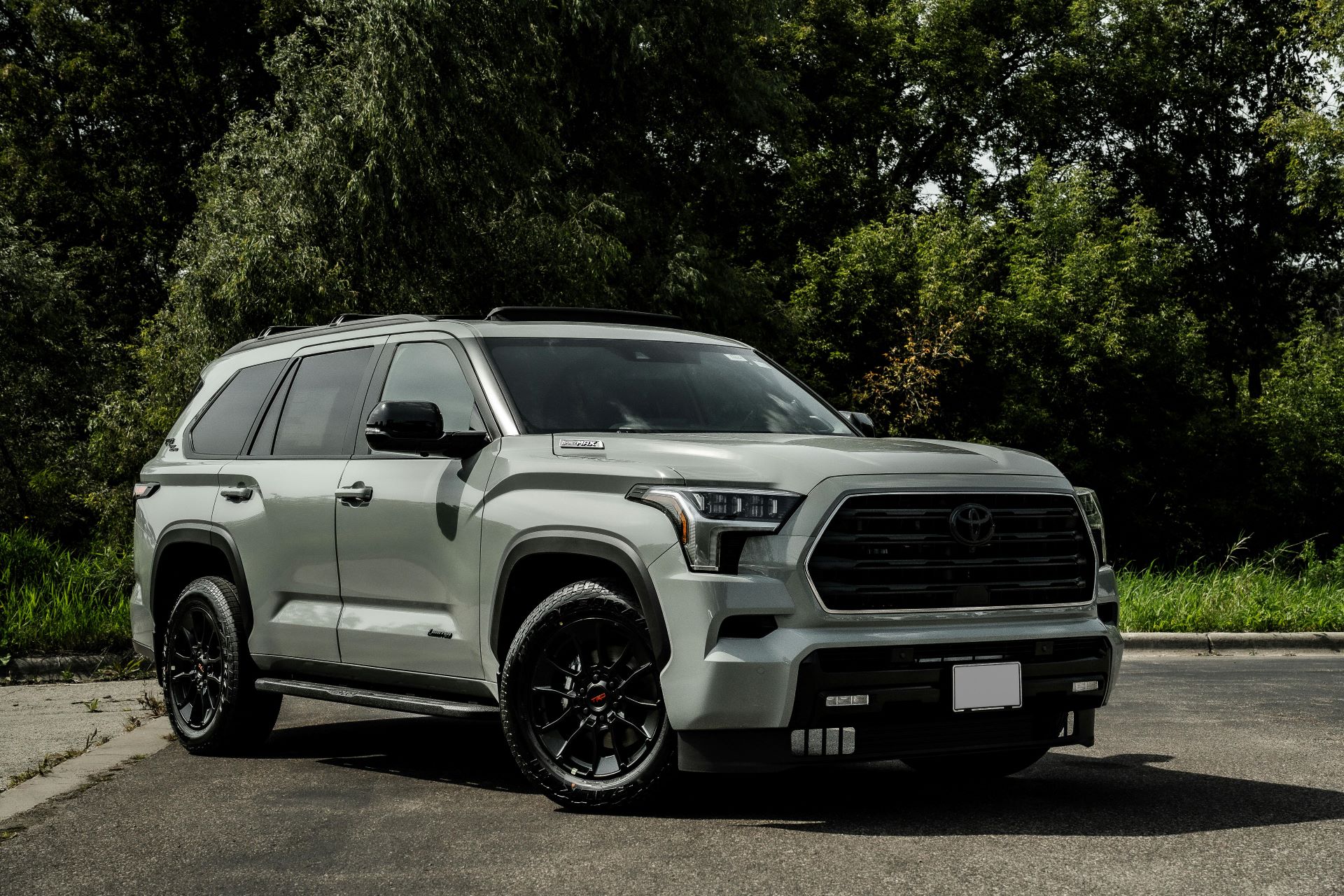
Minimalism in car advertising is not new, but its recent resurgence feels especially timely. In an age when audiences are bombarded with content across multiple screens, subtlety can be more disruptive than noise. By stripping away distraction, minimal ads cut through the clutter by offering calmness and focus. Scandinavian marques such as Volvo and Polestar have leaned heavily into this approach, producing campaigns that favour silence over spectacle, natural landscapes over special effects, and the everyday intimacy of life over the glamour of escapist fantasy.
These ads often use stillness as a strategy. A camera lingers on clean interior lines, a voiceover speaks sparingly, and a muted score allows space for contemplation. The message is simple: sophistication lies not in shouting the loudest, but in knowing when to stay quiet. Such an approach appeals to consumers who increasingly prize authenticity and sustainability over bravado. Minimalism is less about the absence of content than about the precision of its delivery. It trusts the viewer to appreciate nuance.
Excess and the Cinematic Spectacle
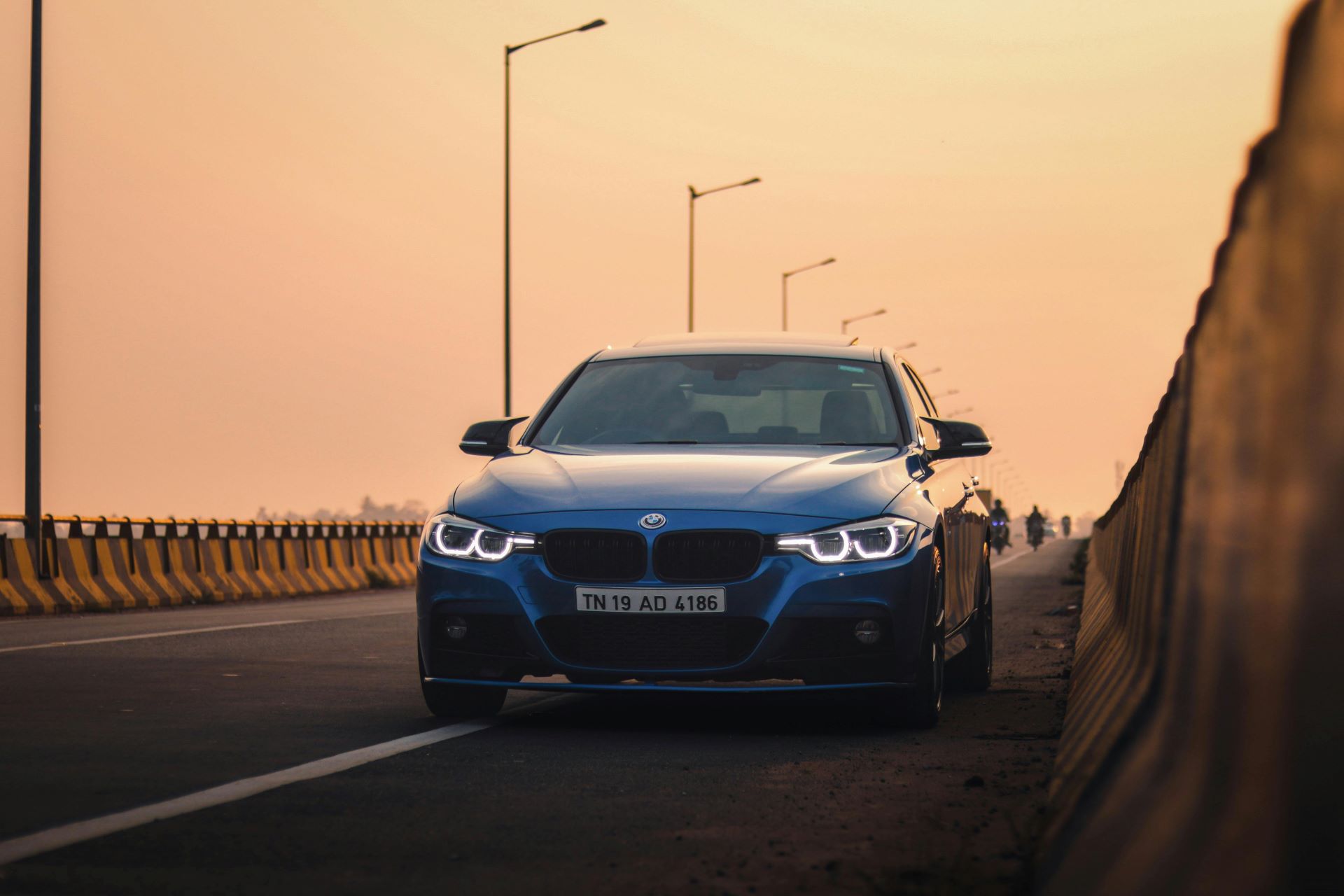
Yet excess remains an equally potent force. For every whispering Volvo ad, there is a roaring BMW film packed with precision stunts and explosive energy. Some brands thrive on cinematic flair, borrowing heavily from Hollywood in their quest to embed the car as a character in a larger-than-life narrative. Mercedes-Benz, Audi, and Lexus have all invested in blockbuster-style productions that transform roads into stages and journeys into epics.
These ads work because they activate emotion through drama. The pounding bass, the heart-stopping cuts, the gleam of headlights slicing through darknessÔÇöeverything is engineered to create exhilaration. Consumers who respond to excess advertising often seek not just transportation, but transformation. They want to feel the rush, to sense that owning this vehicle is akin to starring in their own action film. Excess appeals to desire, ambition, and the timeless human craving for spectacle.
The Cultural Context
The divide between minimalism and excess in car ads mirrors broader cultural currents. Minimalism reflects a world where conscious consumption is growing, where design movements emphasise ÔÇ£less but better,ÔÇØ and where people are weary of overstimulation. Excess, on the other hand, speaks to a countercurrent: the hunger for escapism, for a bigger story to offset daily mundanity.
Advertising is always a barometer of its times. In the 1980s and 1990s, excess dominated as economic optimism encouraged brands to revel in excess production values. In the 2000s, the rise of digital saturation paved the way for the quiet rebellion of minimal campaigns. Today, both exist side by side, each serving its audience.
Storytelling Styles: Restraint vs. Grandeur
The storytelling differences between the two styles are striking. Minimalist ads favour realism and understatement. They show cars driving through quiet suburban streets, parked outside modest homes, or gliding silently through nature. The voiceovers are sparse, often philosophical, and focus on lifestyle values such as safety, calm, or sustainability.
Excess, by contrast, rarely cares about realism. Cars leap from rooftops, drift through neon-lit cityscapes, or outrun helicopters across deserts. The voiceovers are booming declarations of power and status. It is theatre, pure and simple. The car is less a vehicle than a protagonist in a carefully choreographed performance.
Target Audiences and Brand DNA
Why do some brands favour one approach over the other? Much of it comes down to DNA and market positioning. Luxury marques that thrive on prestige and performance tend to embrace excess because their customers expect spectacle. They are not buying practicality; they are buying identity.
By contrast, brands that have built reputations around safety, environmental consciousness, or design purity find greater resonance in minimalism. For them, understatement signals confidence. It suggests that their cars are so well-designed that they do not need fireworks to prove their worth. Both approaches are valid, but they speak to fundamentally different psychologies.
Digital Platforms and the Attention Economy
The platform also influences the strategy. On television or in cinema slots, excess feels natural. Long-form ads can sustain the drama, and the immersive environment amplifies spectacle. On social media, however, where attention spans are shorter and scrolling is constant, minimalism can dominate. A simple, silent clip of a car interior may stop a thumb more effectively than a noisy action sequence.
This does not mean excess has no place onlineÔÇöquite the opposite. Cinematic ads often gain traction as shareable content, especially when infused with humour or daring stunts. The real challenge for marketers is finding balance: deciding when to whisper and when to shout.
Case Studies: The Spectrum in Action
A recent Volvo campaign exemplified minimalism by showing a single car parked in a forest, the sounds of birds overtaking the soundtrack, and a quiet message about harmony with nature. The ad barely featured dialogue, yet its serenity left a memorable impression.
Contrast that with a Dodge commercial where muscle cars tore through city streets to the sound of roaring engines and heavy metal, accompanied by bombastic slogans about freedom and power. The campaign was unapologetically loud, designed to thrill rather than soothe.
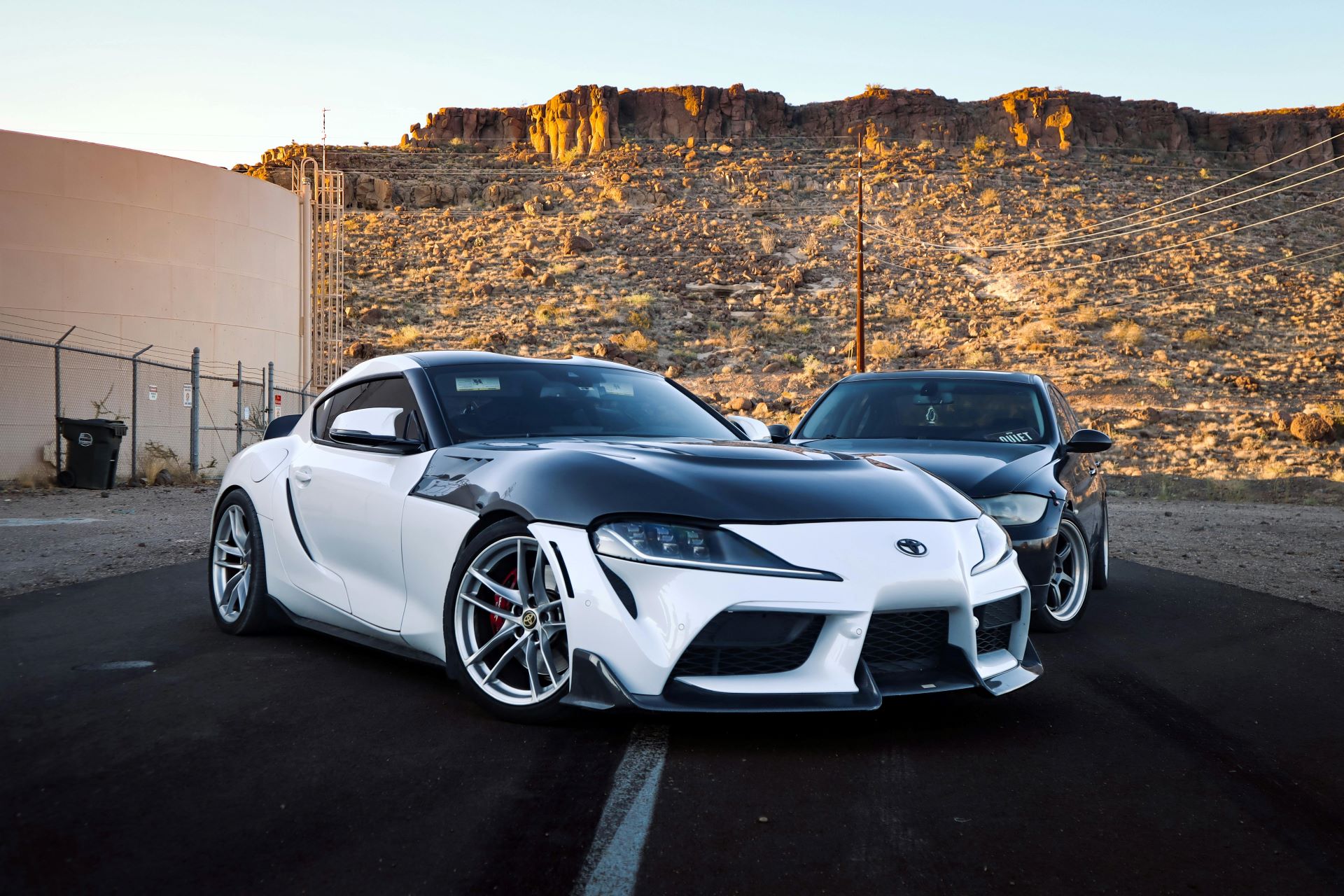
Between these extremes lie hybridsÔÇöbrands like Toyota or Hyundai, which often alternate between restrained storytelling for hybrid or EV models, and louder spectacles for their sportier lines. Such dual strategies reflect the complexity of modern portfolios and the need to appeal to diverse audiences.
The Psychological Dimension
Minimalism and excess are not just stylistic preferences; they tap into deeper psychological needs. Minimalism creates trust. It signals honesty, as if the brand has nothing to hide. It appeals to introverts, thinkers, and those who value subtle luxury. Excess creates excitement. It satisfies extroverts, dreamers, and those who crave stimulation and recognition.
Both modes serve as mirrors, reflecting not just brand identities but also consumer identities. When a buyer aligns with an ad style, they are aligning with a way of seeing the world.
The Future of Car Advertising
Where will the balance tip in the future? As electric vehicles gain traction, minimalism may rise, since EVs naturally lend themselves to quietness, purity, and environmental responsibility. Excess, however, will not disappear. Performance EVs, luxury supercars, and halo models will continue to demand drama. The industry may simply become more polarised, with everyday cars marketed with restraint and aspirational models marketed with spectacle.
Artificial intelligence, virtual reality, and immersive media will also reshape the dynamic. Excess will find new ways to dazzle, while minimalism may take advantage of interactive calmÔÇöallowing users to explore cars in serene digital environments. The tools will evolve, but the philosophical divide will remain.
A Dual Language of Desire
Minimalism and excess in car advertising are not enemies; they are two dialects of the same languageÔÇöthe language of desire. Some consumers want serenity, others want excitement, and most fluctuate between the two depending on context. The true art of automotive advertising lies in knowing which approach to adopt, when to switch between them, and how to blend their strengths into something distinctive.
In the end, cars are never just machines. They are stories on wheels. Whether those stories are whispered in a forest clearing or shouted from the rooftops of a city skyline, they must move us. Because to sell a car is to sell not only a product, but also a dream.
Breyten Odendaal
Specializing in high-performance automotive advertising and digital marketing solutions, delivering cutting-edge insights and the latest news shaping the automotive industry in South Africa.
More From Advertising

Automotive Advertising in 2026: Selling Confidence in a More Competitive Market
As South Africa’s vehicle market becomes more competitive, automotive advertising needs to do more than announce a price or specification. It needs to help buyers understand value, ownership costs and why a vehicle suits their lives.

Automotive Digital Ads in South Africa: A Shift
Exploring how South Africa’s automotive advertising evolved from print and broadcast to data-driven, programmatic digital ecosystems.

The Video Shift in Car Buying Decisions in SA
Explore how video content shapes car purchase decisions in South Africa, comparing short-form and long-form strategies for automotive marketers.