
The roar of an engine, the sleek curve of a chassis, the promise of freedom on the open road ÔÇô these are the hallmarks of automotive passion. Yet, in a world inundated with overstimulation, the true art of captivating an audience often lies not in what is said, but in what is left unsaid. Enter minimalism, a growing trend in automotive advertising that embraces simplicity to evoke power and precision. From pared-down visuals to concise messaging, this approach speaks directly to the heart of automotive enthusiasts who value substance over spectacle.
Minimalism in advertising is not new, but its application in the automotive industry has gained prominence in recent years. As brands compete for attention in a saturated market, the ÔÇ£less is moreÔÇØ philosophy has proven to be an effective way to cut through the noise. This article explores the evolution of minimalism in automotive advertising, its benefits, and its future, while showcasing examples of how simplicity can leave a lasting impression.

Historical Context
Automotive advertising has undergone a remarkable transformation over the decades. In the mid-20th century, car ads were characterized by vivid imagery, dramatic taglines, and a focus on features like horsepower and speed. Magazines and television became the dominant mediums, offering brands a stage to showcase their latest innovations with bold claims and flashy visuals. However, as consumer tastes evolved, so did advertising strategies.
The seeds of minimalism were first planted in the 1960s, a period marked by a growing appreciation for modernist design principles. VolkswagenÔÇÖs iconic ÔÇ£Think SmallÔÇØ campaign by DDB is often cited as the starting point for minimalist automotive advertising. The ad featured a tiny image of the Beetle against a stark white background, accompanied by understated yet clever copy. This groundbreaking approach shifted the focus from embellishment to authenticity, resonating deeply with audiences.
As the digital era emerged in the late 1990s and early 2000s, advertising platforms diversified, giving rise to new challenges. The need for brevity and clarity became more pronounced as consumers gained access to information at their fingertips. Brands began exploring minimalist strategies to align with changing consumer behaviors, paving the way for a new wave of advertising.
Concept of Minimalism
Minimalism, at its core, emphasizes simplicity and intentionality. In the context of advertising, this translates to clean layouts, succinct messaging, and a laser focus on the productÔÇÖs essence. Automotive advertising has embraced this ethos, stripping away unnecessary elements to highlight what truly matters: the vehicle.
Key characteristics of minimalist advertising include:
Industries like fashion and technology have long championed minimalism, with brands like Apple and Calvin Klein setting benchmarks for understated elegance. The automotive sector has borrowed from these successes, blending them with its own flair to craft compelling narratives.
Benefits of Minimalism in Automotive Advertising
MinimalismÔÇÖs effectiveness lies in its ability to focus attention and create emotional resonance. Here are some of its key advantages in automotive advertising:
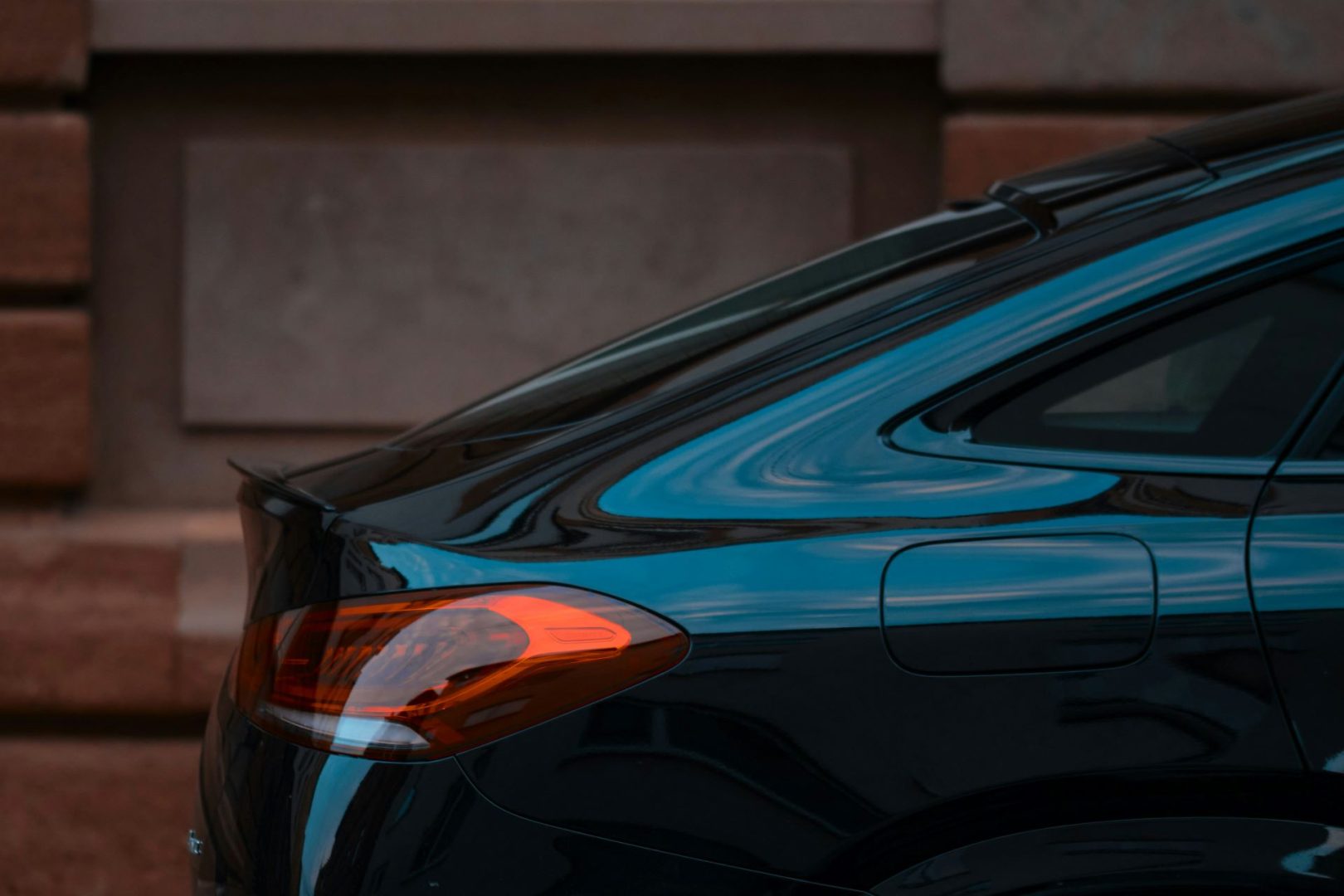
For instance, TeslaÔÇÖs advertising strategy often relies on minimalistic imagery, showcasing its carsÔÇÖ futuristic designs without excessive embellishments. This mirrors the brandÔÇÖs ethos of innovation and efficiency, resonating with its tech-savvy audience.
Challenges and Criticisms
While minimalist advertising has many benefits, it is not without its challenges. Critics argue that:
To address these concerns, brands can balance minimalism with informative content in supplementary materials, ensuring that consumers receive both inspiration and information.
Future of Minimalism in Automotive Advertising
As advertising continues to evolve, minimalism is poised to play an even greater role. Digital transformation offers new avenues for minimalist strategies, such as:
Emerging trends also suggest a growing emphasis on sustainability. Minimalist campaigns that highlight eco-friendly features align with the values of environmentally conscious consumers, further cementing minimalismÔÇÖs relevance.

Minimalism in automotive advertising is not just a trend; it is a powerful tool for connecting with audiences who value quality, innovation, and authenticity. By focusing on what truly matters, minimalist campaigns cut through the noise, leaving a lasting impression on automotive enthusiasts.
As the industry continues to embrace digital transformation and sustainability, minimalism will remain a cornerstone of effective advertising. In a world that often values excess, the art of saying more with less will continue to captivate and inspire. Automotive enthusiasts, take note: the future of advertising is sleek, simple, and sophisticated.
Breyten Odendaal
Specializing in high-performance automotive advertising and digital marketing solutions, delivering cutting-edge insights and the latest news shaping the automotive industry in South Africa.
More From Advertising

Automotive Advertising in 2026: Selling Confidence in a More Competitive Market
As South Africa’s vehicle market becomes more competitive, automotive advertising needs to do more than announce a price or specification. It needs to help buyers understand value, ownership costs and why a vehicle suits their lives.

Automotive Digital Ads in South Africa: A Shift
Exploring how South Africa’s automotive advertising evolved from print and broadcast to data-driven, programmatic digital ecosystems.

The Video Shift in Car Buying Decisions in SA
Explore how video content shapes car purchase decisions in South Africa, comparing short-form and long-form strategies for automotive marketers.