The automotive industry is no stranger to innovation. From the internal combustion engine to the electric revolution, brands have continuously adapted to the shifting sands of consumer expectations, environmental regulations, and technological disruption. Today, one of the most intriguing frontiers facing automakers is the metaverse ÔÇö a convergence of digital realities where virtual test drives and immersive dealership experiences are poised to redefine how we buy, experience, and interact with vehicles.
But is this just the latest in a long line of overhyped tech trends? Or are we witnessing a fundamental shift in automotive retail that could permanently reshape customer engagement?
LetÔÇÖs unpack the virtual driving seat and examine whether the metaverse is a gimmick or a genuine game-changer.

What is the Metaverse, Really?
The term metaverse has become a catch-all buzzword for a variety of immersive, digital-first experiences ÔÇö from virtual reality (VR) and augmented reality (AR) to persistent 3D environments accessed via web browsers or headsets. In the automotive context, the metaverse refers to digitally replicated environments where users can interact with vehicles, test features, explore showrooms, and even configure and purchase cars ÔÇö all without leaving home.
Big TechÔÇÖs involvement has accelerated this evolution. With Meta (formerly Facebook), Microsoft, Epic Games, and NVIDIA investing heavily in the infrastructure and platforms that power the metaverse, industries from fashion to real estate have followed suit. And now, the automotive world is gearing up for its own immersive transformation.
The Rise of Virtual Dealerships
A New Kind of Showroom
In the traditional dealership model, car buyers visit physical locations to view, test, and discuss vehicles. While this remains an important part of the sales funnel, consumer expectations have changed ÔÇö particularly post-COVID-19. Remote working, online shopping, and digital-first experiences have become second nature, prompting automakers and dealers to explore virtual showrooms that mimic their real-world counterparts.
Brands like Hyundai, Nissan, and Mercedes-Benz have already launched fully interactive virtual dealerships. These platforms allow customers to navigate a virtual space, engage with sales avatars, learn about models, and even schedule real-world test drives or place orders.
In some cases, these arenÔÇÖt just 3D renderings. TheyÔÇÖre hyperrealistic, gamified experiences, offering unprecedented interaction ÔÇö from opening doors and checking boot space to toggling infotainment systems.
The Virtual Test Drive Experience
Try Before You Buy ÔÇö Digitally
Test drives have long been the most tactile part of the car-buying journey. But what happens when this is reimagined through a headset?
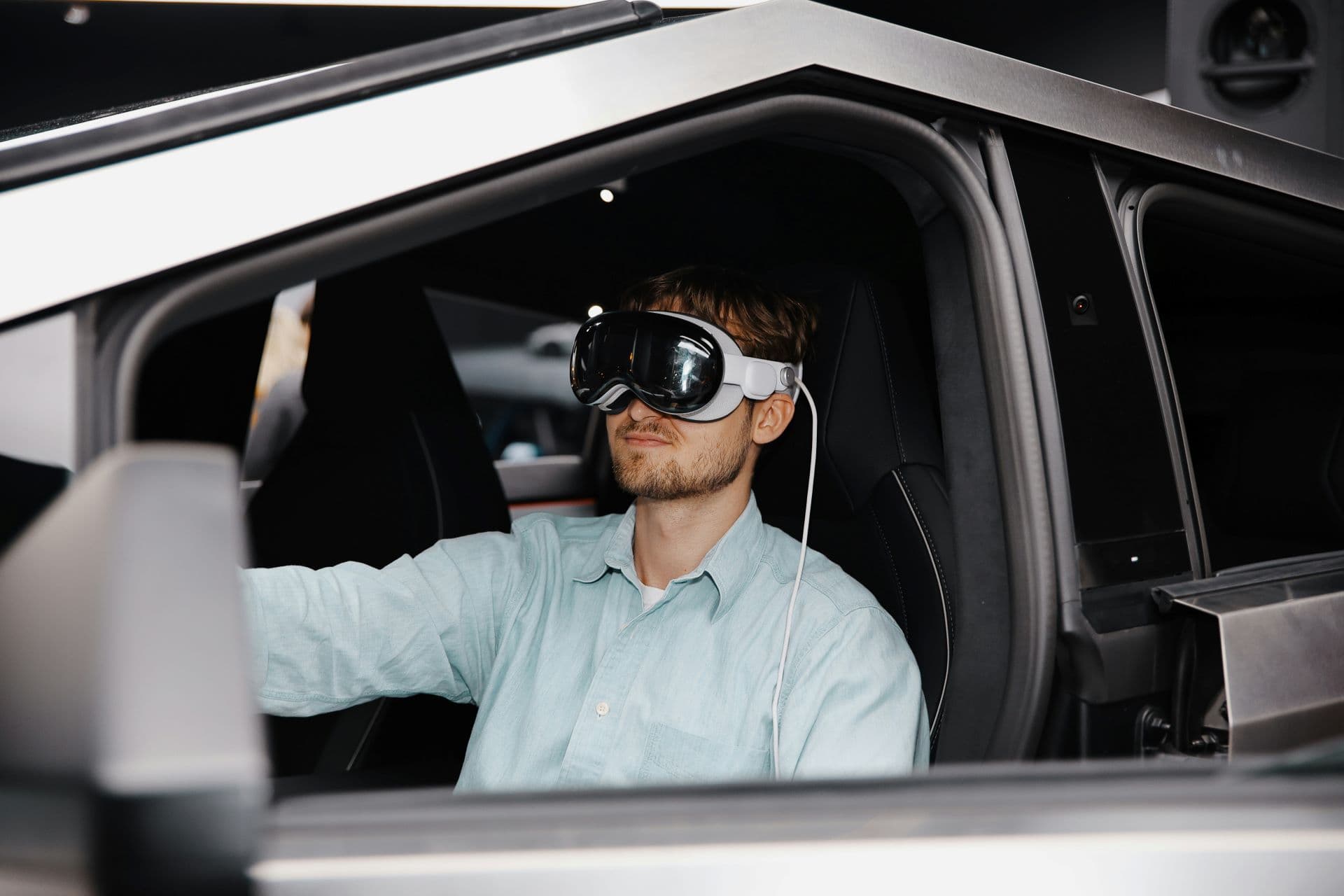
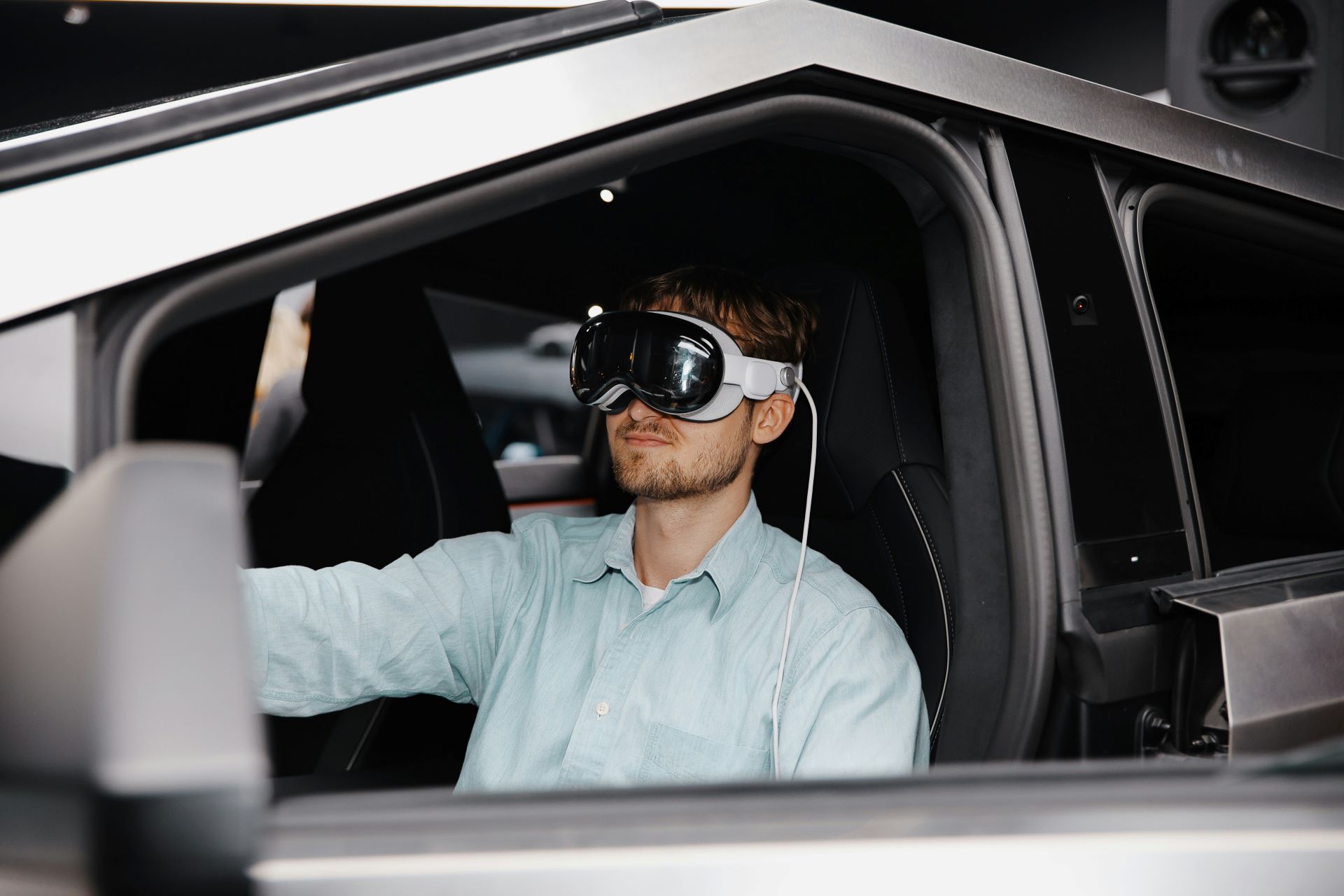
Virtual test drives in the metaverse offer simulated driving experiences where users can ÔÇ£driveÔÇØ a vehicle through digital environments. Leveraging VR headsets, haptic feedback, and high-resolution visuals, these experiences aim to replicate the feel of being behind the wheel ÔÇö without the real-world risks or limitations.
BMW, for instance, has experimented with VR test drives that mimic real-world performance and handling. Similarly, PorscheÔÇÖs partnership with Epic Games uses Unreal Engine to bring photorealistic car models and environments to life. While not a true substitute for a test drive on the open road, these virtual experiences bridge the gap between curiosity and conversion ÔÇö particularly for tech-forward buyers.
The Business Case for Virtual Engagement
Lower Overheads, Broader Reach
For dealerships, virtual showrooms reduce the need for expansive real estate and inventory management. A fully interactive, cloud-based showroom can service thousands of users simultaneously from anywhere in the world. This global reach creates new opportunities for smaller brands, luxury marques, and electric vehicle startups to showcase products in highly curated, premium digital spaces.
ThereÔÇÖs also a data dimension. Every click, glance, and interaction in a virtual space can be tracked, offering granular insights into consumer behavior. This level of detail allows manufacturers and dealerships to refine marketing strategies, identify high-interest features, and personalise future interactions.
Consumer Psychology in Virtual Spaces
Trust, Tactility, and Transparency
Despite the benefits, there are still psychological and emotional hurdles. Buying a car is often an emotional decision rooted in tactile engagement ÔÇö the feel of the steering wheel, the sound of the engine, the solidity of the doorÔÇÖs closure. Virtual experiences, no matter how advanced, must work hard to overcome the intangibility of the digital environment.
Trust is another factor. Consumers may question the reliability of a purchase made in a virtual world ÔÇö especially for big-ticket items. Here, blending virtual and real-world interactions becomes critical. Offering an immersive virtual preview followed by a real-world test drive may provide the ideal hybrid experience.
The Role of Web3, NFTs and Digital Ownership
Beyond the Car: A New Economy of Experience
In the broader metaverse economy, digital assets have value. Some automotive brands are now leveraging NFTs (non-fungible tokens) to offer exclusive ownership experiences. Think of it as a digital twin of your car ÔÇö complete with a blockchain-verified certificate of ownership, custom skins for in-game use, or VIP access to brand events.
For example, Lamborghini launched a limited NFT collection tied to virtual experiences and exclusive events. Others, like McLaren and Alfa Romeo, have dabbled in Web3 activations that merge the digital and physical worlds, often targeting younger, crypto-native audiences.
This move hints at a future where buying a car in the metaverse isnÔÇÖt just about mobility ÔÇö itÔÇÖs about community, exclusivity, and experience.
Regional Trends and Global Accessibility
Emerging Markets, Local Infrastructure
While countries like South Korea, Japan, Germany, and the United States are rapidly embracing metaverse-powered automotive experiences, emerging markets face infrastructural limitations. In places like South Africa, India, and parts of Latin America, bandwidth constraints and limited VR hardware penetration mean metaverse adoption may be slower.
However, the potential remains strong. With mobile-first platforms and cloud-streamed AR/VR content, brands can tailor their virtual strategies to suit local realities. Virtual dealerships may soon serve rural or underserved areas, reducing the need for costly physical expansions while enhancing brand presence.
Industry Players and Pioneers
WhoÔÇÖs Leading the Charge?
The list continues to grow ÔÇö with legacy manufacturers, luxury marques, and startups all testing the metaverse waters.
The Risks and Limitations
Hype vs. Long-Term Value
As with any emerging technology, thereÔÇÖs a risk of overpromising and underdelivering. The metaverse remains in its infancy, with fragmented platforms, inconsistent standards, and the ever-present threat of user fatigue.
Other concerns include:
Still, these issues are likely to evolve with time, regulation, and public feedback ÔÇö just as e-commerce did two decades ago.
A Hybrid Future
The Road Ahead
The future of automotive retail isnÔÇÖt purely physical or entirely virtual. Instead, itÔÇÖs likely to be phygital ÔÇö a hybrid of both. Imagine browsing a VR dealership on your smart TV, selecting a model, then booking an AR test drive that overlays the vehicle onto your driveway. A few days later, a concierge arrives with a physical test model, and the transaction is completed online with a digital contract ÔÇö including a matching NFT collectible.
This vision aligns with the consumer-first mentality that has taken root across industries. Convenience, immersion, transparency, and personalisation will drive adoption ÔÇö not novelty alone.

Gimmick or Game-Changer?
So, are metaverse test drives and virtual dealerships a gimmick or a game-changer?
The answer, unsurprisingly, lies in the middle. While much of the current buzz is fuelled by hype and experimentation, the underlying technology offers real value when deployed with strategy, empathy, and user-centric design.
Gimmicks fade. Game-changers evolve. As brands learn to blend immersive engagement with real-world impact, the metaverse could become an integral part of the automotive journey ÔÇö not just a digital sideshow.
For now, buckle up. The ride is just beginning.
Breyten Odendaal
Specializing in high-performance automotive advertising and digital marketing solutions, delivering cutting-edge insights and the latest news shaping the automotive industry in South Africa.
More From Advertising

Automotive Digital Ads in South Africa: A Shift
Exploring how South Africa’s automotive advertising evolved from print and broadcast to data-driven, programmatic digital ecosystems.

The Video Shift in Car Buying Decisions in SA
Explore how video content shapes car purchase decisions in South Africa, comparing short-form and long-form strategies for automotive marketers.

Why Automotive Ads Must Think Like E-Commerce
Automotive ads in South Africa need e-commerce style conversion thinking to boost leads, optimise funnels, and improve dealership ROI.