
The global shift towards electric mobility is as much a marketing challenge as it is a technological evolution. Among the greatest psychological hurdles for consumers considering an electric vehicle (EV) is range anxiety ÔÇô the fear that a vehicle has insufficient battery range to reach its destination. While infrastructure improvements, battery innovations, and government incentives steadily ease the transition, automotive and energy brands are increasingly relying on smart, strategic communication to turn a long-held concern into a point of confidence.
In this article, we explore how brands across the EV ecosystem ÔÇô from legacy automakers to new energy entrants ÔÇô are reframing range anxiety not as a weakness, but as an opportunity to showcase innovation, convenience, and cultural alignment. The goal: not just to sell EVs, but to sell peace of mind in a rapidly electrifying world.
Understanding the Psychology Behind Range Anxiety
Before brands can market their way around range anxiety, they must first understand its roots. Unlike traditional ÔÇÿpain pointsÔÇÖ like pricing or product performance, range anxiety taps into something more visceral: the human need for certainty, control, and continuity.
A 2024 EY Global Mobility Consumer Index found that 52% of consumers globally still cite range limitations and charging infrastructure as their top concerns about going electric. Interestingly, the emotional component of this concern far outweighs its statistical validity: the average daily commute in the UK or US is under 30 miles, yet even early EVs offered 100+ miles on a single charge.
This disconnect between perception and reality is fertile ground for brand storytelling. As a result, many campaigns today are shifting from hard stats to human-centred reassurance.
Leading with Education, Not Expectation
Early EV marketing often mirrored the tech world: feature-led, performance-heavy, and riddled with acronyms. Today, the tone has changed. Brands now prioritise consumer education through storytelling ÔÇô not to dazzle with data, but to build comfort through clarity.
Case Study: FordÔÇÖs ÔÇ£Go ElectricÔÇØ Campaign
FordÔÇÖs pan-European ÔÇ£Go ElectricÔÇØ experience included immersive roadshows and virtual test drives where participants could simulate daily commutes and charging habits. The focus wasnÔÇÖt on top speed or torque; it was on demystifying everyday EV ownership. In doing so, Ford repositioned range not as a barrier, but as a manageable element of modern mobility.
Key Takeaway: Education reframes anxiety by replacing abstract fear with tangible familiarity.
Infrastructure as a Branding Battleground
Infrastructure ÔÇô or the perceived lack thereof ÔÇô has long been the scapegoat for EV hesitancy. But increasingly, automakers and charging networks are turning this challenge into a branding advantage.
Tesla: Turning Infrastructure Into Identity
TeslaÔÇÖs Supercharger network isnÔÇÖt just functional ÔÇô itÔÇÖs foundational to the brand. By offering exclusive, fast, and widely located charging points, Tesla turned infrastructure into a premium customer experience. With Superchargers often located near caf├®s or co-working lounges, Tesla reframed charging time as productive downtime.
Shell Recharge and BP Pulse: Oil Giants Reinventing Their Narrative
Traditional energy brands are also repositioning themselves. ShellÔÇÖs Recharge network now spans forecourts across the UK and Europe, while BP Pulse offers subscription models and smart-charging home kits. For both brands, the shift isnÔÇÖt just infrastructural ÔÇô itÔÇÖs reputational. Every charging point becomes a signal of change.
Key Takeaway: Infrastructure builds trust. Brands that visibly invest in it communicate long-term commitment, not short-term experimentation.
Range Reassurance Through Technology
Technology plays a dual role in mitigating range anxiety: it extends physical range and enhances perceived control.
Predictive Range Tools and Smart Routing
Brands like Hyundai and Polestar now offer dynamic range estimators that adapt in real-time to driving style, temperature, and topography. Some models incorporate AI routing, which suggests nearby chargers when battery levels dip below a certain threshold.
BMWÔÇÖs ÔÇ£eDrive ZonesÔÇØ in Europe
BMWÔÇÖs geo-fencing tech automatically switches PHEVs into electric-only mode when entering city centres. This not only maximises range in urban areas but showcases tech that anticipates needs before the driver even considers them.
Key Takeaway: Intelligent systems not only increase physical range but also reduce mental load ÔÇô transforming fear into trust.
Culture, Community and the Power of Reframing
Perhaps the most profound shift in EV marketing is cultural. Rather than focusing solely on engineering, forward-thinking brands now tap into lifestyle narratives, community belonging, and broader ecological consciousness.
MINI: Electrifying Urban Nostalgia
At events like the Goodwood Revival, MINI blends retro aesthetics with EV tech ÔÇô positioning electric mobility not as a break from the past, but an evolution of beloved identities. Their 2024 Aceman campaign, for instance, invited owners into laundrette-themed lounges that symbolised ÔÇ£clean energy meets clean design.ÔÇØ
Volvo and Sustainability as Storytelling
Volvo has leaned heavily into its Scandinavian identity, pairing minimalist design with sustainability-driven narratives. Its EX30 campaign highlights the carbon lifecycle of the vehicle, while also underscoring that 80% of charging is done at home ÔÇô making range a non-issue for most.
Key Takeaway: Range anxiety doesnÔÇÖt exist in a vacuum. Reframing it as part of a broader cultural identity (eco-conscious, tech-savvy, urban-cool) provides emotional anchoring.
Humor, Humanity, and the Campaigns That Work
Some of the most memorable campaigns tackling range anxiety do so with levity and charm.
Volkswagen ID.4 ÔÇô ÔÇ£Before ItÔÇÖs Too LateÔÇØ
In a 2023 US campaign, Volkswagen featured a man fleeing into the wilderness with survival gear to avoid the grid. The twist? He had misunderstood EV range. The ID.4 easily covered the distance, leaving him stranded in the woods for no reason. Humour here helped to humanise the learning curve, making EV adoption less intimidating.
Nissan Ariya ÔÇô ÔÇ£The Long Way RoundÔÇØ
This beautifully shot documentary followed British adventurers Chris and Julie Ramsey on a pole-to-pole drive in the electric Nissan Ariya. The story didnÔÇÖt hide the challenges ÔÇô it celebrated them, turning range into resilience. The message? EVs are ready for your commute ÔÇô and then some.
Key Takeaway: Authenticity and storytelling beat scare tactics. Brands that laugh with consumers (not at them) earn trust.
Marketing Beyond the Car ÔÇô Ecosystems and Energy Brands
As EVs intersect more with smart homes, solar panels, and energy providers, the narrative is expanding. Now, itÔÇÖs not just about the car ÔÇô itÔÇÖs about the lifestyle and infrastructure that surrounds it.
Octopus Energy and Grid-Integrated Messaging
In the UK, Octopus Energy has become synonymous with clean, intelligent energy. Its ÔÇ£Agile OctopusÔÇØ tariff lets EV owners charge when prices ÔÇô and emissions ÔÇô are lowest. Their communications rarely show cars; instead, they show empowered users managing energy on their phones.
HyundaiÔÇÖs Vehicle-to-Load (V2L) Storytelling
Hyundai markets V2L features in its IONIQ models by showing people powering campsites, coffee machines, and laptops from their car batteries. Suddenly, EVs arenÔÇÖt limited by range ÔÇô theyÔÇÖre mobile power stations.
Key Takeaway: Expand the frame. EV adoption is not just about transport ÔÇô itÔÇÖs about lifestyle, autonomy, and future-ready thinking.
From Anxiety to Empowerment
Reframing range anxiety is not about dismissing consumer fears ÔÇô itÔÇÖs about honouring them with credible, emotionally resonant solutions. The most successful brands in the EV space arenÔÇÖt the ones shouting loudest about kilowatt hours or charging speeds. TheyÔÇÖre the ones telling human stories, delivering meaningful experiences, and showing ÔÇô not telling ÔÇô that electric mobility is both possible and preferable.
As the automotive world moves ever closer to full electrification, the winners will be those who master the balance of technology and trust, infrastructure and inspiration. In this way, the reframing of range anxiety becomes more than a marketing tactic ÔÇô it becomes a blueprint for the future of mobility communications.
Breyten Odendaal
Specializing in high-performance automotive advertising and digital marketing solutions, delivering cutting-edge insights and the latest news shaping the automotive industry in South Africa.
More From Advertising
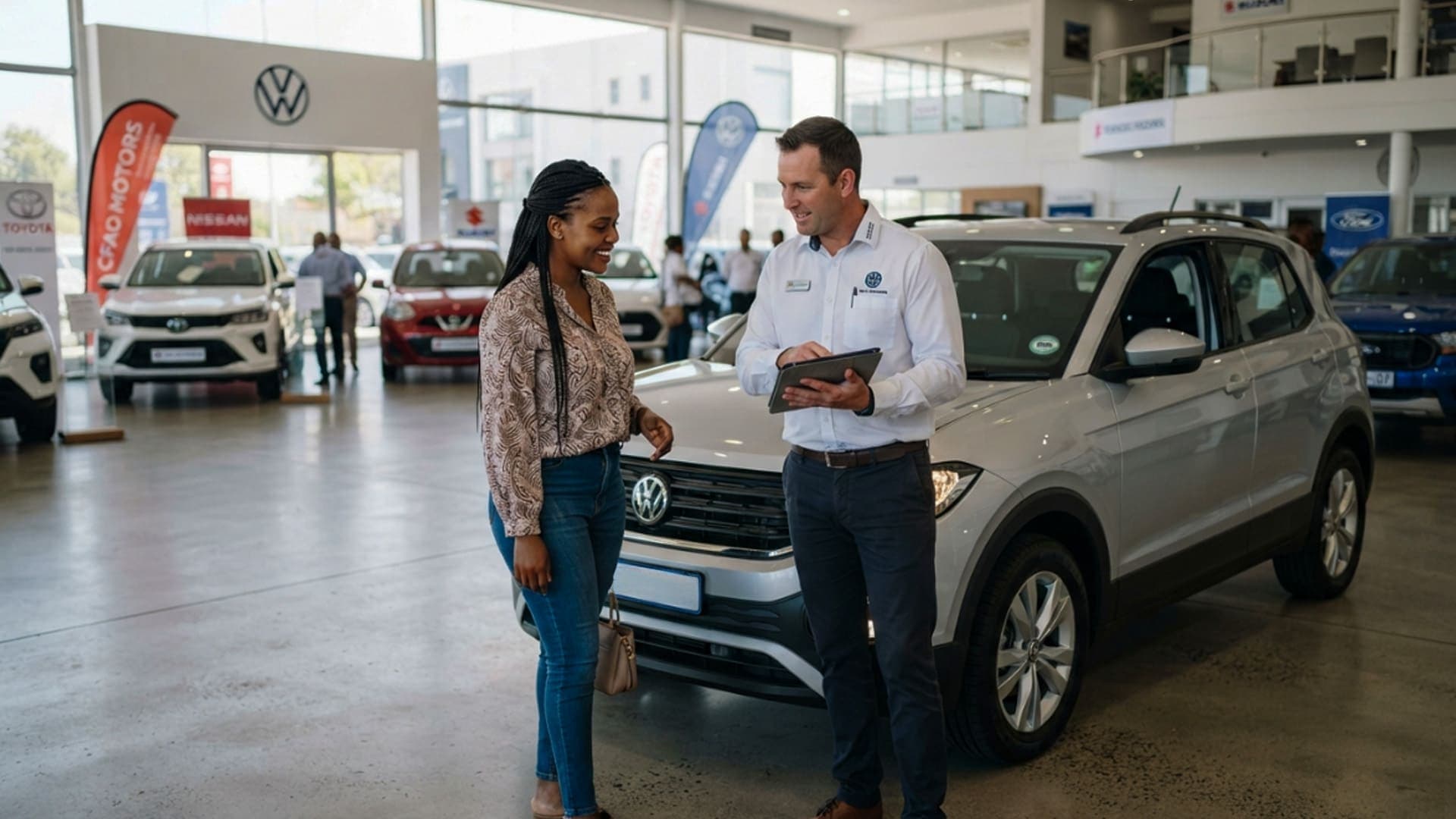
Automotive Advertising in 2026: Selling Confidence in a More Competitive Market
As South Africa’s vehicle market becomes more competitive, automotive advertising needs to do more than announce a price or specification. It needs to help buyers understand value, ownership costs and why a vehicle suits their lives.

Automotive Digital Ads in South Africa: A Shift
Exploring how South Africa’s automotive advertising evolved from print and broadcast to data-driven, programmatic digital ecosystems.

The Video Shift in Car Buying Decisions in SA
Explore how video content shapes car purchase decisions in South Africa, comparing short-form and long-form strategies for automotive marketers.