
The automotive world has always been defined by its relentless pursuit of innovation, blending engineering marvels with a passion for performance that resonates deeply with enthusiasts. From the roar of high-performance engines to the craftsmanship of design, vehicles have become more than machinesÔÇöthey're symbols of progress, freedom, and ingenuity. Today, the industry stands on the brink of its next great transformation: transitioning from internal combustion engines (ICE) to hydrogen power.
For decades, ICE vehicles have dominated the roads, fueling dreams and adventures. But as environmental concerns grow and sustainability becomes a global priority, the need for cleaner, greener alternatives has never been more pressing. Enter hydrogen powerÔÇöa technological frontier promising zero emissions, exceptional performance, and the allure of pioneering a new automotive era. This shift is not merely a technological evolution but a redefinition of what mobility can achieve, offering enthusiasts the chance to embrace the future without compromising the thrill that drives their passion.
This article explores the journey from ICE to hydrogen power, celebrating the legacy of combustion engines while highlighting the promise of hydrogen technology. Together, weÔÇÖll delve into the history of ICE, demystify hydrogen power, address challenges, and spotlight inspiring innovators, all while painting a vision of a future shaped by hydrogen.
The History and Legacy of Internal Combustion Engines
For over a century, the internal combustion engine has been the beating heart of the automotive world. Its development marked a turning point in human mobility, transforming how people lived, worked, and connected. From Karl BenzÔÇÖs first patent motorcar in 1886 to the supercharged marvels of modern engineering, ICE technology has continually evolved, pushing the boundaries of performance and reliability.
The legacy of ICE vehicles is steeped in milestones that define automotive culture. Think of the V8 engines that powered AmericaÔÇÖs muscle car era, the turbocharged innovations that brought thrills to rally circuits, and the meticulous engineering behind Formula 1 powertrains. These engines are more than mechanical systemsÔÇöthey are the soul of vehicles that have captivated generations of enthusiasts.
The allure of ICE lies not only in its mechanical intricacy but also in its visceral appeal. The growl of a high-performance engine, the precision of its components, and the artistry of its design have made ICE vehicles icons of automotive passion. Yet, with all its glory, the ICE era has come at an environmental cost. Rising emissions and finite fossil fuel resources have pushed the industry to seek alternatives that honor ICE's legacy while addressing these critical challenges.

Introduction to Hydrogen Power
Hydrogen power represents the dawn of a new era in automotive technology. At its core, hydrogen power relies on fuel cells that convert hydrogen gas into electricity, emitting only water vapor as a byproduct. Unlike battery-electric vehicles (BEVs), hydrogen-powered cars refuel quickly and offer greater range, making them particularly appealing for long-distance travel and heavy-duty applications.
The benefits of hydrogen power are as compelling as they are transformative. With zero tailpipe emissions, it addresses environmental concerns while delivering high energy efficiency and potential performance that rivals or even surpasses traditional ICE vehicles. Moreover, hydrogen offers versatilityÔÇöit can be produced from various sources, including renewable energy, ensuring its role in a sustainable energy ecosystem.
Misconceptions around hydrogen, such as concerns over safety or infrastructure feasibility, often overshadow its promise. However, modern advancements have debunked many of these myths. Hydrogen storage and transport are now safer than ever, with stringent standards ensuring reliability. Similarly, investments in infrastructure are accelerating, with governments and automakers collaborating to expand refueling networks worldwide.
The Transition Journey - Challenges and Solutions
The shift from ICE to hydrogen power is not without its challenges. Building a hydrogen economy requires overcoming hurdles such as high production costs, limited infrastructure, and the need for public acceptance. However, these obstacles are far from insurmountable.
Advancements in fuel cell technology have significantly reduced costs, making hydrogen vehicles increasingly competitive with BEVs and traditional ICE cars. Automakers are also investing heavily in scaling hydrogen production, often using renewable energy to create green hydrogen, the cleanest form of this fuel.
Infrastructure development is another critical area of focus. Leading markets such as Japan, South Korea, and parts of Europe are setting up extensive hydrogen refueling networks. In the US, states like California are pioneering similar efforts, ensuring that refueling is convenient and accessible for early adopters.
Collaboration has become the cornerstone of progress. Partnerships between automakers, energy providers, and governments are paving the way for a robust hydrogen ecosystem. By working together, stakeholders are addressing technical and logistical challenges, ensuring that the transition to hydrogen power is both seamless and sustainable.
Inspiring Case Studies and Innovators
The automotive industryÔÇÖs shift toward hydrogen power has already seen trailblazing efforts that inspire optimism. Take, for example, ToyotaÔÇÖs Mirai, a sleek hydrogen fuel cell vehicle that combines cutting-edge technology with everyday usability. HyundaiÔÇÖs NEXO takes this further, offering exceptional range and a focus on design innovation, proving that hydrogen cars can be both practical and aspirational.
Innovators like Nikola Motors and their hydrogen-powered trucks are redefining whatÔÇÖs possible for commercial vehicles, showcasing the viability of hydrogen in heavy-duty transportation. Similarly, hydrogen-powered hypercars like the Hyperion XP-1 demonstrate that zero-emission technology can deliver breathtaking performance and design.
Behind these innovations are passionate individuals and visionary leaders. Figures such as Akio Toyoda, who has championed hydrogen within Toyota, and pioneers in the energy sector are driving progress, ensuring that hydrogen becomes a cornerstone of the automotive future.
Future Perspectives and the Enthusiast's Role
Imagine a world where hydrogen-powered vehicles dominate the roads, blending sustainability with unmatched performance. This vision is not a distant dreamÔÇöitÔÇÖs a tangible future that enthusiasts can help shape. By embracing hydrogen technology, they can become advocates for a cleaner, more exciting automotive landscape.
Automotive enthusiasts have always been at the forefront of innovation, demanding performance, style, and substance. Their voices matter in this transition, as manufacturers rely on consumer feedback to refine and improve hydrogen vehicles. By championing hydrogen power, enthusiasts can accelerate its adoption, ensuring that it fulfills its potential.
Owning and supporting hydrogen vehicles is not just a personal choiceÔÇöitÔÇÖs a statement of commitment to the environment and the evolution of mobility. ItÔÇÖs an opportunity to merge passion with purpose, proving that sustainability and exhilaration can coexist.
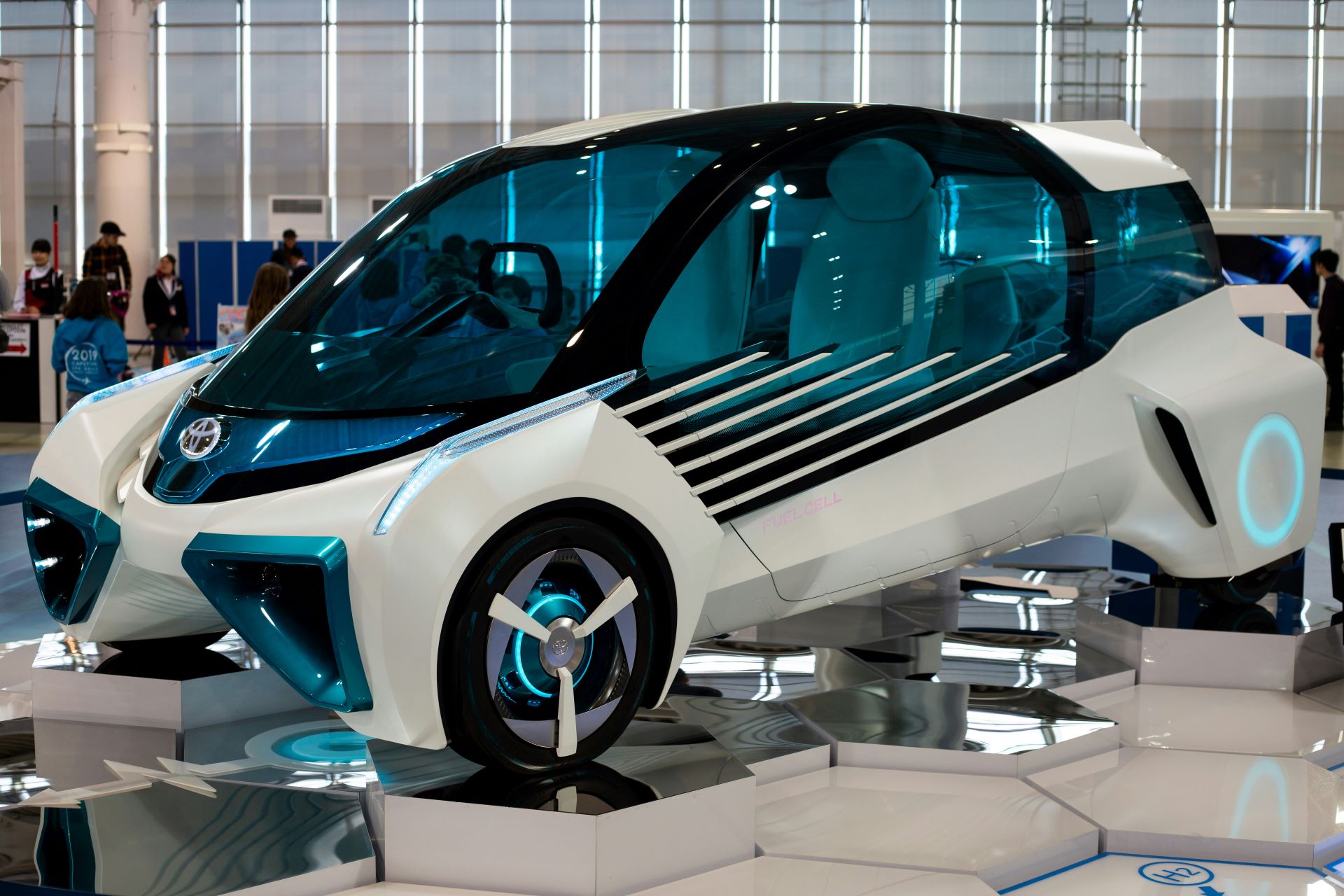
The transition from internal combustion engines to hydrogen power marks a defining moment in automotive history. ItÔÇÖs a journey that honors the legacy of ICE while embracing a future defined by innovation and sustainability. Hydrogen power holds the promise of zero-emission mobility without sacrificing performance or excitement, making it a natural evolution for enthusiasts who crave both progress and passion.
As the automotive world embarks on this transformative journey, the role of enthusiasts becomes ever more vital. By advocating for hydrogen power, they can ensure that this exciting technology reaches its full potential, contributing to a cleaner, more dynamic future. The road ahead is bright, and the engine of change is already revvingÔÇöare you ready to drive it forward?
Breyten Odendaal
Specializing in high-performance automotive advertising and digital marketing solutions, delivering cutting-edge insights and the latest news shaping the automotive industry in South Africa.
More From Advertising

Automotive Advertising in 2026: Selling Confidence in a More Competitive Market
As South Africa’s vehicle market becomes more competitive, automotive advertising needs to do more than announce a price or specification. It needs to help buyers understand value, ownership costs and why a vehicle suits their lives.

Automotive Digital Ads in South Africa: A Shift
Exploring how South Africa’s automotive advertising evolved from print and broadcast to data-driven, programmatic digital ecosystems.

The Video Shift in Car Buying Decisions in SA
Explore how video content shapes car purchase decisions in South Africa, comparing short-form and long-form strategies for automotive marketers.