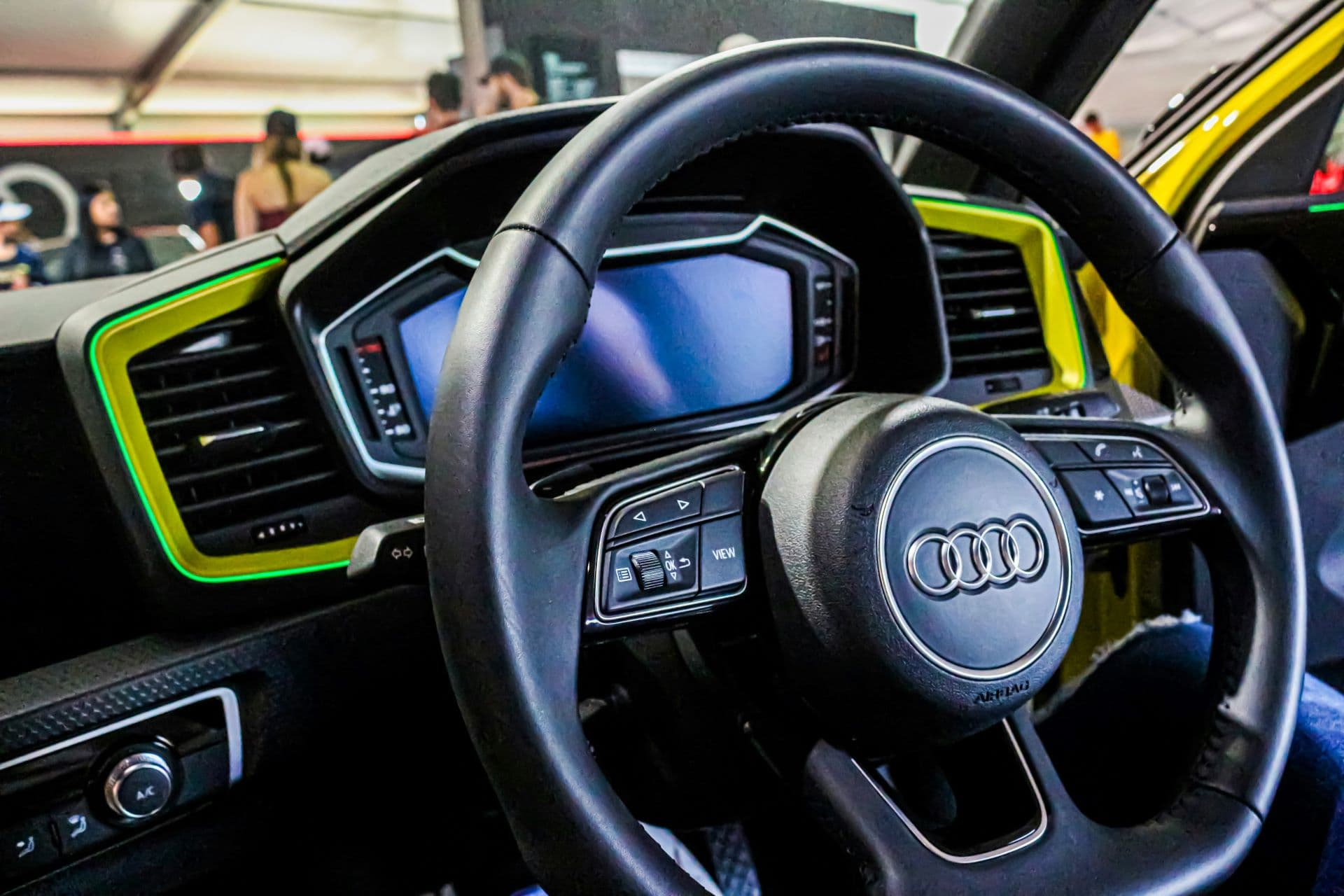
The Car as a Tech Ecosystem
The automotive industry is no longer solely about metal, horsepower, or road presence. TodayÔÇÖs vehicles are becoming dynamic, connected platforms, blurring the lines between traditional car ownership and the digital experiences weÔÇÖve come to expect from our smartphones. Modern consumers no longer want a static productÔÇöthey want a car that evolves alongside their lifestyles, a vehicle that grows smarter over time, and a platform where new functionalities can be added as easily as installing an app.
This paradigm shift is reshaping the very way cars are marketed. No longer is the pitch about engine displacement or torque curves alone; itÔÇÖs about feature-as-a-service, over-the-air upgrades, and subscription models that create a continuous engagement loop between brand and owner. Automotive brands are now vying for attention in a marketplace that thinks in megabytes and updates, not just kilometers and fuel efficiency.
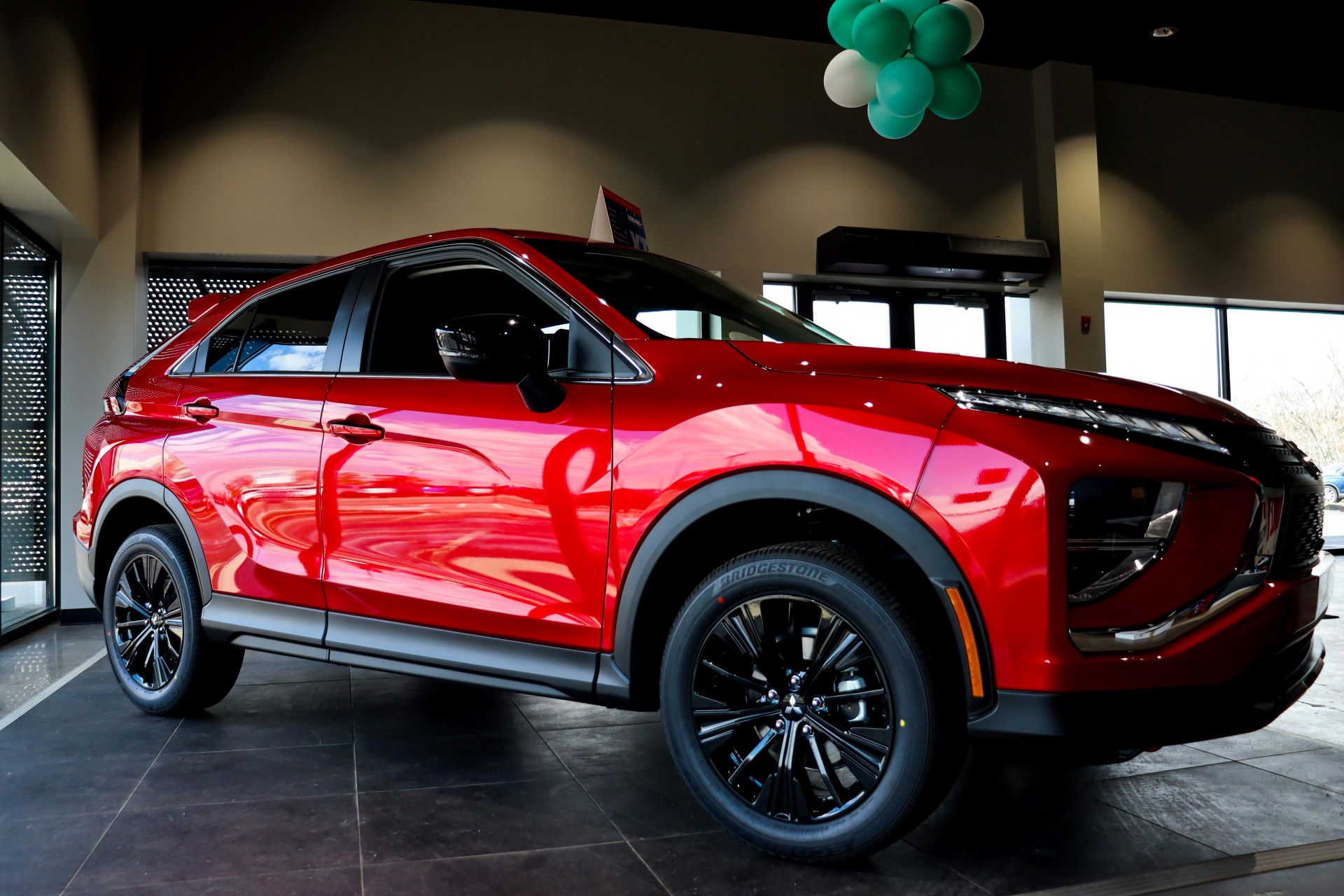
The Rise of the Connected Vehicle
Connected vehicles form the backbone of the ÔÇ£software on wheelsÔÇØ concept. Sensors, cloud connectivity, AI-driven systems, and advanced telematics mean that a car can now collect, analyze, and act on data in real time. For marketers, this represents a shift from a one-time purchase to a lifetime relationship.
Consider the example of over-the-air (OTA) software updates. Tesla made headlines by transforming cars into devices that could improve post-purchase, enabling everything from performance enhancements to entirely new features, without the driver ever stepping foot in a service center. Audi, BMW, and Mercedes-Benz have followed suit, offering modular upgrades ranging from infotainment enhancements to advanced driver-assistance systems. For consumers, cars are no longer static; theyÔÇÖre living, breathing platforms that grow smarter with time.
From a marketing standpoint, this shift requires a narrative overhaul. Advertisements can no longer focus solely on what a car is todayÔÇöthey must also communicate what it can become tomorrow. Here, the language of technology becomes crucial. Words like ÔÇ£upgradeable,ÔÇØ ÔÇ£subscription-enabled,ÔÇØ and ÔÇ£cloud-connectedÔÇØ resonate more with modern buyers than engine specifications alone.
Subscription Models: Monetising Features, Not Just Vehicles
The subscription economy has reshaped industries from media to mobility, and now itÔÇÖs infiltrating automotive sales. Subscription-based features allow consumers to pay for functionality as needed rather than upfront. Think of activating heated seats only in winter months, or unlocking advanced autopilot features during long-distance trips.
This approach has two marketing advantages. First, it creates a continuous revenue stream, moving away from the traditional model of a one-time sale. Second, it keeps the consumer engaged with the brand over time. Instead of the relationship ending at purchase, the car becomes a channel for recurring touchpointsÔÇönotifications about available upgrades, suggestions for new features, or invitations to beta-test emerging software.
For instance, VolvoÔÇÖs ÔÇ£Care by VolvoÔÇØ subscription model provides a bundled approach, including insurance, maintenance, and vehicle software upgrades, all packaged into a recurring monthly payment. BMWÔÇÖs digital offerings allow drivers to purchase performance upgrades or infotainment modules on-demand. These programs transform marketing from a static campaign into an ongoing conversation, allowing brands to leverage customer data for personalised messaging.
Emphasising Instant Gratification Through Tech
One of the key draws of software-centric vehicles is instant gratification. Unlike traditional automotive upgrades that require workshops and weeks of wait time, software features can be deployed in minutes. Marketers can leverage this immediacy to build excitement and anticipation. Campaigns may highlight how drivers can ÔÇ£unlockÔÇØ a new driving mode over a weekend or add a premium navigation feature with a few taps.
Here, the marketing approach borrows heavily from consumer tech. Sneak peeks, countdowns, and limited-time feature releases mirror the launch strategies of smartphone apps. By framing upgrades as events, brands can cultivate community engagement, tapping into social media buzz and word-of-mouth excitement. ItÔÇÖs no longer just a carÔÇöitÔÇÖs a canvas for experiences that evolve in real time.
Driving Loyalty Through Personalisation
Data-driven personalisation is the linchpin of the software-on-wheels approach. Every connected car generates streams of data on driver habits, preferred routes, infotainment usage, and even environmental conditions. Brands can leverage this intelligence to tailor marketing campaigns that speak to individual needs.
Imagine receiving a notification suggesting an advanced safety package because your car has detected repeated night-time city driving. Or an offer for a performance mode upgrade after consistent highway use. Marketing messages transition from generic promotions to hyper-relevant recommendations, making the consumer feel understood and valued. This type of ongoing engagement fosters loyalty far beyond traditional service reminders or seasonal campaigns.
Monetising the Digital Vehicle
As cars transition from static machines to evolving platforms, marketing strategies must evolve in tandem. Beyond subscriptions and feature upgrades, brands are exploring ways to monetise vehicle data, driver behaviour, and connected services. The vehicle itself becomes a revenue-generating ecosystem, with opportunities to offer personalised experiences, targeted promotions, and ancillary services.
Data monetisation isnÔÇÖt just about direct revenue. When handled ethically and transparently, it can enhance the customer experience while reinforcing brand trust. Automotive marketing now includes campaigns that emphasise how connected services improve safety, efficiency, and convenience. For instance, predictive maintenance notifications not only prevent breakdowns but also position the brand as proactive, intelligent, and attentive to customer needs.
Dynamic pricing models further amplify the software-on-wheels proposition. Features can be bundled, timed, or offered at different tiers, creating flexibility for drivers and additional marketing hooks for brands. Highlighting exclusivityÔÇösuch as premium performance upgrades available for a limited timeÔÇöadds a layer of desirability, echoing the launch strategies of high-demand consumer electronics.
Communicating Evolution: Marketing Challenges
Selling a car as a dynamic platform requires reframing the purchase experience. Traditional automotive marketing leans heavily on tangible attributes: horsepower, torque, aesthetics. The software-on-wheels model, however, introduces intangible qualities: adaptability, intelligence, and continuous improvement. Conveying these abstract benefits demands a sophisticated narrative, one that blends technology literacy with aspirational storytelling.
Marketers must also address skepticism. Consumers may question whether promised updates will be delivered, or whether subscription fees represent genuine value. Transparent communication, clear demonstration of real-time updates, and showcasing successful feature rollouts are essential. Campaigns should spotlight user testimonials, on-road experiences, and demonstrable improvements post-purchase.
Interactive digital experiences can help bridge the comprehension gap. Virtual dashboards, augmented reality demos, and in-showroom touchpoints allow potential buyers to visualise how their car will evolve. Marketers can craft scenarios where the vehicle grows with the ownerÔÇÖs lifestyle, reinforcing that purchasing today is not the end but the beginning of a journey.
Experiential Marketing in the Software Era
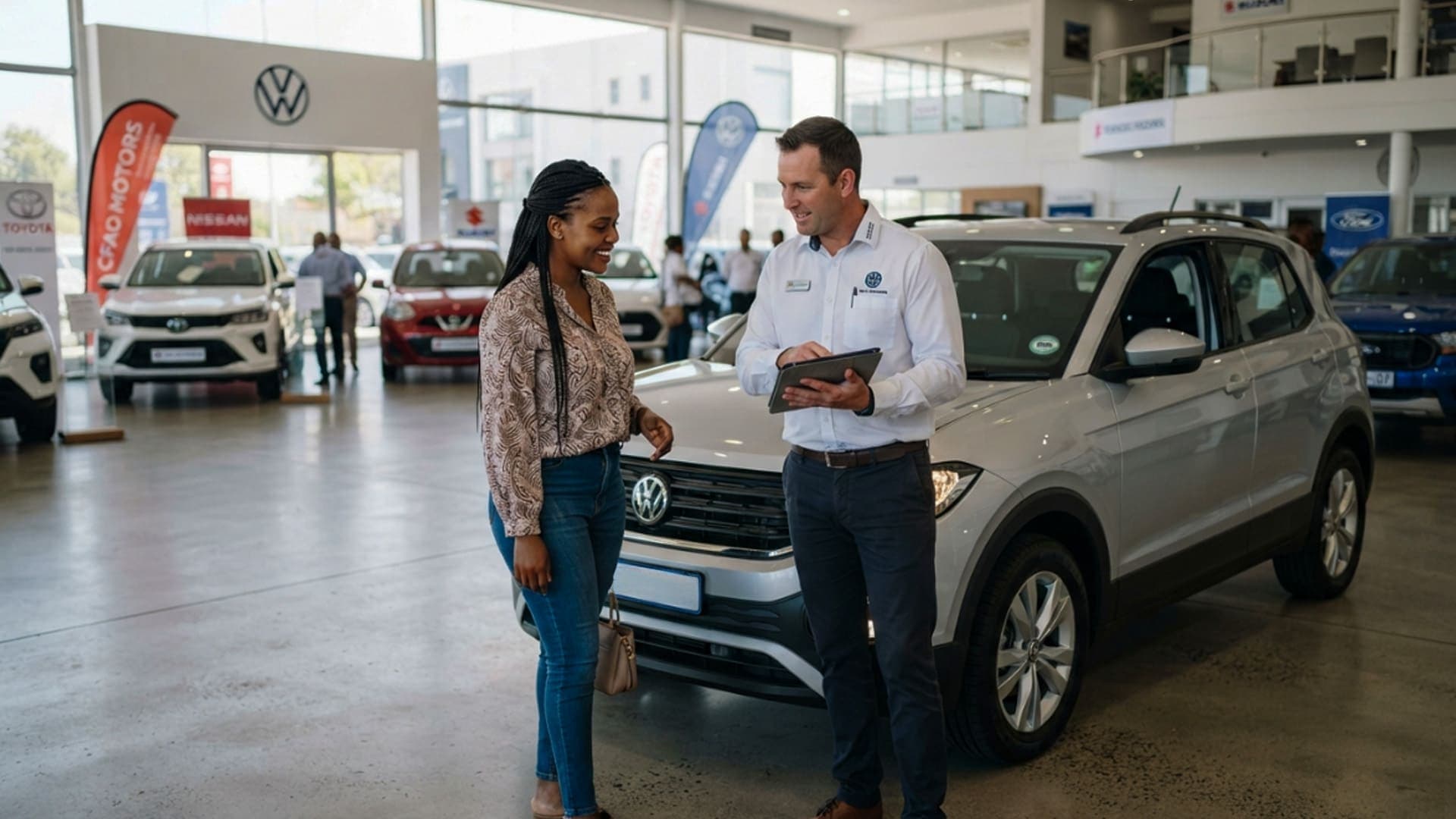
Physical touchpoints remain critical even in a digitally dominated narrative. Experiential marketingÔÇöpop-up events, interactive test drives, and live software demonstrationsÔÇöcan transform a car from a product into an immersive tech experience. Imagine a customer stepping into a showroom, activating a feature live on the vehicle, and immediately seeing the impact on performance, handling, or entertainment. Such experiences make abstract tech tangible, bridging the gap between excitement and comprehension.
These events also generate rich content for digital campaigns. Clips of live feature activations, driver reactions, and demonstrations of seamless OTA upgrades provide material for social media, targeted ads, and email campaigns. The marketing cycle becomes a continuous loop of engagement, from experience to shareable content to renewed interest.
Integrating Gamification and Community
Gamification offers another layer of engagement. Brands can introduce rewards for using features, participating in software beta programs, or completing challenges such as eco-driving targets. By creating a sense of progression and achievement, automotive marketing mirrors the engagement strategies of mobile gaming and fitness apps. Communities form organically, fostering brand loyalty and turning owners into advocates.
Subscription models can amplify this effect. Drivers who unlock advanced features, customise vehicle interfaces, or participate in limited-time events may gain access to exclusive digital content or special experiences. The car transforms into a personalised playground, where technology and lifestyle intersect. Marketing narratives can frame ownership as an evolving journey rather than a static transaction.
Global Brand Strategies in the Software-First Era
The software-on-wheels model isnÔÇÖt limited to any single marketÔÇöit represents a global shift in automotive strategy. Leading brands must tailor campaigns to regional expectations while maintaining a cohesive narrative around technology, adaptability, and continuous engagement. What resonates with tech-savvy urban consumers in Berlin may differ from preferences in Tokyo or Cape Town, yet the underlying principle remains: cars are evolving platforms, not fixed products.
Luxury and performance brands have a unique advantage. Tesla, Porsche, and Mercedes-Benz market software upgrades not just as convenience features but as aspirational badges of ownership. Messaging emphasises not only what the vehicle can do today, but what it could do tomorrow, creating a sense of exclusivity. Meanwhile, mass-market brands like Hyundai and Volkswagen highlight accessibility, convenience, and affordability, positioning OTA upgrades and subscriptions as tools to enhance daily life without financial or logistical burden.
For marketing teams, the challenge is balancing aspirational storytelling with technical literacy. Campaigns must communicate complex software capabilities in ways that feel intuitive and emotionally compelling. Success comes when consumers understand not only the utility of the upgrade but also the lifestyle benefitsÔÇöeffortless convenience, smarter safety, and personalised experiences.
Competitive Positioning in the Age of OTA Features
Over-the-air updates and subscription-based functionalities are now differentiators in a competitive market. Marketers can leverage these capabilities to position their brands as innovators. Campaigns may emphasise ÔÇ£future-proofingÔÇØ a vehicle, creating a perception that the car remains cutting-edge years after purchase. This approach reduces the traditional urgency of vehicle replacement cycles, shifting focus from depreciation to evolution.
Feature-based competition also encourages brands to highlight ease of integration and user control. Unlike fixed systems that become obsolete, software-on-wheels allows drivers to selectively adopt new features. Marketing narratives can emphasise that the car adapts to the driverÔÇönot the other way around. This perspective shifts consumer perception from transactional ownership to participatory stewardship of a dynamic platform.
Long-Term Impact on Brand Loyalty
The transformation to software-centric vehicles fundamentally changes the customer lifecycle. Traditional loyalty programs, once dependent on service visits or periodic promotions, are being replaced by continuous engagement strategies. With subscription models, over-the-air updates, and personalised recommendations, brands can maintain meaningful touchpoints every week, month, or quarter.
Long-term loyalty now stems from a combination of utility, delight, and anticipation. Utility comes from features that simplify or enhance daily life. Delight arises from unexpected enhancementsÔÇönew entertainment modes, dynamic performance upgrades, or customised interfaces. Anticipation builds as drivers look forward to forthcoming features or exclusive events, maintaining emotional attachment over the life of the vehicle.
Marketing campaigns can integrate all three elements seamlessly. Teasers for upcoming features, exclusive subscriber content, and personalised upgrade recommendations can become part of the brand narrative, reinforcing that the carÔÇöand the brandÔÇöremains relevant, responsive, and aspirational.
Challenges and Opportunities for Marketing Teams
While the potential is enormous, the shift to software-on-wheels presents distinct challenges. Marketing teams must bridge the gap between hardware perception and software reality, educate consumers on evolving offerings, and communicate the value of features they may not yet physically possess.
Transparency is key. Consumers need clarity on what comes included with their vehicle, what can be added, and how subscriptions work. Marketing strategies must therefore balance excitement with honesty, avoiding overpromising or creating confusion. Brands that succeed in this space will not only generate immediate engagement but also foster trust and credibility, critical for long-term loyalty.
Opportunity lies in the integration of digital ecosystems. Vehicles can connect with smartphones, smart homes, and broader mobility networks, allowing marketing campaigns to emphasise seamless, interconnected lifestyles. By positioning the car as a central node in a broader digital environment, brands can enhance perceived value and create multiple touchpoints for engagement, communication, and upselling.
Future Trends: From Cars to Evolving Platforms
The evolution of vehicles into dynamic tech platforms is only accelerating. AI-driven features, predictive analytics, and next-generation connectivity are poised to redefine what consumers expect from ownership. Marketing strategies must anticipate these changes, positioning brands as innovators at the forefront of mobility.
One emerging trend is personalised AI co-pilots. Imagine a vehicle that learns your driving habits, route preferences, and entertainment choices, then recommends upgrades, optimises performance, or even predicts maintenance needs. Marketing campaigns can highlight these capabilities as lifestyle enhancers, framing the car as both assistant and companion.
Another development is integration with smart city infrastructure. Cars will communicate with traffic systems, energy grids, and mobility networks, creating opportunities for marketers to showcase enhanced efficiency, safety, and convenience. By aligning campaigns with broader ecosystem benefits, brands position themselves as not only automotive leaders but also contributors to smarter, more sustainable urban mobility.
Emerging Business Models: Beyond Ownership
The software-on-wheels paradigm also enables novel business models. Vehicle-as-a-service (VaaS) platforms, feature subscriptions, and performance-based upgrades transform ownership from a static purchase to a continuously evolving experience. Marketing strategies can now focus on flexibility, personalisation, and long-term engagement rather than one-time sales.
Brands are experimenting with tiered experiencesÔÇöoffering basic packages at purchase while promoting premium upgrades or seasonal features. This mirrors the app economy, where consumers pay for what they use, when they need it. By emphasising choice and control, marketers tap into modern consumer desires for autonomy, adaptability, and efficiency.
Building Emotional Connection Through Tech
While technology is the driver, emotional connection remains the heart of effective marketing. The software-on-wheels narrative allows brands to craft stories of empowerment and lifestyle enhancement. Drivers are no longer passive users; they are active participants in an evolving ecosystem, shaping the car to meet their personal needs.
Campaigns that highlight moments of delightÔÇöunlocking a new performance mode, activating a personalised interface, or experiencing a seamless upgradeÔÇöreinforce emotional bonds. Social sharing of these moments amplifies brand reach, creating a network effect that extends marketing impact far beyond traditional channels.
Measuring Success: KPIs for the Software Era
Marketing metrics must evolve alongside the product. Engagement, feature adoption rates, subscription renewals, and user satisfaction become key performance indicators, replacing simple sales volume metrics. Brands can leverage connected data to track how features are used, what resonates, and where opportunities for engagement exist.
Real-time insights allow marketers to iterate rapidly, optimise campaigns, and personalise communication. The result is a feedback loop where marketing, product development, and customer experience converge, creating a truly integrated ecosystem.
The Road Ahead
Marketing in the era of software-on-wheels is both a challenge and an opportunity. Cars are no longer static products; they are living, evolving platforms, capable of continuous improvement and personalisation. For brands, this shift demands a reimagining of narrative, engagement, and monetisation strategies.
Successful marketing will focus on future potential as much as present capability, emphasising instant gratification, subscription flexibility, gamification, and integrated digital experiences. It will combine aspirational storytelling with data-driven personalisation, bridging the gap between tangible automotive features and intangible lifestyle benefits.
In this new era, every vehicle is a portal to a continuously expanding ecosystem. Marketers who master the art of selling software on wheels will not only capture attentionÔÇöthey will own the relationship, guiding drivers through a lifetime of upgrades, experiences, and evolving possibilities. The journey is no longer measured in kilometers, but in innovations unlocked, experiences shared, and value realised over time.
Breyten Odendaal
Specializing in high-performance automotive advertising and digital marketing solutions, delivering cutting-edge insights and the latest news shaping the automotive industry in South Africa.
More From Advertising
Automotive Advertising in 2026: Selling Confidence in a More Competitive Market
As South Africa’s vehicle market becomes more competitive, automotive advertising needs to do more than announce a price or specification. It needs to help buyers understand value, ownership costs and why a vehicle suits their lives.

Automotive Digital Ads in South Africa: A Shift
Exploring how South Africa’s automotive advertising evolved from print and broadcast to data-driven, programmatic digital ecosystems.

The Video Shift in Car Buying Decisions in SA
Explore how video content shapes car purchase decisions in South Africa, comparing short-form and long-form strategies for automotive marketers.