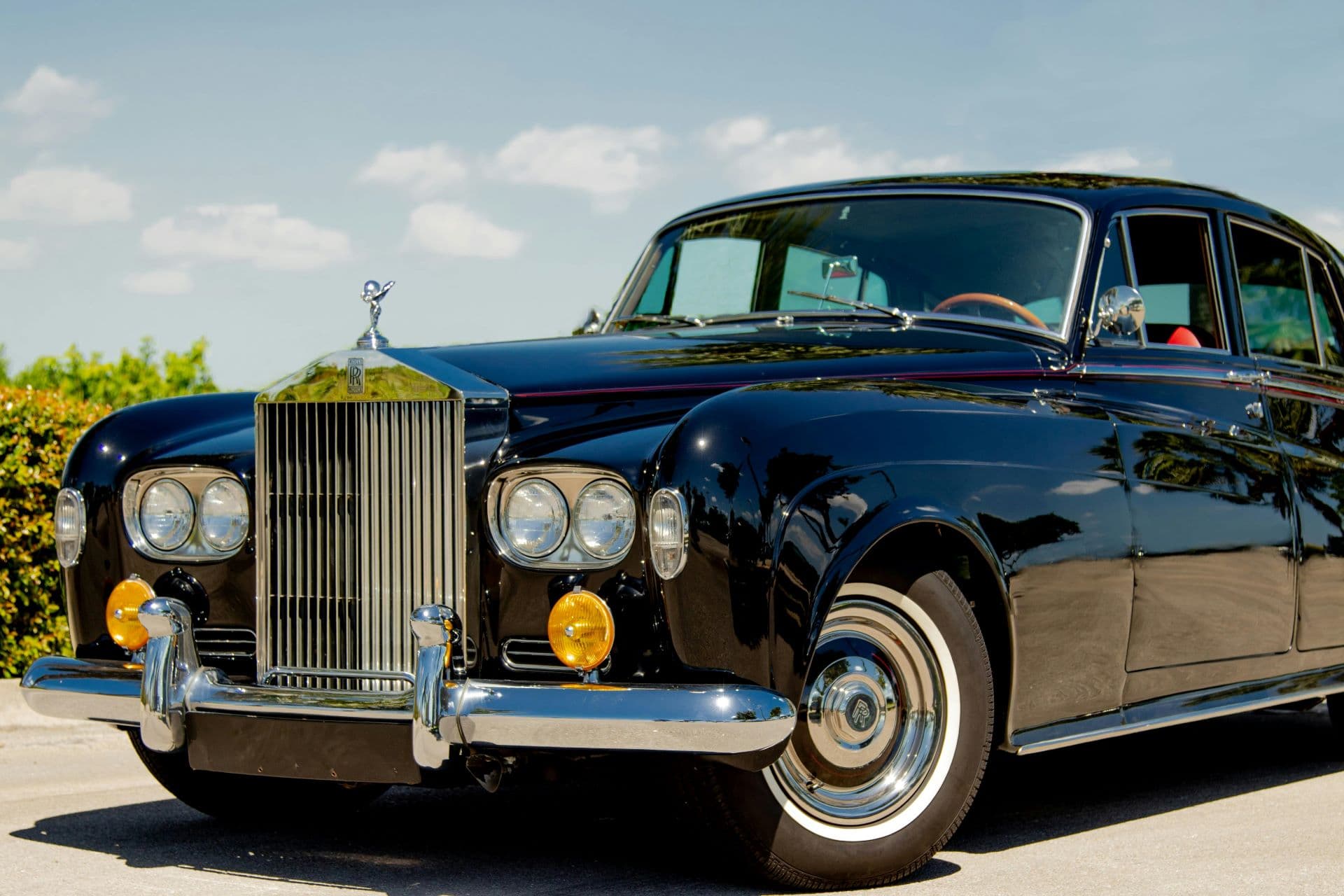
Marketing pre-owned luxury vehicles is less about selling metal, leather, and polished chrome, and more about selling confidence wrapped in elegance. Buyers in the premium second-hand market are not simply shopping for transport. They are searching for reassurance that their investment carries prestige, longevity, and emotional satisfaction.
Luxury car buyers tend to behave differently from mass-market customers. They approach purchases with a more forensic mindset. Every scratch hidden beneath glossy paint, every mechanical whisper, and every gap in the service logbook can influence their decision-making process. This is why marketing in the pre-owned luxury segment must be built around trust signals rather than price incentives alone.
The modern luxury vehicle buyer often already understands brand value. What they need is validation that the specific vehicle they are considering matches the brand promise they associate with high-end automotive engineering. Marketing messages should therefore shift from generic product promotion toward storytelling that communicates care, preservation, and verified quality.
In many ways, marketing pre-owned luxury vehicles resembles the presentation of fine art. The buyer is not just purchasing a painting but also the certainty that the artwork is authentic, preserved, and historically traceable. Similarly, a luxury carÔÇÖs history, condition, and maintenance narrative form the core of its commercial value.
Digital marketing platforms have amplified the importance of transparency. Potential buyers can compare listings instantly, analyse reviews, and even investigate model reliability independently. This means dealerships must proactively provide evidence of quality rather than waiting for customers to ask for it. Inspection reports, mechanical certification, and documented refurbishment work function as the backbone of persuasive luxury car marketing.
Ultimately, the most successful campaigns in this sector position the vehicle as a carefully preserved object of engineering excellence rather than simply a used commodity.
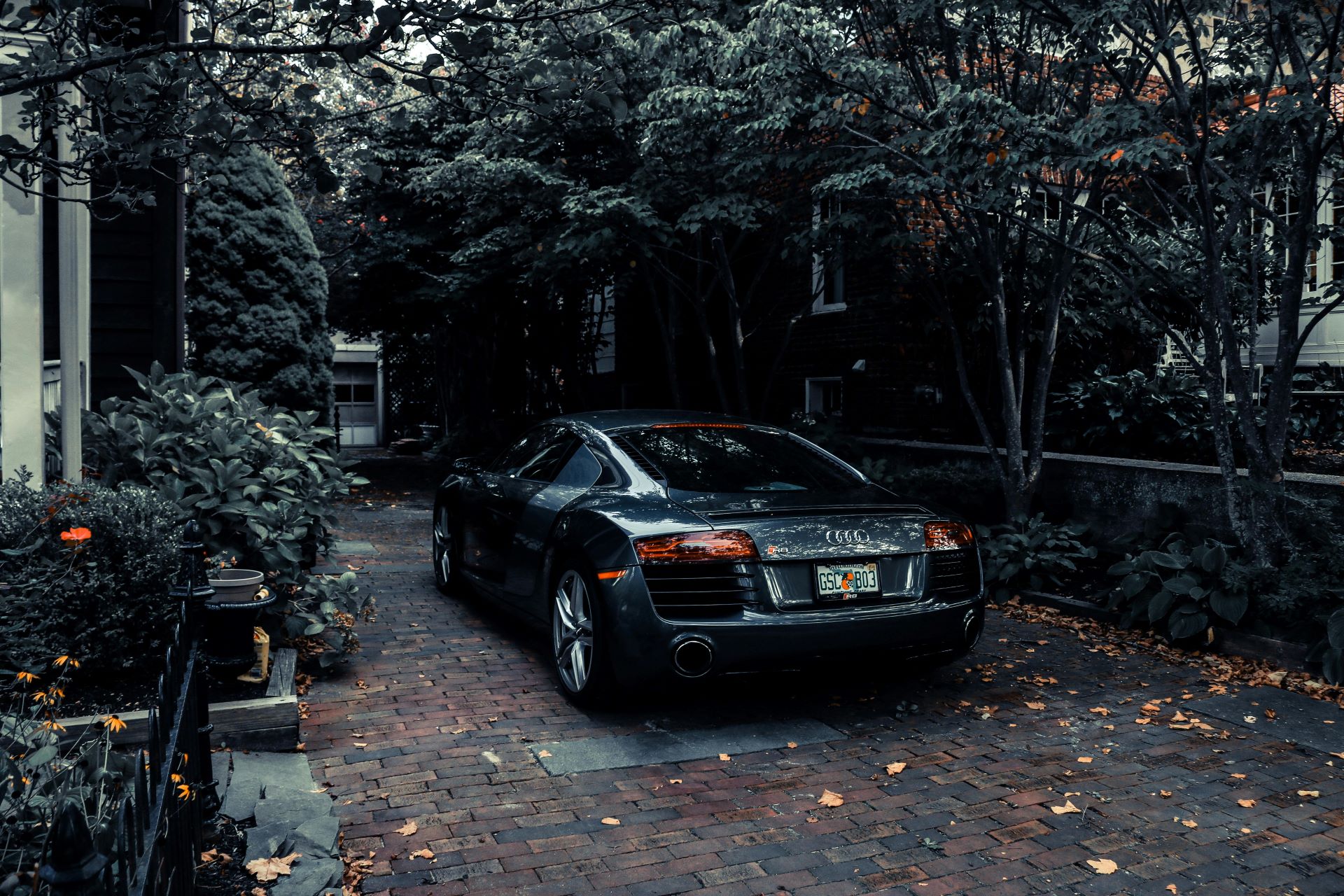
Luxury Buyers Care Deeply About Vehicle Condition
Condition is the silent language of luxury automotive marketing. When a premium buyer walks into a showroom or browses an online listing, their subconscious evaluation begins long before they read specifications. They are assessing whether the vehicle appears loved.
Exterior condition communicates ownership history without requiring words. Paint uniformity, panel alignment, and wheel finish quality all act as visual indicators of past treatment. Even subtle imperfections can signal aggressive driving habits or poor maintenance regimes.
Marketing content should therefore highlight cosmetic integrity. High-resolution photography is essential. Images must capture bodywork reflections, interior stitching quality, dashboard surfaces, and even the micro-texture of premium materials such as brushed aluminium trim or handcrafted leather.
Avoid hiding minor imperfections behind overly stylised imagery. Paradoxically, transparency increases perceived luxury value. Buyers interpret honest presentation as a sign that the dealership is confident in the vehicleÔÇÖs quality.
Condition marketing also extends to mechanical presentation. Premium buyers often prefer knowing that critical components have been inspected rather than simply being told the vehicle ÔÇ£runs perfectlyÔÇØ. Phrases such as ÔÇ£verified brake wear measurementsÔÇØ or ÔÇ£tested suspension response parametersÔÇØ carry stronger authority than generic assurances.
Luxury vehicle marketing must therefore walk a delicate balance. The car should appear immaculate, yet the communication must feel technically honest rather than artificially polished.
Another important psychological factor is the perception of ownership continuity. When buyers feel that the vehicle has been carefully transitioned from one caretaker to another, they experience reduced purchase anxiety.
Inspection Reports as the Marketing Cornerstone
Inspection documentation is arguably the most powerful marketing tool in the pre-owned luxury automotive sector.
Premium buyers associate inspection reports with professional stewardship. A vehicle that has passed a comprehensive technical evaluation signals that it has survived a rigorous quality gate before reaching the showroom floor.
Inspection reports should not be treated as internal operational documents. Instead, they must become public marketing assets. Summaries can be presented on listing pages, while full technical documentation can be made available on request.
Effective inspection marketing focuses on clarity and credibility. Highlight major mechanical systems such as engine health, transmission behaviour, braking response, and electronic system integrity.
A useful approach is to summarise inspection results in customer-friendly language. For example, instead of presenting raw diagnostic codes, translate findings into meaningful buyer insights such as ÔÇ£power delivery confirmed within manufacturer performance toleranceÔÇØ.
Luxury buyers tend to appreciate technical sophistication, but they do not necessarily want to interpret engineering jargon. Provide structure by dividing inspection outcomes into logical categories such as drivetrain, safety systems, and comfort electronics.
Visual certification badges can also enhance marketing performance. Digital seals indicating third-party inspection verification create psychological reassurance. However, avoid excessive badge clutter. Too many symbols can make the listing appear commercial rather than premium.
Transparency regarding inspection methodology further strengthens credibility. Explain whether technicians followed manufacturer service protocols or independent certification standards.
The goal is to make the buyer feel that the vehicle has passed through the hands of skilled guardians before being offered for sale.
Authenticity Matters More Than Age in Premium Used Cars
Luxury automotive marketing operates under a different value hierarchy than standard vehicle marketing. While age is important, authenticity often matters more.
Authenticity refers to the certainty that the vehicle is genuine in its construction, history, and component lineage. Buyers are particularly sensitive to replacement parts that do not match original manufacturer specifications.
Marketing messages should emphasise original equipment integrity. Highlight factory-installed components, genuine replacement parts, and authorised service network maintenance.
Provide history summaries that trace the vehicleÔÇÖs life journey. Premium buyers enjoy understanding where the vehicle has travelled, how it has been serviced, and whether it has been preserved under careful ownership.
Ownership history is especially relevant in luxury marketing. Vehicles with fewer previous owners generally attract stronger buyer confidence because they suggest stable custodianship.
Another element of authenticity marketing involves cosmetic originality. Repainting can sometimes reduce perceived value if not performed to factory standards. If repainting has occurred, marketing content should explain the purpose and quality of the work rather than hiding it.
Luxury buyers often associate originality with emotional exclusivity. A vehicle that retains its factory character feels closer to a collectorÔÇÖs object than a commodity.
Authenticity also connects strongly with brand prestige narratives. Buyers are not simply purchasing transportation engineering; they are purchasing the social symbolism associated with the vehicleÔÇÖs manufacturer heritage.
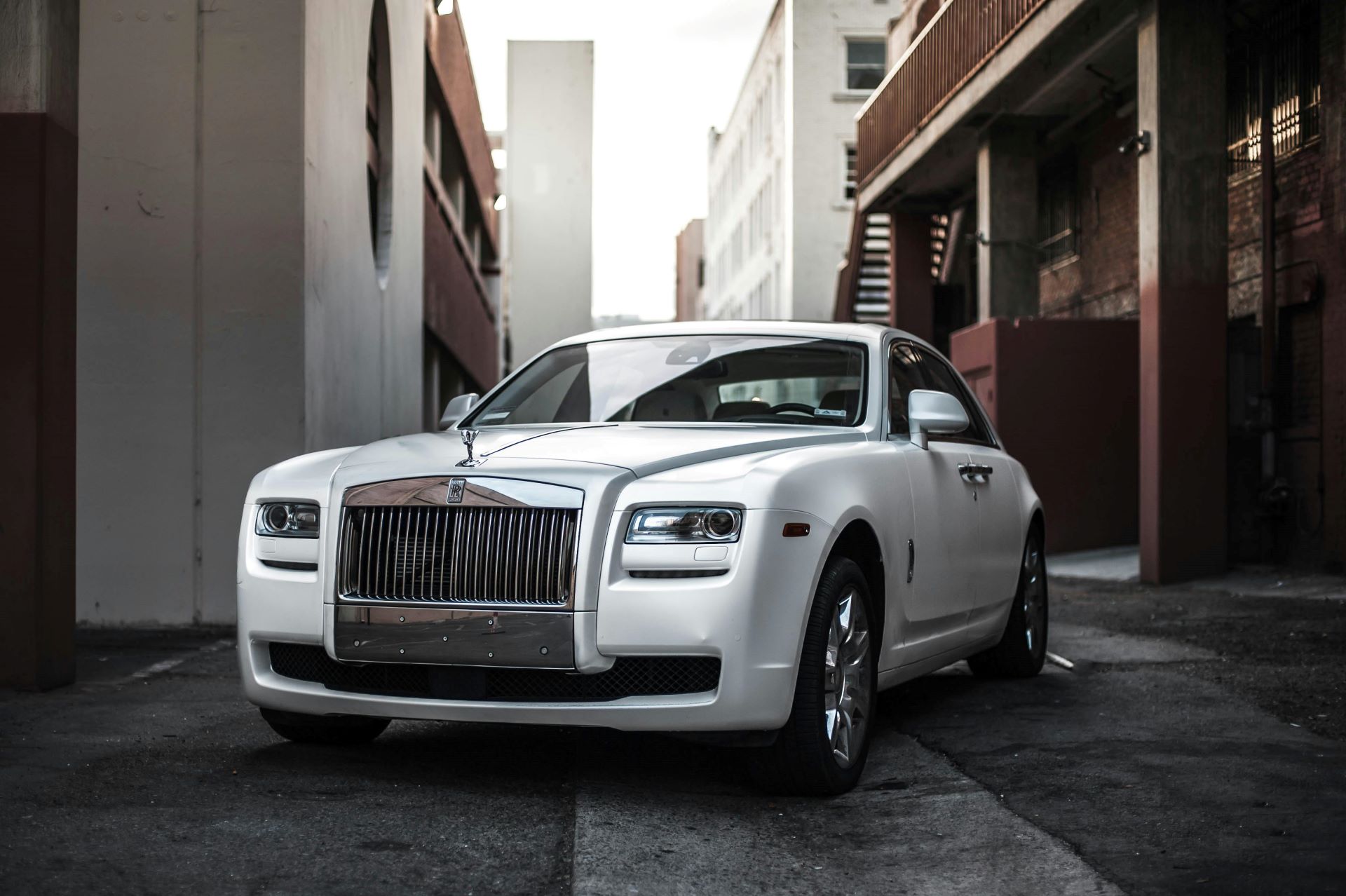
Provenance Storytelling Builds Emotional Value
In pre-owned luxury vehicle marketing, provenance is the bridge between engineering and emotion.
Provenance describes the historical context surrounding the vehicleÔÇÖs ownership and maintenance. This concept is borrowed from the world of high-value collectibles, where historical narrative contributes significantly to price justification.
Marketing teams should craft concise provenance summaries that highlight meaningful milestones in the vehicleÔÇÖs life. Examples include long-term single ownership, meticulous dealership servicing, or low annual mileage usage patterns.
Avoid presenting provenance information as a dry data table. Instead, frame it as a story of care. For instance, describing a vehicle that was ÔÇ£maintained by a single professional owner who followed scheduled service intervals without deviationÔÇØ communicates reliability and discipline.
Geographic provenance can also add value. Vehicles that spent their life in low-corrosion environments or sheltered urban parking conditions tend to be perceived as more desirable.
In markets with harsh climatic conditions, such as coastal environments, provenance messaging becomes even more important. Buyers worry about hidden structural degradation caused by humidity, salt exposure, or temperature extremes.
Marketing content should address these concerns directly by explaining storage conditions, rust protection treatments, and chassis preservation work.
Emotional storytelling must always remain grounded in verifiable facts. Luxury buyers are sophisticated consumers who can detect exaggerated narrative marketing.
Service History Transparency Creates Psychological Safety
Service history is the financial heartbeat of pre-owned luxury vehicle marketing.
Detailed service records signal disciplined ownership behaviour. Buyers interpret consistent servicing as evidence that the vehicle was treated as a long-term asset rather than a disposable object.
When presenting service history, avoid vague statements such as ÔÇ£fully servicedÔÇØ. Instead, specify service frequency, mileage intervals, and maintenance institutions involved.
Dealership marketing teams should prioritise verifiable documentation. Provide scanned records where possible or summarised timelines showing major maintenance events.
Particular attention should be given to expensive wear components such as timing systems, turbochargers, and suspension modules.
Luxury buyers are aware that premium vehicles often involve higher maintenance costs. Therefore, marketing messages should subtly communicate that previous maintenance expenses have already been absorbed by the vehicleÔÇÖs history.
Service transparency also reduces post-purchase anxiety. Customers who believe the vehicleÔÇÖs mechanical condition is predictable are more likely to complete transactions quickly.
Some dealerships provide maintenance continuation guarantees. This strategy positions the dealership as a long-term partner rather than a one-time seller.
Interior Preservation as a Luxury Selling Point
The interior of a luxury vehicle functions as the emotional theatre of the ownership experience.
Premium buyers spend more time evaluating cabin condition than engine performance. Seats, steering wheel surfaces, dashboard panels, and electronic interfaces all contribute to perceived value.
Marketing photography should prioritise interior lighting quality. Natural soft lighting reveals material authenticity without creating artificial gloss distortion.
Emphasise wear-resistant characteristics such as high-grade leather treatment and protective detailing work. Mention if the interior has undergone professional conditioning processes.
Smell is an often overlooked but powerful luxury signal. While marketing cannot directly convey scent, descriptions such as ÔÇ£interior maintained with premium conditioning treatmentsÔÇØ can trigger positive sensory imagination.
Electronic interface functionality is also critical. Modern luxury vehicles contain complex infotainment and driver assistance systems.
Demonstrate that navigation screens, voice interfaces, and sensor arrays have been tested. Technology reliability is a growing concern among buyers of contemporary premium vehicles.
Avoid focusing solely on aesthetic perfection. True luxury marketing communicates that the interior is both beautiful and operationally reliable.
Certified Refurbishment Enhances Market Positioning
Refurbishment should be framed as restoration rather than repair.
Luxury buyers generally respond positively to vehicles that have undergone professional refurbishment when it is positioned as quality preservation work.
Explain refurbishment processes clearly. For example, wheel refurbishment should include statements about structural inspection, surface treatment, and finish protection.
Paint correction procedures deserve similar transparency. Marketing descriptions can mention multi-stage polishing or factory-grade colour matching techniques.
The key psychological objective is to ensure buyers do not suspect hidden damage repair.
Third-party certification plays a powerful role here. Independent verification organisations help remove dealership bias from quality claims.
If refurbishment has been performed, emphasise the technical competence behind the work rather than the cosmetic result alone.
High-Resolution Digital Experience Drives Sales
Online presentation is the modern showroom window for luxury automotive marketing.
Potential buyers expect immersive viewing experiences. Provide 360-degree vehicle tours, zoomable image galleries, and detailed component photography.
Video content performs particularly well in this segment. Short walkthrough videos narrated by knowledgeable sales consultants can dramatically increase engagement.
Show mechanical details that ordinary listings ignore. Brake disc surfaces, engine bay cleanliness, and underbody protection treatments communicate technical seriousness.
Avoid background clutter in visual marketing. Luxury vehicles should be presented as solitary protagonists in a clean, sophisticated digital environment.
Mobile optimisation is equally important because many premium buyers conduct research privately on personal devices.
Pricing Strategy Must Reflect Quality Narrative
Luxury pre-owned pricing should be justified through narrative strength rather than aggressive discounting.
Premium buyers are sensitive to perceived desperation. Excessive price reduction campaigns may signal quality uncertainty.
Instead, position price as the natural outcome of verified excellence, documented maintenance, and preserved authenticity.
Market comparison data can be useful but should be presented subtly.
Highlight value retention rather than cost saving. Premium buyers prefer feeling financially intelligent rather than financially frugal.
Customer Trust Is the Ultimate Luxury Product
The most valuable product in pre-owned luxury automotive marketing is not the car itself but the certainty surrounding it.
Every photograph, inspection report, and historical description contributes to the construction of trust architecture.
Luxury vehicles are emotional investments wrapped inside engineering precision. Marketing strategies must therefore speak simultaneously to rational evaluation and aspirational desire.
When buyers believe that a dealership protects quality with almost custodial dedication, they respond with loyalty.
In the long term, trust-based marketing generates repeat business and organic referrals.
The pre-owned luxury vehicle market is not about moving inventory. It is about transferring prestige responsibly.
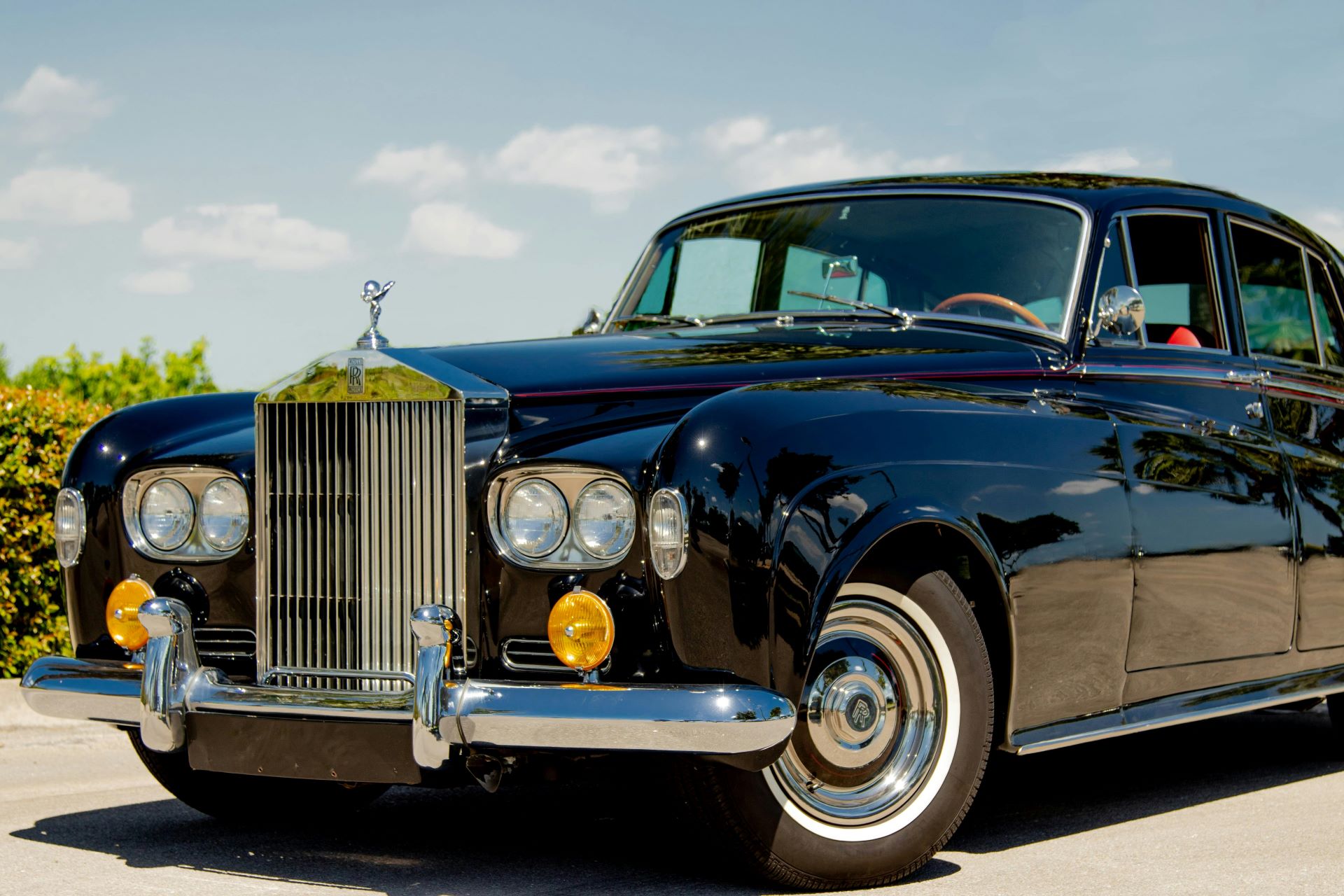
Marketing Luxury Cars as Protected Assets
Marketing pre-owned luxury vehicles requires a philosophy of guardianship. Buyers are not merely acquiring transportation; they are purchasing preserved engineering art.
Condition verification, historical transparency, and authenticity assurance form the pillars of successful campaigns.
Dealerships that master this narrative transform sales transactions into confidence exchanges.
Luxury used cars sell best when the buyer feels they are adopting a carefully curated legacy rather than simply signing for a vehicle.
Elisha Roodt
Specializing in high-performance automotive advertising and digital marketing solutions, delivering cutting-edge insights and the latest news shaping the automotive industry in South Africa.
More From Advertising
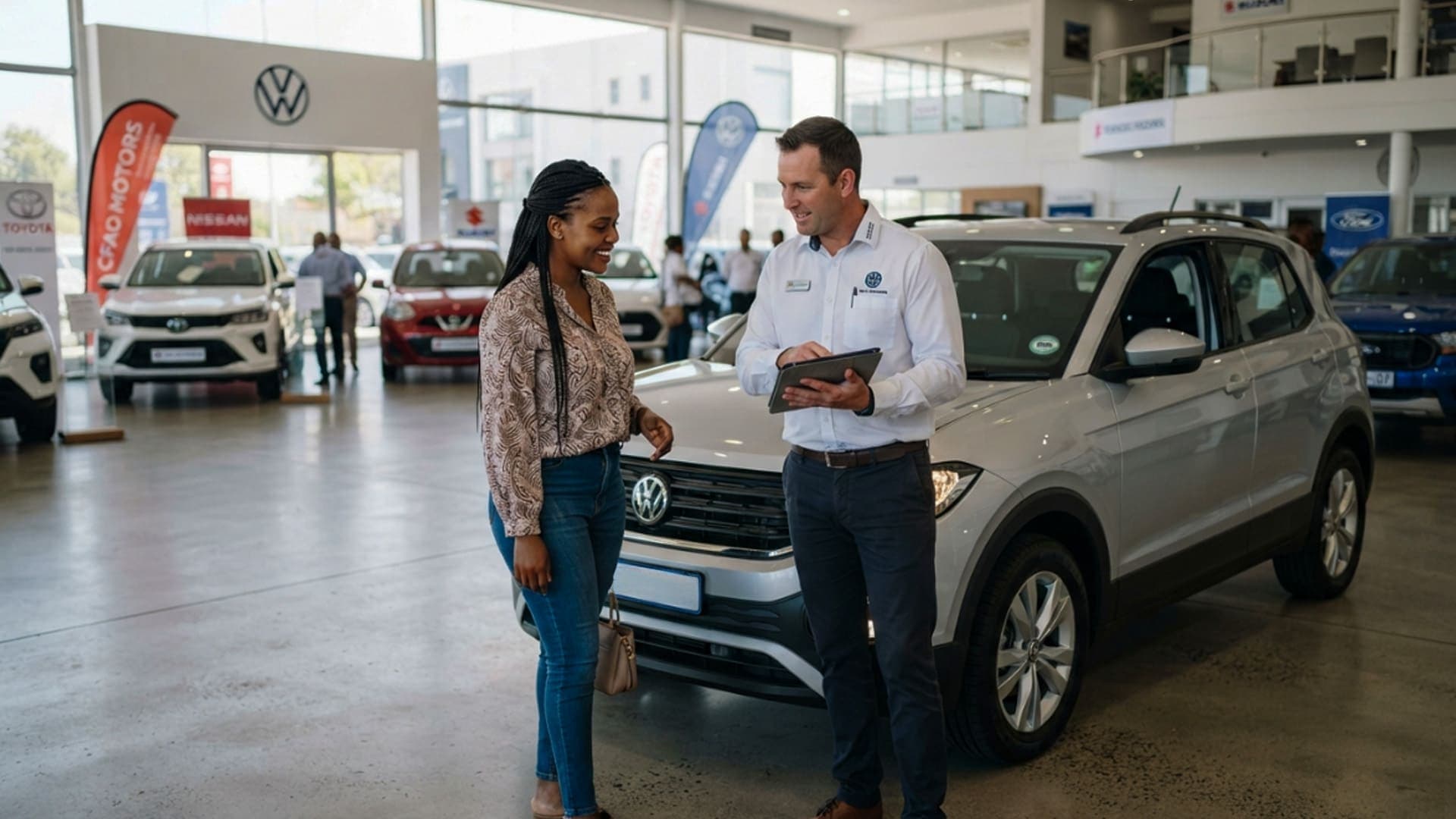
Automotive Advertising in 2026: Selling Confidence in a More Competitive Market
As South Africa’s vehicle market becomes more competitive, automotive advertising needs to do more than announce a price or specification. It needs to help buyers understand value, ownership costs and why a vehicle suits their lives.

Automotive Digital Ads in South Africa: A Shift
Exploring how South Africa’s automotive advertising evolved from print and broadcast to data-driven, programmatic digital ecosystems.

The Video Shift in Car Buying Decisions in SA
Explore how video content shapes car purchase decisions in South Africa, comparing short-form and long-form strategies for automotive marketers.