
A New Frontier for Automotive Storytelling
For more than a century, performance in the automotive world has been a byword for power, speed and mechanical drama. The whine of a supercharger, the metallic snarl of a flat-plane crank V8, the scent of high-octane fuelÔÇöthese were the sensory cues that marketers used to ignite desire. The emotional shorthand of horsepower and engine displacement became a universal language, effortlessly understood by petrolheads across continents. But the rise of electrification has changed the rules. Torque curves have been flattened, exhaust notes silenced and the notion of mechanical heroism reframed. This shift forces marketers to ask: how do we excite the enthusiast when the visceral vocabulary of internal combustion is no longer centre stage?
The electric vehicle (EV) era offers a challenge and an opportunity. The challenge is obvious: many traditional car lovers are sceptical of the silent surge of electrons. But the opportunity lies in crafting a new narrativeÔÇöone that prizes instant torque, advanced chassis technology and racing-derived battery cooling as the new emblems of performance. It is not about abandoning the thrill of the drive; it is about redefining it.
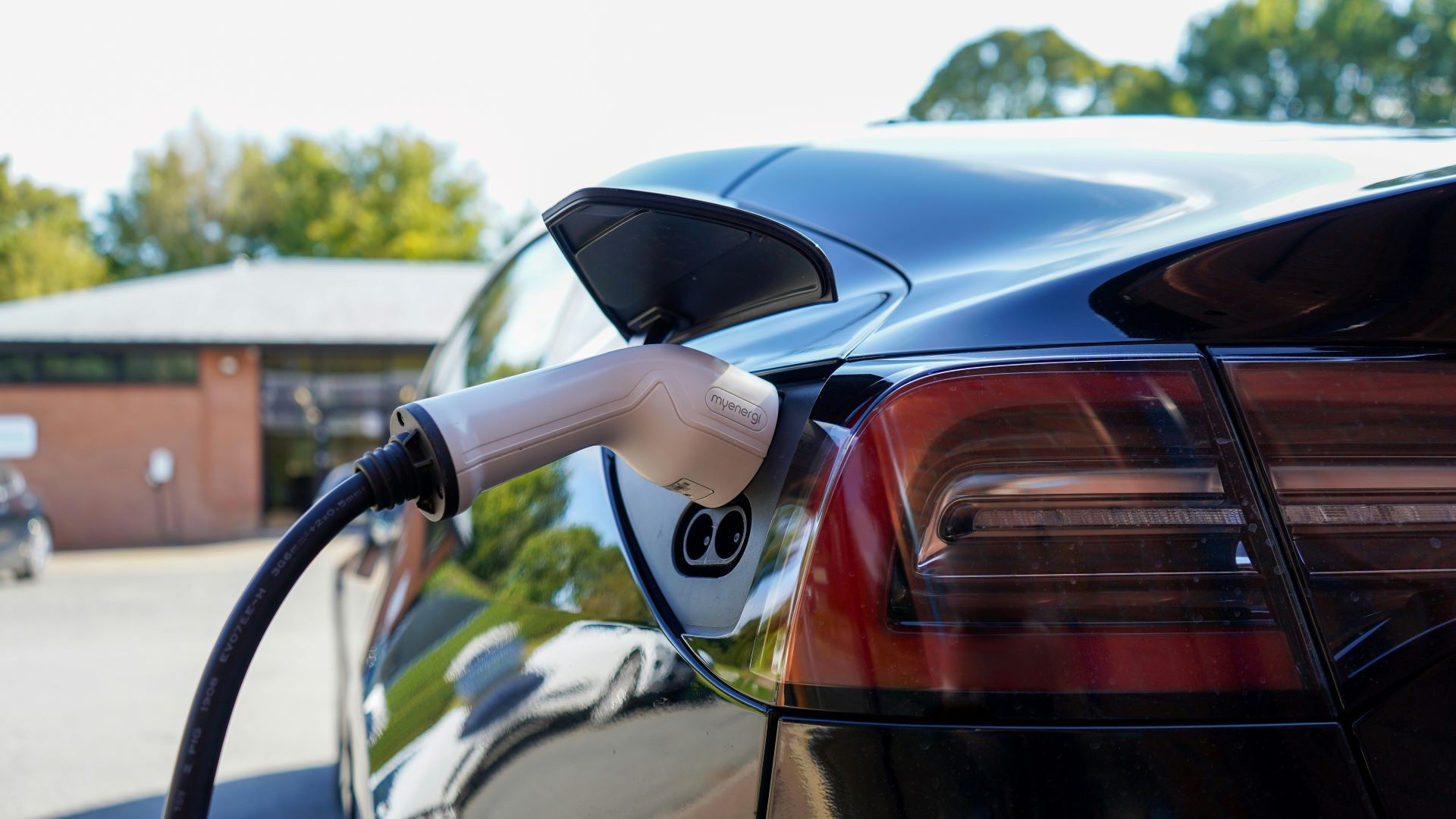
From Cylinders to Currents: A Changing Lexicon
Automotive marketing has always leaned heavily on technical poetry. Phrases like ÔÇ£quad-cam V12ÔÇØ or ÔÇ£twin-scroll turbochargerÔÇØ once set hearts racing. But with EVs, the mechanical symphony has become a whisper. Torque, however, has emerged as a universal constantÔÇöan invisible force that enthusiasts can still feel in the small of their backs.
Instant torque is the headline act of the EV performance story. Whereas a combustion engine builds thrust over a rev range, an electric motor delivers maximum torque from the moment the accelerator is pressed. Marketers who once celebrated the crescendo of an engine now need to convey the shock of immediacy: the physics-defying launch that pins passengers to their seats without a gear change in sight.
Crafting this message requires vivid storytelling. Instead of the roar of a downshift, marketers can describe the silent violence of a 0ÔÇô100 km/h sprint that happens almost before the driver realises. They can borrow from the language of aerospace or high-tech athletics, framing EV acceleration as a kind of controlled catapult. The appeal is not just numbersÔÇöthough sub-three-second sprints are headline-worthyÔÇöbut the unique sensation of unbroken, linear thrust. This is the new drama.
Advanced Chassis Technology: The Hidden Athlete
If instant torque is the overt theatre, advanced chassis technology provides the subtle artistry. EVs have inherent advantages: a low centre of gravity from floor-mounted batteries, and the potential for perfect weight distribution. But these advantages are nothing without engineering finesseÔÇöand nothing without marketing that makes those unseen innovations tangible to enthusiasts.
Sophisticated torque-vectoring all-wheel-drive systems, active suspension, and steer-by-wire setups are the new performance icons. Marketers can spotlight how these systems transform heavy EVs into agile athletes, cornering with the poise once reserved for lightweight sports cars. It is not enough to state the presence of technology; the task is to dramatise its effect.
Consider the way motorsport broadcasts use slow-motion footage to show how a racing car loads its tyres mid-corner. Automotive marketers can borrow this cinematic language. Campaigns can showcase the choreography of electronic differentials distributing power, or illustrate how microsecond-level control lets a car pivot with uncanny precision. This is the EV equivalent of a perfectly timed heel-and-toe downshift: a demonstration of mastery that speaks directly to the enthusiastÔÇÖs soul.
Racing-Derived Battery Cooling: The New Endurance Narrative
No conversation about high-performance EVs is complete without addressing heat. The unglamorous science of thermal management has become a frontier of performance innovation. Battery packs operating at peak output generate immense heat, and sustained performance depends on keeping cells within a narrow temperature band.
In motorsport, from Formula E to electric endurance racing, engineers have pioneered advanced cooling techniquesÔÇöliquid-cooled battery modules, phase-change materials, and intricate thermal pathways. For marketers, these details can be transformed from dry engineering into a story of racing pedigree and durability.
Just as Group B rally cars once lent credibility to turbocharging or Le Mans victories proved the mettle of disc brakes, todayÔÇÖs electric racing teams validate the technology that will filter into road cars. Marketers can emphasise that the same cooling strategies keeping race batteries alive at 250 km/h also underpin the everyday performance of a flagship EV. It becomes a narrative of endurance and trust: proof that an electric supercar can deliver lap after lap of peak output without fade.
This message is critical for enthusiasts who worry that EV performance is a one-shot party trick. By linking road-going battery cooling systems to competitive racing, marketers can reassure drivers that these cars are built for the long haul, not just the drag strip.
Emotional Resonance in a Digital-First World
Performance marketing is as much about emotion as it is about engineering. In an era when buying decisions are increasingly digital, the task is to convey physical sensation through screens. This is where experiential marketing and immersive storytelling come to the fore.
Virtual reality test drives, high-speed POV videos, and haptic-enhanced simulators can allow customers to ÔÇ£feelÔÇØ instant torque without stepping into a showroom. Interactive content can show real-time telemetry of chassis systems at work, turning complex engineering into an experience. Automotive brands can partner with gaming platforms or esports leagues to create competitions that highlight EV performance attributes in environments where younger audiences already play.
These techniques bridge the gap between the silent nature of EV power and the visceral excitement enthusiasts crave. They ensure that performance is not only told but feltÔÇöeven through a smartphone screen.
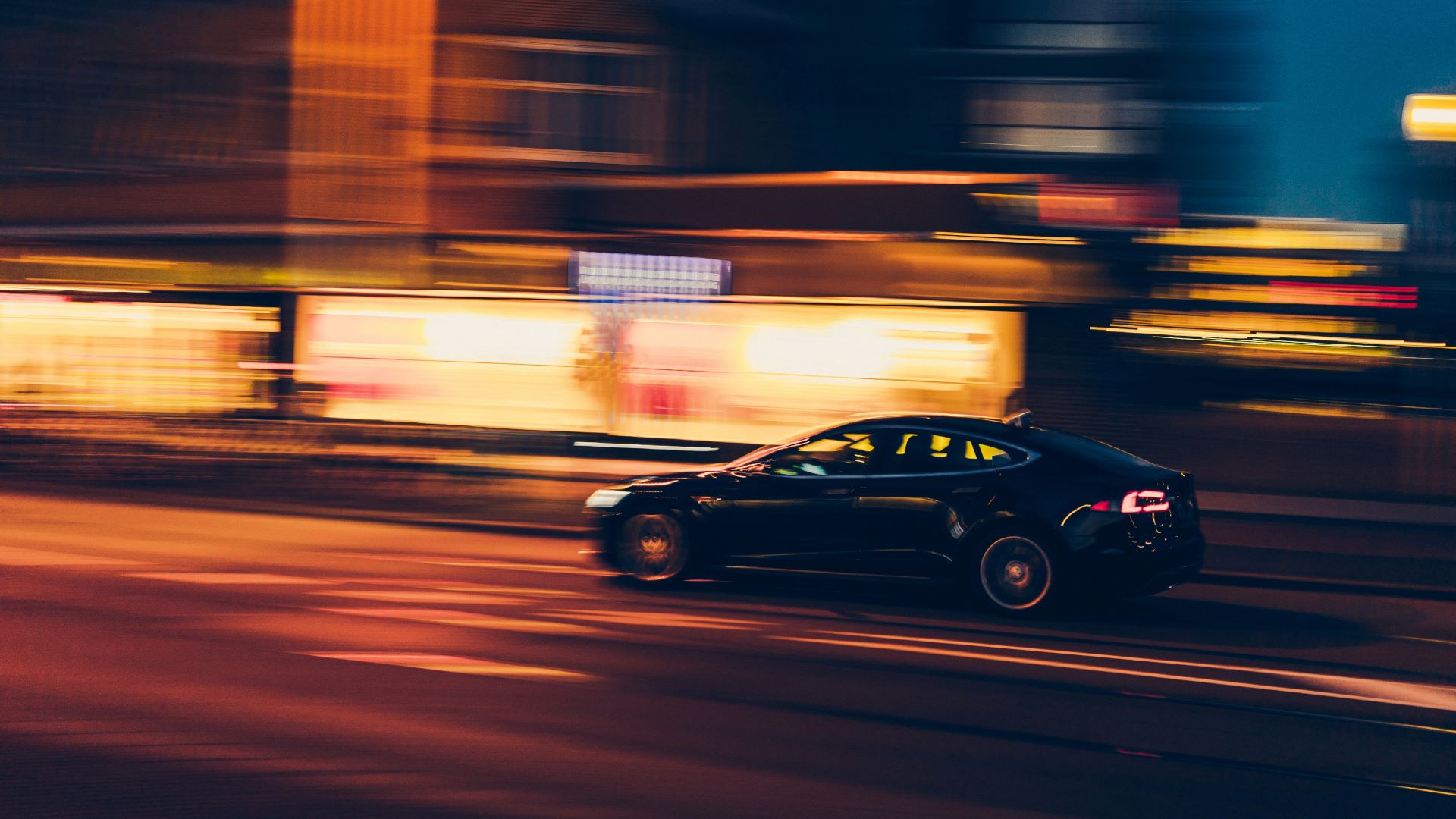
Heritage Without Nostalgia
Another challenge lies in balancing innovation with legacy. Many performance brands carry decades of racing historyÔÇöstories steeped in the sound and fury of combustion. Abandoning that heritage would be marketing malpractice. The key is to draw parallels between the old and the new.
Marketers can highlight a brandÔÇÖs history of engineering breakthroughs, positioning electrification as a continuation of its relentless pursuit of speed. The message is evolution, not rupture. Just as the shift from carburettors to fuel injection once redefined performance, so does the transition from pistons to electrons. The enthusiast is invited to see todayÔÇÖs EV as part of an unbroken lineage of technological audacity.
Crafting a Multi-Layered Campaign
The most effective EV performance campaigns will integrate multiple layers of storytelling. At the top lies the emotional hook: the thrill of instantaneous acceleration, the satisfaction of unshakable grip, the reassurance of motorsport-proven cooling. Beneath that sits the technical narrative, articulated in language that excites without overwhelming. Finally, the brand heritage layer connects past glories to future ambitions, ensuring continuity.
A successful campaign might begin with a dramatic, high-speed visual that captures the silent surge of instant torqueÔÇöperhaps a car launching across a mountain pass at dawn, the camera lingering on the driverÔÇÖs barely perceptible smile. The accompanying copy could describe the invisible forces at play: the microsecond coordination of electric motors, the precision of chassis control, the race-bred cooling system keeping everything at its peak. The call to action would not simply invite a test drive, but an initiation into a new kind of performance.
Overcoming Enthusiast Scepticism
Despite the marketing arsenal, some enthusiasts remain wary of EVs. They equate performance with noise and mechanical engagement, fearing that electrification means sterilisation. Addressing this requires authenticity and, at times, direct comparison.
Track-day events where enthusiasts can experience EVs alongside combustion performance cars can convert sceptics. Data-driven demonstrationsÔÇösuch as showing lap times or g-force comparisonsÔÇöcan prove that silence does not mean softness. Testimonials from professional drivers who praise the precision of electric torque delivery carry credibility.
Marketing must also acknowledge, not dismiss, the emotional attachment to sound. Some brands experiment with curated soundscapes, while others double down on the purity of silence, presenting it as the ultimate expression of speed. Whatever the strategy, the messaging must be consistent and rooted in the brandÔÇÖs identity.
Sustainability as a Performance Attribute
Finally, the EV era allows marketers to merge performance with responsibility. For a new generation of enthusiasts, environmental consciousness is part of the thrill. The ability to deliver supercar acceleration without tailpipe emissions is itself a statement of technological prowess.
Marketers can frame sustainable performance as the highest form of engineering challengeÔÇöproof that true innovation delivers speed without compromise. This reframes eco-credentials not as a moral obligation but as an integral part of high-performance excellence.
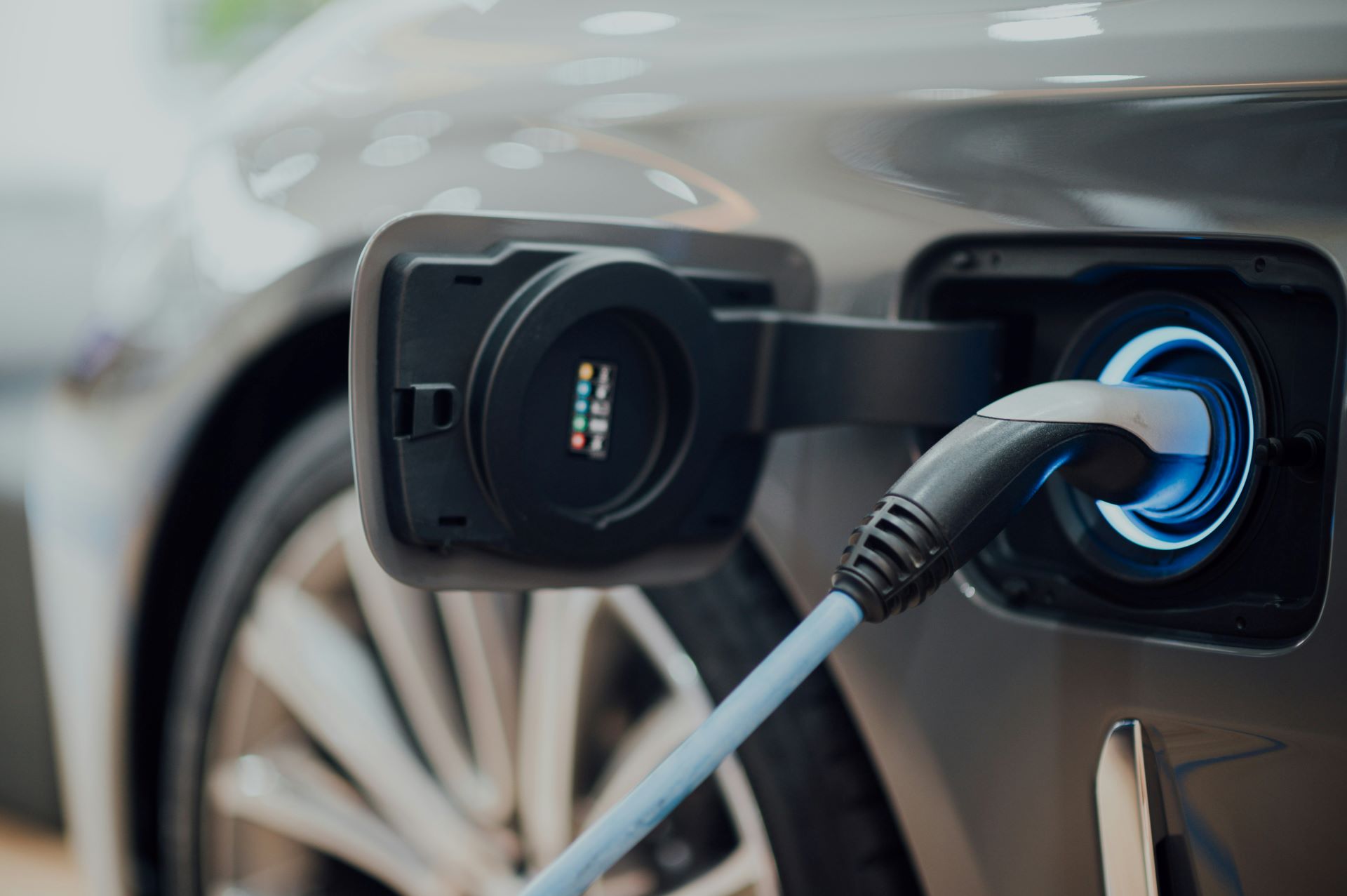
The Road Ahead
As the automotive world accelerates toward electrification, the marketing of performance cannot remain static. Instant torque, advanced chassis systems, and racing-derived battery cooling are more than engineering feats; they are the building blocks of a new emotional narrative. The task for marketers is to translate these attributes into stories that capture both the intellect and the heart of enthusiasts.
Just as past generations fell in love with the growl of carburettors and the wail of turbochargers, so too can this generation be captivated by the silent surge of electrons. The thrill of performance has not disappeared; it has simply found a new frequency. Marketers who can tune into that frequency will define the next chapter of automotive passion.
Breyten Odendaal
Specializing in high-performance automotive advertising and digital marketing solutions, delivering cutting-edge insights and the latest news shaping the automotive industry in South Africa.
More From Advertising
Automotive Advertising in 2026: Selling Confidence in a More Competitive Market
As South Africa’s vehicle market becomes more competitive, automotive advertising needs to do more than announce a price or specification. It needs to help buyers understand value, ownership costs and why a vehicle suits their lives.

Automotive Digital Ads in South Africa: A Shift
Exploring how South Africa’s automotive advertising evolved from print and broadcast to data-driven, programmatic digital ecosystems.

The Video Shift in Car Buying Decisions in SA
Explore how video content shapes car purchase decisions in South Africa, comparing short-form and long-form strategies for automotive marketers.