
For over a century, car marketing has revolved around power, prestige, and personal freedom. Sleek silhouettes cruising along empty coastlines. Growling engines that symbolize status. The allure of four wheels has been meticulously curated to sell not just vehicles, but lifestyles.
But something seismic is shifting.
Across the globe, cities and startups are co-authoring a new mobility narrativeÔÇöone that downplays vehicle ownership and instead champions mobility as a service (MaaS), micro-mobility, public transit, and shared-use ecosystems. The message is no longer ÔÇ£buy this car,ÔÇØ but rather ÔÇ£move freely.ÔÇØ
This pivot is not just logistical or technological. ItÔÇÖs deeply cultural. And it requires marketing to catch up.
In this new era, metal gives way to motion, and mobility becomes the new product.
The End of Car-Centric Storytelling?
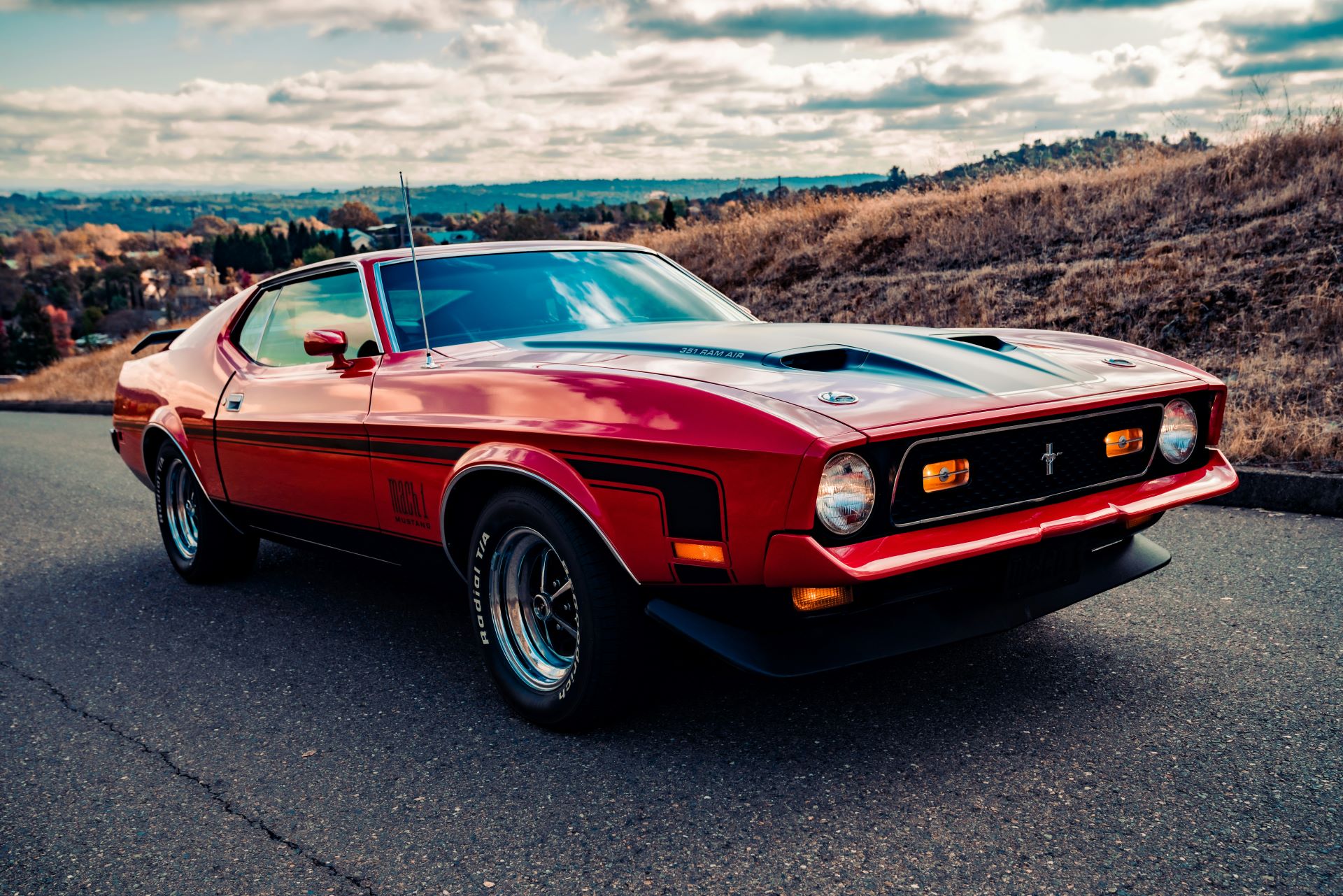
From Detroit to Tokyo, automotive storytelling has long centred around the car as a symbol of individuality. But the conditions that gave rise to that mythÔÇösprawling suburbs, cheap fuel, uncongested roadsÔÇöare disappearing. Instead, we now navigate gridlocked cities, rising climate consciousness, and generational shifts in values.
Urban populations are surging, particularly among Gen Z and Millennials who are more inclined to rent than to own, more likely to hail a ride than buy a vehicle. For them, freedom isnÔÇÖt parked in the drivewayÔÇöitÔÇÖs accessed on-demand through an app.
In response, carmakers are partnering with cities, while tech startups are partnering with transit agencies. Together, they are crafting entirely new ways of promoting movementÔÇöcampaigns that are not about torque or trim, but about time saved, emissions reduced, and journeys reimagined.
From Steel to Service: The Rise of Mobility Marketing
Welcome to the golden age of mobility branding. Here, the product isn't a machine but a meansÔÇöof getting to work, visiting friends, exploring neighborhoods.
One of the early adopters of this messaging shift was Lime, the electric scooter startup. Instead of presenting scooters as gadgets, Lime framed them as urban liberation tools. Their taglinesÔÇöÔÇ£Unlock your city,ÔÇØ ÔÇ£Move differentlyÔÇØÔÇöspoke to convenience, agility, and independence in congested cityscapes.
Similarly, Mobility-as-a-Service platforms like Whim (Finland), Moovit (Israel), and Zipster (Singapore) sell monthly subscriptions that let users plan and pay for multiple modes of travelÔÇöbus, bike, scooter, metro, taxiÔÇöwithin a single interface. Their marketing doesnÔÇÖt showcase vehicles but emphasises seamlessness and freedom from ownership.
In New York, the Metropolitan Transportation Authority partnered with tech firm Via to launch ÔÇ£City AccessÔÇØ, a campaign promoting multimodal travel. Ads showed users easily switching from subway to e-bike, the message being: ÔÇ£ItÔÇÖs not about how you moveÔÇöjust that you can.ÔÇØ
The shift is subtle but powerful: the campaign didn't show vehicles, it showed outcomesÔÇöarriving on time, living sustainably, discovering new parts of the city.
Emotional Engineering in a Post-Car Culture
If car ads once sold status and adventure, mobility campaigns now trade in belonging and efficiency. ÔÇ£Your ride to everything you love,ÔÇØ claims Bolt in Europe. ÔÇ£Go farther together,ÔÇØ urges Lyft. These slogans tap into emotional frameworks once reserved for luxury sedans and performance coupes.
Even legacy brands are adapting. BMWÔÇÖs ReachNow shared mobility initiative used copy that wouldnÔÇÖt feel out of place in an Uber campaign: ÔÇ£The freedom to move, with none of the hassle.ÔÇØ
ThereÔÇÖs a clear pivot away from horsepower to empowerment. Messaging now leans heavily into benefits like:
The emotional resonance is no less potent than a roaring V8ÔÇöbut it's built for a different worldview.
City Governments as Mobility Marketers
Interestingly, it's not just startups reimagining mobility narrativesÔÇöcities themselves are becoming marketers.
Paris, under Mayor Anne Hidalgo, has transformed its image through aggressive messaging around the "15-minute city" conceptÔÇöwhere all essential services are within a 15-minute walk or ride. The cityÔÇÖs advertising features real residents biking to bakeries or walking their kids to school under tree-lined boulevards. Car ownership, once a Parisian badge of honour, is conspicuously absent.
Oslo, too, has led a car-free city centre campaign that leans into health, safety, and social cohesion rather than anti-car rhetoric. Their ÔÇ£Oslo MovesÔÇØ initiative showcases clean air, active travel, and pedestrian-friendly streetsÔÇöturning infrastructure into aspiration.
In Cape Town, South Africa, local authorities are piloting ÔÇ£Mobility HubsÔÇØ in underserved communities, advertising them as freedom nodesÔÇöplaces where public transit meets ride-hailing, bike-share, and parcel pickup. The goal is not just transportÔÇöbut transformation.
Here, marketing isn't a glossy brochureÔÇöitÔÇÖs a rebranding of public space.
The Challenge of Changing Mindsets
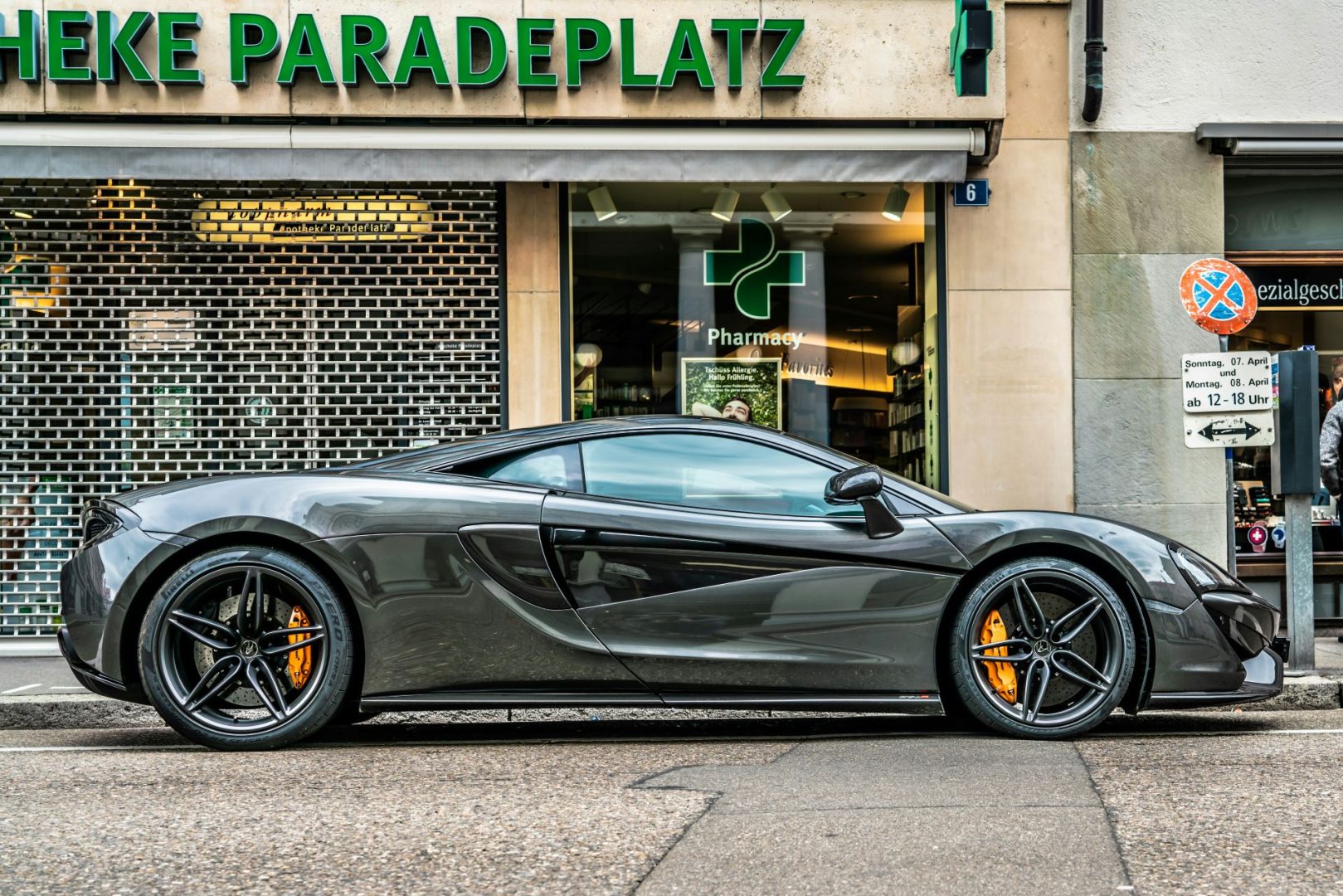
While the mobility message is clear, adoption remains uneven. Many users still associate car ownership with freedom and status. Convincing them otherwise is not just a comms challenge, but a cultural reckoning.
Marketing experts point to the ÔÇ£aspirational gap.ÔÇØ ItÔÇÖs one thing to show a shiny scooter or an app-enabled route. ItÔÇÖs another to overcome decades of automotive messaging that equated ownership with adulthood.
This is why so many new mobility campaigns focus on young urban dwellersÔÇöpeople less indoctrinated by car culture and more willing to experiment.
But the shift is expanding. Suburban users are being targeted with marketing that promotes park-and-ride intermodality, while rural campaigns focus on demand-responsive transport that replaces infrequent bus routes.
The Role of Design and Branding
One critical success factor? Branding that feels premium.
Gone are the clunky logos and bureaucratic fonts of yesterdayÔÇÖs public transport. TodayÔÇÖs mobility platforms feature app interfaces with the slickness of fintech, color palettes that suggest calm and control, and names that evoke dynamism: Bolt, Tier, Revel, Voi, Spin.
Design becomes a differentiator in an otherwise crowded field.
BerlinÔÇÖs Jelbi appÔÇöa one-stop interface for 13 transport modesÔÇöfeatures branding more reminiscent of Spotify than a state-run utility. This is not accidental. The idea is to consumerise mobility in a way that feels intuitive, aspirational, and accessible.
Mobility Messaging in Emerging Markets
While many of these strategies play out in the Global North, emerging markets are also hotbeds for mobility innovationÔÇöand storytelling.
In India, startups like Ola Electric are reframing scooters not just as affordable, but as aspirational. Their campaigns target young professionals with tech-laden scooters and sleek urban imagery, borrowing aesthetic cues from Tesla rather than traditional mopeds.
In South Africa, platforms like GoMetro and WhereIsMyTransport are building real-time data networks for minibus taxis, enabling smoother journeys in cities like Johannesburg and Nairobi. Their communication efforts focus on trust and controlÔÇögiving users the power to navigate historically informal transport networks.
This marketing doesn't sell speed or luxuryÔÇöit sells dignity and predictability, vital currencies in cities where transport has long been fragmented or inequitable.
Automakers Enter the Arena
Perhaps the most fascinating twist? Car brands themselves are marketing car alternatives.
ToyotaÔÇÖs Kinto service, HondaÔÇÖs MaaS division, Mercedes-BenzÔÇÖs Free Now, and FordÔÇÖs investments in Spin and City Solutions all represent a hedge against declining car ownership.
These brands are not abandoning vehiclesÔÇöbut they are diversifying the ways they monetize movement.
Their messaging is strategic. They position themselves not as hardware sellers, but as mobility orchestrators, helping people move smarter, cleaner, and more flexibly.
This is not the end of automotive marketing. ItÔÇÖs an evolutionÔÇöone that recognises that in the cities of tomorrow, movement matters more than metal.
From Machine to Mission
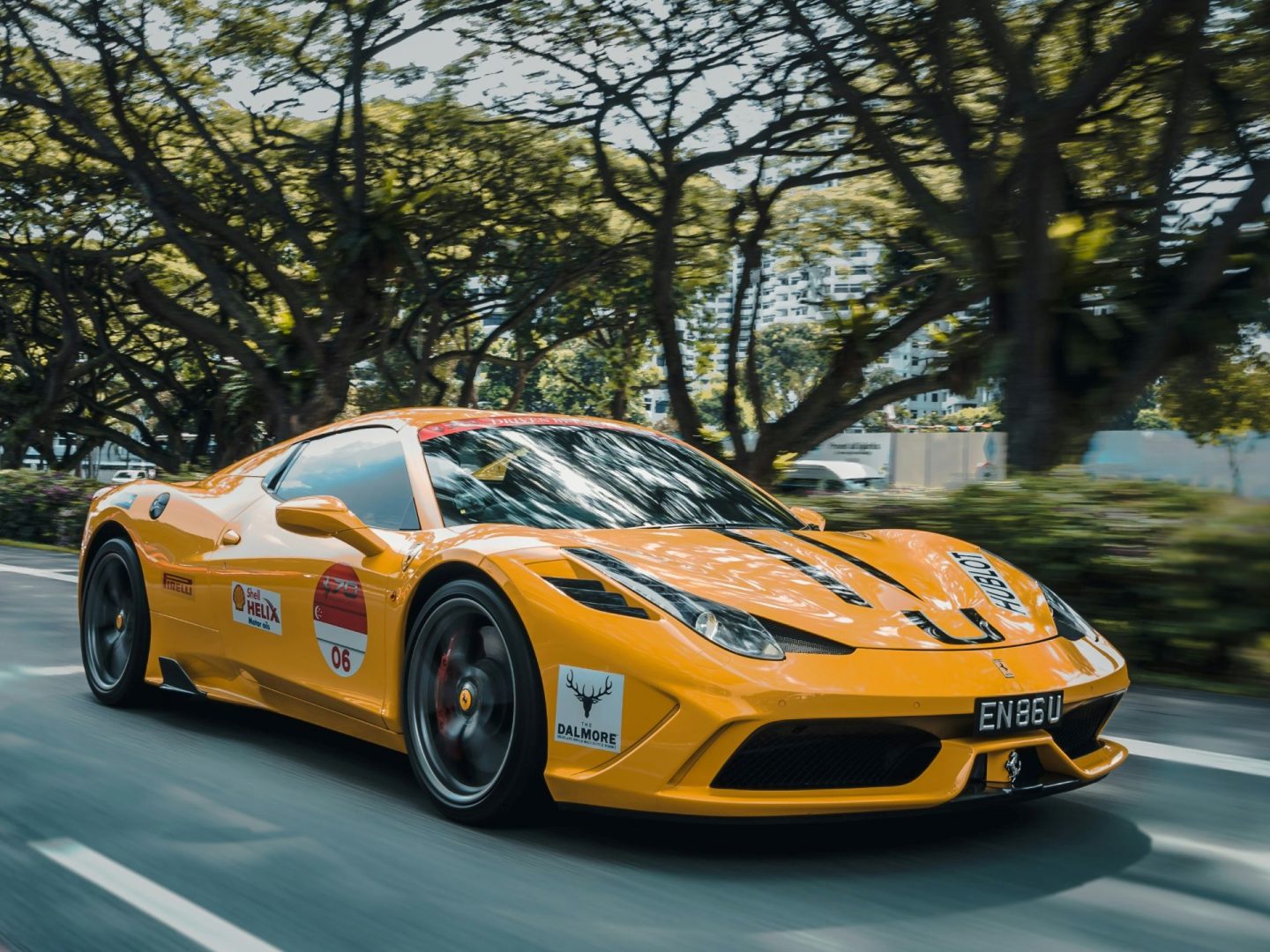
The car will never disappear. But its role in the urban fabricÔÇöand in our imaginationsÔÇöis being redefined. Where once we worshipped chrome and combustion, we now seek quiet, clean, connected movement.
And so the marketers evolve, too.
In this post-ownership age, the stories that move us are not about acceleration or horsepowerÔÇöbut about access, autonomy, and the joy of frictionless movement. From scooter startups in Stockholm to transit apps in Nairobi, a new narrative is being craftedÔÇöone that dares to sell mobility, not metal.
And for automotive enthusiasts, this isnÔÇÖt an end. ItÔÇÖs a new chapterÔÇöone where the thrill of motion expands beyond the driverÔÇÖs seat, into the broader, bustling choreography of tomorrowÔÇÖs cities.
Breyten Odendaal
Specializing in high-performance automotive advertising and digital marketing solutions, delivering cutting-edge insights and the latest news shaping the automotive industry in South Africa.
More From Advertising

Automotive Advertising in 2026: Selling Confidence in a More Competitive Market
As South Africa’s vehicle market becomes more competitive, automotive advertising needs to do more than announce a price or specification. It needs to help buyers understand value, ownership costs and why a vehicle suits their lives.

Automotive Digital Ads in South Africa: A Shift
Exploring how South Africa’s automotive advertising evolved from print and broadcast to data-driven, programmatic digital ecosystems.

The Video Shift in Car Buying Decisions in SA
Explore how video content shapes car purchase decisions in South Africa, comparing short-form and long-form strategies for automotive marketers.