
Beyond the Car
In the modern automotive market, selling a vehicle is no longer merely about horsepower, torque, or fuel efficiency. TodayÔÇÖs consumer is not just purchasing a carÔÇöthey are buying into a vision, an identity, and a lifestyle. The shift from product-centric to experience-centric marketing is a seismic one, redefining how automotive brands communicate, engage, and build loyalty. In this era, mobility is not simply transportation; it is an extension of the consumerÔÇÖs values, desires, and personal narrative.
Automotive brands are discovering that the journey is often more compelling than the destination. The subtle hum of an electric drivetrain, the tactile pleasure of premium leather, the seamless integration of AI-driven navigation, or the thrill of a sunrise drive along the coastÔÇöthese are the moments that resonate with consumers long after the transaction is complete. By marketing mobility as a lifestyle, brands are cultivating emotional connections that transcend the vehicle itself, embedding themselves into the rhythms of daily life, weekend adventures, and aspirational experiences.

The Shift from Product to Experience
For decades, automotive marketing focused on the tangible: engine specs, safety ratings, pricing tiers, and optional packages. While these remain important, the landscape has evolved. Consumers now crave experiences that align with their identities. Mobility, in this context, is less about the car and more about how it enables a life of freedom, convenience, and discovery.
Consider TeslaÔÇÖs approach. The brand does not merely sell electric cars; it sells a vision of sustainable, connected living. Every product launch, event, or software update reinforces the lifestyleÔÇöthe promise of efficiency, innovation, and forward-thinking culture. Similarly, brands like MINI and Land Rover cultivate communities, experiences, and stories around their vehicles that go far beyond their technical specifications. The narrative becomes one of exploration, adventure, and belonging rather than mere ownership.
In shifting from product to experience, brands must leverage storytelling, immersive campaigns, and digital innovation. Automotive marketing is no longer about brochures and dealer showrooms; it is about creating moments where consumers interact with the brand emotionally and socially.
Crafting the Lifestyle Narrative
A lifestyle-focused approach requires more than highlighting featuresÔÇöit demands understanding the consumerÔÇÖs aspirations and weaving the vehicle into their narrative. Every touchpoint must communicate the values, freedom, and experiences that the brand promises.
Take, for example, the rise of electric vehicles (EVs). The conversation has shifted from charging stations and battery range to clean energy, mindfulness, and eco-conscious living. Marketing campaigns often frame EV ownership as part of a larger lifestyle choiceÔÇöa commitment to the planet and future generations. This narrative resonates because it taps into a deeper desire: the need for purpose in the products we consume.
For performance-oriented brands, lifestyle marketing emphasizes identity and belonging. PorscheÔÇÖs campaigns often celebrate driving as an art form, a personal mastery of machine and road. BMWÔÇÖs ÔÇ£The Ultimate Driving MachineÔÇØ ethos has evolved into experiences that promise precision, excitement, and status, seamlessly integrating into the consumerÔÇÖs aspirational self-image. In these cases, the car becomes a symbol of freedom, expertise, and taste rather than merely a tool for transportation.
Immersive Brand Experiences
To sell mobility as a lifestyle, brands must create experiences that blur the line between product and personal life. Flagship showrooms have transformed into lifestyle hubs, offering events, workshops, and curated experiences. Pop-up installations in urban centers, test-drive adventures across scenic routes, and collaborative experiences with lifestyle brands all position the vehicle as part of a broader cultural and social ecosystem.
Digital innovation also plays a crucial role. Virtual reality (VR) and augmented reality (AR) allow consumers to explore vehicles in hyper-realistic environments, experiencing journeys and scenarios before they ever touch a steering wheel. AI-driven personalization tailors experiences to individual preferences, reinforcing the connection between the vehicle and the consumerÔÇÖs lifestyle.
Social media, too, has become a pivotal platform for lifestyle marketing. Brands curate visual and narrative content that frames their vehicles as gateways to experiences: a weekend escape to the mountains, a sunset drive along the coast, or a city adventure punctuated by design and style. Influencer partnerships amplify these messages, ensuring the vehicle is seen in aspirational contexts, reinforcing the narrative that mobility is not a product, but a way of life.

Emotional Connectivity in Automotive Marketing
Central to lifestyle-focused mobility marketing is emotional engagement. Consumers are increasingly making purchase decisions based on feelings, social proof, and alignment with personal values. Marketing that evokes emotionÔÇöwhether excitement, nostalgia, pride, or joyÔÇöbuilds lasting brand affinity.
Consider VolvoÔÇÖs ÔÇ£Care for LifeÔÇØ campaigns, which elevate safety, family, and security into aspirational lifestyle attributes. Luxury brands, on the other hand, often appeal to achievement, exclusivity, and refinement. In all cases, the vehicle becomes a medium through which emotions are experienced and identity is expressed.
Events like road trips, branded festivals, and lifestyle clubs transform consumers into brand ambassadors, reinforcing loyalty through shared experiences. Every touchpointÔÇöwhether digital, physical, or interpersonalÔÇöbecomes a vehicle for storytelling, strengthening the perception that mobility is inseparable from lifestyle.
The Role of Sustainability
Sustainability is increasingly intertwined with lifestyle marketing. For environmentally conscious consumers, mobility is about making choices that align with personal ethics and social responsibility. Brands that integrate sustainability into their lifestyle messagingÔÇöthrough EVs, renewable materials, carbon-neutral manufacturing, or responsible sourcingÔÇösignal alignment with these values.
Marketing mobility as a lifestyle thus becomes a dialogue, not a monologue. It requires listening to consumer concerns, understanding cultural trends, and presenting vehicles as facilitators of responsible, aspirational living. Tesla, Polestar, and BMWÔÇÖs i-series exemplify how sustainability can enhance the lifestyle narrative, blending technology, experience, and values into a cohesive message that resonates with modern audiences.
Personalization and Community
A crucial dimension of selling mobility as lifestyle is personalization. Consumers no longer desire one-size-fits-all solutions. They seek vehicles and experiences that reflect individuality, taste, and personality. Customization options, digital interfaces, and connected services allow brands to offer tailored journeys, reinforcing the notion that each vehicle is part of a unique lifestyle story.
Community also plays a significant role. Brands like MINI, Land Rover, and Jeep cultivate loyal followings through clubs, events, and social initiatives. Membership in these communities confers status, belonging, and shared experience, amplifying the lifestyle message. Driving a vehicle becomes not just a solitary activity, but a gateway into a network of like-minded enthusiasts, further embedding mobility into lifestyle identity.
The Digital-Physical Fusion
The convergence of digital and physical experiences has become central to modern automotive marketing. Online configurators, immersive AR showrooms, and gamified social campaigns allow consumers to engage with the vehicle and brand before setting foot in a dealership. Meanwhile, physical experiencesÔÇötest drives, pop-up lifestyle events, branded loungesÔÇösolidify these digital interactions into tangible memories.
This fusion enables brands to craft narratives that extend far beyond the product. Consumers can imagine themselves on a coastal road trip, attending an exclusive event, or exploring a new cityÔÇöall mediated by the brandÔÇÖs vehicle. Here, the marketing does not just sell a car; it sells the possibility of an enriched, aspirational life.
Metrics and Measuring Success
Measuring the success of lifestyle-focused marketing differs from traditional metrics centered on unit sales. While conversion remains important, engagement, brand sentiment, community growth, and emotional resonance are equally critical.
Brands must track social media engagement, content virality, and experiential participation, alongside sales, to understand the holistic impact of lifestyle marketing. The goal is to create enduring brand loyalty and affinity, where consumers associate the vehicle with values, experiences, and identity, rather than merely utility.
Selling the Journey
In an era of rapidly evolving consumer expectations, automotive marketing is no longer about the carÔÇöit is about the life the car enables. By shifting focus from product to experience, brands embed themselves into the consumerÔÇÖs narrative, offering freedom, adventure, and identity through mobility.
The future of automotive marketing lies in cultivating these emotional, immersive, and aspirational experiences. The car is no longer the endpoint; it is the enabler, the companion, and the stage upon which consumers live their lives. In this landscape, the ultimate selling proposition is not horsepower or torque, but the story, the journey, and the lifestyle that the vehicle makes possible.
By embracing mobility as a lifestyle rather than a product, automotive brands position themselves for a new era of engagementÔÇöwhere loyalty is earned not by features, but by experiences; not by transactions, but by moments; not by vehicles, but by the life the vehicle helps to craft.
Breyten Odendaal
Specializing in high-performance automotive advertising and digital marketing solutions, delivering cutting-edge insights and the latest news shaping the automotive industry in South Africa.
More From Advertising
Automotive Advertising in 2026: Selling Confidence in a More Competitive Market
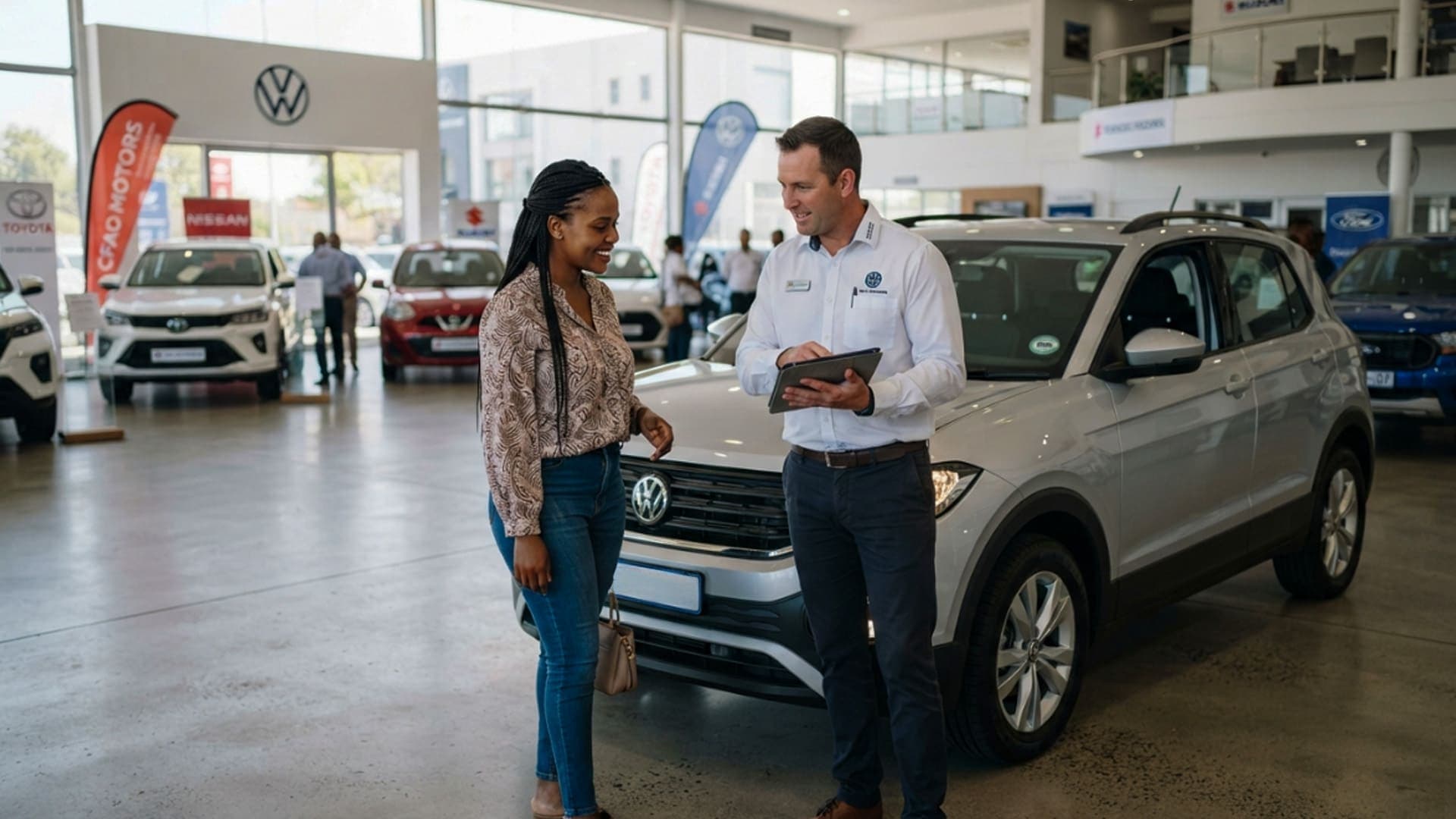
As South Africa’s vehicle market becomes more competitive, automotive advertising needs to do more than announce a price or specification. It needs to help buyers understand value, ownership costs and why a vehicle suits their lives.

Automotive Digital Ads in South Africa: A Shift
Exploring how South Africa’s automotive advertising evolved from print and broadcast to data-driven, programmatic digital ecosystems.

The Video Shift in Car Buying Decisions in SA
Explore how video content shapes car purchase decisions in South Africa, comparing short-form and long-form strategies for automotive marketers.