
Selling an Experience, Not a Vehicle
High-performance and luxury vehicles do not compete on practicality. They are not evaluated purely on fuel economy, boot space or monthly instalments. They exist in a different psychological category altogether. These cars are expressions of success, identity and aspiration.
Marketing in this segment cannot rely on volume tactics. It must be deliberate, refined and emotionally intelligent. The objective is not simply to generate enquiries but to cultivate desire. Premium buyers are not searching for transport. They are searching for meaning, reward and distinction.

Understanding the Premium Buyer
Exclusivity as Value
Exclusivity is central to the appeal of high-end vehicles. Scarcity creates desirability. Limited production numbers, restricted allocations and bespoke build options all reinforce the perception that ownership is earned rather than easily obtained.
Marketing communication should subtly reinforce this scarcity. Language that references allocation, private preview and tailored commissioning frames the vehicle as something curated rather than mass produced. When availability feels controlled, the brand maintains authority.
The perception of exclusivity must be credible. Overstated claims quickly erode trust. Production figures, build-to-order processes and artisan craftsmanship provide the substance that supports premium positioning.
Performance as Personal Identity
In high-performance segments, technical specifications are important but they are rarely the true motivator. Speed, acceleration and power represent personal identity. They symbolise precision, control and engineering excellence.
Rather than presenting performance data in isolation, marketing should contextualise it. The story behind the engine development, the aerodynamic philosophy and the chassis tuning process elevates raw numbers into narratives of obsession and mastery. Buyers at this level are often fascinated by the journey as much as the result.
Emotional Justification
Luxury buyers are typically financially sophisticated, yet their final decision is still emotional. Sound, design, heritage and exclusivity influence the subconscious long before a contract is signed.
Effective marketing therefore blends rational reassurance with emotional storytelling. Warranty coverage, servicing plans and technical data provide comfort. Design, heritage and curated experiences create desire.
Brand Heritage as Competitive Advantage
The Weight of Legacy
Established luxury manufacturers understand the value of heritage. Brands such as Ferrari, Porsche and Rolls-Royce consistently draw on decades of engineering excellence and cultural impact. Their campaigns reference iconic models, racing achievements and craftsmanship traditions that reinforce legitimacy.
Heritage reassures buyers that they are investing in more than a product. They are joining a lineage. Marketing should therefore integrate archival imagery, milestone moments and references to historical innovation in a way that feels sophisticated rather than nostalgic.
Modern Luxury and Innovation
For newer or performance-focused brands without long histories, innovation can function as a modern equivalent of heritage. Advanced materials, electrified performance systems and cutting-edge design language can position a brand as forward thinking and authoritative.
In these cases, marketing must highlight research, development and technological breakthroughs with clarity and confidence. The emphasis should be on leadership rather than imitation.
Design as Emotional Catalyst
Exterior Presence
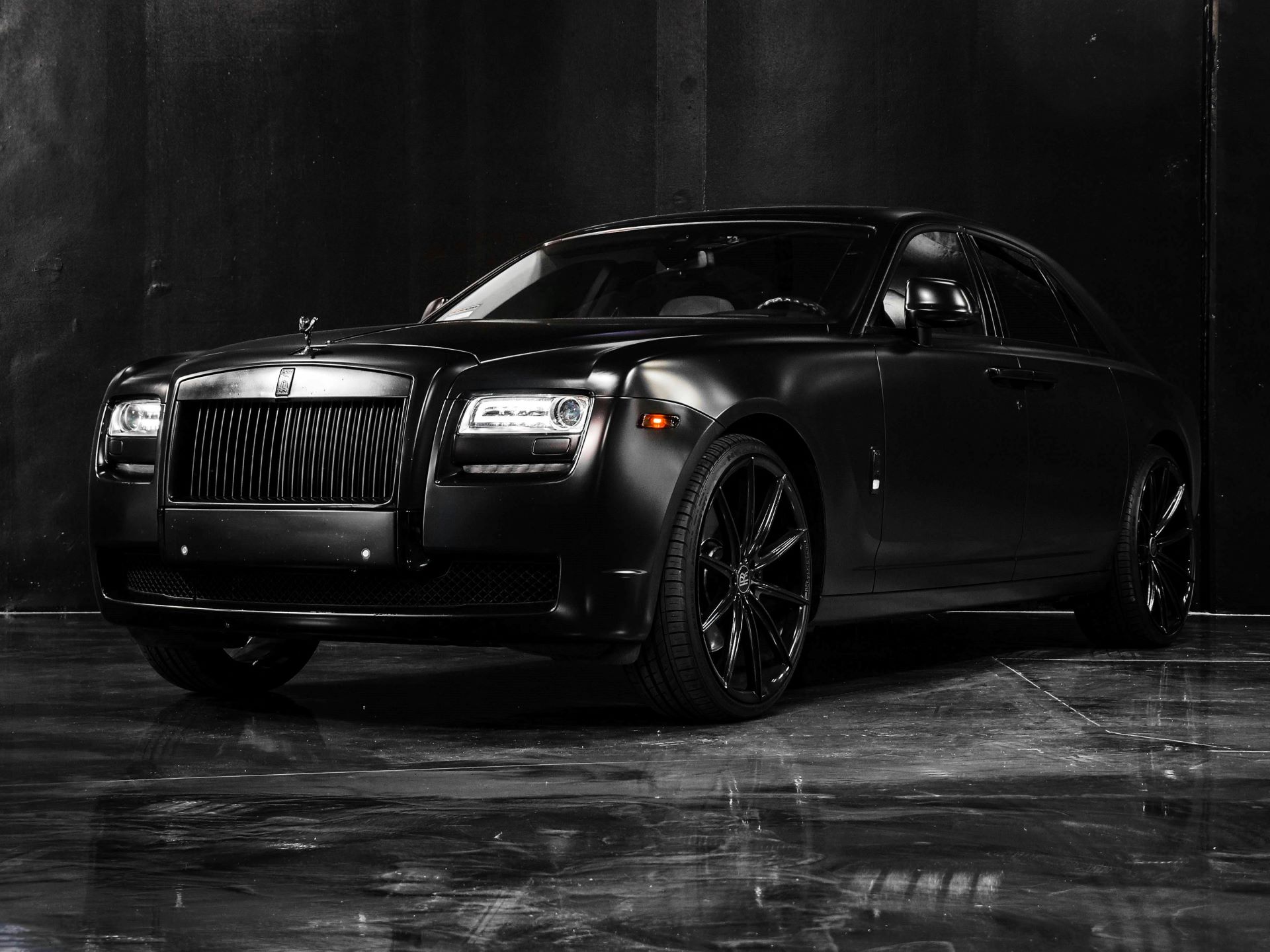
Design is often the first emotional trigger in luxury automotive marketing. Proportions, lighting signatures and surface detailing communicate brand character before a single word is read.
Photography and video production should treat the vehicle as an object of art. Cinematic lighting, architectural backdrops and carefully composed motion sequences elevate the car beyond a commodity. The objective is to create imagery that would feel at home in a design magazine rather than a catalogue.
Interior Craftsmanship
For many premium buyers, the interior experience carries equal or greater weight than exterior styling. Materials, stitching, trim finishes and tactile surfaces shape daily ownership.
Marketing content should explore these elements in depth. Close-up imagery, slow-motion video and descriptive language that emphasises texture and precision help prospects imagine themselves inside the vehicle. When craftsmanship is tangible, price becomes easier to justify.
Pricing and Prestige
Protecting Brand Value
Discount-driven messaging undermines premium positioning. Visible price cuts can erode exclusivity and shift focus from value to cost.
Instead, luxury marketing should emphasise ownership benefits that enhance status and experience. Exclusive events, private track sessions, concierge servicing and curated delivery ceremonies preserve prestige while adding perceived value.
When financial solutions are required, they should be presented with discretion and clarity. Transparency builds trust, but tone and design must remain elevated.
Digital Strategy for the Premium Segment
The Website as a Digital Showroom
A luxury automotive website functions as a virtual showroom. It must be immersive, intuitive and visually refined. High-resolution imagery, fluid navigation and responsive configurators create an environment that mirrors the physical retail space.
Configurators in particular play a crucial role. The ability to visualise bespoke paint finishes, interior materials and performance options reinforces the sense of individuality. The experience should feel seamless and considered rather than technical or transactional.
Social Media as Brand Narrative
Social media can either dilute or strengthen luxury positioning. In this segment, restraint is often more effective than frequency. Carefully curated content that highlights design philosophy, engineering depth and exclusive events sustains interest without appearing promotional.
The tone should be aspirational yet controlled. Hard selling rarely resonates with premium audiences. Instead, social platforms should function as a window into a refined lifestyle.
Experiential Marketing as Differentiator
Private Launches and Curated Events
Luxury vehicle launches should feel intimate and purposeful. Invitation-only previews at premium venues reinforce the perception that ownership is selective.
Partnerships with complementary luxury sectors such as high-end fashion, watchmaking or fine dining can enhance brand alignment. These collaborations situate the vehicle within a broader ecosystem of aspiration.
Performance Experiences
For high-performance models, experiential marketing is particularly powerful. Controlled track events and driving days allow prospects to experience acceleration, braking and handling in a safe environment.
The emotional impact of physically engaging with a performance vehicle often surpasses the persuasive power of any advertisement. Marketing should therefore prioritise creating memorable experiences rather than simply distributing information.
Personalised Sales Journeys
Consultative Engagement
Premium buyers expect individual attention. Sales processes should feel consultative rather than transactional. Dedicated product specialists, private viewing spaces and flexible scheduling enhance the perception of exclusivity.
Communication after initial contact must feel personal. Tailored follow-up messages referencing specific configuration choices demonstrate attentiveness and respect.
Bespoke Configuration
Customisation reinforces exclusivity. Marketing should highlight unique paint finishes, interior combinations and performance enhancements that allow owners to express their identity.
When buyers understand that their vehicle will be distinctly theirs, emotional attachment strengthens.
Measuring Success in Luxury Marketing
Redefining Performance Metrics
In the premium segment, success is not measured by lead volume alone. The focus should shift toward engagement depth and purchase intent.
High-value enquiries, completed configurations, event attendance and meaningful showroom visits are stronger indicators of future revenue than raw website traffic. The quality of interaction matters more than quantity.
Building Long-Term Equity
Luxury automotive marketing is cumulative. Every campaign, event and digital touchpoint contributes to brand equity. Consistency in tone, design and positioning builds familiarity and trust over time.
Short-term sales spikes are less important than sustained prestige. Brands that protect their image and communicate with discipline tend to command stronger margins and deeper loyalty.
Elevating Engineering into Emotion
Marketing high-performance and luxury cars requires more than creativity. It demands restraint, coherence and strategic clarity. Prestige must be earned through consistent messaging and authentic storytelling.
Premium buyers value exclusivity because it signals distinction. They respond to design because it evokes emotion. They invest in heritage and innovation because both represent permanence.
When automotive marketing transforms engineering into artistry and ownership into identity, it does more than promote a vehicle. It creates a world that discerning buyers want to enter and remain within.
Breyten Odendaal
Specializing in high-performance automotive advertising and digital marketing solutions, delivering cutting-edge insights and the latest news shaping the automotive industry in South Africa.
More From Advertising
Automotive Advertising in 2026: Selling Confidence in a More Competitive Market
As South Africa’s vehicle market becomes more competitive, automotive advertising needs to do more than announce a price or specification. It needs to help buyers understand value, ownership costs and why a vehicle suits their lives.

Automotive Digital Ads in South Africa: A Shift
Exploring how South Africa’s automotive advertising evolved from print and broadcast to data-driven, programmatic digital ecosystems.

The Video Shift in Car Buying Decisions in SA
Explore how video content shapes car purchase decisions in South Africa, comparing short-form and long-form strategies for automotive marketers.