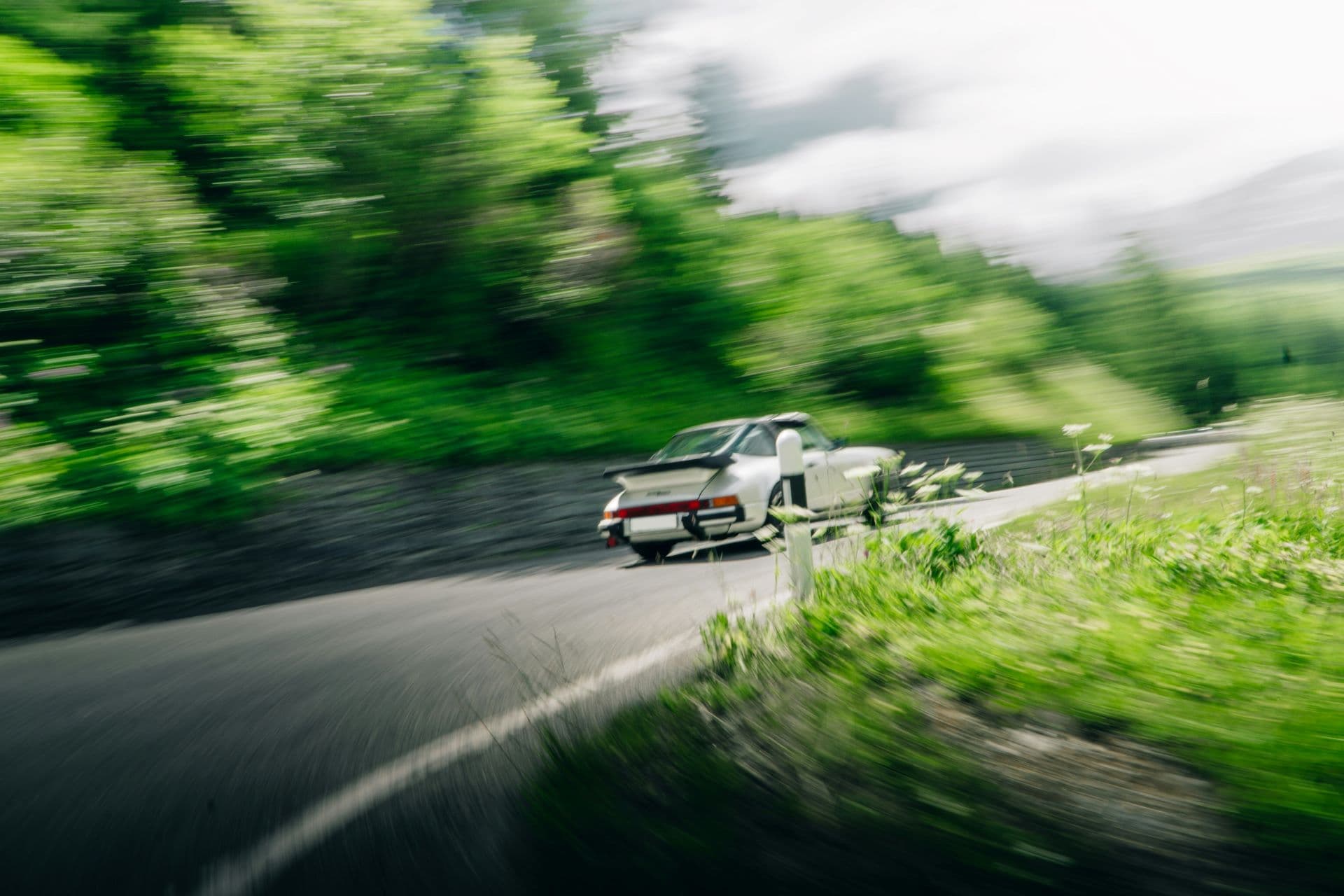
Marketing Danger: How Extreme Sports Fuel Automotive Desire
Automotive marketing has evolved far beyond showcasing specifications or luxury interiors. Today, cars are not merely vehiclesÔÇöthey are extensions of a lifestyle, tools that unlock adrenaline, freedom, and the thrill of the unknown. As extreme sports capture hearts worldwide, automotive brands are tapping into this energy to build desire, creating campaigns that arenÔÇÖt just seenÔÇötheyÔÇÖre felt. From off-road escapades to stunt-laden racing footage, cars are increasingly framed as companions in the pursuit of adventure.
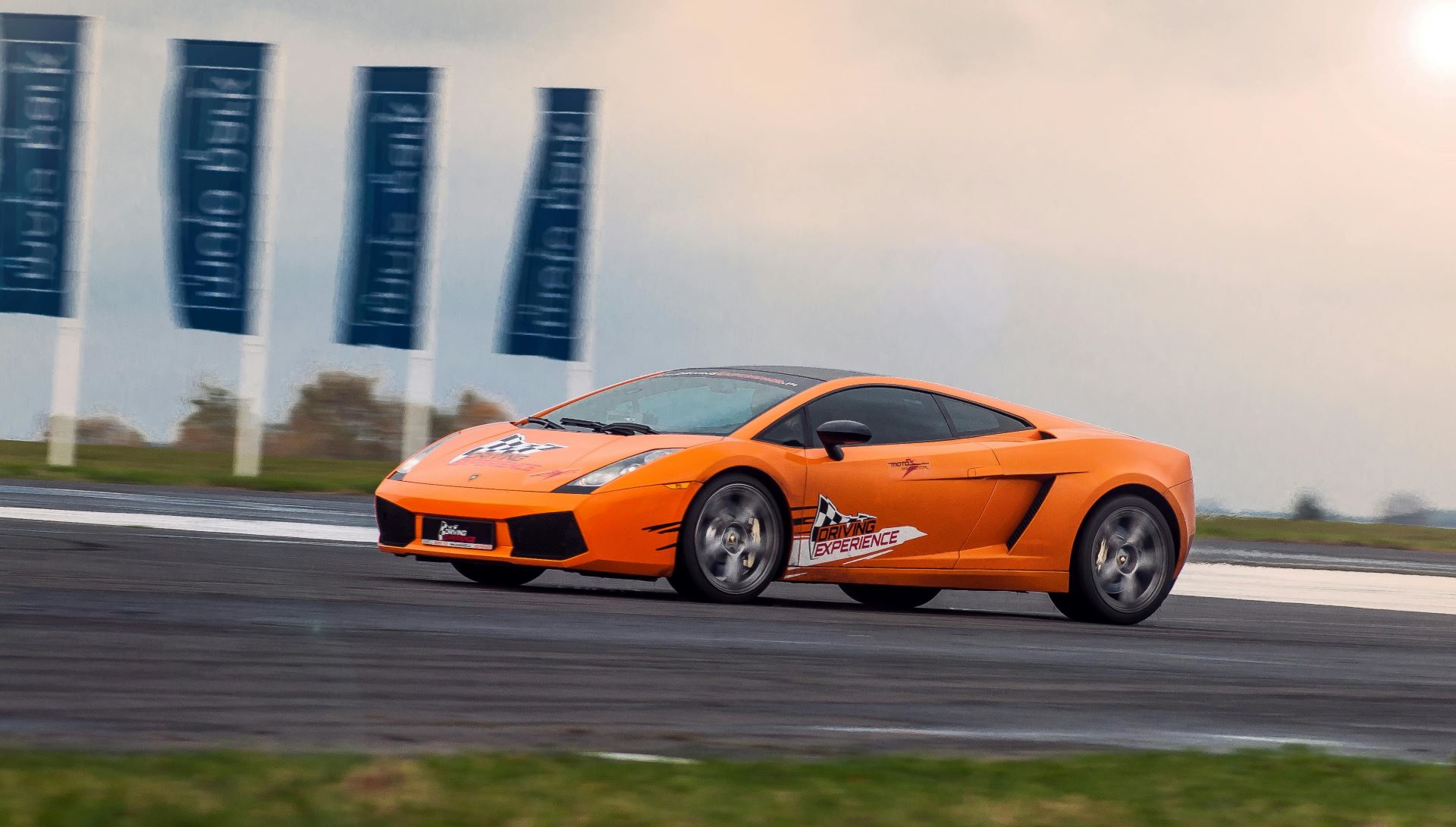
The Rise of Adrenaline-Driven Automotive Marketing
The shift toward experience-focused marketing aligns with broader consumer trends. Buyers no longer seek a car solely for transportation; they crave excitement, identity, and stories that speak to their passions. Extreme sportsÔÇöskateboarding, rock climbing, motocross, rally racing, and stunt drivingÔÇöoffer brands a shortcut to these emotions.
Automakers now sponsor events and athletes, integrate extreme sports into visual storytelling, and craft campaigns that emphasize speed, resilience, and daring maneuvers. A Toyota Hilux conquering mud-drenched trails, a Land Rover defying cliffsides, or a Ford Mustang roaring through an urban stunt course isnÔÇÖt just a marketing spectacleÔÇöitÔÇÖs an invitation to live life on the edge.
This approach taps into what psychologists call ÔÇ£vicarious experience.ÔÇØ By watching adrenaline-fueled stunts, viewers imagine themselves in the driverÔÇÖs seat, feeling the rush of speed and mastery over rugged terrains. Brands convert that imagined thrill into tangible desire.
Off-Road Adventures: Selling Freedom Beyond Asphalt
Off-road vehicles naturally align with extreme lifestyles. Campaigns highlighting their durability, power, and capability often employ cinematic landscapes, immersive POV shots, and challenges that test both vehicle and driver.
Brands such as Jeep, Land Rover, and Toyota have long capitalized on this. A Jeep commercial may follow a group of adventurers traversing rocky mountains, campfires reflecting off dust-coated grills. Land RoverÔÇÖs campaigns often blend luxury with ruggedness, pairing high-end interiors with harsh landscapes, demonstrating that refinement and adrenaline are not mutually exclusive.
Marketing teams increasingly integrate storytelling, creating narratives around exploration and conquest. ItÔÇÖs no longer just about climbing a hillÔÇöitÔÇÖs about the triumph, the camaraderie, and the personal narrative that the car facilitates. Every frame of these campaigns becomes a visual promise: choose this vehicle, and adventure awaits.
Racing and Track Campaigns: The Allure of Controlled Chaos
High-performance cars thrive in environments that highlight precision, speed, and skill. Automotive marketing leverages this through racing campaigns that emphasize adrenaline without compromising safety.
Formula 1, World Rally Championship, and touring car series are now platforms for brand storytelling. Campaigns showcase the engineering prowess that allows cars to navigate tight corners, reach breathtaking speeds, and endure punishing conditions. Brands use these narratives to connect performance metrics with human emotion. The thrill of racing isnÔÇÖt merely about velocityÔÇöitÔÇÖs about mastery, courage, and exclusivity.
Porsche, BMW M, and Mercedes-AMG have mastered this space, producing commercials where cars dance along winding roads or blast through circuits, evoking a visceral response from viewers. These campaigns are meticulously choreographed yet designed to feel spontaneousÔÇöan illusion of chaos that mirrors the excitement sought by their audience.
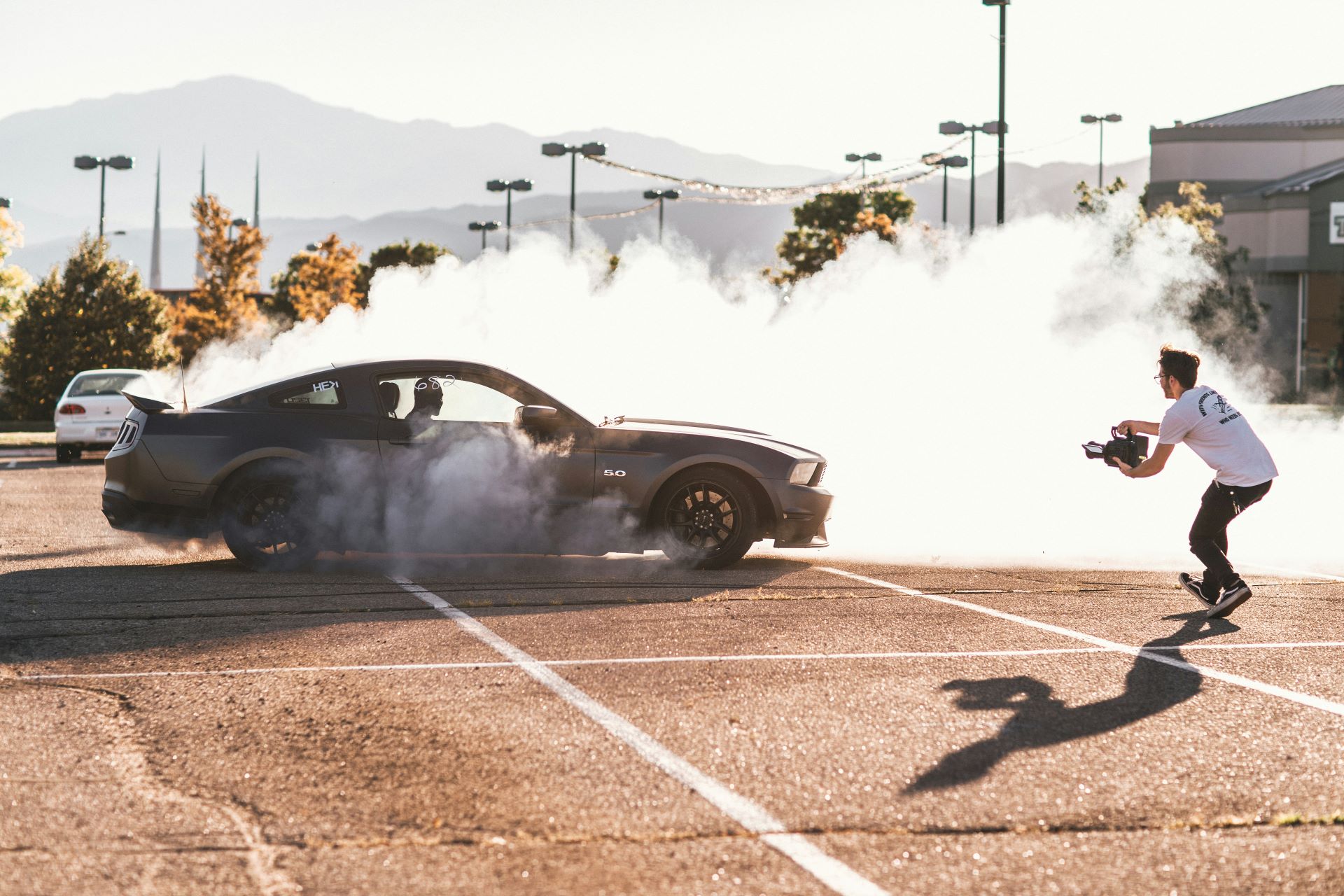
Stunt-Driven Content: Capturing the Viral Factor
In the age of social media, extraordinary visuals capture attention faster than traditional ads ever could. Automotive marketers increasingly rely on stunt-driven content to create shareable, conversation-worthy campaigns.
From flips over ramps to high-speed drifts along coastal roads, these stunts translate automotive engineering into visual poetry. Red BullÔÇÖs collaboration with car brands for extreme driving content is a prime example, blurring the line between sponsored media, entertainment, and authentic thrill. Viral stunts not only showcase capabilities but reinforce a brandÔÇÖs adventurous personality.
The key to success lies in relatability and accessibility. While viewers may not attempt a barrel roll in a sports car, the emotions elicitedÔÇöfear, excitement, admirationÔÇöcreate an aspirational bridge. The vehicle becomes a symbol of possibilities, an object that can turn ordinary experiences into extraordinary adventures.
The Psychology Behind Adrenaline in Marketing
Why do extreme sports and automotive marketing pair so seamlessly? The answer lies in human psychology. Adrenaline triggers heightened emotional responses, increasing attention, memory retention, and emotional association with a brand.
When a viewer sees a car conquering impossible terrain or executing precise stunts, the brain links that thrill with the brand itself. The product becomes associated with courage, skill, and freedomÔÇöqualities consumers may desire in themselves. ItÔÇÖs a shortcut to identity marketing: the car isnÔÇÖt just a car; itÔÇÖs a reflection of who the buyer wants to be.
Marketing teams can amplify this effect by pairing visuals with sound design, narrative voiceovers, and immersive cinematic techniques, creating a full-body experience that lingers long after the ad ends.
Bridging the Lifestyle Gap: From Campaign to Experience
Forward-thinking automotive brands extend extreme-sports marketing beyond the screen. Experiential marketing, such as test-drive events on off-road courses or stunt driving workshops, allows potential buyers to feel the thrill firsthand.
These experiences transform abstract desire into tangible reality. Brands like Subaru with their adventure clinics, or BMW with track days, provide a controlled environment where aspirational marketing meets physical experience. The result is a stronger emotional bond, increasing the likelihood of purchase while cultivating brand loyalty.
Measuring Impact: Metrics That Matter
The success of extreme-sports-driven campaigns goes beyond views or likes. Engagement metrics, sentiment analysis, and conversion rates indicate how well a campaign resonates with adventurous audiences.
Social media virality amplifies reach, but careful tracking ensures that the thrill translates into sales or leads. Automotive marketers combine traditional KPIs with experiential metrics, measuring not just exposure but emotional engagement and real-world action.
Marketing Danger as a Strategic Tool
In todayÔÇÖs competitive automotive market, connecting with consumers on a visceral, emotional level is paramount. Extreme sports provide a potent vehicleÔÇöpun intendedÔÇöfor achieving this connection. Through off-road adventures, racing spectacles, and viral stunts, cars become more than machines; they become symbols of daring, excitement, and lifestyle possibility.
Adrenaline-driven campaigns appeal to the aspirational self in every buyer, translating desire into action. Automotive brands that embrace the calculated risk of ÔÇ£marketing dangerÔÇØ are not just selling carsÔÇöthey are selling the thrill of living, one adventure at a time.
Breyten Odendaal
Specializing in high-performance automotive advertising and digital marketing solutions, delivering cutting-edge insights and the latest news shaping the automotive industry in South Africa.
More From Advertising
Automotive Advertising in 2026: Selling Confidence in a More Competitive Market
As South Africa’s vehicle market becomes more competitive, automotive advertising needs to do more than announce a price or specification. It needs to help buyers understand value, ownership costs and why a vehicle suits their lives.

Automotive Digital Ads in South Africa: A Shift
Exploring how South Africa’s automotive advertising evolved from print and broadcast to data-driven, programmatic digital ecosystems.

The Video Shift in Car Buying Decisions in SA
Explore how video content shapes car purchase decisions in South Africa, comparing short-form and long-form strategies for automotive marketers.