
In the ever-evolving landscape of automotive branding, the conversation between luxury and lifestyle has taken on renewed significance. While premium marques continue to bank on exclusivity, heritage, and engineering superiority, mass-market brands have evolved to offer accessible aspiration, experiential richness, and tech-savvy practicality. Yet both speak to something deeper than transportÔÇöthey reflect who we are, how we live, and what we value.
This article explores the contrasting yet overlapping worlds of luxury and mass-market automotive branding. It unpacks how these sectors construct desirability, foster identity, and navigate a marketplace where customer expectations are changing as quickly as the technologies that serve them.
The Evolution of Automotive Aspiration
From Utility to Identity
Historically, cars served a utilitarian purposeÔÇöoffering convenience and mobility. But as the 20th century unfolded, they became emblems of personal freedom and social status. Brands like Cadillac, Rolls-Royce, and Mercedes-Benz positioned themselves as symbols of opulence, while Ford, Toyota, and Volkswagen spoke to the democratization of mobility.
Today, however, aspiration no longer exists in a simple hierarchy. Ownership decisions are shaped not just by price tags or status but by nuanced desiresÔÇösustainability, authenticity, adventure, connectivity. The result? Premium and mass-market brands are talking to different consumers, in different languages, but with the same intent: emotional resonance.
Defining the Luxury Car Brand
Luxury brands are purveyors of promise. They donÔÇÖt just sell carsÔÇöthey sell prestige, performance, and provenance.
Key Traits of Luxury Automotive Branding
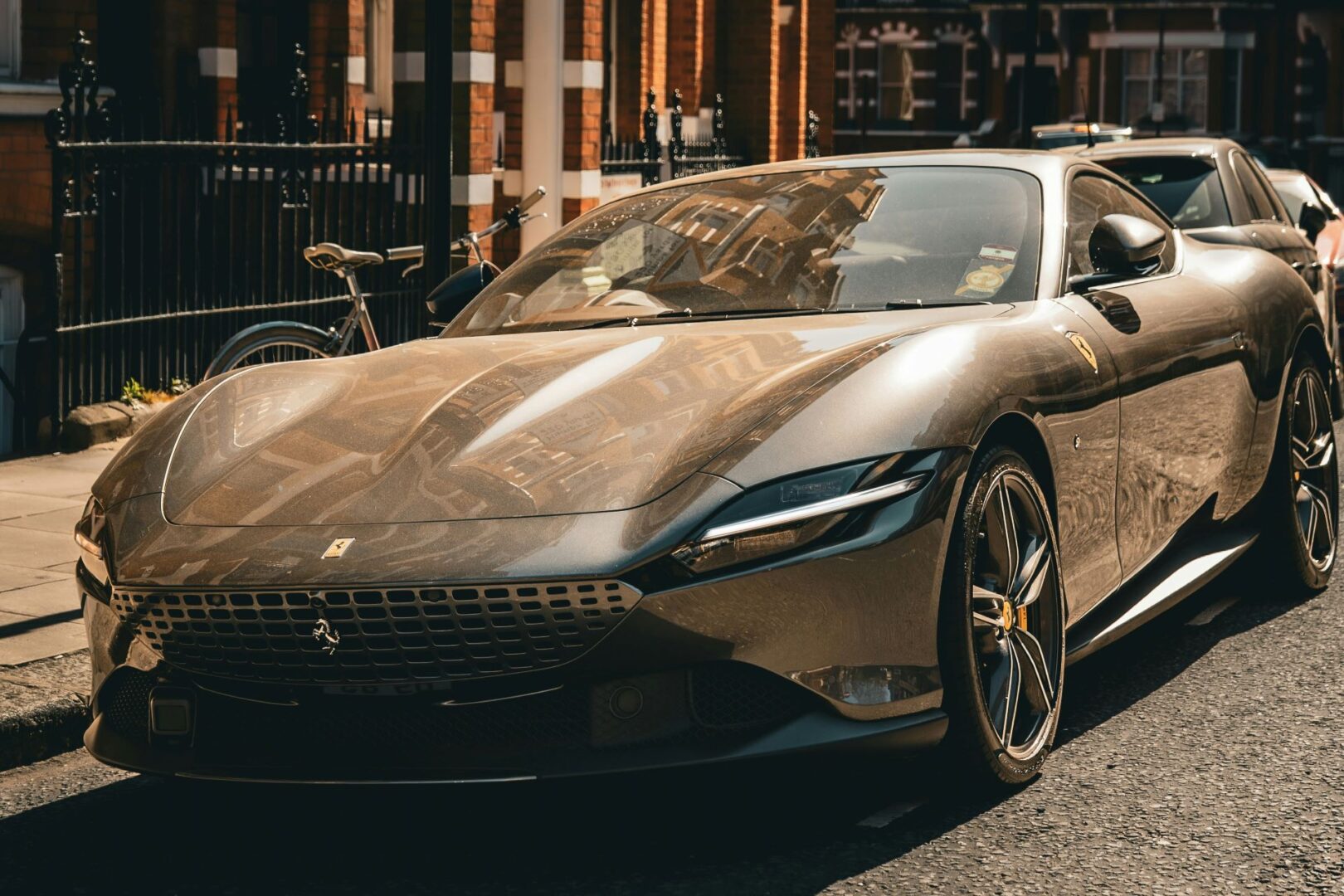
Heritage and CraftsmanshipBrands like Bentley, Aston Martin, and Rolls-Royce lean into narratives of meticulous handcraftsmanship and legacy. Their vehicles are not mass-produced, but curatedÔÇöoften bespoke.
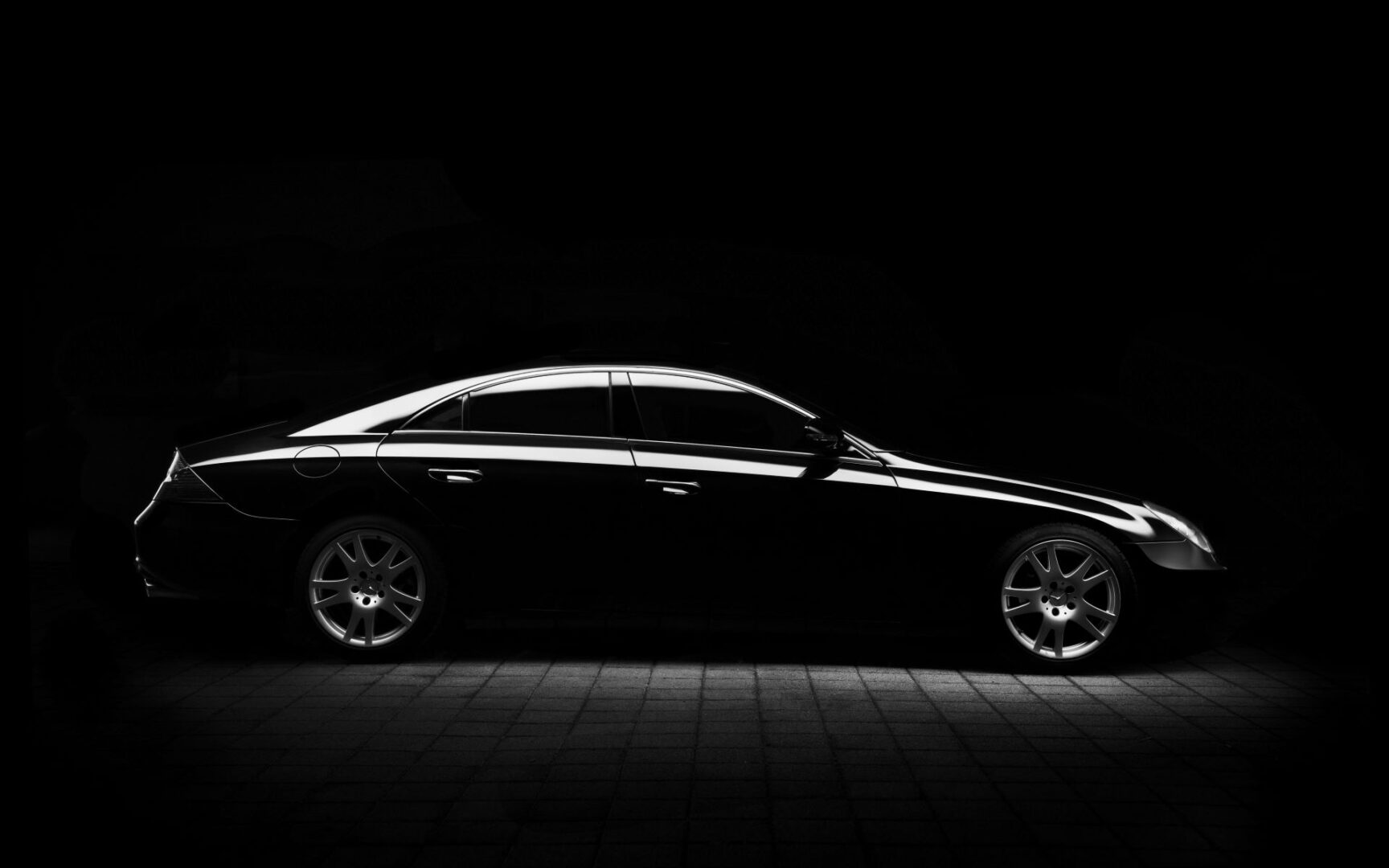
Design as DistinctionWhether itÔÇÖs the floating center caps of a Rolls-Royce or the stealth-like silhouette of a Lamborghini, design becomes a marker of distinction. Form doesn't merely follow functionÔÇöit defines identity.
Performance PedigreeFrom Ferrari's track-bred engineering to BMWÔÇÖs ÔÇ£Ultimate Driving MachineÔÇØ ethos, performance is both literal and symbolicÔÇöa promise of control, power, and exclusivity.
Personalisation and CurationWith premium brands, no two vehicles need be alike. Aston MartinÔÇÖs Q by Aston or LamborghiniÔÇÖs Ad Personam programme invites owners into a co-creation process, turning a car into a canvas.
Emotional LanguageMarketing leans into emotional resonanceÔÇö'grace', 'power', 'perfection', 'seduction'. Luxury sells through evocation, not explanation.
The Consumer Mindset
Luxury automotive buyers are not merely seeking transportationÔÇötheyÔÇÖre asserting status, taste, and autonomy. These consumers are often less price-sensitive and more experience-driven. They value scarcity and uniqueness over ubiquity. For them, ownership becomes an extension of personal identity, often acquired after achieving certain financial milestones.
Mass-Market Brands: Access Meets Aspiration
Mass-market brands operate with a broader mandate. Their vehicles must appeal to diverse demographics while offering reliability, value, and increasingly, innovation. Yet these brands, too, have become masters of aspirationÔÇöalbeit one more grounded in lifestyle than luxury.
The Core Attributes of Mass-Market Automotive Branding
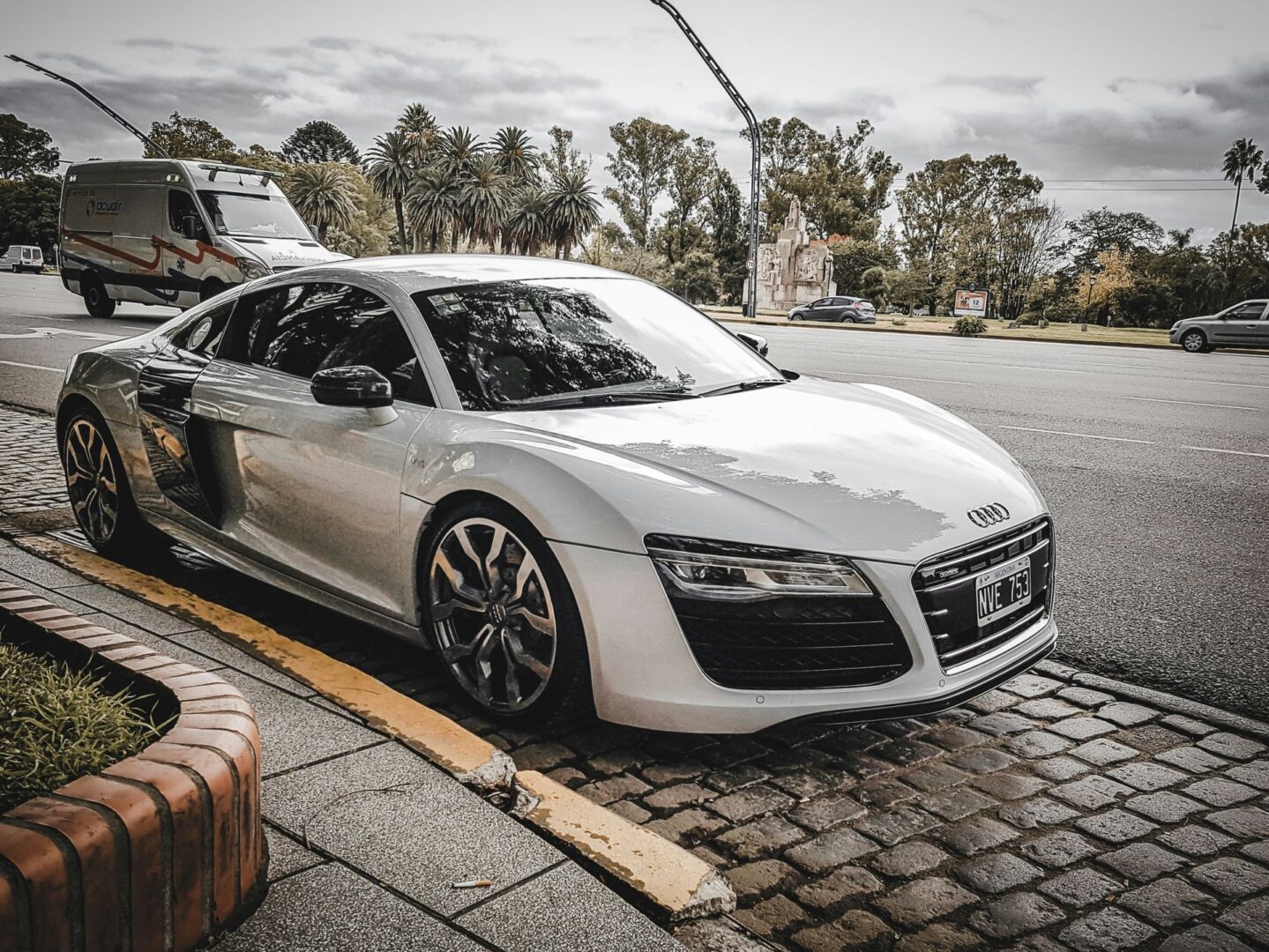
Attainability with AmbitionBrands like Hyundai, Kia, and Skoda have shifted from being budget-oriented to delivering design, performance, and tech that challenge traditional hierarchies.
Tech-Savvy StorytellingMass-market vehicles often highlight cutting-edge featuresÔÇöadaptive cruise control, EV platforms, digital cockpitsÔÇömaking technological empowerment the new badge of aspiration.
Emphasis on Utility and VersatilitySUVs, crossovers, and MPVs are positioned as lifestyle enablersÔÇövehicles for road trips, surfboards, strollers, and smart working spaces.
Inclusive LanguageCampaigns often foreground diversity, modern families, and environmental consciousness. Think NissanÔÇÖs ÔÇ£Innovation that ExcitesÔÇØ or ToyotaÔÇÖs ÔÇ£LetÔÇÖs Go PlacesÔÇØ.
Design DemocratisationMass-market brands have levelled the aesthetic playing field, with cars like the Peugeot 408 or Mazda CX-60 offering styling once reserved for premium segments.
The Consumer Mindset
Mass-market consumers are pragmatic optimists. They seek functionality, reliability, and valueÔÇöbut theyÔÇÖre also inspired by design, connectivity, and the freedom a car promises. For these buyers, a car is both a facilitator and a reflection of their ambitionsÔÇöwhether thatÔÇÖs family growth, career mobility, or eco-conscious living.
Where the Lines Begin to Blur
While distinctions between luxury and mass-market remain, the boundaries are increasingly porous. Consider the following trends:
Premiumisation of the Mass Market
Many mass-market brands are introducing halo models that bridge into premium territory. HyundaiÔÇÖs Genesis sub-brand is a notable case. Similarly, ToyotaÔÇÖs Crown, or PeugeotÔÇÖs GT line, bring luxury sensibilitiesÔÇöplush interiors, tech-rich cabins, expressive designsÔÇöinto more accessible pricing brackets.
LuxuryÔÇÖs Foray into Lifestyle
Luxury brands are no longer aloof. Land RoverÔÇÖs Defender and PorscheÔÇÖs Macan speak to rugged adventure and daily usability. Even Rolls-Royce has joined the SUV game with the Cullinan, reflecting the affluent consumerÔÇÖs shift toward lifestyle utility.
Electric Vehicles as a Branding Equaliser
EVs have democratised innovation. Brands like Tesla (once luxury, now more mass-affordable), BYD, and Polestar challenge traditional brand hierarchies. Meanwhile, luxury players like Mercedes-EQ and BMW i are leveraging EV platforms to reframe their brands as not just opulent, but future-focused.
The Role of Sustainability in Aspiration
Sustainability has become a moral and material driver of aspiration. Premium and mass-market brands are addressing it in distinct ways:
While the luxury buyer may favour exclusivity in sustainable design, the mass-market consumer seeks scalable solutionsÔÇömaking the brandÔÇÖs environmental ethos a key differentiator.
Communication Channels: Telling the Story
The mediums by which brands communicate with consumers are as critical as the messages themselves.
Luxury Brand Channels
Mass-Market Brand Channels
Cultural Specificity: Global Brands, Local Relevance
Automotive aspirations are deeply contextual. A luxury badge may mean something very different in Johannesburg than it does in Tokyo, Dubai, or São Paulo.
Successful brands understand this and localise messaging accordinglyÔÇöbalancing global identity with cultural nuance.
Looking Ahead: The Future of Automotive Aspiration
The Rise of the Digital Native Car Buyer
TomorrowÔÇÖs car buyers are digitally fluent and emotionally intuitive. They value speed, transparency, and personalised experiences. Premium and mass-market brands alike must deliver seamless online journeysÔÇöfrom VR test drives to blockchain-secured ownership records.
Mobility Over Ownership
Subscription models, car-sharing platforms, and on-demand services are reshaping ownership paradigms. While luxury brands may offer ÔÇ£white gloveÔÇØ subscriptions, mass-market brands are leaning into affordability and flexibility.
New Definitions of Luxury
In a world of digital fatigue and climate anxiety, luxury may no longer be defined by excess but by peace, purity, and purpose. Brands that deliver silent electric propulsion, recycled materials, wellness-infused cabins, and AI-driven ergonomics may shape the next chapter of premium appeal.
Luxury and mass-market car brands speak different languages, but they share a common goal: to inspire. Whether through handcrafted elegance or accessible innovation, they offer vehicles as more than machinesÔÇöthey are vessels of meaning.
As automotive aspirations evolve, so too must the narratives that drive them. In a world where brand loyalty is hard-won and quickly lost, itÔÇÖs the brands that understand not just what their customers drive, but why they drive, who will continue to steer the conversation.
Breyten Odendaal
Specializing in high-performance automotive advertising and digital marketing solutions, delivering cutting-edge insights and the latest news shaping the automotive industry in South Africa.
More From Advertising
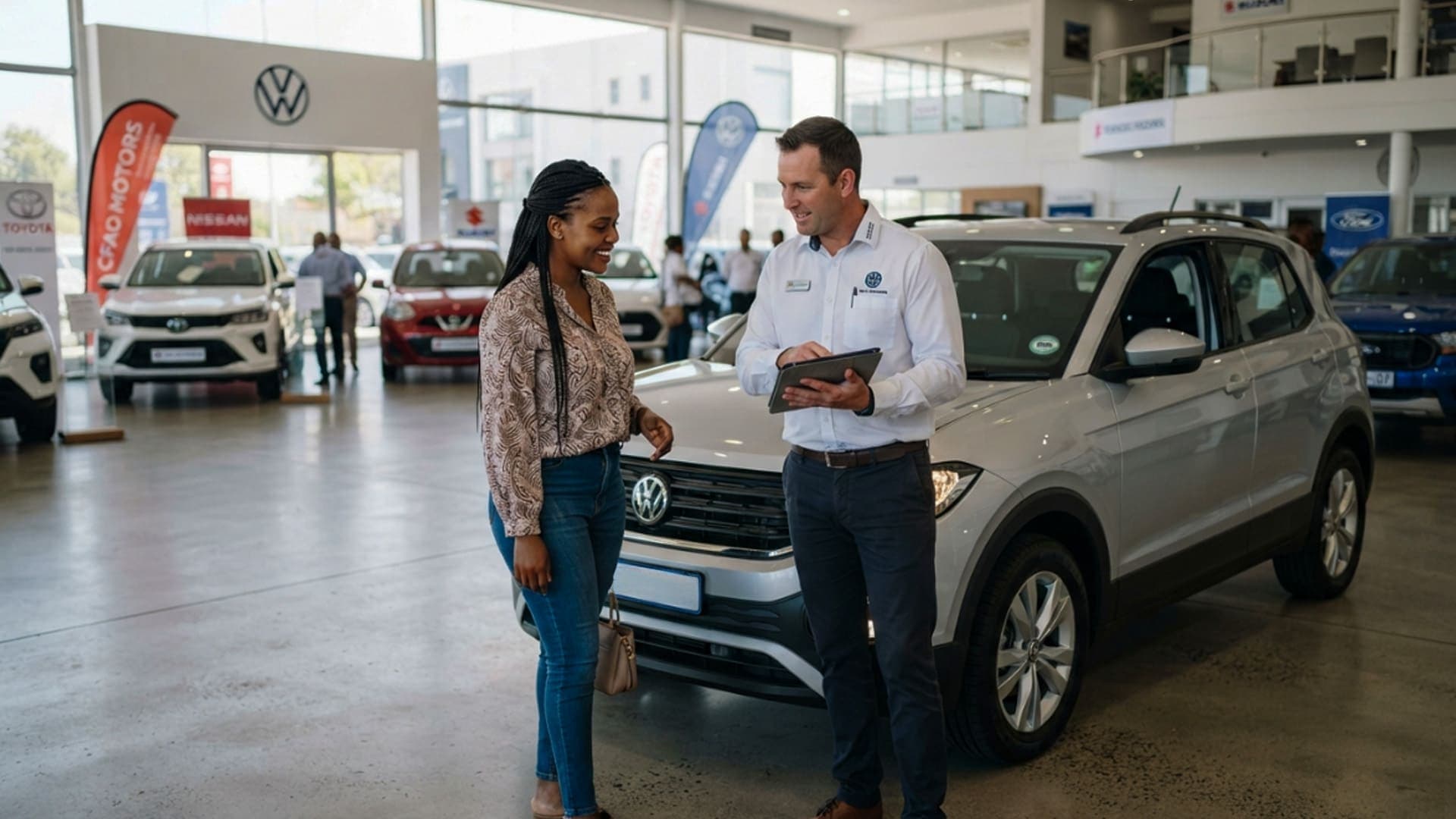
Automotive Advertising in 2026: Selling Confidence in a More Competitive Market
As South Africa’s vehicle market becomes more competitive, automotive advertising needs to do more than announce a price or specification. It needs to help buyers understand value, ownership costs and why a vehicle suits their lives.

Automotive Digital Ads in South Africa: A Shift
Exploring how South Africa’s automotive advertising evolved from print and broadcast to data-driven, programmatic digital ecosystems.

The Video Shift in Car Buying Decisions in SA
Explore how video content shapes car purchase decisions in South Africa, comparing short-form and long-form strategies for automotive marketers.