
The New Language of Luxury
Luxury has always been defined by rarity, craftsmanship, and aspirational status. Yet, in the modern era, a new metric has emergedÔÇösustainability. For automotive brands, this evolution is not merely a marketing trend; it is a strategic imperative. Consumers increasingly expect their vehicles to reflect personal values as much as they do engineering excellence. Circular economy principlesÔÇödesigning for longevity, reuse, and recyclingÔÇöare now synonymous with prestige.
Luxury automakers are discovering that sustainability can enhance, rather than diminish, exclusivity. Materials once considered waste are now woven into interiors, body panels, and trim, offering consumers a story as compelling as the performance of the car itself. This shift represents a paradigm where opulence and environmental responsibility intersect, and storytelling becomes a crucial tool in communicating this vision.
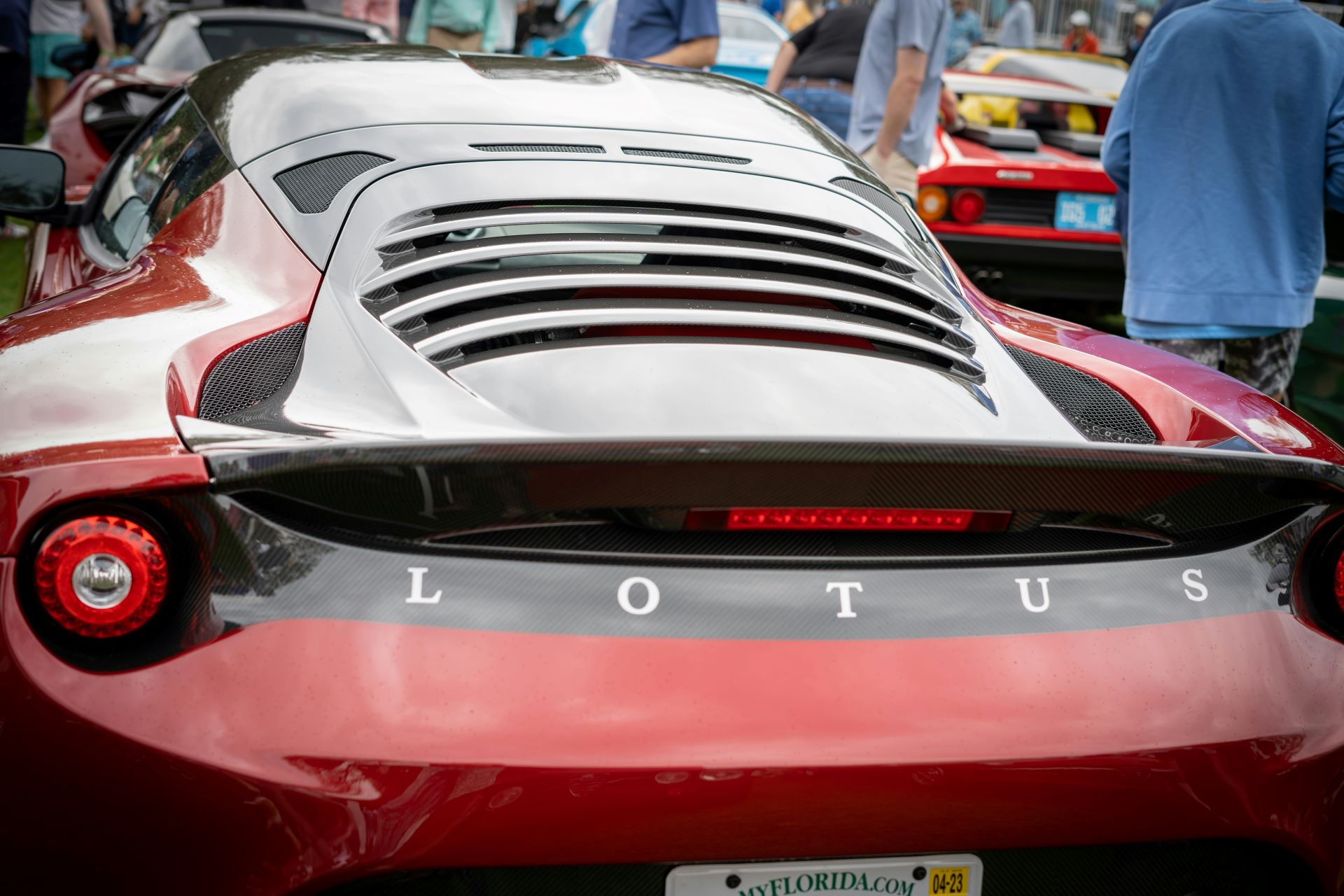
From Leather to Lab: Reimagining Materials
Automotive interiors have long been a showcase of tactile luxury, from hand-stitched leather to rare wood veneers. The challenge now lies in aligning these materials with ethical and environmental standards. Brands like Bentley and Rolls-Royce are pioneering initiatives where reclaimed wood, recycled metals, and lab-grown leathers are not just substitutions but enhancements to the luxury experience.
These innovations allow brands to craft narratives that resonate with the conscious consumer. A dashboard crafted from sustainably sourced walnut or a seat upholstered in bio-based leather carries a story that transcends the object itself. In marketing campaigns, this storytelling is essential: it communicates a commitment to circular design without compromising on the sensory experience that defines luxury.
The Circular Approach: Beyond Recycling
Circular economy thinking in automotive luxury is not limited to using recycled materials. It extends to the entire lifecycle of a vehicle, from production to end-of-life management. Manufacturers are redesigning components to be modular and easily separable, enabling refurbishment or remanufacturing.
Take the example of electric drivetrains in premium EVs. Battery modules are increasingly designed for reuse, with partnerships emerging between automakers and recycling specialists. Marketing these initiatives allows luxury brands to position themselves as forward-thinking, innovation-driven, and socially responsible, appealing to high-net-worth consumers who view their purchasing decisions as a reflection of personal ethics.
Storytelling Through Sustainability
Luxury marketing thrives on narrative. In the context of circular economy, storytelling must communicate both heritage and innovation. Brands are now creating content that highlights material origins, production processes, and environmental impact metrics, often integrating these stories across digital platforms and experiential showrooms.
Consumers are not merely buying a car; they are investing in a philosophy. A campaign might showcase the journey of a recycled aluminum body panel from a decommissioned sports car to the frame of a next-generation SUV. Such narratives elevate the perceived value of sustainable practices, transforming them into markers of sophistication rather than compromise.
Consumer Perception: Luxury Meets Responsibility
Research indicates that high-net-worth consumers are increasingly influenced by sustainability. In South Africa and globally, buyers are scrutinizing the social and environmental footprints of their vehicles. Luxury brands, historically insulated from such scrutiny, now face pressure to demonstrate accountability.
Marketing strategies are adapting by highlighting certifications, carbon-neutral initiatives, and innovative circular solutions. These messages are communicated subtly yet persuasively, ensuring that sustainability is perceived as an added layer of exclusivity. A vehicle that embodies circular design principles becomes not just a car, but a symbol of refined consciousness.
Collaboration and Innovation: Partners in Circularity
No luxury automaker can operate in isolation. Circular economy storytelling often involves collaborations with material scientists, sustainable textile manufacturers, and technology firms specializing in recycling and remanufacturing.
These partnerships themselves become part of the brand narrative. For instance, a collaboration between a luxury carmaker and an advanced polymer lab allows marketers to showcase how breakthrough materials are revolutionizing interiors. The message resonates with audiences who value innovation and exclusivity, reinforcing the notion that sustainability is a mark of elite craftsmanship rather than compromise.

Experiential Marketing: Touching the Future
The luxury automotive experience is increasingly experiential, and circular economy principles can be woven into this. Flagship showrooms now feature installations where visitors can see and touch recycled materials, explore interactive displays showing the lifecycle of car components, and participate in workshops on sustainable design.
Such initiatives are not only educationalÔÇöthey are aspirational. They allow consumers to feel part of a movement, aligning their lifestyle choices with the progressive values of the brand. Marketing campaigns amplify these experiences through virtual tours, social media storytelling, and influencer-led narratives, making sustainability tangible, shareable, and desirable.
Challenges in Authenticity
While the opportunities are significant, luxury brands must tread carefully to avoid greenwashing. Transparency is critical: consumers are highly discerning and can detect superficial sustainability claims. Authentic circular economy storytelling requires verifiable data, clear provenance of materials, and demonstrable impact across the supply chain.
Marketing must balance aspirational messaging with concrete evidence, ensuring that sustainability is positioned as integral to luxury craftsmanship rather than an afterthought. This authenticity reinforces brand equity, turning eco-conscious initiatives into a competitive differentiator.
Regional Perspectives: South Africa and Beyond
In South Africa, luxury automotive buyers are increasingly receptive to sustainability narratives, particularly when framed within local context. Initiatives that highlight recycled local materials or contribute to community development resonate strongly.
Globally, markets such as Europe, North America, and Asia are driving similar trends, with luxury automakers leading the charge in circular economy adoption. Sharing these international benchmarks in marketing communications not only positions brands as global leaders but also appeals to aspirational consumers seeking the latest in luxury innovation.
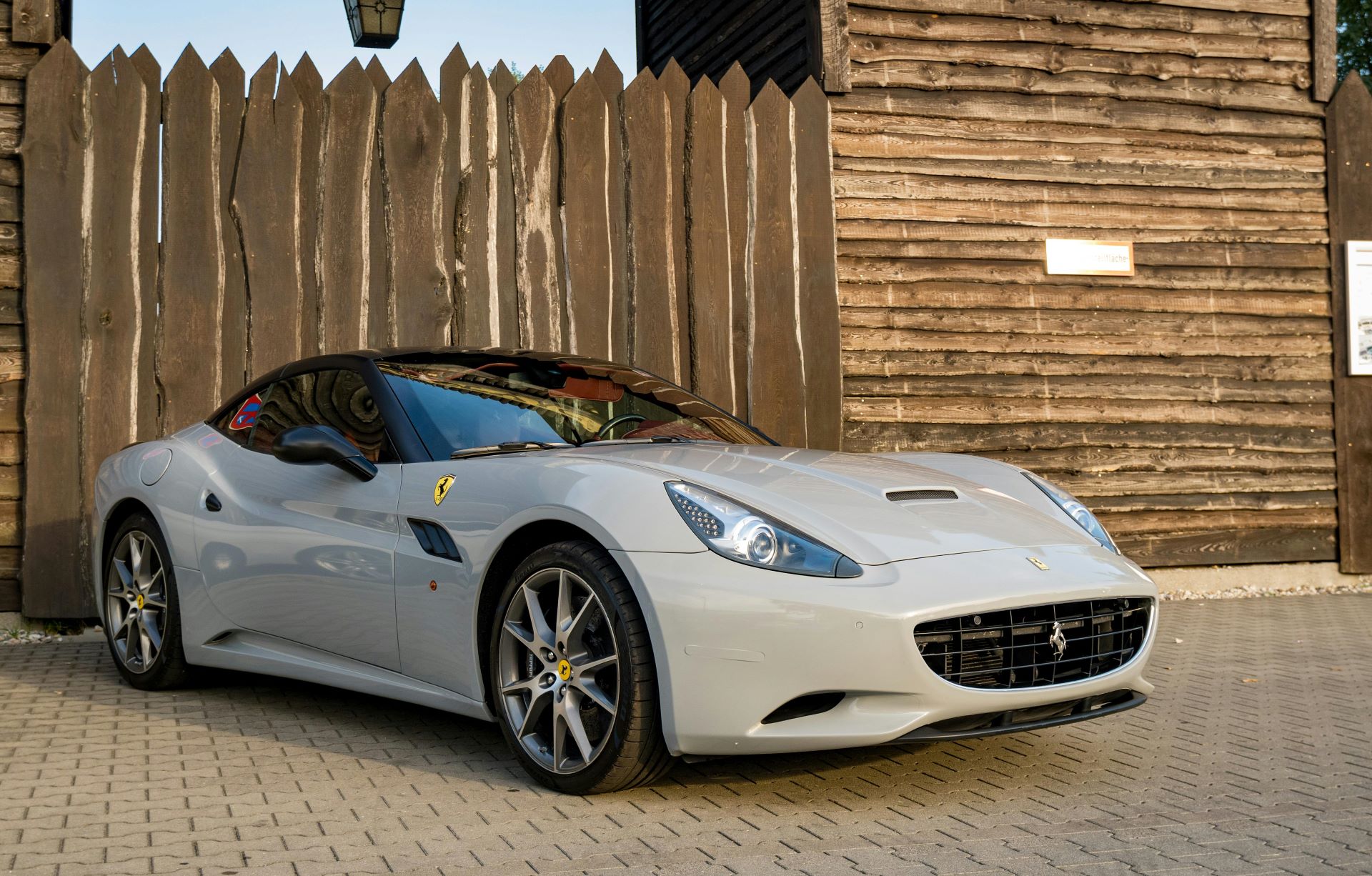
Luxury in the Circular Age
The luxury automotive sector is undergoing a profound transformation. Circular economy principles are redefining opulence, shifting the focus from mere rarity to responsible innovation. Sustainability is no longer a constraintÔÇöit is an opportunity to tell richer, more engaging stories that elevate the brand experience.
For marketers, the imperative is clear: craft narratives that integrate material innovation, lifecycle responsibility, and consumer aspiration. The vehicles themselves become storytellers, embodying a philosophy where elegance, performance, and sustainability coexist. In this new era, true luxury is measured not only by what is owned but by the values it represents.
Breyten Odendaal
Specializing in high-performance automotive advertising and digital marketing solutions, delivering cutting-edge insights and the latest news shaping the automotive industry in South Africa.
More From Advertising
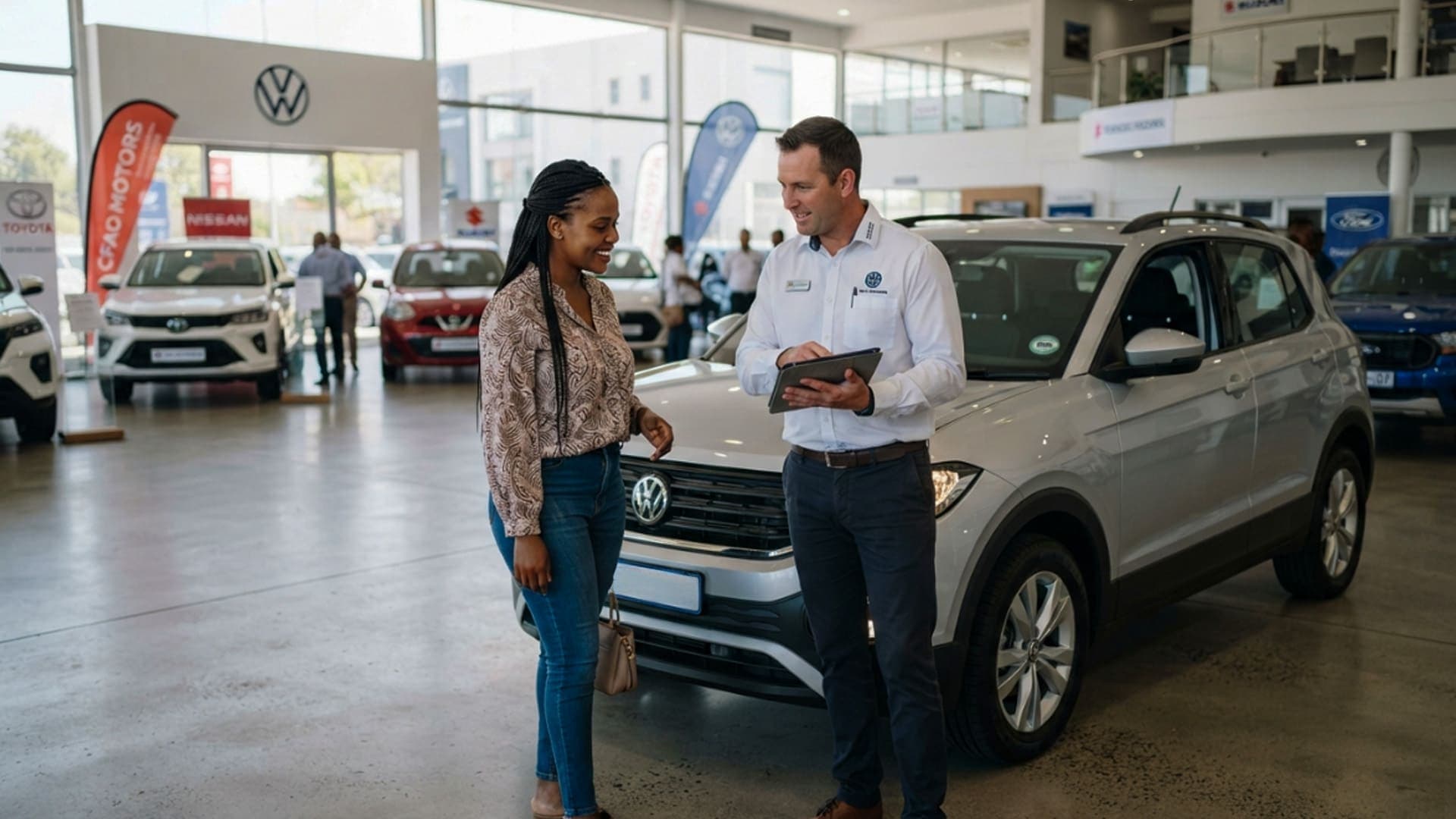
Automotive Advertising in 2026: Selling Confidence in a More Competitive Market
As South Africa’s vehicle market becomes more competitive, automotive advertising needs to do more than announce a price or specification. It needs to help buyers understand value, ownership costs and why a vehicle suits their lives.

Automotive Digital Ads in South Africa: A Shift
Exploring how South Africa’s automotive advertising evolved from print and broadcast to data-driven, programmatic digital ecosystems.

The Video Shift in Car Buying Decisions in SA
Explore how video content shapes car purchase decisions in South Africa, comparing short-form and long-form strategies for automotive marketers.