
In the competitive world of luxury, first impressions may win hearts, but it's long-term loyalty that wins empires. Whether it's a hand-stitched steering wheel, a couture-lined showroom, or a seamless digital concierge experience, premium brands understand one core truth: the product is only half the equation. The other half? A deeply rooted relationship with the customer that transcends mere transactions.
Luxury brand loyalty isnÔÇÖt built on points or perks aloneÔÇöitÔÇÖs crafted through storytelling, emotional engagement, and an almost obsessive attention to detail. But what exactly does customer loyalty mean in the luxury space? Why does it matter more than ever? And how are iconic names across sectorsÔÇöautomotive, fashion, hospitality, and beyondÔÇöensuring their customers not only return, but advocate?
LetÔÇÖs take a closer look.
The DNA of Luxury Loyalty
Customer loyalty in the luxury segment is a nuanced construct. Unlike mass-market brands that often rely on discount-driven frequency, premium brands focus on elevating the experience, the emotion, and the exclusivity of belonging.
In this environment, loyalty isnÔÇÖt transactionalÔÇöitÔÇÖs relational. ItÔÇÖs about being remembered, understood, and rewarded in ways that affirm a customerÔÇÖs identity and aspirations. According to Bain & Company, luxury customers are 60% more likely to stay loyal to a brand that offers personalised service, even over one with a superior product.
Luxury buyers often engage with brands as part of their lifestyle and self-expression. This makes loyalty less about savings and more about shared values, aesthetics, and culture.
The Power of Personalisation
In the age of data, luxury brands have turned personalisation into an art form. From customised monograms to AI-curated wardrobes, personalisation isnÔÇÖt just a perkÔÇöitÔÇÖs an expectation.
Automotive Example: BentleyÔÇÖs Mulliner Division
BentleyÔÇÖs bespoke division, Mulliner, has taken the notion of customisation to a rarefied level. Whether itÔÇÖs a picnic set crafted from the same wood veneers found on the dashboard, or custom embroidery that reflects a family crest, the ability to tailor every detail affirms a sense of singular ownership.
This is not just about productÔÇöit's about narrative. When customers feel their car is more ÔÇ£themÔÇØ than anything else they could have bought, their loyalty deepens.
Fashion Example: BurberryÔÇÖs Digital Rebirth
After a brief dip in relevance, Burberry invested heavily in digital transformation. By merging data analytics with a creative approach to customisationÔÇösuch as trench coats made-to-order online and personalised social contentÔÇötheyÔÇÖve rejuvenated their brand appeal and kept young luxury consumers engaged.
Consistency Across Channels and Touchpoints
Luxury brands must deliver seamless experiences, whether a customer is engaging through a flagship store in Tokyo, an app in Johannesburg, or a pop-up event at Art Basel. Consistency isnÔÇÖt a luxuryÔÇöitÔÇÖs a promise.
Hospitality Example: Aman Resorts
Aman guests often describe their experience as ÔÇ£effortless serenity.ÔÇØ This is no accident. Aman trains its global staff in synchronised service protocols to ensure that a guestÔÇÖs preferencesÔÇöwhether itÔÇÖs their favourite bottle of wine or their preferred pillowÔÇöare recorded and replicated across any property they visit. The result is emotional familiarity, which leads to repeat bookings and long-term brand affinity.
Automotive Example: LexusÔÇÖs Omotenashi Philosophy
Lexus has taken the Japanese concept of omotenashiÔÇöanticipating needs before theyÔÇÖre expressedÔÇöand made it a cornerstone of its global brand strategy. From dealership design to service interactions, this approach builds trust, appreciation, and a loyalty rooted in emotional satisfaction.
Creating Emotional Resonance
Great luxury brands understand that loyalty is driven not just by utility but by memory. It's the story behind the object, the sentiment tied to a moment, and the brandÔÇÖs role in marking personal milestones.
Watchmaking Example: Rolex and Legacy
Rolex doesnÔÇÖt advertise sales. It doesnÔÇÖt offer discounts. Instead, it positions its products as heirloomsÔÇöobjects that carry stories and are passed between generations. This approach isnÔÇÖt just about prestige; itÔÇÖs about emotional connection. Customers return not just to buy another watch, but to continue a story.
Fashion Example: Hermès and the Myth of the Birkin
With waitlists that span months or even years, Herm├¿s has turned scarcity into desire and ownership into narrative. Customers who ÔÇ£graduateÔÇØ into owning a Birkin bag often describe it as a moment of arrival. This emotional elevation fosters loyalty not just to the product, but to the brandÔÇÖs mythos.
Building Exclusive Communities
Luxury loyalty is increasingly about accessÔÇöto ideas, experiences, and like-minded individuals. The most forward-thinking brands are leveraging this insight to create exclusive clubs and members-only ecosystems.
Automotive Example: Ferrari's Tailor Made and Club Initiatives
Ferrari doesnÔÇÖt just sell carsÔÇöit sells access. Access to its Corse Clienti racing program, private previews, and collectorÔÇÖs events like Universo Ferrari. Owners become part of an elite inner circle, deepening their connection to the brand through shared experiences rather than advertisements.
Fashion Example: ChanelÔÇÖs Haute Couture Clientele
At ChanelÔÇÖs exclusive haute couture shows, clients arenÔÇÖt just attendeesÔÇötheyÔÇÖre insiders. From pre-show fittings to post-show dinners, Chanel transforms a seasonal launch into a multi-day affair that strengthens the bond between the house and its most loyal patrons.
Sustainability and Shared Values
TodayÔÇÖs luxury consumers, particularly Millennials and Gen Z, are fiercely values-driven. They expect brands to reflect their views on sustainability, social responsibility, and inclusivity. A brandÔÇÖs commitment to these values can directly affect loyalty.
Jewellery Example: ChopardÔÇÖs Ethical Gold Initiative
ChopardÔÇÖs decision to use 100% ethical gold in its jewellery and watches has won it deep loyalty among environmentally conscious consumers. The brand doesnÔÇÖt just talk sustainabilityÔÇöit practices it visibly, providing customers with a reason to feel proud of their purchases.
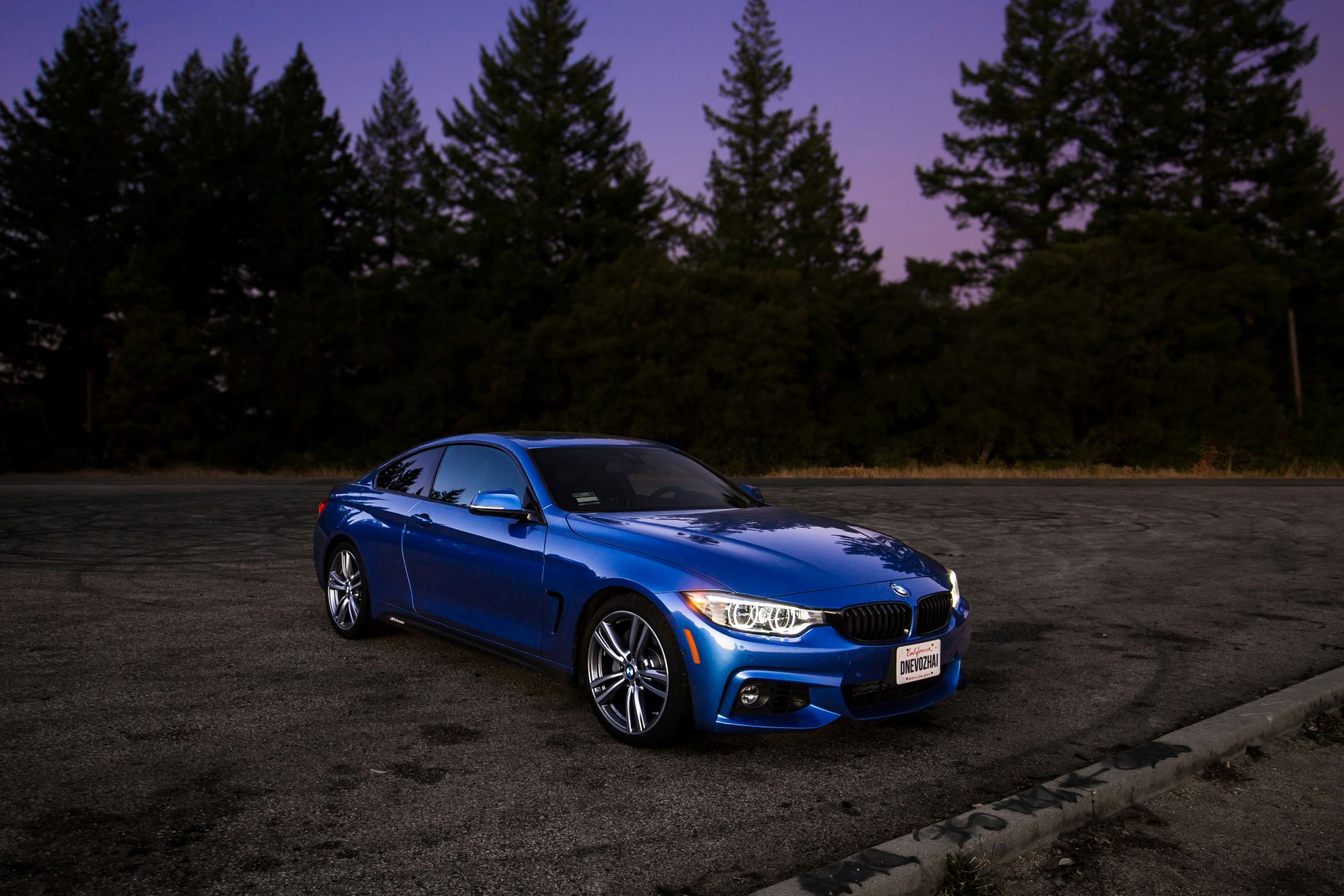
Automotive Example: BMWÔÇÖs Circular Economy Vision
BMW is pivoting hard towards a circular economy with its ÔÇ£Neue KlasseÔÇØ vehicles, showcasing a vision for sustainable design, production, and recycling. By aligning its future with that of the planet, BMW is cultivating loyalty among climate-conscious drivers.
Technology as a Luxury Bridge
Digital innovation, far from diluting luxury, has become a key pillar of loyalty. Whether through immersive AR try-ons, virtual clienteling, or blockchain-based authentication, technology enhances the sense of control, confidence, and customisation.
Fashion Example: Gucci Vault and Web3
GucciÔÇÖs foray into Web3 through its experimental Gucci Vault and NFT projects shows a willingness to meet younger consumers where they are. These moves donÔÇÖt just tap into cultural trendsÔÇöthey create new channels of engagement that foster tech-driven loyalty.
Watches Example: TAG HeuerÔÇÖs Smartwatch Hybrids
TAG Heuer has merged tradition with tech by developing smartwatches that retain the aesthetic of classic Swiss timepieces. This strategic fusion ensures the brand remains relevant without compromising on heritageÔÇöan important loyalty driver.
After-Sales Service as Relationship Glue
In luxury, the sale is not the end of the journeyÔÇöitÔÇÖs the beginning. Brands that understand this offer aftercare that rivals their initial pitch.
Automotive Example: Rolls-RoyceÔÇÖs Whispers App and Bespoke Service
Rolls-RoyceÔÇÖs Whispers app is more than a digital conciergeÔÇöitÔÇÖs an elite ecosystem offering curated experiences, services, and even business opportunities to owners. Combined with lifetime servicing packages and flying technicians, Rolls-Royce ensures that every interaction post-sale enhances the bond.
Fashion Example: Louis VuittonÔÇÖs Repair Philosophy
Rather than push for new purchases, Louis Vuitton encourages product longevity with an extensive global network of repair ateliers. This not only speaks to sustainability but reinforces the idea of a brand that stays with you for life.
Storytelling as a Strategic Tool
Great luxury brands donÔÇÖt just marketÔÇöthey tell compelling stories. These stories elevate products into icons and purchases into personal chapters. Through heritage campaigns, archival revivals, and emotional narratives, storytelling fuels both aspiration and allegiance.
Fashion Example: DiorÔÇÖs Savoir-Faire Campaigns
Dior frequently pulls back the curtain on its ateliers, offering intimate views of its craftsmanship. These campaigns aren't about selling dressesÔÇöthey're about selling the soul of the brand. Customers who connect with that soul are more likely to stay loyal.
Automotive Example: PorscheÔÇÖs ÔÇ£Dreamers. On.ÔÇØ Platform
PorscheÔÇÖs global ÔÇ£Dreamers. On.ÔÇØ campaign ties the emotional rush of driving to human ambition and potential. It reframes the car not as a product, but as a tool for self-realisationÔÇödeepening emotional resonance.
Loyalty in the Age of Experience
Loyalty in the luxury lane isnÔÇÖt earned through mere incentivesÔÇöitÔÇÖs woven through every interaction, from the glint of the showroom lights to the warmth of a handwritten thank-you note. In a world where customers have more choice than ever before, true luxury loyalty is earned by brands who understand that in the premium space, the relationship is the product.
As values shift, expectations evolve, and technology redefines the rules, premium brands must continue to invest in what sets them apart: empathy, excellence, and emotion. Because at the heart of every loyal luxury customer is not just satisfaction, but a storyÔÇöa story that only the right brand can help them tell.
Breyten Odendaal
Specializing in high-performance automotive advertising and digital marketing solutions, delivering cutting-edge insights and the latest news shaping the automotive industry in South Africa.
More From Advertising
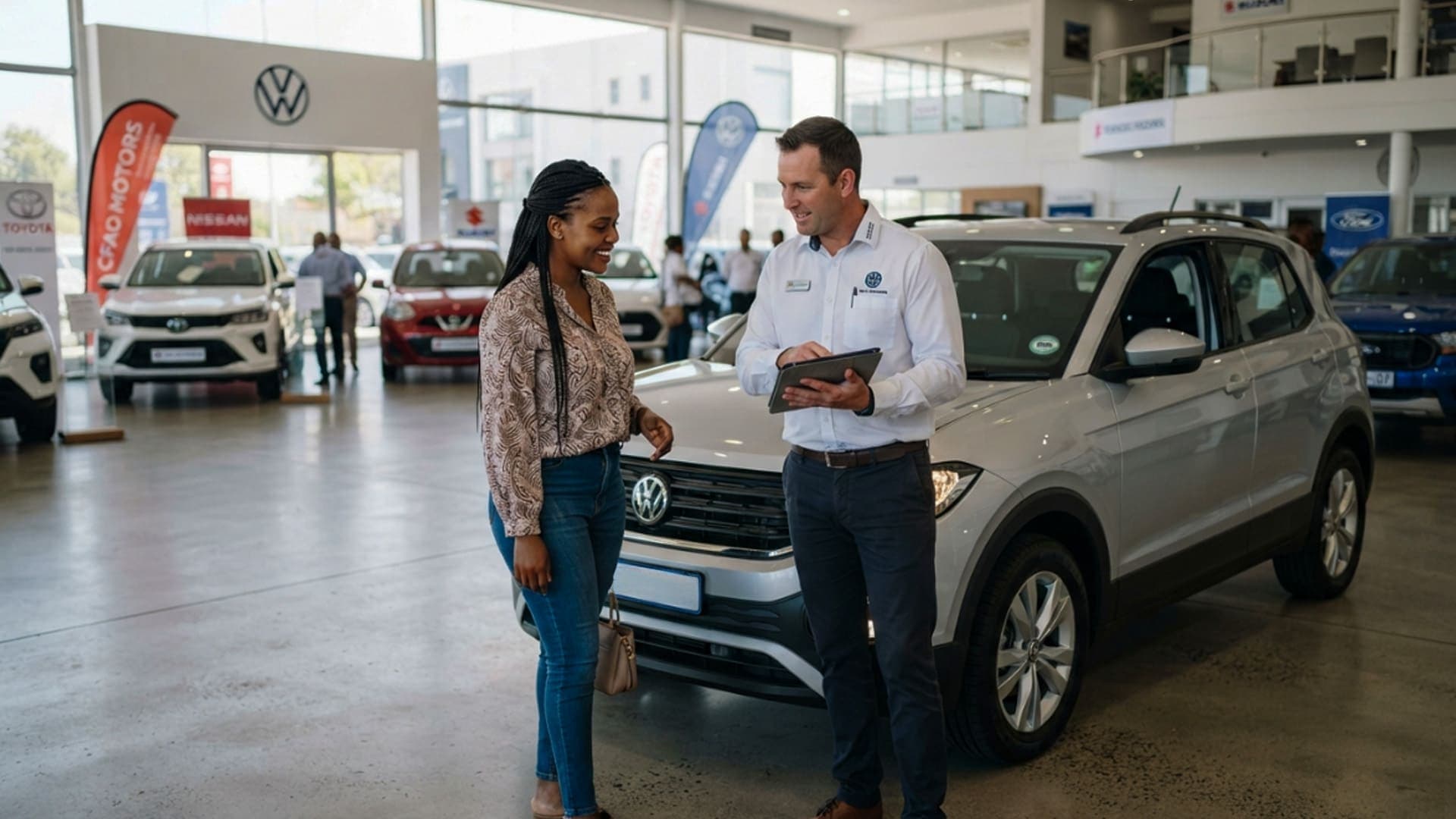
Automotive Advertising in 2026: Selling Confidence in a More Competitive Market
As South Africa’s vehicle market becomes more competitive, automotive advertising needs to do more than announce a price or specification. It needs to help buyers understand value, ownership costs and why a vehicle suits their lives.

Automotive Digital Ads in South Africa: A Shift
Exploring how South Africa’s automotive advertising evolved from print and broadcast to data-driven, programmatic digital ecosystems.

The Video Shift in Car Buying Decisions in SA
Explore how video content shapes car purchase decisions in South Africa, comparing short-form and long-form strategies for automotive marketers.