
Electric mobility is no longer a question of if, but whenÔÇöand, crucially, how. While the global push towards electrification gains momentum, it becomes increasingly evident that South Africa cannot simply import the electric vehicle (EV) narratives of Europe, North America, or China and expect them to resonate locally. The countryÔÇÖs unique socio-economic dynamics, energy landscape, urban-rural divide, and policy environment demand a tailored approachÔÇöone that reflects both its challenges and immense opportunities.
To truly drive adoption, South Africa needs a narrative that makes sense here, not just abroad. A narrative rooted in our own aspirations, anxieties, and economic realities. In short, South Africa needs to localise its EV messaging to build a more equitable, sustainable, and inclusive electric future.
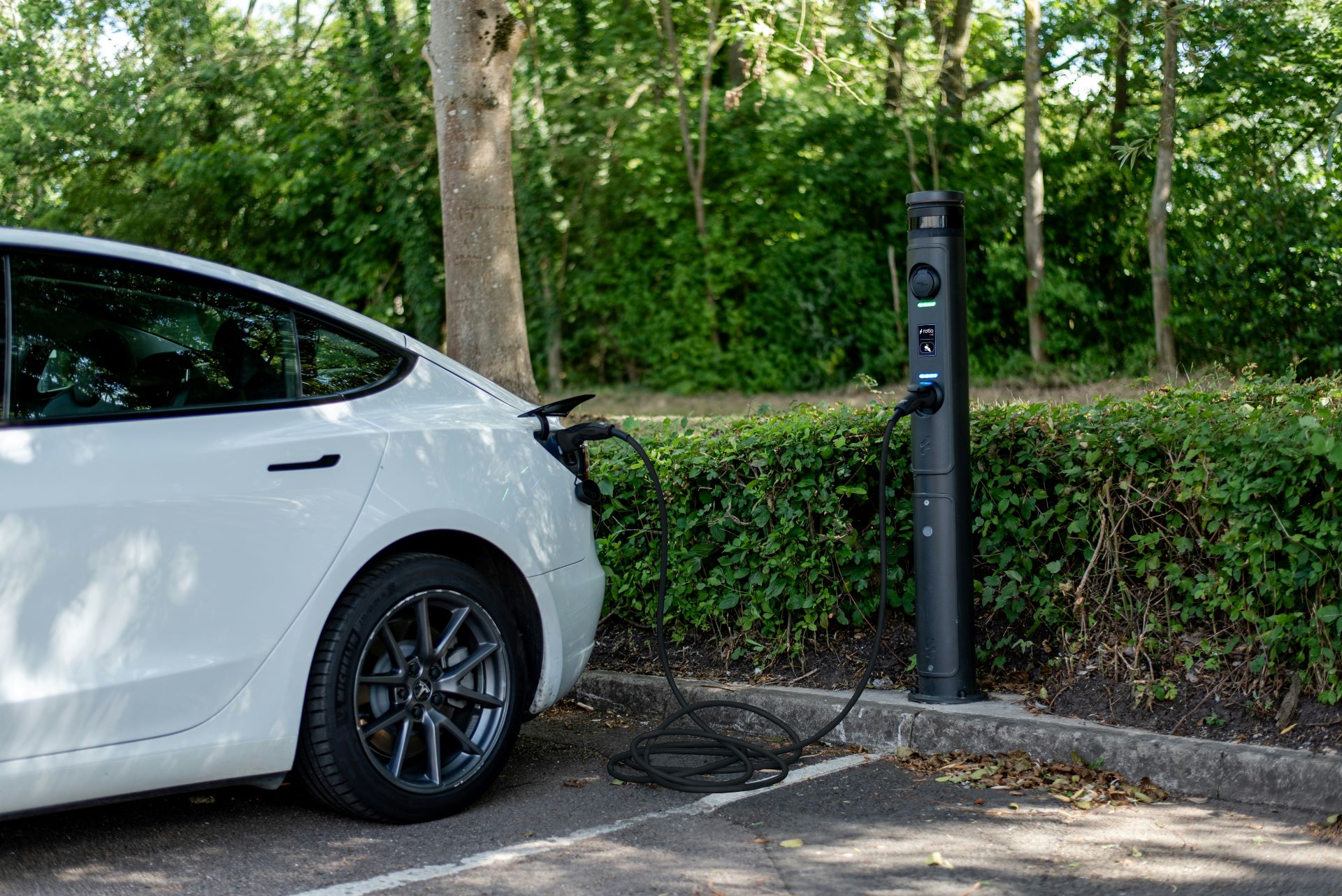
The Problem with Borrowed Narratives
Walk into any dealership or scroll through any major OEMÔÇÖs EV press release, and the message is familiar: zero emissions, silent luxury, charging convenience, and cutting-edge connectivity. These are compelling selling pointsÔÇöbut they speak primarily to wealthy urban customers in mature markets where infrastructure is robust and incentives are in place.
In South Africa, however, the equation is different:
When international automakers push a sustainability narrative focused solely on climate change or luxury appeal, the messaging often misses the markÔÇönot because the audience is uninterested, but because itÔÇÖs not being spoken to in relevant terms.
Understanding the Local Context
A successful EV transition in South Africa must acknowledge five key realities:
An Energy Grid in Transition
South AfricaÔÇÖs energy infrastructure is in a state of flux. EskomÔÇÖs challenges are well-documented, and widespread load shedding continues to erode confidence in the gridÔÇÖs ability to support additional strain from widespread EV charging. Yet, there's a paradox here: EVs can actually complement energy resilience if positioned correctly.
With Vehicle-to-Grid (V2G) and bi-directional charging technologies on the horizon, EVs could become mobile energy storage unitsÔÇöhelping to stabilise the grid, support renewable energy integration, and reduce reliance on diesel-powered backup generators. This opportunity is often omitted from the broader discussion.
Local messaging must therefore shift from EVs being energy-intensive luxuries to being part of a smarter, more resilient energy ecosystem.
A Transport System That Serves the Majority
The dominant EV conversation centres around passenger vehicles for private use. But in South Africa, only around 30% of people own a car. The remaining majority rely on taxis, buses, or railÔÇösystems that are themselves ripe for electrification.
Electric minibus taxis and buses present massive opportunities to reduce emissions and noise pollution in densely populated areas. But messaging around these transitions must be inclusive and highlight tangible community benefits: cleaner air in townships, quieter rides for schoolchildren, and more predictable maintenance schedules for operators.
If people don't see themselves in the EV future, they wonÔÇÖt feel part of it.
Affordability is Everything
Most EVs on sale in South Africa today retail north of R800,000. That places them firmly out of reach for the average South African, whose annual income hovers around R130,000. Until the entry-level market is served, EVs will remain a niche product.
OEMs must localise their messaging by highlighting total cost of ownership (TCO) rather than sticker price. For fleet operators and logistics companies, lower fuel and maintenance costs can make EVs viableÔÇöif communicated clearly.
Local case studies, rather than overseas comparisons, should anchor this message.
Environmental Messaging Must Be Tangible
Yes, climate change is real and pressing. But in a country where immediate economic survival often trumps long-term environmental goals, the message needs grounding in daily life.
How does EV adoption lead to better public health outcomes due to reduced air pollution in congested areas like Johannesburg or Durban? Can it create jobs in local battery recycling or solar integration industries? WhatÔÇÖs the community dividend?
Climate messaging must be reframed as a people-first proposition, not an abstract ideal.
Trust in Government and Policy Is Fragile
Policy inconsistencies, slow implementation, and red tape have eroded public trust. If EVs are positioned as part of a government-led green revolution, scepticism may follow.
Local EV messaging should instead foreground private-sector leadership, grassroots innovation, and community-owned energy solutions. This resonates more strongly in a country where civil society and entrepreneurialism often pick up the slack.
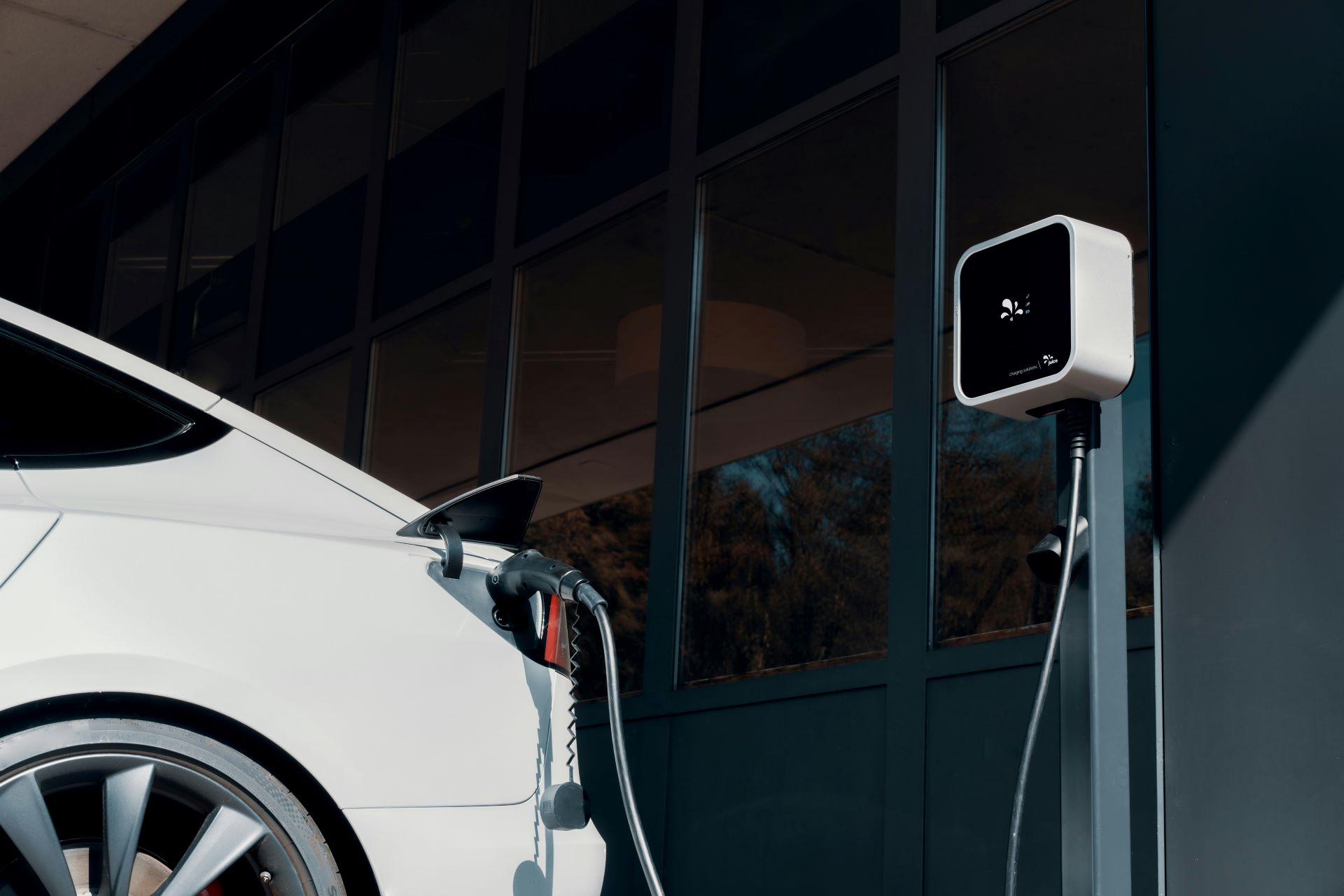
Reframing the Narrative
So how does South Africa build an EV narrative that is relevant, actionable, and emotionally resonant?
Here are six messaging pillars to consider:
ÔÇ£Electric FreedomÔÇØ Over ÔÇ£Electric LuxuryÔÇØ
Luxury still sells, but itÔÇÖs a narrow door. South African messaging should instead promote EVs as a gateway to freedom from fuel price hikes, oil dependency, and unpredictable servicing.
ÔÇ£Own your power.ÔÇØ ÔÇ£Charge your freedom.ÔÇØ ÔÇ£Drive for less.ÔÇØ These are messages that cut through economic anxiety and put the driver in control.
ÔÇ£Drive Local, Benefit LocalÔÇØ
The localisation of EV supply chainsÔÇöfrom battery recycling to component manufacturingÔÇömust be brought to the fore. Jobs in green tech are not abstract; they are welders, electricians, mechanics, software engineers.
Messaging must champion the fact that an EV future is a local economic opportunity, not just an imported dream.
ÔÇ£Cleaner Commutes for CommunitiesÔÇØ
Shift the conversation beyond individual ownership. Showcase electric taxis in Soweto, solar-charging minibus hubs in Khayelitsha, and electric buses in Polokwane. Make the future visibleÔÇöand equitable.
When people see their own lives reflected in a campaign, they respond.
ÔÇ£Charging ShouldnÔÇÖt Be a PrivilegeÔÇØ
Focus on demystifying infrastructure. Public charging isnÔÇÖt just about Cape Town mallsÔÇöitÔÇÖs about spaza shops, taxi ranks, and township schools.
Messaging must promote inclusive infrastructure development and make it clear that electrification isn't just for the suburbs.
ÔÇ£Solar Power, South African StyleÔÇØ
South Africa has abundant sunshine. ThatÔÇÖs not just a clich├®ÔÇöitÔÇÖs an asset. Tying EV adoption to off-grid and solar solutions positions it as a smart workaround, not an indulgence.
Imagine a campaign: ÔÇ£Sun-charged rides. Powered by Africa.ÔÇØ
ÔÇ£We Move DifferentlyÔÇØ
This is perhaps the most important pillar. South African mobility patterns are different, informal, and collective. Messaging that acknowledges these nuancesÔÇörather than trying to overwrite themÔÇöwill always land better.
DonÔÇÖt sell South Africans a European lifestyle. Sell them a better version of theirs.
Building the Message: Who Should Lead?
Localising EV messaging cannot be left to OEMs alone. It must be a collaborative effort involving:
Public-private partnerships (PPPs) will be key. But perhaps more importantly, grassroots communication channelsÔÇöcommunity radio, WhatsApp groups, local influencersÔÇöwill prove more powerful than glossy TV ads or international roadshow content.

Telling Our Own Story
South Africa stands at a pivotal crossroads. The country could become a leader in electric mobility on the African continentÔÇöbut only if the narrative is ours to tell. Not borrowed. Not imposed. But imagined, crafted, and championed from within.
A localised EV narrative is not just good strategyÔÇöitÔÇÖs good nation-building.
Because if we want South Africans to believe in an electric future, we must speak to their present.
Breyten Odendaal
Specializing in high-performance automotive advertising and digital marketing solutions, delivering cutting-edge insights and the latest news shaping the automotive industry in South Africa.
More From Advertising

Automotive Advertising in 2026: Selling Confidence in a More Competitive Market
As South Africa’s vehicle market becomes more competitive, automotive advertising needs to do more than announce a price or specification. It needs to help buyers understand value, ownership costs and why a vehicle suits their lives.

Automotive Digital Ads in South Africa: A Shift
Exploring how South Africa’s automotive advertising evolved from print and broadcast to data-driven, programmatic digital ecosystems.

The Video Shift in Car Buying Decisions in SA
Explore how video content shapes car purchase decisions in South Africa, comparing short-form and long-form strategies for automotive marketers.