
When you purchase a car, chances are the first things you consider are performance, fuel efficiency, technology features, or price. Colour might seem like a secondary concernÔÇöan aesthetic flourish. But in the hands of savvy automakers, colour is more than a cosmetic choice. ItÔÇÖs a silent salesperson, a subconscious trigger, andÔÇöperhaps most interestinglyÔÇöa potent marketing weapon.
As automotive brands compete for visibility and resonance in an increasingly saturated market, the strategic use of colour has emerged as a powerful tool not just to influence purchase decisions, but to shape brand identity and communicate values. In this exploration, we examine the historical, psychological, cultural, and technological dimensions of car colour and consider its role as a key marketing lever in the modern automotive landscape.
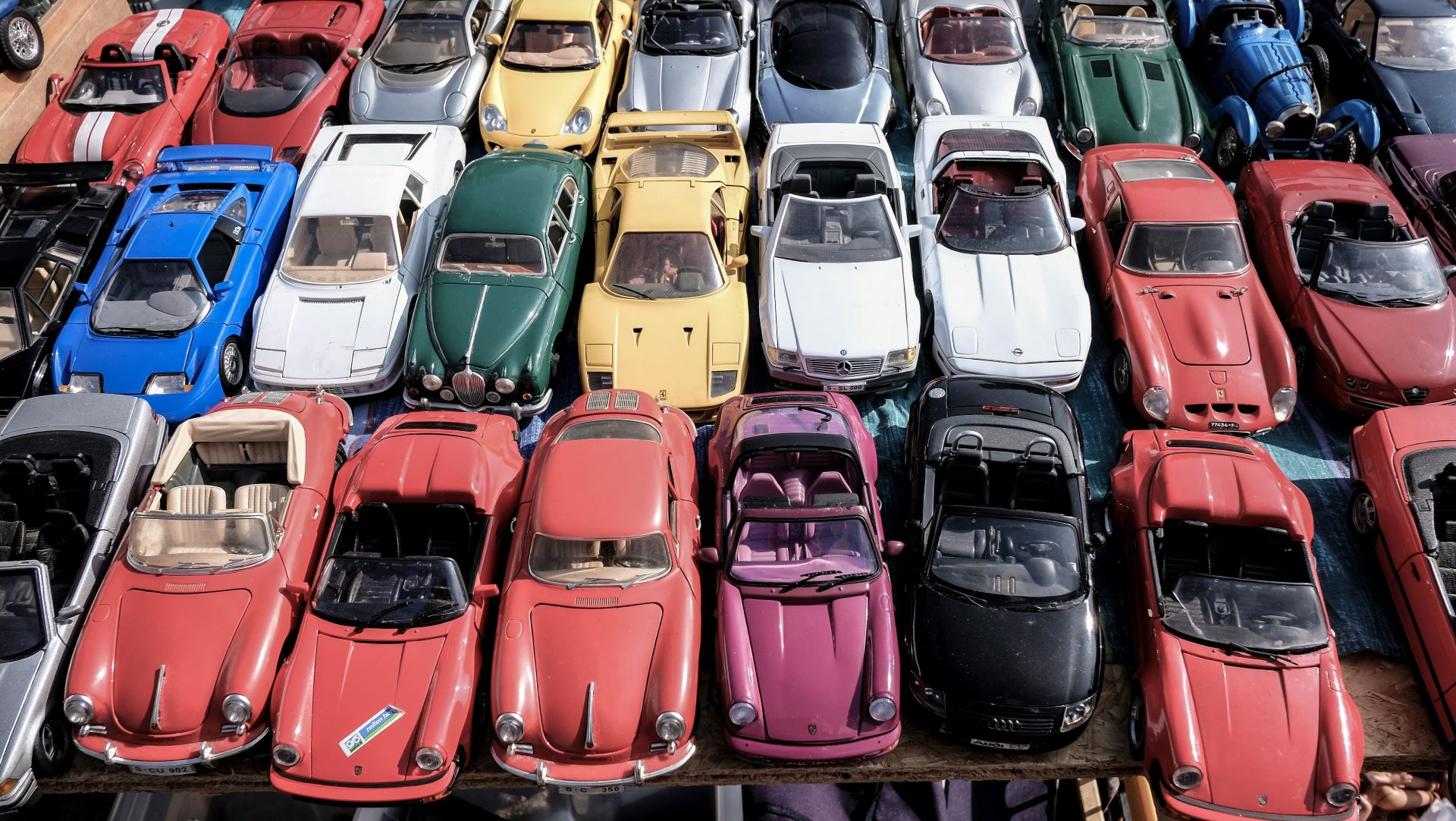
The Psychological Canvas: Colour Theory and Emotional Triggers
Long before the first motorcar hit the road, colour had been used in art, fashion, and architecture to evoke emotion, suggest status, and even manipulate behaviour. The same principles apply to cars. Studies show that colour can influence perceptions of performance, safety, and personality.
According to behavioural psychologist Dr. Karen Pine, colour influences how we feel and actÔÇöeven when we arenÔÇÖt aware of it. ÔÇ£A buyer may not consciously choose a black car to feel more assertive,ÔÇØ she explains, ÔÇ£but the colour itself primes the brain for a perception of power.ÔÇØ
For marketers, this psychological undercurrent is a goldmine.
History in Hues: From Henry Ford to Technicolour Trends
At the dawn of the automotive era, Henry Ford famously offered the Model T in ÔÇ£any colour as long as itÔÇÖs black.ÔÇØ The decision was rooted in practicality: black paint dried fastest, enabling mass production. But as competition increased and consumer choice expanded, colour took centre stage.
In the post-war boom of the 1950s and ÔÇÿ60s, American automakers embraced flamboyant pastels and chrome accents. These colours reflected optimism, freedom, and status. The 1970s brought earth tones and metallics, in step with environmental consciousness and space-age aesthetics.
In each era, car colours mirrored the cultural zeitgeistÔÇöand helped manufacturers connect with consumers on an emotional level. Today, colour continues to evolve in response to lifestyle trends, social values, and even global events (metallic greys and silvers surged in the early 2000s, reflecting the tech-driven Y2K era).
Cultural and Geographic Preferences: Why White Dominates in Asia
Cultural context also plays a huge role in car colour preferences. In AsiaÔÇöparticularly China, Japan, and South KoreaÔÇöwhite reigns supreme. It symbolises purity, status, and efficiency. In contrast, darker colours like navy and black are favoured in Western luxury markets, while brighter coloursÔÇösuch as yellow and lime greenÔÇömay resonate more strongly in youth or performance segments.
This regional preference isnÔÇÖt just an aesthetic quirkÔÇöit affects everything from production volumes to dealership inventory strategies. Brands operating across global markets must carefully balance local tastes with broader brand identity. A colour that sells in Seoul may sit unsold in Stockholm.
The Science of Finish: Gloss, Matte, and Beyond
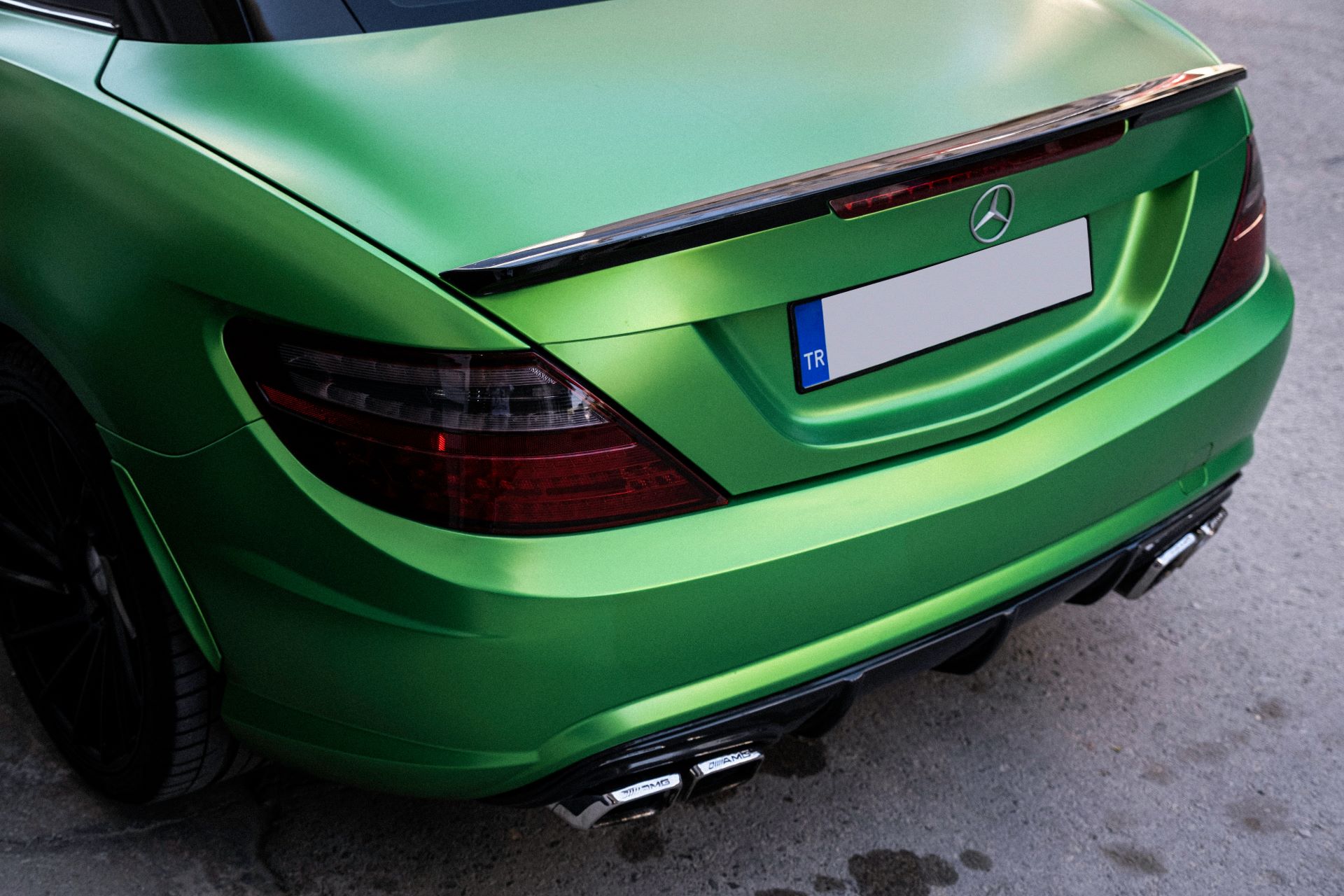
Beyond hue, the finish of a vehicle has become a significant storytelling tool. Matte finishes, once exclusive to concept cars and custom builds, now project exclusivity and avant-garde appeal. Pearl and chameleon paints shimmer with layered complexity, often used to accentuate curves and evoke movement.
Brands like BMW and Lexus have capitalised on this with special edition finishes that demand a premiumÔÇöand signal status to other motorists. Meanwhile, brands like MINI and Citro├½n have used playful colour blocking and dual-tone roofs to target a younger, style-conscious audience.
According to Sherwin-Williams, which supplies paint technology to OEMs globally, the development of new pigments and surface treatments is as much a branding exercise as it is a scientific one. ÔÇ£WeÔÇÖre seeing more demand for coatings that do more than look goodÔÇöthey need to tell a story,ÔÇØ says a senior product designer at the company.
Marketing Meets Manufacturing: Strategic Colour Planning
Car manufacturers invest heavily in forecasting colour trends years in advance. Automotive colour designers attend fashion weeks, tech expos, and art biennales to spot emerging tones and materials that could influence consumer desire.
For instance, PPG Industries, a global paint supplier, publishes an annual colour trend forecast, which is often used as a guiding light for manufacturers' future palettes. These forecasts take into account everything from global mood (post-pandemic minimalism favoured muted greys and blues) to advancements in pigment durability and environmental sustainability.
This level of forward planning demonstrates that colour is not merely decorativeÔÇöitÔÇÖs a calculated business decision, embedded in the product development cycle and used to differentiate SKUs, segment audiences, and build brand stories.
Colour as a Branding Tool: The Case for Signature Shades
Certain automakers have gone so far as to claim ownership over colours. Think Ferrari Red, Lamborghini Verde Mantis, BMWÔÇÖs Estoril Blue, or AudiÔÇÖs Nardo Grey. These colours act like visual shorthandÔÇöimmediate identifiers in the wild.
In many cases, consumers donÔÇÖt just buy the car; they buy into the mythology of the colour. PorscheÔÇÖs Paint to Sample programme lets customers order historic colours from the brandÔÇÖs archiveÔÇöat a premium. ItÔÇÖs a form of colour nostalgia that taps into heritage, loyalty, and exclusivity.
Interestingly, even mass-market brands have begun to lean into this logic. ToyotaÔÇÖs use of ÔÇ£Solar OctaneÔÇØ orange on the Tundra TRD Pro is a case in point. ItÔÇÖs bold, recognisable, and often cited in advertising and media reviews as a defining feature of the vehicle.
Digital Realities: Colour in a Virtual World
In an era increasingly defined by online research and virtual showrooms, the visual representation of colour has taken on new urgency. Poor lighting, screen calibration, and digital rendering can lead to misperceptionsÔÇöand even buyerÔÇÖs remorse.
As a result, manufacturers are investing in high-fidelity 3D visualisation platforms that more accurately reflect how a car looks in various lighting conditions. Audi, for example, uses Unreal Engine to render photorealistic models online, while Lexus offers augmented reality apps that let users ÔÇ£placeÔÇØ a virtual car in their driveway to assess colour under natural light.
Digital colour strategy also intersects with social media. A striking car colour can drive Instagram shares, TikTok trends, or YouTube reviews. For brands targeting digital-native consumers, this virality factor can be more valuable than traditional advertising spend.
Fleet and Function: The Strategic Use of Colour in Business
Outside of retail, colour plays a strategic role in fleet and utility vehicles. Police forces, ambulance services, and delivery fleets use colour to convey visibility, authority, or brand consistency.
Take AmazonÔÇÖs distinctive Prime Blue or DHLÔÇÖs canÔÇÖt-miss yellow. These choices arenÔÇÖt accidentalÔÇötheyÔÇÖre designed for memorability and brand association. Similarly, Uber and Bolt drivers may choose white or black cars for a more ÔÇ£professionalÔÇØ appearance, reinforcing passenger trust.
Colour even affects resale value. Neutral colours like black, white, silver, and grey typically hold their value better, while niche shades can limit buyer interestÔÇöunless tied to a special edition or cult status model.
Electric Vehicles and the Rise of Future-Forward Palettes
EV manufacturers are pushing the boundaries of colour with palettes that reflect their vision of a cleaner, smarter future. TeslaÔÇÖs minimalist whites, LucidÔÇÖs sophisticated satin tones, and Hyundai IONIQÔÇÖs cool matte blues all speak to a new design languageÔÇöone rooted in sustainability, intelligence, and elegance.
These colours are often paired with eco-conscious materials in the cabin and used as part of broader storytelling about technology, wellness, and climate awareness.
As consumers become more environmentally conscious, the demand for sustainable coatingsÔÇölower VOCs, water-based finishes, and recyclable materialsÔÇöhas grown. Colour, once a pollutant-heavy aspect of production, is now a focus of green innovation.
When Colour Becomes a Movement
In some cases, car colour transcends marketing and enters the realm of social or political expression. Think of the all-black fleets used by heads of state. Or, more provocatively, the rainbow-hued cars wrapped in Pride colours to show allyship.
Even automotive art carsÔÇölike those in BMWÔÇÖs long-running Art Car seriesÔÇöexplore the cultural potential of colour. Here, paint becomes protest, celebration, or commentary. ItÔÇÖs a reminder that colour is not neutral. It reflects the world we live in and the identities we choose to project.
The Chromatic Edge in Automotive Marketing
The colour of a car is never just a colour. ItÔÇÖs a message. A strategy. A weapon in the marketing arsenal that speaks volumes before a single word is said. From silent signals of luxury to bold assertions of personality, colour captures attention and builds connection.
As automotive brands fight for loyalty in a fast-evolving landscape of electrification, digitalisation, and shifting values, colour will continue to be an indispensable toolÔÇönot only to attract eyeballs, but to build enduring stories.
So, next time you see a car and admire its colour, remember: youÔÇÖre not just seeing pigment. YouÔÇÖre seeing strategy.
Breyten Odendaal
Specializing in high-performance automotive advertising and digital marketing solutions, delivering cutting-edge insights and the latest news shaping the automotive industry in South Africa.
More From Advertising

Automotive Advertising in 2026: Selling Confidence in a More Competitive Market
As South Africa’s vehicle market becomes more competitive, automotive advertising needs to do more than announce a price or specification. It needs to help buyers understand value, ownership costs and why a vehicle suits their lives.

Automotive Digital Ads in South Africa: A Shift
Exploring how South Africa’s automotive advertising evolved from print and broadcast to data-driven, programmatic digital ecosystems.

The Video Shift in Car Buying Decisions in SA
Explore how video content shapes car purchase decisions in South Africa, comparing short-form and long-form strategies for automotive marketers.